The Week’s Under-the-Radar Security Stories
Some stories don’t get the headline treatment they deserve. They still matter, though. This week’s quiet-but-significant batch includes a wave of cloud patches from Microsoft, a credential-stuffing attack on Dropbox, and a cybersecurity startup hitting unicorn status.
Here’s what you need to know.
Microsoft Rolls Out Patches for Cloud Services
Microsoft has been busy behind the scenes. The company pushed out fixes for several of its cloud offerings, addressing vulnerabilities that could have given attackers a foothold in enterprise environments.
The patches cover a range of services, though Microsoft hasn’t disclosed every detail. What’s clear is that IT teams should treat these updates as priority. Cloud misconfigurations and unpatched flaws remain a top attack vector, and this is a reminder that even the biggest providers need constant upkeep.
For admins, the takeaway is straightforward: check your Microsoft cloud security dashboard, review the latest advisories, and apply the updates before they become a problem. Delaying patches in a cloud environment is a gamble, and the house usually wins.
What the Patches Target
Microsoft’s advisory points to vulnerabilities in Azure and related services. Specifics are sparse, but the company’s track record suggests these could range from privilege escalation to information disclosure. If you’re running any Microsoft cloud workload, the official security update guide is your first stop.
5,000 Dropbox Accounts Hacked via Credential Stuffing
Dropbox confirmed that attackers compromised roughly 5,000 user accounts. The method? Credential stuffing — using usernames and passwords stolen from other breaches to break into accounts where people reuse passwords.
This isn’t a breach of Dropbox’s own systems. The company says its infrastructure wasn’t compromised. Instead, the attackers leveraged the all-too-common habit of password reuse. Once they had valid credentials from elsewhere, they simply tried them on Dropbox.
Dropbox has reset passwords for affected users and is rolling out additional protections. But the incident underscores a persistent problem: credential stuffing attacks remain one of the most effective ways for hackers to get in. No fancy exploits needed, just a list of leaked passwords and a bit of patience.
How to Protect Yourself
- Use a unique password for every account. Yes, every single one.
- Enable two-factor authentication, especially on cloud storage and email.
- Check haveibeenpwned.com to see if your credentials have been exposed.
- If you’re a Dropbox user, change your password now, even if you weren’t affected.
It’s tedious, but it works. The hackers who did this weren’t geniuses — they were just counting on people to make the same mistake twice.
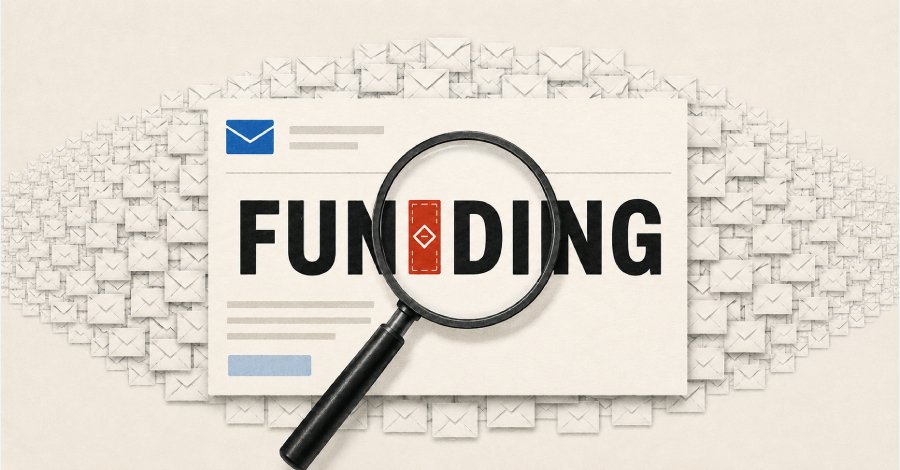
Guardio Hits $1.1 Billion Valuation
In brighter news, Guardio, a browser security startup, has reached a valuation of $1.1 billion. The company, which focuses on protecting consumers from phishing, malware, and malicious extensions, has been growing quietly but steadily.
Guardio’s approach is simple: a lightweight browser extension that blocks threats before they reach the user. It’s a consumer-focused product, but the underlying tech has broader implications. As more people work from home, the browser has become the new perimeter.
The Guardio funding round signals that investors see value in endpoint protection that doesn’t require a degree in cybersecurity to operate. That’s a good sign for the industry, and an even better one for users who just want to browse without getting hacked.
Why These Stories Matter
On the surface, these three items seem disconnected. A cloud patch, a credential stuffing attack, and a funding round — what’s the thread?
It’s this: security is a moving target. Microsoft’s patches show that even the giants are constantly fixing holes. The Dropbox incident shows that human behavior — password reuse, ignored 2FA — often undoes even the best technical defenses. And Guardio’s valuation shows that the market rewards products that make security accessible.
None of these stories will dominate tomorrow’s headlines. But together, they paint a picture of an industry that’s always fighting, always adapting, and always finding new ways to protect users. That’s worth paying attention to, even if it doesn’t make the front page.
Stay patched, stay vigilant, and for heaven’s sake, stop reusing your passwords.

















 How To6 months ago
 How To4 months ago
 How To6 months ago
 How To5 months ago
 How To7 months ago

 How To6 months ago
 How To7 months ago