Connect with us

How To

Telegram Usernames on Fragment: Your Guide to Buying Digital Handles

Published

on

Telegram Usernames on Fragment: Your Guide to Buying Digital Handles

Imagine securing a premium username like @Tech or @News on Telegram. That possibility became real when Pavel Durov announced users could buy and sell distinctive usernames. This isn’t just a feature update—it’s a shift toward digital ownership on one of the world’s largest messaging platforms.

Why Telegram Usernames Have Become Digital Assets

Telegram sits among the top 10 most downloaded apps globally, with over 500 million active users. For years, coveted usernames were first-come, first-served. Many users found their ideal handles already taken, with no recourse except creative variations with underscores or numbers.

That changed when Telegram partnered with Fragment. This decentralized platform treats usernames as collectible digital items. Suddenly, that clean, memorable handle you wanted could be available—for a price. This system grants something unprecedented: verifiable ownership secured by blockchain technology.

How Fragment’s Auction Platform Works

Fragment operates as a specialized marketplace built on The Open Network (TON) blockchain. It functions like a digital auction house specifically for Telegram usernames. The process uses Toncoin (TON), the network’s native cryptocurrency, for all transactions.

Think of it as bidding on a unique digital license plate. The platform displays available usernames, their current highest bid, and the time remaining in the auction. Every bid is transparent and recorded on the blockchain, creating a public history of ownership transfers.

Preparing to Bid: What You Need

Before participating, you’ll need a few things set up. First, ensure you’re a Telegram user with an account. More importantly, you need a TON-compatible cryptocurrency wallet, such as Tonkeeper. This wallet will hold your Toncoin for bidding.

You must fund this wallet with enough Toncoin to cover your bids. Remember, if you’re outbid, your funds are automatically returned. This safety mechanism prevents you from losing coins unless you win the auction.

Step-by-Step Guide to Buying a Username

Navigate to the Fragment website and connect your TON wallet. Search for the username you desire. The interface clearly shows if a name is available, currently under auction, or already sold.

If it’s on auction, click through to see the bidding page. Here you’ll find the current highest bid, the minimum bid increment, and the auction’s end time. You can review the entire bid history, seeing exactly when and from which wallet previous offers were made.

Place your bid directly through your connected wallet. Alternatively, if you prefer not to connect, you can scan a QR code to send payment. The system is designed to be accessible even for those new to crypto transactions.

Understanding Ownership and Availability

Not every Telegram username is for sale. If a handle doesn’t appear on Fragment, it means the current user hasn’t listed it. The platform only deals in usernames voluntarily put up for auction by their owners.

Winning an auction grants you true ownership. You can transfer it, hold it, or eventually resell it on the same marketplace. This creates a dynamic economy where the value of a username can fluctuate based on demand, rarity, and perceived prestige.

What happens if you see “sold” on a listing? That username has found a new owner. The transaction is permanent and recorded on the blockchain. The previous owner receives the Toncoin from the sale, and the buyer gains control of the digital handle.

The Bigger Picture: Web3 and Messaging

Telegram’s move makes it the first major messaging app to embrace decentralized username ownership. This aligns with the broader Web3 vision where users control their digital identities and assets rather than renting them from platforms.

For brands, influencers, and individuals, this represents both an opportunity and a consideration. A premium username can enhance recognition and credibility. It’s also a potential investment, as early adoption of memorable handles could appreciate in value.

The integration requires some familiarity with cryptocurrency, which may present a learning curve. Yet, the process on Fragment is streamlined compared to general crypto exchanges. The platform serves a single, clear purpose: facilitating username transfers.

Ready to claim your piece of digital real estate? Head to Fragment, set up your wallet, and explore what’s available. Your ideal Telegram username might be waiting, ready for its next owner.

Continue Reading
Click to comment

Leave a Reply

Your email address will not be published. Required fields are marked *

How To

WhatsApp’s New Layout: How to Share Channel Posts to Your Status

Published

on

WhatsApp’s New Layout: How to Share Channel Posts to Your Status

WhatsApp is constantly tinkering under the hood. While we often focus on big, flashy updates, it’s the subtle refinements that can quietly reshape how we use the app. The latest beta version for Android is a perfect example, introducing a smarter way to share content from Channels directly to your Status.

This isn’t just a minor tweak. It’s a thoughtful redesign that makes shared information clearer and more engaging for your contacts. If you’ve ever forwarded a news update or a funny post from a Channel, you’ll appreciate this change.

A Clearer Path from Status to Source

The update, spotted in WhatsApp beta version 2.24.1.6, focuses on the interface you see when a Channel post is shared as a Status update. Previously, it might have looked like any other forwarded image or video. Now, it gets special treatment.

A new, distinctive button and layout clearly label the content as coming from a Channel. The design actively guides viewers. With a simple tap, they can jump directly to the original Channel to see the full context and follow it if they wish. This solves a common problem: shared content losing its origin story.

Why does this matter? It turns a simple share into a discovery tool. Your Status isn’t just a fleeting image; it becomes a doorway to a source of information your friends might want to explore themselves.

Learning from the Meta Family Playbook

If this new layout feels familiar, there’s a good reason. Look at Instagram. When you share a feed post to your Story, it appears in a neat frame with a clear link back to the original poster’s profile. WhatsApp’s new Channel share feature operates on the same principle.

This isn’t coincidence. It’s a strategic move towards a cohesive experience across Meta’s apps. By adopting successful patterns from Instagram, WhatsApp makes the feature instantly understandable for millions of users. The learning curve disappears. You already know how to use it.

This cross-pollination of features is becoming a hallmark of modern app development. Why reinvent the wheel when a proven, user-friendly design already exists?

More Than Just a Pretty Interface

Beyond the visual polish, this update has practical benefits. Channels are built for broadcasting, but their real power grows when content spreads through networks. This enhanced sharing layout encourages that.

It adds vital context that was often missing. A shared graph about sports scores or a snippet of news makes more sense when viewers know which Channel it’s from. They can assess the source’s credibility and dive deeper if interested. The share becomes more informative and less cryptic.

WhatsApp also continues to layer in safety measures. The platform provides tools to report any Channel content that violates its policies, ensuring this new sharing power isn’t abused. It’s a balance between open communication and user protection.

Squashing Bugs Along the Way

While introducing this new layout, the beta version also fixed an annoying visual glitch. Some users reported a large, obstructive blue block appearing on the lower half of their screen, potentially hiding chats or wallpapers.

This bug, which appeared in an earlier version, has been resolved. It’s a reminder that updates aren’t just about adding features. They’re also about smoothing out the rough edges, ensuring the app feels fast and clean. A seamless interface is just as important as a new button.

What’s Next for WhatsApp Sharing?

This update is part of a broader trend. WhatsApp has been steadily improving how we share content from Channels, first by allowing individual message sharing and now by refining the Status experience. The rumored ability to manage Status updates from linked devices is another step in this direction.

Each change is a piece of a larger puzzle. The goal is a more dynamic, informative, and connected messaging environment. As Channels grow in popularity, making them easy to share and discuss is key to their success.

For the average user, it means your Status updates can be more than just selfies or quotes. They can be recommendations, news flashes, or conversation starters sourced directly from the topics you follow. It subtly transforms how we communicate within the app.

WhatsApp’s evolution in 2023 and beyond seems focused on this very idea: not just connecting people, but connecting them to information. This new layout for sharing Channel posts is a small but significant signpost on that road.

Continue Reading

How To

Redmi 14C 5G India Launch: Display Details and Color Variants Officially Unveiled

Published

on

Redmi 14C 5G India Launch: Display Details and Color Variants Officially Unveiled

The curtain is lifting on Xiaomi’s next budget 5G contender. Just days before its scheduled January 6 debut in India, key details about the Redmi 14C 5G have surfaced. This successor to the popular Redmi 13C 5G is shaping up to be more than a simple refresh.

Official reveals now give us a clear look at what will greet users out of the box: a significantly upgraded display and a fresh palette of colors designed to stand out.

A Display Built for Speed and Comfort

First impressions matter, and Xiaomi is betting big on the screen. The Redmi 14C 5G will sport a 6.88-inch HD+ display, a noticeable step up from its predecessor’s 6.74-inch panel. But the real story is the smoothness.

Where the Redmi 13C 5G offered a 90Hz refresh rate, the new model doubles down with a 120Hz refresh rate. This leap means animations, scrolling, and gameplay will feel significantly more fluid. It’s a feature once reserved for pricier phones, now trickling down to the budget segment.

Xiaomi hasn’t just focused on speed. The company highlights the display’s TÜV Rheinland certification, a badge that promises reduced blue light emission and lower eye strain during long browsing or streaming sessions. For a device likely to be a primary entertainment hub, this is a thoughtful addition.

Vibrant New Colors to Match Your Style

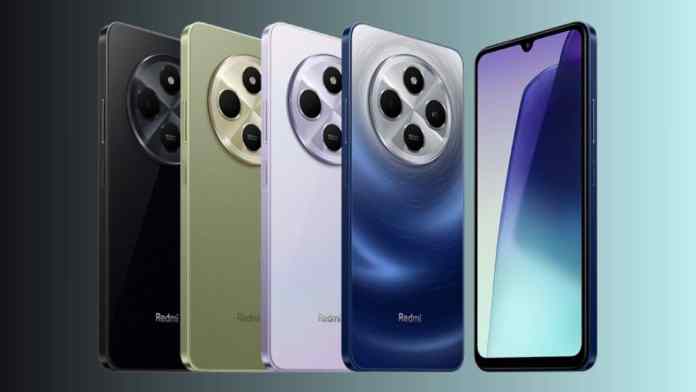
Beyond specs, Xiaomi understands visual appeal. The Redmi 14C 5G will launch in three distinct colorways, moving beyond basic shades. The official names suggest a celestial theme:

  • Blue Starlight: A likely shimmering blue finish.
  • Stardust Purple: A subtle, possibly gradient purple hue.
  • Stargaze Black: A classic, sleek black option.

These choices aim to cater to diverse tastes, offering both vibrant personality and understated elegance. It’s a clear move to make budget phones feel less generic and more personalized.

Under the Hood: Expected Performance and Features

A great screen needs powerful internals to back it up. The Redmi 14C 5G is confirmed to run on the Qualcomm Snapdragon 4 Gen 2 processor. This chipset, built on a 4nm process, should deliver a solid balance of performance and power efficiency for everyday tasks and light gaming.

Memory configurations are expected to go up to 8GB of RAM, paired with Android 14 out of the box. This combination should ensure smooth multitasking and a clean software experience from day one.

The camera system appears to carry forward a strength from the previous model. A 50MP primary sensor is on the spec sheet, promising detailed photos in good lighting. Powering the device will be a substantial 5,160mAh battery supported by 18W fast charging, aiming to minimize downtime.

As a 5G device, it will support dual 5G SIM cards, ensuring users are ready for next-generation network speeds as they roll out across India.

Price and Positioning in the Indian Market

All these upgrades lead to one burning question: what will it cost? While Xiaomi has yet to announce official pricing, the expectation is that the Redmi 14C 5G will remain fiercely competitive.

Its predecessor, the Redmi 13C 5G, launched at a starting price of ₹10,999. If the new model can stay close to this range while offering a better display, faster refresh rate, and the same reliable camera and battery, it could solidify its position as a value champion in India’s crowded budget 5G space.

The January 6 launch event will provide the final pieces of the puzzle. Until then, the revealed details paint a picture of a device focused on delivering a superior visual and fluid experience without breaking the bank.

Continue Reading

How To

Huawei FreeBuds Pro 3 Launch: ANC 3.0 and Premium Audio Features

Published

on

Huawei FreeBuds Pro 3 Launch: ANC 3.0 and Premium Audio Features

The wireless earbud market just got more interesting. Huawei has officially unveiled its latest flagship audio product, the FreeBuds Pro 3, at a dedicated wearable tech event in Barcelona. This launch signals the company’s continued push into the competitive premium audio segment.

What makes these earbuds stand out in a crowded field? Let’s break down the key features that Huawei is betting on.

L2HC 2.0 Sound: Engineered for Clarity

At the heart of the FreeBuds Pro 3 is Huawei’s proprietary L2HC 2.0 audio codec. The company claims this system is designed to deliver studio-grade sound quality over a wireless connection. It’s built for those who notice the details—the subtle bass line, the crispness of a high hat, the nuance in a vocalist’s breath.

Whether you’re deep into a podcast narrative or getting lost in a complex musical arrangement, the promise is a listening experience that feels both immersive and precise. This isn’t just about volume; it’s about fidelity.

Connectivity and Control for a Multi-Device Life

How often do you switch between your phone, laptop, and tablet? Modern users constantly juggle devices, and Huawei has designed the FreeBuds Pro 3 with this reality in mind.

A standout feature is the ability to maintain simultaneous connections with two different devices. You can be on a Zoom call on your laptop and still receive notification pings from your smartphone, all without manual re-pairing. This seamless switching aims to reduce friction and boost productivity for anyone who lives across multiple screens.

The Dual-Driver Audio Advantage

For the audiophiles, the technical specs get more compelling. The earbuds employ a dual-driver system. This means two separate acoustic drivers work in tandem: one typically dedicated to handling bass and mid-range frequencies, and another for high frequencies.

The result? A wider, more detailed soundstage. Music should have more punch and separation, making everything from orchestral scores to electronic beats sound more dynamic and true to the original recording.

Battery Life, Pricing, and Availability

Long listening sessions require reliable power. Huawei promises up to 31 hours of total battery life with the included charging case. That’s a full day of use and then some, minimizing the hunt for a charging cable.

The FreeBuds Pro 3 will carry a price tag of €199 (approximately ₹17,600). They are scheduled to hit select markets next month. For users invested in the Huawei ecosystem or those simply seeking high-fidelity wireless audio, these earbuds present a new option.

The launch reinforces a clear trend: wireless audio is no longer just about convenience. It’s a serious pursuit of quality, and Huawei is aiming to be a major player.

Continue Reading

Trending