Connect with us

How To

WhatsApp HD Photos: How to Send High-Quality Images Without Compression

Published

on

WhatsApp HD Photos: How to Send High-Quality Images Without Compression
Remember that stunning sunset photo you took on vacation? Or the perfect shot of your kid’s birthday cake? For years, sending these through WhatsApp meant watching them transform into blurry, pixelated versions of themselves. The app’s aggressive compression was a necessary evil for faster sending, but it often ruined the details that made photos special.

That frustration is now history. WhatsApp has finally addressed one of its users’ longest-standing complaints with a global rollout of HD photo sharing. No more uploading to Google Drive just to bypass compression. No more disappointing recipients with muddy images. The feature is here, and it’s refreshingly simple to use.

How WhatsApp’s HD Photo Feature Actually Works

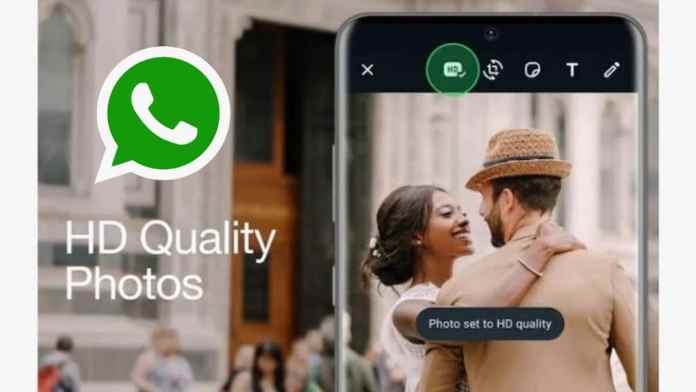
Contrary to what some might think, this isn’t a behind-the-scenes magic trick. WhatsApp gives you direct control. When you select a photo to send, you’ll now see a new “HD” button appear at the top of the screen, right alongside the familiar crop and text tools.

Tapping it presents a choice: “Standard Quality” (the old, compressed default) or “HD Quality.” Select HD, and WhatsApp will send a much larger, clearer file. The app still applies some light optimization to ensure reasonable file sizes, but the difference is night and day. Fine textures, sharp edges, and vibrant colors are preserved.

What’s clever is that the setting isn’t permanent. It resets with each photo, putting you in charge every time. This is perfect for data-conscious users who might only want HD for their most important shots.

A Step-by-Step Guide to Sending HD Photos

Using the feature is intuitive, but let’s break it down.

For Both Android and iOS Users:

Open any chat and tap the attachment (paperclip or plus) icon. Select “Gallery” or “Photos” and choose your image. Before hitting send, look for the “HD” icon at the top. Tap it, select “HD Quality,” and then send as normal. That’s it. Your recipient will get a noticeably superior image, and it will be marked with a small “HD” badge in the corner so they know.

What About Receiving HD Photos?

The feature works both ways. If someone sends you an HD photo, you’ll see the “HD” badge. Even better, if you receive a standard-quality image and wish you had the HD version, WhatsApp now offers an option to request it. This is a game-saver for group chats where someone might have forgotten to toggle the HD option.

Why This Update Matters Beyond Just Quality

This move by Meta, WhatsApp’s parent company, signals a shift in priorities. For years, speed and low data usage were king. Now, user experience and media fidelity are catching up. It acknowledges that our phones are powerful cameras, and we want to share those results properly.

The update also subtly changes how we use the app. It reduces dependency on third-party cloud services just for sharing good photos, keeping more activity within WhatsApp’s ecosystem. While the feature is currently for photos only, the framework is there. A similar high-definition option for videos is a logical and highly anticipated next step.

So, the next time you go to share a memory-worthy picture, remember that little “HD” button. It turns WhatsApp from a simple messaging tool into a true platform for sharing life’s moments, exactly as you captured them.

Continue Reading
Click to comment

Leave a Reply

Your email address will not be published. Required fields are marked *

How To

How to Delete a Facebook Account Permanently: A Complete Guide

Published

on

Why Delete Facebook Permanently?

Social media fatigue is real. Maybe you’re tired of endless scrolling, concerned about privacy, or simply want to reclaim your time. Whatever your reason, permanently deleting Facebook is a significant step.

Before you proceed, understand this isn’t a reversible decision in the long term. Once the 30-day grace period ends, your account and its contents are gone for good. Are you absolutely sure?

What You Lose When You Delete Facebook

Permanent deletion erases your digital footprint on the platform. Your profile, photos, videos, posts, and comments will all disappear. Friends won’t be able to search for you or visit your timeline.

Your access to Facebook Messenger vanishes. Any third-party app or service you signed into using Facebook Login—like Spotify or Pinterest—will need alternative access. You’ll have to contact each service individually to reconnect.

Messages you’ve already sent to friends will remain in their inboxes, but your name will appear as “Facebook User.” If you used Facebook to log into a Meta Quest VR headset, you’ll lose app purchases, achievements, and any store credits.

Taking a Break vs. Permanent Deletion

Not ready for a final goodbye? Temporary deactivation might be your answer. Think of it as putting your account into hibernation.

When you deactivate, your profile becomes invisible to friends. Your photos and posts remain stored on Facebook’s servers, hidden but not erased. You can still use Messenger, and your profile picture will show in existing conversations.

Facebook Login for other apps continues to work. Reactivating is simple—just log back in. This option is perfect if you need a digital detox but might return.

Method 1: Delete via Account Center (Newer Interface)

Many users now see the “Account Center” option prominently. Here’s how to use it.

Click your profile picture in the top right corner of Facebook. Select “Settings & Privacy,” then choose “Settings.” Look for “Account Center” at the top right of the Settings menu.

Click “Personal Details” under Account Settings. Choose “Account Ownership and Control,” then select “Deactivation or Deletion.” Pick the account you want to remove and click “Delete Account.” Follow the final prompts to confirm.

Method 2: Delete via Facebook Settings (Classic Method)

If your settings menu looks different, this path will work.

Again, start from your profile picture and go to “Settings & Privacy” > “Settings.” Click “Your Facebook Information” on the left sidebar. Select “Deactivation and Deletion.”

You’ll see two options. Choose “Delete Account” and click “Continue to Account Deletion.” Enter your password when prompted and click “Continue” one last time. That’s it—the process is initiated.

What Happens After You Click Delete?

Facebook doesn’t erase your account immediately. They give you a 30-day cooling-off period. During this time, your account is marked for deletion but remains recoverable.

If you change your mind, simply log in within those 30 days. You’ll see an option to “Cancel Deletion.” Click it, and your account is restored exactly as you left it.

After 30 days, the deletion process completes. Recovery becomes impossible. All your data is scheduled for removal from Facebook’s active systems, though some backup copies may persist for a limited time due to technical processes.

Final Considerations Before You Go

Download your information first. Facebook lets you download a copy of your data—photos, posts, videos, and messages. It’s a good way to preserve memories before they’re gone forever.

Inform close friends you’re leaving. Give them alternative ways to contact you. Update your login methods for any critical apps linked to your Facebook account.

Deleting Facebook is a personal choice. Whether for privacy, mental health, or simplicity, it’s a decision only you can make. Just ensure you’ve weighed all the consequences before taking that final step.

Continue Reading

How To

Chromebook VPN Setup: Your Complete Guide to Installation and Security

Published

on

Chromebook VPN Setup: Your Complete Guide to Installation and Security

Chromebooks have become classroom staples and remote work companions for millions. Their reputation for security is well-earned, but that doesn’t mean your browsing is invisible. Every website you visit, every coffee shop Wi-Fi you join, leaves a digital trail. That’s where a VPN comes in.

Think of it as a private tunnel for your internet connection. It encrypts your data and masks your location, shielding your activity from prying eyes. Whether you’re accessing sensitive work documents or just want to watch a show unavailable in your region, a VPN is your first line of defense.

Three Ways to Get a VPN Running on Your Chromebook

You’re not locked into a single method. Depending on your needs and your Chromebook’s capabilities, you have multiple paths to a more private browsing experience. Let’s break them down.

Method 1: The Quick Chrome Extension Route

This is often the fastest way to get started. Most major VPN providers offer lightweight extensions in the Chrome Web Store. The process is familiar to anyone who’s added an ad-blocker.

Open the Chrome Web Store on your device. Use the search bar to find your preferred VPN service—NordVPN, ExpressVPN, and Surfshark are popular choices. Click the blue “Add to Chrome” button on the extension’s page. A quick installation later, you’ll see the VPN’s icon in your browser toolbar.

Click it, log into your account (or sign up for one), and flip the switch to ‘On.’ Just like that, your browser traffic is encrypted. Remember, this typically only protects traffic within the Chrome browser itself, not other apps.

Method 2: Using a Full Android VPN App

Many modern Chromebooks support Android apps via the Google Play Store. This is a powerful option because it secures all your device’s internet traffic, not just what happens in your browser.

Open the Play Store app on your Chromebook. Search for your VPN provider and install their official Android application. Once installed, open the app, sign in, and connect. The VPN will now create a secure tunnel for everything: your browser, your email app, your games, and any other online activity.

This method provides system-wide protection, making it the most comprehensive choice for Chromebooks that support Android apps. It feels just like using a VPN on your phone.

Method 3: Configuring the Built-in VPN (L2TP/IPsec)

Chromebooks have a native VPN client built into their settings, designed for connecting to corporate or private networks. It’s a bit more hands-on and requires specific details from your network administrator or VPN provider.

Click on the clock in the bottom-right corner of your screen to open the system tray. Select the settings gear icon. In the settings menu, navigate to the “Network” section and look for “Add connection.” Choose “Add built-in VPN.”

You’ll need to enter details like the server hostname, a pre-shared key, or username and password credentials. Once everything is filled in, hit “Connect.” This method is excellent for accessing a work or school network but can be trickier to set up for commercial VPN services.

Choosing Your Path to Privacy

So, which method should you pick? For pure browser security and simplicity, the Chrome extension can’t be beat. Need to protect every single app and background service? The Android app is your best bet. Connecting to a specific private network? The built-in client is built for that job.

The good news is you can often use more than one. You might use a browser extension for casual browsing and the built-in client for work. The goal is the same: taking control of your digital privacy on a device designed for the cloud. Your Chromebook is a secure starting point, but a VPN ensures the journey is private, too.

Continue Reading

How To

How to Change the X Icon Back to the Twitter Bird on Any Device

Published

on

How to Change the X Icon Back to the Twitter Bird on Any Device

Elon Musk’s rebrand of Twitter to X left many users feeling a sense of loss. The familiar blue bird, a symbol of public conversation for over a decade, was suddenly gone from our home screens and browser tabs. If you’re among those who prefer the old icon, you’re not stuck with the new minimalist ‘X’. With a few clever workarounds, you can bring the bird back.

Restoring the Bird on Your Computer Browser

The web version is the easiest to fix. You don’t need any technical skills, just a simple browser extension. Think of it as a visual patch that changes the logo before it even loads on your screen.

For Chrome or Microsoft Edge users, search for the “X to Twitter” extension in your browser’s web store. It’s free and takes seconds to install. Firefox users can find a similar add-on. Once installed, just refresh your twitter.com tab. The extension works silently in the background, swapping the X for the classic bird icon automatically.

Getting the Twitter Icon Back on iPhone

Apple’s iOS doesn’t let you change app icons directly, but its Shortcuts app provides a powerful workaround. It’s a bit like creating a custom shortcut that looks and acts like the old app.

First, find a high-quality image of the Twitter bird logo. A quick Google Images search will do. Save it to your Photos.

Now, open the Shortcuts app (it comes pre-installed on all iPhones). Tap the ‘+’ button in the top right to create a new shortcut. Search for and add the “Open App” action. When prompted, select the “X” app from your list of installed applications.

Next, tap the three dots (•••) or the arrow next to your new shortcut’s name. Select “Add to Home Screen.” Here’s where the magic happens: tap the generic icon preview, choose “Choose Photo,” and select the bird image you saved. Name it “Twitter” and tap “Add.” You’ll now have a perfect bird icon on your home screen that opens X.

Changing the App Icon on Android

Android offers more flexibility, often through third-party apps. A popular and free tool for this is an app called Shortcut Maker, available on the Google Play Store.

After installing Shortcut Maker, open it and grant the necessary permissions. Tap on “Apps” and find the “X” app in your list. Select it, then tap on “Icon.” Choose “Gallery Image” and pick your downloaded Twitter bird picture. You can crop it to fit perfectly.

If your phone has already renamed the app to “X,” you can edit the label back to “Twitter” right in Shortcut Maker. Finally, tap “Create Shortcut.” A new icon will appear on your home screen. You can move it, place it in your dock, and forget the official X icon even exists.

Why Bother Changing the Icon?

For many, it’s not just about aesthetics. The bird icon represents a specific era and feel for the platform—a sense of community and familiarity that the stark X doesn’t capture. It’s a small act of personalization in a digital world that often feels homogenized. These methods are harmless, reversible, and give you back a slice of the internet you remember.

So, whether you’re a nostalgic long-time user or simply find the blue bird easier to spot in a crowded app folder, these steps let you customize your experience. The platform’s functionality remains unchanged; you’re just wrapping it in a more comforting, familiar package.

Continue Reading

Trending