Connect with us

How To

Redmi Note 14 5G Launched in India: A Feature-Packed Powerhouse

Published

on

Redmi Note 14 5G Launched in India: A Feature-Packed Powerhouse

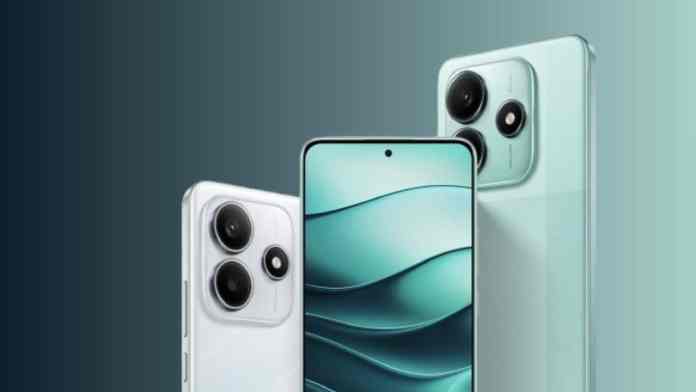
Xiaomi has officially unveiled the Redmi Note 14 5G in the Indian market. This launch isn’t just another phone hitting the shelves; it’s a direct challenge to the mid-range segment, packing specifications that demand attention. From a powerful new chipset to a camera system that punches above its weight, the Note 14 5G aims to deliver premium experiences without the premium price tag.

Display and Design: Built to Impress and Endure

First impressions matter, and the Redmi Note 14 5G makes a strong one. The phone features a large, 6.67-inch flat OLED display with a Full HD+ resolution. But the real magic lies in its smoothness and brightness. A 120Hz refresh rate ensures every swipe and scroll feels fluid, while a staggering peak brightness of 2100 nits means you can actually see the screen on a bright, sunny day.

Xiaomi hasn’t skimped on durability either. The front is protected by Corning Gorilla Glass 5, offering resistance against scratches and minor drops. The device is remarkably slim at just 7.99mm and carries an IP64 rating for dust and water resistance. This combination of sleek aesthetics and practical ruggedness makes it a phone designed for real-world use.

Performance and Software: Speed Meets Longevity

At the heart of the Redmi Note 14 5G is a significant debut: the MediaTek Dimensity 7025-Ultra system-on-chip. Built on a 6nm process, this processor promises efficient and powerful performance for gaming, multitasking, and daily use. The phone can be configured with up to 8GB of physical RAM, which can be virtually extended by another 8GB using storage space, keeping more apps ready in the background.

It runs on Xiaomi’s HyperOS, based on Android 14, promising a clean and responsive interface. More importantly, Xiaomi has committed to providing two major Android OS updates and four years of security patches. This software support pledge is a crucial factor for buyers looking to keep their device secure and up-to-date for years, transforming a purchase from a short-term gadget into a long-term investment.

Camera and Battery: Capture All Day

For photography enthusiasts, the Redmi Note 14 5G presents a compelling triple-camera setup on the rear. The star is a 50-megapixel Sony LYT-600 primary sensor equipped with Optical Image Stabilization (OIS). This should result in sharper, clearer photos and more stable video, especially in low light. It’s joined by an 8-megapixel ultra-wide-angle lens for capturing expansive scenes and a 2-megapixel macro camera for close-up details. Selfies are handled by a capable 20-megapixel front-facing camera.

Powering this experience is a substantial 5110mAh battery. Paired with the efficient chipset, this should easily deliver a full day of heavy use, whether you’re streaming, gaming, or browsing. When you do need to recharge, 45W fast charging support gets you back up to speed quickly, minimizing downtime.

Pricing and Final Verdict

The Redmi Note 14 5G is available in three configurations, making it accessible for different budgets. The base model with 6GB of RAM and 128GB of storage starts at Rs. 18,999. Stepping up to 8GB of RAM with 128GB storage costs Rs. 19,999, while the top-tier variant with 8GB of RAM and 256GB of storage is priced at Rs. 21,999.

So, who is this phone for? It’s a solid contender for anyone seeking a balanced smartphone that doesn’t compromise on key areas. The bright 120Hz OLED display, the promising new Dimensity processor, the OIS-equipped main camera, and the strong battery life create a well-rounded package. Combined with Xiaomi’s extended software support, the Redmi Note 14 5G makes a persuasive argument for being one of the most complete mid-range offerings of the season.

Continue Reading
Click to comment

Leave a Reply

Your email address will not be published. Required fields are marked *

How To

Samsung Galaxy S25 Launch Date Leaked: January 22 Event Rumored

Published

on

Samsung Galaxy S25 Launch Date Leaked: January 22 Event Rumored

The annual tech calendar has a new potential highlight. According to fresh leaks, Samsung is gearing up to unveil its next-generation flagship smartphones earlier than some might have expected. The Galaxy S25 series appears to be on a fast track to the spotlight.

The Leaked Launch Timeline

Mark your calendars for late January. Prominent tipster Abhishek Yadav has pointed to January 22 as the likely date for Samsung’s official Galaxy S25 series launch event. This timing aligns closely with the company’s recent release patterns.

Last year’s Galaxy S24 series debuted on January 17. A January 22 launch would place the S25 announcement just a few days later, suggesting Samsung is sticking to its early-year flagship strategy. Some whispers even mention January 23 as a possible alternative date, adding credibility to the late-January window.

What happens after the announcement? History suggests a short wait. Samsung typically begins global sales approximately two weeks following the launch event. This means eager customers in key markets, including India, could have their hands on the new devices by early to mid-February.

Meet the Galaxy S25 Lineup

Samsung’s flagship strategy remains consistent. The Galaxy S25 series is expected to comprise three distinct models: the standard Galaxy S25, the larger Galaxy S25+, and the top-tier Galaxy S25 Ultra. This trio caters to different user preferences and budgets.

The Ultra model, as always, is generating the most intense speculation. Early leaks suggest it could be a powerhouse for demanding users. Rumors point to a configuration boasting up to a massive 1TB of internal storage paired with 16GB of RAM. For multitaskers, content creators, and mobile power users, that’s a tantalizing prospect.

Design and Color Choices

Beyond raw power, Samsung seems focused on style. The company is reportedly preparing a vibrant palette for its new phones, with different color stories for the standard and Ultra models.

The Galaxy S25 and S25+ might arrive in a spectrum of eye-catching finishes. Leaked color names include Midnight Black, Sparkling Green, Moon Night Blue, Sparkling Blue, and Silver Shadow. These suggest a mix of classic elegance and modern flair.

The premium Galaxy S25 Ultra, however, is rumored to take a more sophisticated path. Its color options are expected to carry the “Titanium” moniker, echoing premium build materials. Think Titanium Black, Titanium Blue, Titanium Grey, and Titanium Silver. This distinction reinforces the Ultra’s position as the luxury offering in the range.

A Word of Caution

While the leaked January 22 date seems plausible, it’s crucial to remember this isn’t official. Tech leaks can be accurate, but they can also be educated guesses or outright mistakes. The only confirmation that matters will come directly from Samsung.

Until the company sends out official invitations or makes a statement, treat all dates and specifications as highly informed rumors. The wait for concrete details won’t be long if the January timeline holds true. The stage is being set for Samsung’s next big reveal.

Continue Reading

How To

Android Dating App Review: What Makes This Platform So Popular?

Published

on

Android Dating App Review: What Makes This Platform So Popular?

Remember when meeting someone new meant awkward introductions at social gatherings? Technology has rewritten those rules completely. Dating apps have transformed how people connect, and one Android platform in particular has captured significant attention. What exactly makes this app stand out in a crowded marketplace?

The shift toward digital connections isn’t just a trend—it’s become a fundamental part of modern social interaction. With countless options available, users gravitate toward platforms that offer simplicity, security, and genuine opportunities to meet others.

Key Features That Drive Popularity

This Android dating app succeeds by focusing on user-friendly design. The interface feels intuitive rather than overwhelming. You won’t find complicated menus or confusing navigation here.

Video calling functionality represents a major advantage. Connecting through video adds a personal touch that text messages simply can’t match. It bridges the gap between digital introduction and real-world connection.

Integration with existing social media accounts streamlines the setup process. Why reinvent your profile when you can build upon what already represents you authentically?

Getting Started: Account Creation Made Simple

Setting up your profile takes minutes rather than hours. The process follows three straightforward steps that anyone can complete.

First, download and install the application from the official source. The file size remains reasonable, ensuring quick installation even on devices with limited storage.

Next, open the app and choose your registration method. While creating a new account manually remains an option, most users prefer connecting their Facebook profile. This single-step verification imports your basic information automatically.

Finally, review the imported details. The app pulls your name, age, and profile picture from Facebook, creating an instant foundation for your dating profile. You can always customize these elements later, but having a starting point eliminates that initial blank-page anxiety.

Why Users Keep Coming Back

Beyond the technical features, this app understands human connection. The matching algorithm prioritizes compatibility over random pairings. You’re more likely to encounter people who share your interests and values.

Privacy controls give users confidence. You decide what information to share and when to share it. The platform doesn’t pressure you into revealing more than you’re comfortable with.

Regular updates keep the experience fresh. Developers actively respond to user feedback, implementing requested features and fixing reported issues promptly. This ongoing improvement cycle demonstrates commitment to user satisfaction.

Accessibility and Availability

Downloading the app requires just a few taps. The free version provides substantial functionality without hidden costs or surprise subscriptions. Premium features exist for those who want enhanced capabilities, but the core experience remains completely accessible.

Compatibility spans a wide range of Android devices. Whether you’re using a recent flagship model or an older smartphone, the app adapts to your hardware specifications. This inclusive approach welcomes users who might feel excluded by more demanding applications.

The disclaimer included with the app deserves attention. Developers position it clearly as entertainment software, emphasizing responsible use. This transparency helps set appropriate expectations about what the platform can and cannot provide.

The Future of Digital Connection

As dating continues evolving alongside technology, apps that prioritize genuine human interaction will likely maintain their appeal. This particular Android platform demonstrates how digital tools can facilitate rather than replace meaningful connections.

Its popularity stems from understanding what users truly want: simplicity, security, and authentic opportunities to meet others. The app removes technological barriers so people can focus on what matters—connecting with each other.

Will this remain the dominant dating app? Only time will tell. But its current success offers valuable insights into what modern daters prioritize when choosing their digital matchmaking tools.

Continue Reading

How To

Transfer Google Authenticator to a New Phone: A Complete 2024 Guide

Published

on

Transfer Google Authenticator to a New Phone: A Complete 2024 Guide

Getting a new phone is exciting. But that excitement can quickly turn to dread when you remember your two-factor authentication app is tied to the old device. Locked out of your email, bank, or social media? That’s a modern nightmare.

Thankfully, Google has made the transfer process surprisingly straightforward. With a few taps, you can move all your authentication codes securely. Let’s walk through exactly how to do it.

Step 1: Export Accounts from Your Old Phone

Start with the device that currently has Google Authenticator installed. You’ll need both phones handy for a moment.

Open the Authenticator app on your old phone. Tap the three-line menu icon in the top-left corner—often called the hamburger menu. From the list that appears, select “Transfer accounts.”

You’ll see two options: “Export accounts” and “Import accounts.” Choose export. The app will ask you to verify this action, as it’s a security-sensitive step. Once confirmed, you can select which specific accounts you want to move. Select them all if you’re doing a full migration.

A QR code will appear on your screen. Don’t close this screen yet. This barcode contains the encrypted data for all your selected accounts.

Step 2: Import Accounts to Your New Device

Now grab your new phone. If you haven’t already, download and install Google Authenticator from the App Store or Google Play Store.

Open the app on the new device. Go through the same menu: tap the three-line icon and select “Transfer accounts.” This time, choose “Import accounts.”

Your phone’s camera will activate. Point it at the QR code displayed on your old phone’s screen. Hold steady until the camera recognizes and scans the code.

That’s it. The app will process the data, and all your time-based one-time passwords (TOTP) will appear on your new device. The codes will continue to work on both phones temporarily. You can now safely remove the app from your old phone, or keep it as a backup—the choice is yours.

What If You’ve Already Lost Your Old Phone?

Accidents happen. Phones get lost, stolen, or break before you can transfer your authenticator. Don’t panic. There’s a recovery path, but it requires some legwork.

You’ll need to log into each service individually and reset your two-factor authentication. Start with your most critical accounts: primary email, password manager, and financial services.

For your Google account specifically, you can use a computer. Go to your Google Account security page. Under “2-Step Verification,” you’ll find an option to remove your old authenticator. You can then set it up fresh on your new phone by scanning a new QR code.

This process highlights why backup codes are essential. When you first set up 2FA on any service, they usually provide a set of one-time backup codes. Store these in a safe place—like a password manager or a printed sheet in a locked drawer.

Pro Tips for a Smooth Transition

Timing is everything. Perform the transfer when you have uninterrupted access to both devices and a stable internet connection. Rushing leads to mistakes.

Test immediately. After the transfer, try logging into one or two non-critical services with the codes from your new phone. Verify they work before you wipe the old device.

Consider a more robust solution. While Google Authenticator’s transfer feature is great, other apps like Authy or 1Password have built-in cloud sync. This means your 2FA seeds are backed up and can be restored to any device automatically. It’s a trade-off between convenience and having your authentication data stored by a third party.

Transferring your digital keys doesn’t have to be stressful. With Google’s updated tool, it’s a five-minute job that protects your digital life. Your accounts stay secure, and you get to enjoy your new phone without any login headaches.

Continue Reading

Trending