Connect with us

How To

Complete App Permission Manager Review: Take Control of Your Mobile Privacy and Data Security

Published

on

Understanding App Permission Manager: Your Privacy Guardian

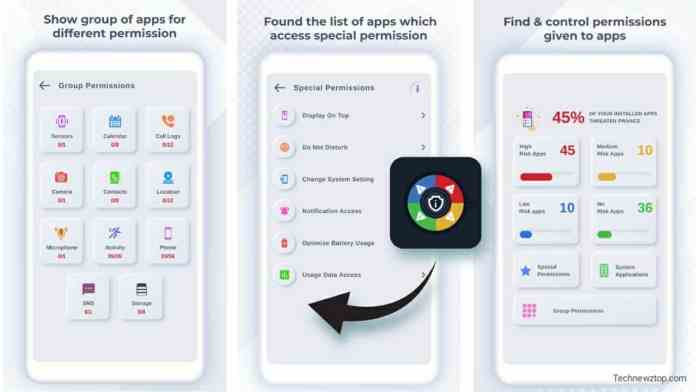
In today’s digital landscape, protecting your personal information has become more crucial than ever. The App Permission Manager emerges as an essential tool designed to help users monitor and control what data their installed applications can access. This powerful utility provides transparency into the permissions granted to various apps on your device.

However, many smartphone users remain unaware of the extensive permissions they’ve granted to applications during installation. This oversight can lead to potential privacy breaches and unauthorized data collection by malicious or overly intrusive apps.

Why App Permission Manager Matters for Your Digital Safety

Therefore, understanding the importance of permission management becomes critical for maintaining digital privacy. Every time you download an application, it requests specific permissions to function properly. These permissions might include access to your camera, microphone, location data, contacts, or storage.

Unfortunately, some applications request more permissions than necessary for their core functionality. This practice raises legitimate concerns about data misuse and privacy violations. An effective app permission manager addresses these concerns by providing users with detailed insights into their granted permissions.

In addition, regular permission auditing helps identify potentially problematic applications that might be collecting unnecessary personal information. This proactive approach significantly enhances your overall mobile security posture.

Installation and Setup Process

Getting started with an app permission manager requires following several straightforward steps. First, locate and download the application from your device’s official app store or trusted source. Once downloaded, the installation process typically takes just a few moments to complete.

Subsequently, launch the newly installed application by tapping its icon from your home screen or app drawer. The interface usually presents an intuitive dashboard displaying all installed applications alongside their respective permission statuses.

As a result, you’ll immediately gain visibility into which applications have access to sensitive device features. This transparency empowers you to make informed decisions about your privacy settings.

Key Features and Functionality

The core functionality of any reliable permission management tool centers around comprehensive oversight capabilities. Most applications in this category offer real-time monitoring of permission usage, allowing users to track when and how often apps access specific device features.

Building on this foundation, advanced features often include permission history logs, automatic alerts for suspicious activity, and batch permission management options. These capabilities streamline the process of maintaining optimal privacy settings across multiple applications.

On the other hand, some tools also provide detailed explanations of what each permission type means and why applications might require specific access levels. This educational component helps users make more informed decisions about their privacy preferences.

Managing Permissions Effectively

Effective permission management involves regularly reviewing and adjusting access levels based on your comfort level and actual usage patterns. Start by examining applications that have access to sensitive information like your location, camera, or personal files.

Consider whether each application truly needs the permissions it has been granted. For example, does a simple calculator app really need access to your contacts or camera? These questions help identify potentially unnecessary permission grants that could be revoked.

This process of permission optimization not only enhances privacy but can also improve device performance by reducing background processes and data usage. Regular maintenance ensures your device remains both secure and efficient.

Best Practices for Mobile Privacy Protection

Implementing robust privacy protection goes beyond just installing an app permission manager. Establish a routine of reviewing new app installations before granting extensive permissions. Read permission requests carefully and question whether each access level aligns with the app’s stated functionality.

As a result of this mindful approach, you’ll develop better awareness of potential privacy risks. Consider creating different user profiles or using app containers to isolate sensitive applications from others that might pose higher security risks.

Furthermore, keep your permission management tools updated to ensure they can detect and address the latest privacy threats. Regular updates often include improved detection capabilities and support for newer application types.

Taking control of your mobile privacy requires both the right tools and consistent vigilance. By leveraging an effective app permission manager and following security best practices, you can significantly reduce your exposure to privacy risks while maintaining the functionality you need from your favorite applications.

Want to learn more about mobile security? Check out our comprehensive guide on smartphone security tips and discover additional ways to protect your personal information. You might also find our article about Android privacy settings helpful for further securing your device.

Continue Reading
Click to comment

Leave a Reply

Your email address will not be published. Required fields are marked *

How To

Realme Neo7’s Massive 7000mAh Battery Revealed: Launch Date, Specs, and What to Expect

Published

on

Realme Neo7’s Massive 7000mAh Battery Revealed Ahead of Launch

Realme is gearing up to unveil its latest mid-range smartphone, the Realme Neo7, in China on December 11, 2024. Just days before the official event, the company has dropped exciting details about the phone’s colossal battery. The Realme Neo7 battery is set to be one of the largest ever fitted in a Realme device, promising exceptional endurance for heavy users.

Realme Neo7 Battery: A 7000mAh Powerhouse

The Realme Neo7 battery is expected to clock in at a whopping 7000mAh, developed in collaboration with battery giant CATL. This Titan battery is designed to deliver outstanding performance without adding excessive bulk. Impressively, the phone maintains a slim profile of just 8.5mm, making it both powerful and portable.

Building on this, Realme claims the device can last up to three days on a single charge under normal use. For media lovers, that translates to 23 hours of video playback, 22 hours of map navigation, and 89 hours of music playback. Additionally, the phone supports 14 hours of video calls, ensuring you stay connected throughout the day.

Gaming and Charging Performance

For gamers, the Realme Neo7 offers an impressive 8.5 hours of continuous gameplay in Honor of Kings at a steady 120fps. This level of endurance is rare in the mid-range segment, positioning the device as a strong contender for mobile gaming enthusiasts. The phone is already available for pre-order in China, with a starting price under CNY 2,499 (approximately ₹29,200).

Realme’s Future Battery Ambitions: 8000mAh and Beyond

As if the Realme Neo7 battery wasn’t impressive enough, leaks from tipster DigitalChatStation suggest Realme is testing even larger batteries for its 2025 flagships. The company is reportedly evaluating three new combinations:

  • A 7,000mAh battery with 120W fast charging — full charge in 42 minutes.
  • A 7,500mAh battery with 100W charging — full charge in 55 minutes.
  • An 8,000mAh battery with 80W charging — full charge in 70 minutes.

This means that while larger capacities may require slightly slower charging speeds, they still offer rapid top-ups. Although Realme hasn’t confirmed which models will feature these advancements, it’s safe to assume they will debut on premium devices. For more on Realme’s latest innovations, check out our coverage of Realme GT series updates.

In conclusion, the Realme Neo7 battery sets a new benchmark for mid-range smartphones, combining massive capacity with sleek design. With the official launch just days away, anticipation is high. If you’re considering an upgrade, the Neo7 could be a game-changer in terms of battery life. Stay tuned for our full review post-launch.

For related insights, explore our articles on best battery phones of 2024 and smartphone charging speeds compared.

Continue Reading

How To

Mastering Online Communication: A Complete Guide to Using the Internet for Chatting

Published

on

Mastering Online Communication: A Complete Guide to Using the Internet for Chatting

Have you ever wondered how people connect instantly across the globe? The answer lies in internet chatting, a technology that has transformed the way we communicate. Whether you are catching up with friends or collaborating with colleagues, understanding the basics of online chat can enhance your digital experience. This guide breaks down everything you need to know about using the internet for chatting, from text messages to face-to-face video calls.

What Is Internet Chatting and How Does It Work?

At its core, internet chatting refers to real-time communication between two or more people over the internet. This can happen through typed messages, spoken words, or live video feeds. The technology relies on a network of servers that route data between users, ensuring that conversations flow smoothly.

One of the oldest systems for this is Internet Relay Chat (IRC), a protocol that allows users to exchange text messages in channels or privately. IRC operates on a client-server model: you install a client program on your device, which connects to an IRC server. That server then relays your messages to other users connected to the same network. While IRC may seem dated, it remains popular among tech enthusiasts and open-source communities.

Today, modern apps like WhatsApp, Telegram, and Zoom have simplified the process. They handle the technical details behind the scenes, allowing you to focus on the conversation. To get started, you only need a stable internet connection and a compatible device, such as a smartphone, tablet, or computer.

Types of Internet Chatting: Text, Voice, and Video

Internet chatting has evolved beyond simple text. Today, you can choose from three main formats, each suited to different needs. Below, we explore each type in detail.

Text Chat: The Foundation of Online Communication

Text chatting is the most traditional and widely used method. It involves sending written messages back and forth in real time. Platforms like Facebook Messenger and WeChat excel at this, offering features like emojis, stickers, and file sharing. Text chat is ideal for quick updates, sharing links, or holding group discussions without interrupting your workflow.

One key advantage is that it requires minimal bandwidth. Even with a slow connection, you can send and receive messages almost instantly. Additionally, text conversations are easy to search and reference later, making them perfect for professional or academic settings. For a deeper look at secure messaging, check out our guide on WhatsApp encryption tips.

Voice Chat: Speaking Naturally Over the Internet

Voice chatting brings a human touch to online conversations. Instead of typing, you speak into a microphone, and your voice is transmitted to the other person in real time. This method is popular on platforms like Discord and Skype, especially for gaming, business meetings, or casual catch-ups.

To use voice chat, you need a microphone and speakers (or headphones). Most modern laptops and smartphones come with built-in microphones, so you may not need extra equipment. However, a stable internet connection is crucial. If your speed drops, the audio may cut out or lag. Unlike traditional phone calls, voice chat charges are based on data usage, not call duration, so it can be more cost-effective for long conversations.

Video Chat: Face-to-Face from Anywhere

Video chatting takes online communication to the next level by adding a visual element. With a webcam or built-in camera, you can see the person you are talking to, making conversations feel more personal. This is often called video conferencing, and it is widely used for remote work, online education, and virtual family gatherings.

Popular video chat apps include Zoom, Google Meet, and FaceTime. They require a camera, a microphone, and a reasonably fast internet connection—ideally at least 1 Mbps for standard definition. Many platforms now offer features like screen sharing, virtual backgrounds, and real-time captions, enhancing the experience. For more on setting up your device, read our article on recording calls and video chats.

How to Get Started with Internet Chatting

Ready to dive in? Here is a simple step-by-step approach to begin your internet chatting journey.

First, choose a platform that matches your needs. For quick text chats, try WhatsApp or Telegram. For voice and video, consider Skype or Zoom. Download the app or visit the website, then create an account using your email or phone number. Most services are free, though some offer premium features for a fee.

Next, ensure your hardware is ready. For text chat, any device works. For voice, check your microphone settings. For video, position your camera at eye level and ensure good lighting. Test your connection by running a speed test online; a download speed of at least 2 Mbps is recommended for smooth video calls.

Finally, start a conversation. Add a contact by their username, email, or phone number, then send a message or initiate a call. Most apps have intuitive interfaces, so you will learn quickly. Remember to respect privacy: avoid sharing personal information with strangers and use end-to-end encrypted apps when discussing sensitive topics.

Tips for a Better Internet Chatting Experience

To make the most of internet chatting, keep these practical tips in mind. First, use a reliable internet connection. Wi-Fi is convenient, but a wired Ethernet connection offers more stability for voice and video calls. If you are on mobile, switch to a 4G or 5G network when possible.

Second, minimize background noise. Use headphones with a built-in microphone to reduce echo, and mute yourself when not speaking in group calls. This ensures clear audio for everyone. Third, be mindful of your data usage. Video calls consume about 500 MB to 1 GB per hour, so monitor your plan if you have a cap.

Building on this, explore advanced features like screen sharing for presentations or virtual backgrounds for privacy. Many platforms also allow recording, which is useful for revisiting important discussions. For a comprehensive overview of online safety, refer to our guide on checking suspicious links to stay secure while chatting.

Common Challenges and How to Overcome Them

Even with the best setup, you may face issues. A common problem is lag or buffering during video calls. This often stems from a slow internet connection—try closing other apps that use bandwidth, such as streaming services or large downloads. If the problem persists, lower the video quality in the app settings.

Another challenge is compatibility. Some apps work better on certain operating systems. For instance, FaceTime is exclusive to Apple devices, while Zoom works across all platforms. Always check system requirements before installing. Security is also a concern. Use strong passwords, enable two-factor authentication, and avoid clicking on suspicious links sent during chats.

Therefore, staying informed about updates and best practices can prevent most issues. As technology advances, internet chatting will only become more seamless and integrated into our daily lives.

Continue Reading

How To

Border Light LED Wallpaper: Transform Your Android Screen with Vibrant Live Wallpaper Effects

Published

on

Border Light LED Wallpaper: Transform Your Android Screen with Vibrant Live Wallpaper Effects

Are you tired of a static, boring phone screen? The Border Light LED Wallpaper app offers a refreshing solution. This live wallpaper application brings dynamic, colorful light effects to the edges of your Android device. It is a simple yet powerful tool to make your phone stand out, especially in low-light settings.

What is the Border Light LED Wallpaper App?

This live wallpaper creates a glowing border around your screen. It displays revolving lights that dance along the edges, adding a lively touch to your device. The app works seamlessly on various phone models, both in lock and unlock mode. You can choose from multiple light styles to match your mood.

Key Features of the Border Light LED Wallpaper

The application offers several customization options. You can adjust the animation speed of the border light. A color picker lets you select any shade you prefer. The app also allows you to set a custom image as your wallpaper while keeping the border effect active. Furthermore, you can add your personal name in shining, colorful text.

Another useful feature is the ability to customize rounded corners. This ensures the border fits your device’s screen perfectly. Whether you have a notch display or a standard screen, the app adapts accordingly. TechNewzTop highlights that this app is designed for easy, single-click setup.

How to Download and Install the App

Downloading the border light app is straightforward. A direct download link is typically provided on the app’s official page or a trusted tech blog. Once downloaded, install the APK file on your Android device. After installation, open the app and select it as your live wallpaper from the settings menu.

Many users find the entire process takes less than a minute. The app is lightweight and does not consume excessive battery power. For a visual guide, you can watch the embedded video tutorial on the developer’s site. This step-by-step walkthrough ensures you get the most out of the edge lighting wallpaper.

Why Choose Border Light LED Wallpaper?

This application transforms an ordinary screen into an eye-catching display. The colorful lights make your phone look beautiful from all edges. At night, the effect resembles a bright star, shining vividly in the dark. It is an excellent way to personalize your device without installing complex software.

Moreover, the app works with both lock and unlock modes. This means the border light is always active, providing a consistent visual experience. Check out more Android apps for additional customization options. The developer, Md Guddu, has designed this app for users who want a quick and impactful screen upgrade.

In conclusion, the Border Light LED Wallpaper is a fantastic choice for anyone seeking a vibrant, customizable live wallpaper. Its ease of use and diverse features make it a standout option in the Android wallpaper market. Download it today and give your phone a fresh, illuminated look.

Continue Reading

Trending