Connect with us

Artificial Intelligence

The Android Show 2026: Gemini Intelligence, Googlebook, Android 17 Updates, and Everything Else

Published

on

The Android Show 2026: Google Unleashes Gemini Intelligence, Googlebook, and Android 17

Every year, Google front-loads its Android announcements in a separate pre-show the week before its annual I/O conference. This year, the company did exactly that, and The Android Show: I/O Edition was anything but a warmup act. Google showed up well prepared, with plenty of software and a major hardware announcement that took everyone by surprise. One by one, let’s talk about everything, including a deeply integrated AI overhaul, a long-overdue security upgrade, an Android Auto makeover that feels like it was designed for 2026, and a brand-new laptop category.

One thing is clear: Google wants to be the leading name in personalized AI, not just for businesses, but for the person unlocking their phone at 7 AM. Whether it’s Gemini Intelligence or a laptop built around Google’s AI layer, everything announced at the Android Show 2026 is surely going to haunt Apple’s AI division in its dreams.

Gemini Intelligence: AI Is No Longer an App — It’s an Operating Layer

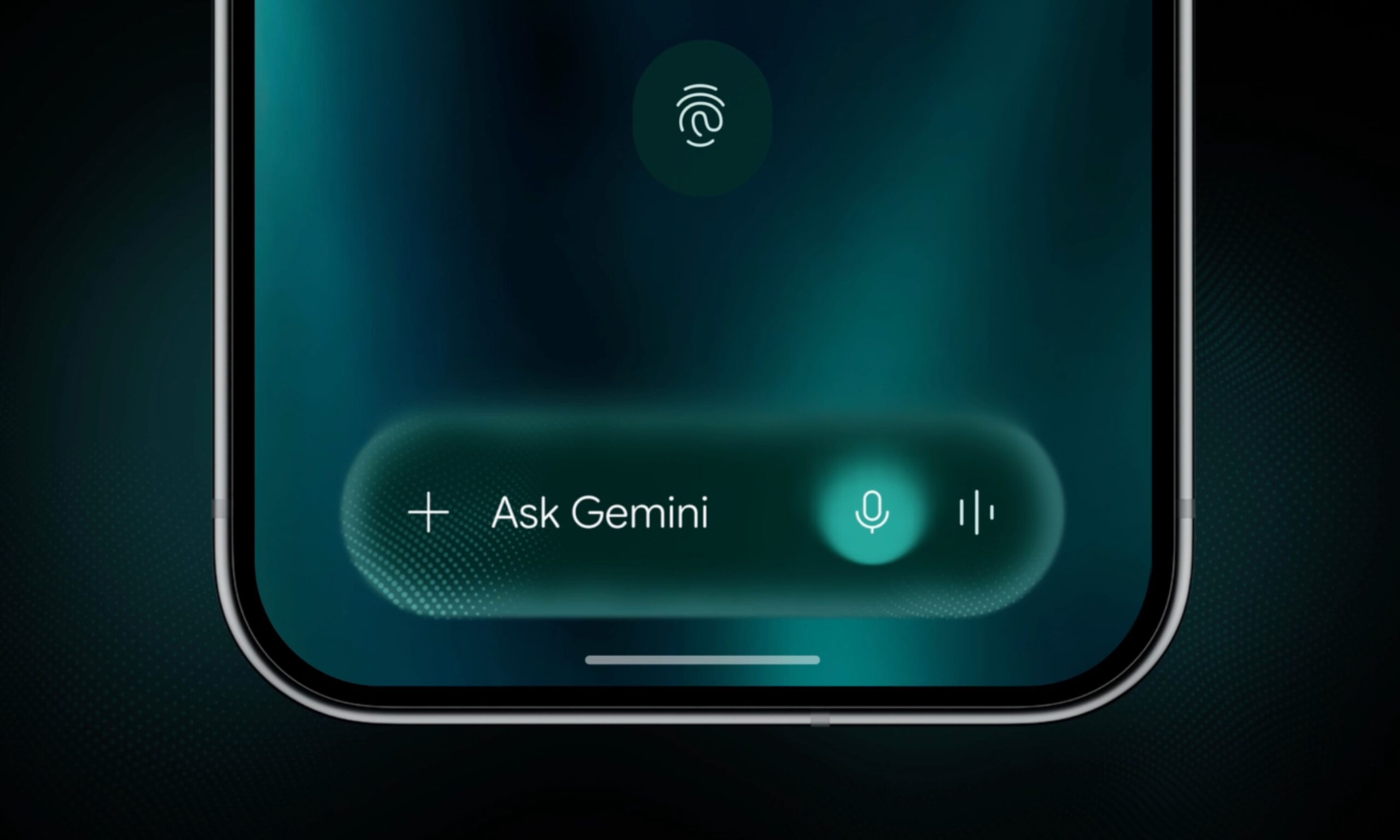
The biggest announcement of The Android Show 2026 was Gemini Intelligence. It’s basically the company’s new umbrella term for the most advanced AI features, acting as an intelligent layer between Google’s operating systems (for various devices) and you, the end user. The core idea here is for Gemini to work proactively on low-stakes multi-step tasks, either in the foreground or background, and get things done while you’re off doing something better.

Here’s how it works: with a grocery list in your notes app, invoke Gemini and ask the AI to build a delivery cart with the items from a particular app, so that you can check out later. Harnessing its on-screen awareness and control, Gemini Intelligence will add all the listed items to your cart, but stop short of placing the order, as that’s something that might require entering sensitive banking information. This is an intentional safeguard in place to make sure that Gemini is only performing the required tasks and not making decisions on behalf of you.

Currently, the AI layer can access native and third-party apps related to food delivery, ridesharing, and travel. Whether it works as intended or makes mistakes in its automated sessions is something we’ll find out this summer, when Gemini Intelligence rolls out to the Galaxy S26 and Google Pixel 10 series. It’s also coming to Wear OS, Android Auto, and Android XR, but those rollouts will follow later in the year.

Key Features of Gemini Intelligence

Gemini Intelligence also includes a couple of other highlights, including a smarter Autofill that can pull relevant details from your connected apps (like Gmail, Calendar, etc.) to fill out forms in Chrome (or elsewhere). It’s an optional feature, though, which means you can opt in to try and opt out if you don’t end up liking it. Google’s Gboard has got a new Rambler feature (yes, that’s a name) that cleans up your voice dictation, with all the awkward phrasing, pauses, and “ums,” in real-time. What’s even more interesting is that the feature can handle a mid-sentence switch in another language.

Gemini in Chrome for Android (built on Gemini 3.1) lets you pull up a contextual chatbot that can summarize, compare, and research the details in any webpage. There’s an auto-browsing agentic feature as well, which can take care of grabbing a parking spot near an event, which will only be available for AI Pro and Ultra subscribers. Both features require Android 12 or newer and will be available at the end of June. The company is also adding Nano Banana 2 to Chrome on Android. Last but not least, the Gemini Intelligence experience also includes “Create My Widget,” a vibe-coded widget builder, which lets you describe what your desired widget should do and puts Gemini to it (similar to Nothing’s Essential Apps).

Feature What it does Availability
Gemini Intelligence (core) Agentic AI layer across Android, Wear OS, Auto, XR, Googlebooks Summer 2026, Galaxy S26 and Pixel 10 first
Autofill with Google Pulls details from connected apps to fill forms in Chrome Opt-in, summer 2026
Gboard Rambler Cleans up voice dictation, removes filler words, and handles mid-sentence language switching Summer 2026
Gemini in Chrome (Gemini 3.1) Contextual chatbot on any webpage, connects to Gmail and Calendar End of June, Android 12+, all users
Auto-browsing in Chrome Handles tasks like grabbing a parking spot near an event End of June, AI Pro and Ultra subscribers only
Nano Banana 2 AI image generation and customization directly in Chrome TBA
Create My Widget Builds custom home screen widgets and Wear OS Tiles via natural language Summer 2026

Googlebook: Chromebooks Infused with the Goodness of Gemini Intelligence

The engineers at Google headquarters have decided that Gemini Intelligence shouldn’t be limited to Android phones, Wear OS watches, or your car’s Android Auto dashboard. They also want the entire agentic AI experience to be available in Chromebooks, opening up yet another new category of AI-infused devices called Googlebooks. Their pitch includes tight Android-laptop integration, the kind that Google has never quite pulled off before. I’m talking about accessing your phone’s files or gallery directly through a Googlebook, accessing and controlling the phone via the laptop’s screen, and creating custom widgets that suit your usage.

The DeepMind team has also come up with what I think is a simple yet innovative thing that has ever been done to the cursor on our screens: integrating Gemini AI for contextual suggestions and other text-based features like summarization. It’s called Magic Pointer (similar to Magic Editor on Pixel phones), and it’s the cleverest use of AI I’ve seen in a while. Clearly, Googlebook is a manifestation of the company’s long-running efforts to bring Android and ChromeOS under one roof. While “Aluminium OS” is just an internal codename, the final operating system powering Googlebooks doesn’t have a name yet, though I’m constantly hearing “GeminiOS” in my head.

The first batch of Googlebooks are coming this fall (between September and November), from manufacturers like Acer, Asus, Dell, HP, and Lenovo, each with the signature glowbar design. They’ll definitely feature some capable chips, as the on-device AI features would need some serious NPU power. For more on how AI is reshaping laptops, check out our guide on best AI laptops for 2026.

Android 17: What’s New for Your Phone

Along with Gemini Intelligence and Googlebook, the company announced plenty of updates for its upcoming Android 17 operating system. These include an improved Quick Share with AirDrop-style compatibility to Samsung, Oppo, OnePlus, Vivo, Xiaomi, and Honor this year, along with the ability to generate a QR code for sharing files to iOS via cloud. And yes, QuickShare is also coming to WhatsApp. To make switching between the platforms easier, Google and Apple have rebuilt the iOS-to-Android transfer process from scratch. It now includes passwords, photos, messages, apps, contacts, home screen layout, and eSIM, all of which move wirelessly (launching first on Galaxy S26 and Pixel 10).

While Noto 3D is the full 3D redesign of Android’s emoji library (a Pixel first addition), Pause Point is a new Digital Wellbeing feature, which lets you select an app that you use too much (it could have been Instagram for me, but I already uninstalled it), and Android forces a 10-second breather, with a breathing exercise or your favorite photos, before you can open it. Android 17 brings along several additions for creators. The Screen Reactions feature, for instance, lets you record yourself and your screen at the same time (arriving on Pixel this summer). Instagram for Android gets optimized tablet layouts, Ultra HDR compatibility on flagship devices, built-in video stabilization, and Night Sight.

While the Instagram Edits app is getting Smart Enhance for upscaling and Sound Separation for isolation of the audio tracks, an even bigger announcement is the arrival of Adobe Premiere Pro to Android this summer, especially for creators who have already been using the software on desktops. Rounding out the Android 17 announcement are a couple of security-related updates. Verified Financial Calls tackles bank spoofing by checking whether a call is active on the bank’s app, and hangs up automatically if it isn’t. Revolut, Itau, and Nubank are among the first in line to get the feature, and more banks will roll in later this year. Android’s Live Threat Detection system can now flag apps that forward your messages or abuse accessibility permissions to overlay hidden content on your screen. Dynamic signal monitoring, debuting in the second half of the year, catches apps that change or hide their icons before launching covertly. For a deeper dive into Android security, see our article on Android 17 security features explained.

Android Auto: An AI-Infused Overhaul for Your Car’s Dashboard

Android Auto has been coasting for a while, but the phone mirroring system is getting a visual overhaul using Material 3 Expressive. It can now adapt to any infotainment display shape or size, which, in my opinion, is a long-overdue fix for people with an odd car screen layout. Gemini Intelligence will also make its way to Android Auto later in the year. The headline feature here is Magic Cue, which allows Gemini to read your messages, Gmail, and Calendar, while you’re busy changing lanes, and generate a context-aware reply that you can send with a single tap.

Interestingly, Google wants you to order your meals from DoorDash, for pickup or delivery, all while sitting in the driver’s seat. Additional updates include customizable home screen widgets, support for Dolby Atmos audio, and FHD video streaming for apps like YouTube (don’t worry, it’s restricted to parking mode). Google Maps gets Immersive Navigation, with full 3D view for in-car turn-by-turn directions. And for cars with Google built in, the full Gemini rollout is already underway.

That’s more features than I can remember, but I’m more afraid of Google not remembering them. There have been times when the company announced something, but it took forever to ship, or didn’t ship at all, and hence, I’ll reserve my full enthusiasm until Gemini Intelligence actually works on a Pixel or Galaxy S series smartphone in my hand. That said, the ambition on display at the Android Show: I/O Edition is hard to ignore. The pieces, I’d say, are in place, and Google just needs to follow through for the rest of the year, and it will easily lead the personalized AI game. The main I/O keynote kicks off on May 19, 2026, and based on what just landed, the stakes are pretty high. For more coverage, check out our Google I/O 2026 preview.

Continue Reading
Click to comment

Leave a Reply

Your email address will not be published. Required fields are marked *

Artificial Intelligence

6 Things Gemini Intelligence Is About to Do Across Your Android Devices

Published

on

6 Things Gemini Intelligence Is About to Do Across Your Android Devices

Google is rolling out a major upgrade to its mobile ecosystem, and it revolves around Gemini Intelligence Android. This new layer of artificial intelligence promises to make your phone, watch, car, and even glasses far more proactive. Instead of waiting for commands, your device will anticipate needs, automate tedious tasks, and keep your data private. The first wave hits Samsung Galaxy and Google Pixel devices this summer, with other Android gadgets following later in the year. Here is what you can expect from this intelligent overhaul.

1. A Hands-On Assistant That Acts Without Repeated Prompts

Google is pushing Gemini beyond simple Q&A. With Gemini Intelligence, your phone will handle repetitive steps in everyday tasks, like ordering food or booking a ride. On upcoming devices such as the Samsung Galaxy S26 and Pixel 10, the system already learns from apps you use often.

For example, it can scan your Gmail for a class syllabus, then automatically add required books to your shopping cart. Or it might grab a bike for a spin class without you tapping through multiple screens. Visual context is also key: point your camera at a grocery list or travel brochure, and Gemini will turn it into an actionable task, like building a cart or finding a similar deal online. You stay in control, but the heavy lifting moves to the background.

2. Chrome Becomes a Smarter, More Proactive Browser

Starting in late June, Android users will see Chrome evolve. With Gemini Intelligence Android built directly into the browser, it will no longer just open tabs. Instead, it can summarize articles, extract key points, and compare information across pages automatically.

The standout feature, however, is auto-browse. Chrome can take over tedious online chores like booking appointments or sorting parking reservations. This sounds almost too convenient, but if it works as intended, it could genuinely reduce the effort spent on simple web tasks. Learn more about optimizing Chrome with AI.

3. Smarter Autofill That Understands Context

Android autofill is finally growing up. What used to be a simple shortcut for names and passwords is now powered by Gemini. Your device can understand context and pull relevant information across apps, including Chrome, to fill in those repetitive form fields.

The real win is for long, messy forms on a phone screen. Whether it is address details, booking info, or repetitive sign-ups, Android leans on your connected apps to fill gaps. Importantly, this is fully opt-in. You decide when it steps in, and you can switch it off anytime. This sensible approach respects your personal data while making mobile form-filling far less painful.

4. Voice Typing That Polishes Your Natural Speech

Voice typing on Android has always been useful but messy. Real human speech includes pauses, filler words, and mid-sentence changes. A new feature called Rambler, powered by Gemini, fixes this gap.

Instead of forcing you to speak perfectly, Rambler takes a forgiving approach. Talk naturally, and it intelligently picks out meaningful parts, stitching them into clean, readable messages. It even handles multilingual conversations, switching between English, Hindi, or a mix without issue. Audio is processed in real time for transcription and not stored, easing privacy concerns. This feels like having a patient editor inside your keyboard. Check our guide to mastering voice typing.

5. Widgets That You Build with Natural Language

Android widgets are getting a smart upgrade with Create My Widget. Instead of static blocks, you can now describe what you want in plain language, and Gemini builds a tailored widget. It could be weekly high-protein meal suggestions for your fitness routine, or a weather view showing only wind speed and rain for cycling.

The result is a home screen designed around your actual life. This extends to Wear OS, bringing the right information to your wrist at the right time. It is one of the most practical uses of Gemini Intelligence Android so far.

6. A Visual Makeover That Calms the Chaos

Google is also giving Gemini Intelligence a visual identity built on Material 3 Expressive. This new design language uses animations that guide your attention rather than fight for it. The goal is to calm the chaos modern smartphones tend to create.

What ties everything together is a bigger shift: Gemini Intelligence is not just adding AI features to existing tools. It is reshaping how those tools look, behave, and respond to you. From handling repetitive tasks in the background to building interfaces that adapt to your needs, Google is pushing toward a future where your device feels less like something you operate and more like a partner. If it all comes together, this could be one of those rare Android upgrades that genuinely changes daily use. Explore more Android tips and tricks.

Continue Reading

Artificial Intelligence

Google’s Next Chrome Update Brings Gemini AI to Android: A Smarter Browsing Experience

Published

on

Google’s Next Chrome Update Brings Gemini AI to Android: A Smarter Browsing Experience

Google is taking a significant leap forward with its Chrome browser on Android, integrating its advanced Gemini AI directly into the browsing experience. This update, rolling out in June, aims to transform Chrome from a simple page viewer into an intelligent assistant that helps you think, plan, and act more efficiently. The Google Chrome AI update is set to redefine how Android users interact with the web, making it more contextual and productive.

What Gemini Brings to Chrome on Android

At the core of this update is a more contextual version of Gemini embedded directly within Chrome. Instead of copying text or switching between apps, users can tap a Gemini icon to ask questions about the current webpage. This feature can break down long articles, simplify complex topics, and provide clearer explanations without leaving the page. It’s a shift toward a more intuitive and helpful browser experience.

Building on this, Google is pushing Gemini into productivity territory. The AI can now connect across Google’s ecosystem, allowing you to add events to your calendar, save recipe ingredients to Keep, or pull specific information from Gmail—all without interrupting your browsing flow. This focus on task completion makes the Google Chrome AI update feel genuinely useful for everyday activities.

Nano Banana: Unleashing Creativity

On the creative side, Google introduces Nano Banana, a feature that lets users generate and personalize visuals based on what they’re viewing online. In educational contexts, it can transform dense text into visual summaries, adapting content to how you prefer to consume it. This addition highlights Google’s commitment to making browsing both productive and engaging.

Furthermore, Chrome on Android is getting an auto-browse feature designed for repetitive tasks. For example, if you’re planning a trip, you can share an event, and Chrome will automatically gather relevant information like parking details. This Android browser feature quietly removes friction from daily browsing, handling tedious bits so you can focus on what matters.

Safety and Security in the AI Era

Google is also prioritizing safety with these new capabilities. The features are built with protections against emerging threats like prompt injection attacks, ensuring the AI isn’t tricked into harmful actions. This focus on security is crucial as AI-powered browsing becomes more integrated into our digital lives.

Additionally, users can expect a seamless experience that respects privacy while delivering powerful assistance. For more on how AI is shaping digital tools, check out our guide on AI productivity tools for everyday tasks.

Rollout and Availability

The rollout begins in June for select Android 12 or newer devices in the US. Auto-browse will initially be limited to AI Pro and Ultra subscribers on supported devices. As this Google Chrome AI update expands, it signals a shift from Chrome being just a browser to a proactive partner in how you get things done online.

To stay ahead of these changes, explore our tips on optimizing Chrome settings for better performance. The future of browsing is here, and it’s designed to help you achieve more with less effort.

Continue Reading

Artificial Intelligence

This Android Auto update is trying to change how you drive and use your car

Published

on

Android Auto update: how it changes your driving experience

Google’s latest Android Auto update is more than just a cosmetic refresh. As someone who relies on Android Auto daily, I can tell you this redesign feels like a genuine shift in how the system integrates with your car. Instead of a simple phone mirror, Google is aiming for a smarter, more intuitive co-pilot. The core of this change is the adoption of Material 3 Expressive design, which brings fluid animations, modern typography, and even wallpaper support to your dashboard. This makes the interface feel less static and more alive, especially when you are navigating busy streets.

Widgets make glanceable information a reality

One of the most practical additions in this Android Auto update is the introduction of widgets. Instead of tapping through multiple menus, you can now see key information at a glance. For example, weather updates appear directly on the home screen, and you can control smart home devices—like opening your garage door—with a single tap. This small change significantly reduces distraction, as you spend less time fiddling with the screen and more time focused on the road. It is a subtle but powerful improvement that makes daily drives smoother.

Immersive Navigation: a new way to see the road

Google Maps is getting a major boost with Immersive Navigation. This feature uses 3D models to show realistic views of buildings, overpasses, and terrain. It also highlights traffic lights, stop signs, and lane details, which is particularly helpful for complex intersections or highway merges. Instead of relying on abstract arrows, you get a visual representation of your surroundings. This reduces stress and helps you anticipate turns more naturally. Building on this, the system updates in real time, so you always have the latest road information.

How Immersive Navigation works in practice

When approaching a busy junction, the map zooms in to show a detailed 3D view. You can see exactly which lane to be in, and the system highlights potential hazards like pedestrians or cyclists. This makes navigation feel less like following instructions and more like having a conversation with the road. It is one of the most impressive aspects of the Android Auto update and sets a new standard for in-car navigation.

Entertainment and audio upgrades for parked moments

Google is also transforming how you use Android Auto when your car is stationary. Supported vehicles from brands like BMW, Hyundai, and Mercedes-Benz will allow full HD video playback at up to 60 fps from apps like YouTube. This turns your dashboard into a mini theatre, perfect for waiting in the car. However, safety remains a priority: once the car starts moving, video switches to audio-only mode. For audio enthusiasts, the Android Auto update includes support for Dolby Atmos spatial sound, creating a more immersive listening experience. This means that music, podcasts, and calls will feel richer and more detailed, especially in compatible vehicles.

Gemini AI: a smarter assistant for your car

Perhaps the most forward-looking change is the integration of Gemini AI. Google is positioning this as a voice-first assistant that can handle complex tasks. You can ask it to brainstorm ideas, explain dashboard warning lights, or even order food through services like DoorDash. For example, if a check engine light appears, you can ask Gemini what it means instead of panicking or searching forums. It also integrates with meeting apps like Zoom, allowing you to join calls hands-free, depending on regional availability. This makes the Android Auto update feel like a step toward a truly connected car experience.

Practical uses of Gemini in daily driving

Magic Cue is another feature that surfaces quick actions for incoming messages, so you can reply without typing. This reduces the urge to pick up your phone while driving. Additionally, Gemini can suggest routes based on your calendar or habits, making your commute more efficient. While these features are impressive, they will only be as good as their real-world execution. I am curious to see how reliably they work before fully trusting them with critical tasks.

For more insights on how technology is reshaping your commute, check out our guide on best car tech gadgets for 2025. You might also find our article on future of in-car entertainment useful.

Continue Reading

Trending