Connect with us

How To

Huawei’s Next Foldable Smartphone Set for Global Launch on December 12

Published

on

Huawei’s Next Foldable Smartphone Set for Global Launch on December 12

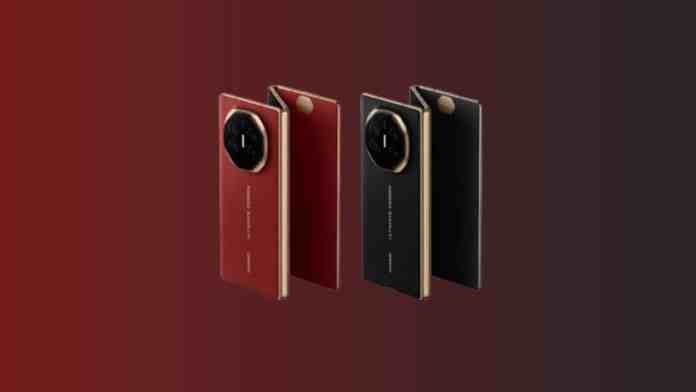
Huawei is gearing up to unveil its latest Huawei foldable smartphone on December 12 in Dubai. While the company has kept the exact name under wraps, industry insiders believe the device could be either the Huawei Mate X6 or the innovative Huawei Mate XT Ultimate. Both models have already made waves in China, thanks to their cutting-edge designs and impressive specifications.

This global launch marks a significant step for Huawei as it continues to expand its footprint in the premium smartphone market. The event is expected to draw attention from tech enthusiasts and industry analysts alike.

What to Expect from the Huawei December 12 Event

Huawei has confirmed that the upcoming device will be a flagship foldable, but details beyond the launch date remain scarce. Rumors strongly suggest two possibilities: the Mate X6, which debuted in China earlier this year, or the Mate XT Ultimate, a revolutionary tri-fold handset announced in 2024.

Either way, consumers can expect a device that pushes the boundaries of foldable technology. Huawei has a track record of delivering premium build quality and innovative features, and this launch is likely no exception.

Huawei Mate X6: A Foldable Powerhouse

If the Mate X6 is the star of the show, users are in for a treat. This device is packed with flagship-grade hardware designed to impress.

Display and Design

The Mate X6 features a 6.45-inch LTPO 2.0 outer screen that unfolds into a spacious 7.93-inch LTPO 2.0 inner display. Both screens offer a smooth 120Hz refresh rate, ensuring fluid scrolling and an immersive viewing experience.

Camera System

Photography enthusiasts will appreciate the triple rear camera setup: a 50MP primary sensor, a 40MP ultrawide lens, and a 48MP telephoto macro sensor. An infrared sensor adds extra functionality for low-light shots. Selfie cameras on both the outer and inner screens are 8MP each.

Battery and Charging

With a 5,200mAh battery and support for 66W fast charging, the Mate X6 is built to keep up with heavy usage. You can go from zero to full in under an hour.

Huawei Mate XT Ultimate: The Tri-Fold Innovation

On the other hand, the Mate XT Ultimate represents a leap forward in foldable design. Its tri-fold mechanism offers three distinct screen modes, making it one of the most versatile smartphones on the market.

Display Flexibility

The Mate XT Ultimate boasts a 6.4-inch outer screen, a 7.9-inch 2K dual display, and an astonishing 10.2-inch tablet mode screen. This adaptability allows users to switch between phone, tablet, and even a mini-laptop experience.

Camera Capabilities

The rear camera array includes a 50MP main sensor, a 12MP ultrawide lens, and a 12MP periscope telephoto lens for impressive zoom capabilities. An 8MP front camera handles selfies and video calls.

Battery Life

To power its larger display, the Mate XT Ultimate packs a 5,600mAh battery with 66W fast charging. This makes it ideal for users who demand all-day performance without compromise.

Why This Launch Matters for Huawei

This global release is crucial for Huawei as it aims to regain momentum in international markets. The company has faced challenges in recent years, but its foldable lineup continues to attract attention for its innovation and quality.

For more insights on foldable technology, check out our guide on the best foldable phones of 2025. You can also explore how Huawei compares to Samsung in the foldable space.

As December 12 approaches, all eyes will be on Dubai. Whether it’s the Mate X6 or Mate XT Ultimate, one thing is certain: Huawei is not backing down from the foldable race. Stay tuned for full coverage of the event and hands-on impressions.

Continue Reading
Click to comment

Leave a Reply

Your email address will not be published. Required fields are marked *

How To

Apple iPhone 17 Series: Release Date, Price, and All the Exciting Features Revealed

Published

on

Apple iPhone 17 Series: Release Date, Price, and All the Exciting Features Revealed

The buzz around the next generation of Apple smartphones is building fast. For anyone who follows iPhone 17 series rumors, the latest leaks paint a very clear picture of what to expect in 2025. From a radically slim design to a powerful new processor, the lineup promises to be a major leap forward. Here is everything we know so far about the upcoming devices.

Introducing the Ultra-Slim iPhone 17 Air

Perhaps the most talked-about addition to the iPhone 17 series is the new model reportedly called the iPhone 17 Air or iPhone 17 Slim. This variant is expected to be the thinnest iPhone Apple has ever produced. Leaks suggest a chassis made from a titanium-aluminum alloy, which would make it both lightweight and durable.

Building on this, the camera bump is rumored to be repositioned to the center of the back panel. The overall thickness is estimated to be between 5 mm and 6 mm. This design choice would create a sleek, minimalist look that stands out from previous generations.

Display and Durability Upgrades

The standard iPhone 17 is expected to feature a 6.3-inch display. Meanwhile, the Pro and Pro Max models will likely offer even larger, more advanced screens. However, a significant upgrade across the entire iPhone 17 series is the rumored 120Hz refresh rate. This would make scrolling, gaming, and general navigation feel incredibly smooth.

Furthermore, Apple may introduce a new scratch-resistant and anti-reflective coating. This would improve outdoor visibility and help keep the screen looking pristine over time. As a result, users can expect a more premium and durable experience right out of the box.

Performance Powered by the A19 Chipset

Under the hood, the iPhone 17 series is expected to be driven by the next-generation A19 chipset. This processor is designed to deliver unmatched performance and energy efficiency. Whether you are multitasking between heavy apps, playing graphics-intensive games, or streaming high-resolution video, the A19 chip should handle it all without stuttering.

In addition, the combination of the new chip and the 120Hz display will likely make the iPhone 17 a powerhouse for mobile gaming. Users can expect faster app launches, smoother animations, and better battery management compared to the current models.

iPhone 17 Series: Launch Date and Pricing

According to the latest leaks, Apple is planning to unveil the iPhone 17 series in late 2025. This follows the company’s typical launch schedule. The pricing structure is expected to cater to different segments of the market:

  • iPhone 17: Priced around Rs 80,000, this model is aimed at regular users who want a solid all-rounder.
  • iPhone 17 Pro: Expected to cost above Rs 1,20,000, targeting professionals and enthusiasts who demand premium features.
  • iPhone 17 Air: Likely to be the most expensive option due to its ultra-slim design and high-end specifications.

This means that the Air model could sit above even the Pro Max in terms of price. For those interested in the latest design trends, it will be the model to watch. You can also check out our detailed breakdown of the Google Pixel 9a for a comparison of upcoming flagship phones.

What This Means for Apple Fans

The iPhone 17 series is shaping up to be one of the most exciting releases in recent years. The introduction of the ultra-slim Air model gives consumers a fresh choice beyond the standard Pro and Pro Max. Combined with the performance boost from the A19 chipset and the smooth 120Hz display, these phones could set new benchmarks for the industry.

However, it is important to note that these details are based on leaks and rumors. Apple has not officially confirmed any specifications. As always, things could change before the official launch. For more insights, read our preview of the Xiaomi 17T Pro and other upcoming devices.

In conclusion, if you are planning an upgrade in late 2025, the iPhone 17 series should definitely be on your radar. Stay tuned for more updates as we get closer to the launch date.

Continue Reading

How To

How to Set Up and Use a Voice Lock Screen on Your Android Device

Published

on

How to Set Up and Use a Voice Lock Screen on Your Android Device

Have you ever wished your phone could unlock just by hearing your voice? A voice lock screen app makes this possible. Instead of typing a PIN or drawing a pattern, you simply speak a phrase. This guide walks you through everything you need to know — from downloading the app to setting it up securely. Whether you are new to Android or a seasoned user, this method adds a layer of convenience and security to your daily routine.

Why Choose a Voice Lock Screen for Your Android Phone?

Traditional lock screens rely on something you know (a password) or something you have (a fingerprint). A voice lock screen introduces something you are — your unique vocal print. This means that even if someone watches you type your password, they cannot mimic your voice pattern accurately. It is a hands-free solution that works well while driving, cooking, or when your hands are full. Moreover, it adds a futuristic feel to your device without requiring expensive hardware.

Voice Lock vs. Pattern Lock: Which Is Better?

Both options have their place. A pattern lock is visual and quick, but it can be guessed or observed. A voice lock, on the other hand, relies on audio biometrics. However, voice locks may struggle in noisy environments. The best approach is to use both: set a pattern as a backup and enable voice unlock for convenience. Many apps allow you to toggle between them easily.

How to Download the Voice Lock Screen App

Getting started is straightforward. Open the Google Play Store on your Android device. Search for “voice lock screen” or use a specific app like Technewztop Voice Lock. Look for an app with high ratings and positive reviews. Tap “Install” and wait for the download to finish. Once installed, you will see the app icon on your home screen or app drawer.

Alternatively, you can visit the official website of the developer to get a direct download link. Always ensure you download from trusted sources to avoid malware. After installation, grant the necessary permissions — the app will need access to your microphone and device administrator rights to function correctly.

Step-by-Step Guide to Setting Up Your Voice Lock

Once the app is installed, follow these steps carefully. The process is simple and takes less than five minutes.

Step 1: Open the App and Choose Your Lock Type

Launch the app. You will see two main options: Pattern Lock and Voice Lock. Select Voice Lock to proceed. If you prefer a hybrid approach, set the pattern first and then enable voice as an additional unlock method.

Step 2: Record Your Voice Command

The app will ask you to record a phrase. Speak clearly and naturally. Use a phrase that is easy for you to remember but hard for others to guess. For example, “Open sesame” or “My private phone.” Repeat the phrase twice so the app can create a reliable voice model. Avoid background noise during recording for best results.

Step 3: Confirm and Test Your Voice Lock

After recording, the app will ask you to unlock using your voice. Say the same phrase. If the app recognizes it, the lock is active. If not, re-record until the app responds consistently. You can also adjust sensitivity settings in the app menu — higher sensitivity means stricter matching, while lower sensitivity allows more lenient recognition.

Step 4: Set a Backup Unlock Method

Always set a pattern or PIN as a fallback. Voice recognition can fail due to a sore throat, noisy surroundings, or app glitches. A backup ensures you are never locked out of your own phone. Most voice lock apps prompt you to create a backup during initial setup.

Tips for Maximizing Voice Lock Security

To get the most out of your voice lock screen, keep these pointers in mind. First, re-record your voice every few months. Your voice changes slightly over time, and updating the sample improves accuracy. Second, avoid using common phrases like “Hello” or “Okay” — they are easy for others to mimic. Instead, use a unique combination of words. Third, test the lock in different environments: at home, in a car, and outdoors. This helps you understand its limitations.

Additionally, enable notifications for failed unlock attempts. If someone tries to break in, you will know. Some apps also offer a “panic mode” where saying a specific word triggers an alarm or locks the phone completely. Explore these advanced features in the app settings.

Sharing the App with Friends and Family

Once you have set up your voice lock, consider sharing the app with others. It is a great conversation starter and a practical tool for elderly family members who struggle with remembering passwords. Send them the Play Store link or show them how it works on your phone. They will appreciate the added security and ease of use. Remember, phone security apps are only effective when used correctly, so offer to help with the setup if needed.

Final Thoughts on Using a Voice Lock Screen

Adopting a voice lock screen is a smart move for anyone who values both security and convenience. It eliminates the need to remember complex passwords and speeds up access to your phone. While no system is perfect, combining voice unlock with a pattern lock creates a robust defense against unauthorized access. Download the app today, follow the steps above, and enjoy a new level of phone protection. Do not forget to share this guide with friends who might benefit from it.

For more tips on securing your Android device, check out our comprehensive security guide or explore other useful Android apps that can enhance your daily experience.

Continue Reading

How To

How to Share Private Videos on YouTube: A Complete Step-by-Step Guide for Secure Sharing

Published

on

How to Share Private Videos on YouTube: A Complete Step-by-Step Guide for Secure Sharing

When you need to share a video with a select group of people, YouTube offers a powerful but often overlooked feature: private video sharing. Instead of relying on cloud storage or unsecured links, you can share private videos on YouTube with complete control over who sees them. This guide walks you through the entire process, from upload to viewing, ensuring your content stays confidential.

Why Choose YouTube for Private Video Sharing?

Many users automatically turn to Google Drive or Dropbox for sharing videos privately. However, YouTube provides a unique advantage: it handles video compression and streaming automatically, making playback smooth on any device. Additionally, YouTube’s privacy settings are robust—once you set a video to private, only invited users with a Google account can watch it. This eliminates the risk of accidental public exposure or link sharing.

For small-scale sharing among friends, family, or colleagues, YouTube’s private sharing is both free and efficient. It also integrates seamlessly with other Google services, simplifying the user experience.

Step 1: Upload Your Video to YouTube

To get started, sign in to your YouTube account. Click the camera icon with a plus sign at the top-right corner of any page, then select “Upload Video.” You can either drag and drop your file or browse your computer to select it.

While the video processes, you can add a title, description, and tags. These details help you organize your content, but they won’t affect privacy—only the visibility setting matters for who can see the video.

Step 2: Set the Video to Private

Once your video is uploaded, look for the “Visibility” dropdown menu on the right side of the screen. Click it and choose “Private” from the options. This ensures that no one except the people you explicitly invite can find or watch the video.

After selecting private, a blue prompt labeled “Share Privately” will appear. Click on it to proceed. This is where you control access by adding email addresses. Only users logged into YouTube with those email addresses will be able to view the content.

Step 3: Add Recipients’ Email Addresses

In the “Share Privately” section, type the email addresses of your intended viewers. You can add multiple recipients, one at a time. Once you’ve entered all addresses, click “Done” to save your list.

You’ll see the email addresses listed under the Private setting. Double-check that they are correct, then confirm your settings. The video is now shared privately with your chosen audience. They will receive an email notification with a link to the video.

It’s important to note that recipients must be signed into YouTube with the exact email address you provided. If they use a different account, they won’t be able to access the video.

How to Watch a Private YouTube Video

If someone shares a private YouTube video with you, accessing it is straightforward. Check your email inbox for a message from YouTube containing a thumbnail image of the video. If you don’t see it, look in your Spam, Trash, or Archive folders. You can also search your email for “YouTube” to locate it quickly.

Click the image in the email to open the video on YouTube. As long as you’re logged into the correct Google account, the video will play normally. Keep in mind that comments are disabled for private videos, so you won’t be able to leave feedback directly on the platform.

Comparing YouTube Private Sharing with Other Platforms

While YouTube’s method requires a few extra steps compared to generating a simple link on Google Drive, it offers superior security. Links can be forwarded or guessed, but private YouTube videos are locked to specific email addresses. This makes it an excellent choice for sensitive content, such as family moments, internal business training, or personal projects.

On the downside, YouTube compresses videos, which may reduce quality. If you need to share uncompressed, high-resolution files, cloud storage might be better. However, for most users, the convenience and control of YouTube’s private sharing outweigh this limitation.

Ultimately, the best platform depends on your priorities. If you value security and ease of playback, share private videos on YouTube for a reliable, cost-free solution. For more tips on managing your digital privacy, check out our guide on how to hide WhatsApp blue ticks and how to check suspicious links before clicking.

Final Thoughts

Sharing private videos on YouTube might seem more involved than using other services, but the added privacy is worth the effort. By controlling access through email addresses, you ensure that only intended viewers can watch your content. Whether you’re sharing a family video or a work presentation, this method keeps your footage secure.

Give it a try next time you need to share a video privately. The process is simple, free, and highly effective for maintaining control over your digital content.

Continue Reading

Trending