Google is quietly buying Android app code from developers to supercharge its AI coding models
Google has started reaching out to a select group of Android developers with an unusual proposal: cash for their code. As first reported by 404 Media, the tech giant is inviting certain Google Play developers to join what it calls a “confidential content offer pilot.” The email frames the deal as a straightforward revenue opportunity, stating that participants can “get paid for sharing the code powering your apps, as well as your archived projects.”
But is this really just about giving developers extra income? The fine print tells a different story.
What Google really wants: training data for AI coding models
On the surface, the offer seems generous. Google assures developers they retain full intellectual property rights, and the license is non-exclusive. However, a link buried in the email leads to a page titled “partnerships to improve our AI products.” There, Google openly states it is paying for “non-public content in a range of media formats” to enhance its artificial intelligence models.
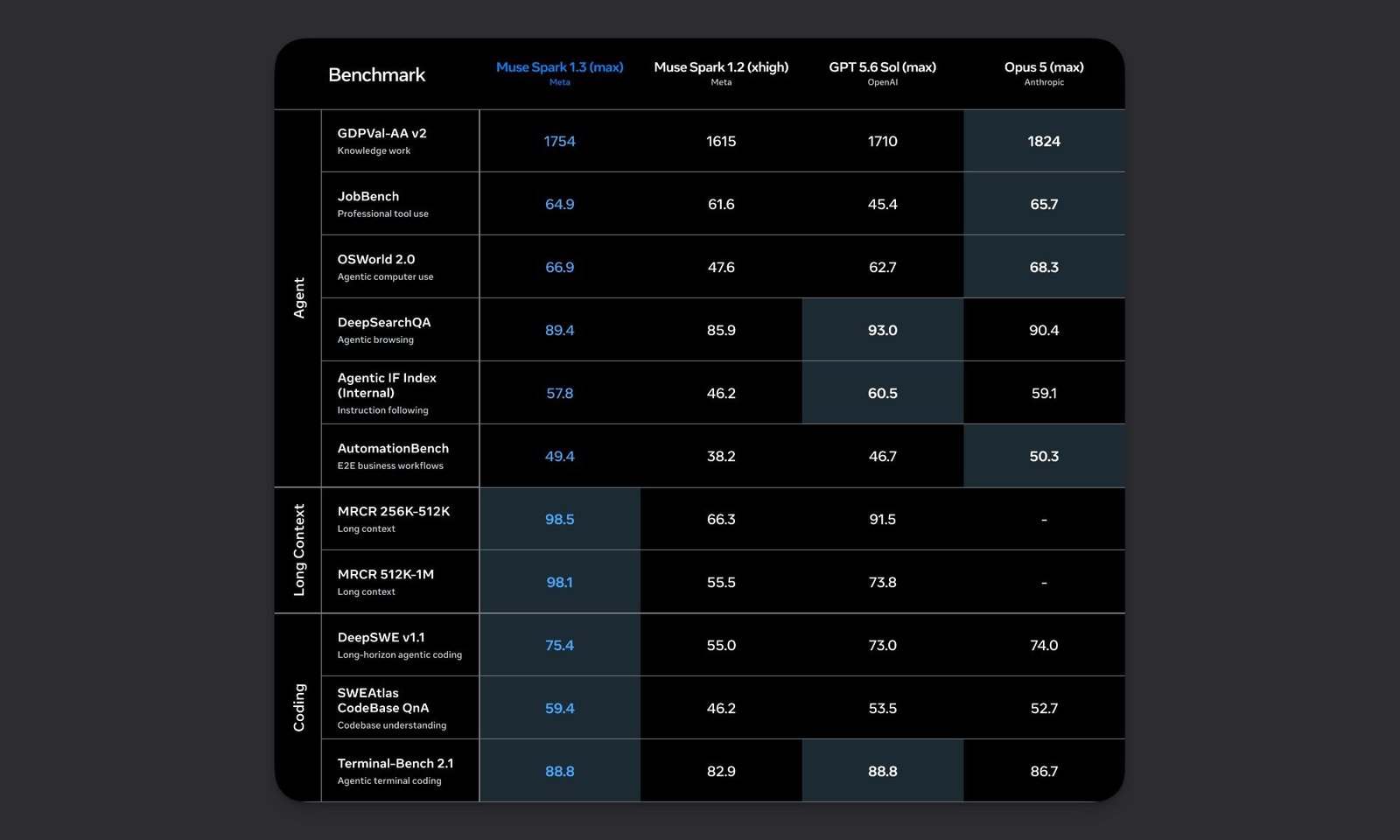
Connecting the dots is straightforward. Google’s Gemini has made impressive strides in image and text generation, but its coding capabilities lag behind competitors. Meanwhile, Anthropic has ridden the success of Claude Code to a valuation higher than OpenAI. OpenAI itself launched its own Codex app, targeting developers directly. At the recently concluded Google I/O, the company showcased its Antigravity 2.0 IDE, which can create entire apps from scratch.
This means that Google is eager to train its AI with real-world code to close the gap. Buying actual app code from developers is a fast track to improving its coding tools without having to scrape the web or rely solely on synthetic data.
Is there anything wrong with this approach?
At first glance, the deal appears fair. Developers keep their intellectual property, the license is non-exclusive, and they get paid. That’s a far cry from the practices of many AI companies that have trained models on hundreds of thousands of books and online publications without permission or compensation.
However, the lack of transparency in Google’s email is worth scrutinising. Framing an AI data acquisition program as a simple “revenue opportunity” without explicitly mentioning artificial intelligence feels like the company is hoping developers won’t ask too many questions. This is a common tactic in the tech industry, where companies often downplay the ultimate use of data to avoid pushback.
Building on this, the long-term impact on developers could be significant. Once Google trains its models on real app code, those same AI tools might eventually replace the need for human developers in certain tasks. While the immediate payment is welcome, developers may be helping to build the very tools that could reduce their future earning potential.
How Google’s pilot compares to industry trends
Google is not alone in seeking high-quality code for AI training. Companies like OpenAI and Anthropic have long used public code repositories, but they also rely on proprietary data. Google’s approach is more direct: it is paying developers for access to private, non-public code that is likely cleaner and more structured than what is available on the open web.
This strategy could give Google an edge in the race to build the best AI coding assistant. The company’s Gemini model has been criticised for being behind in code generation compared to Claude Code and ChatGPT’s Codex. By acquiring real-world code, Google can fine-tune its models to handle a wider variety of programming languages, frameworks, and real-world use cases.
Nevertheless, the ethical implications are complex. While developers are compensated, the lack of clarity in the initial email could erode trust. Google would be wise to be more upfront about the purpose of the pilot, especially given the growing scrutiny around AI training data practices.
What developers should consider before signing up
If you are an Android developer who receives this email, there are several factors to weigh. First, the payment terms: how much is Google offering, and is it a one-time payment or ongoing? Second, the scope of the license: while non-exclusive, what exactly can Google do with your code? The email does not specify whether Google can use the code to train models that compete directly with your own apps.
Third, consider the competitive landscape. By sharing your code, you might be helping Google build a tool that could make your own skills less valuable in the long run. That said, for many independent developers, the immediate cash injection could be a lifeline.
For more insights on how AI is reshaping the developer landscape, check out our guide on AI coding tools in 2025 and learn about Android development trends.
Final thoughts: a calculated move in the AI arms race
Google’s confidential content offer pilot is a calculated move in the ongoing AI arms race. It is not inherently unethical — the company is offering payment, respecting intellectual property, and being transparent in its linked terms. However, the lack of upfront disclosure about AI training in the email itself raises eyebrows.
As AI coding tools become more sophisticated, the value of human-written code may shift. For now, developers have a choice: take the money and help train the next generation of coding assistants, or keep their code private and watch from the sidelines. Either way, the landscape is changing fast.






 CyberSecurity7 months ago
 How To6 months ago
 How To6 months ago
 How To4 months ago

 How To5 months ago
 How To7 months ago
 Social Media7 months ago