Connect with us

How To

JioPhone Next Review: The Budget Android Phone That Captured India’s Attention

Published

on

JioPhone Next Review: The Budget Android Phone That Captured India’s Attention

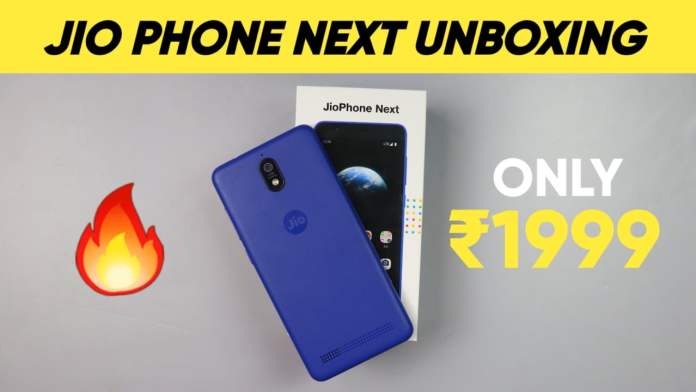
Remember the buzz in late 2021? A new phone was on the horizon, promising smartphone features at a price that seemed almost too good to be true. That phone was the JioPhone Next. It wasn’t just another device; it was positioned as a gateway to the digital world for millions. Let’s look back at what made this affordable Android phone a topic of such intense discussion.

What Was the JioPhone Next?

Announced as a collaboration between Reliance Jio and Google, the JioPhone Next aimed to bridge the digital divide. Its mission was clear: deliver a capable, internet-ready smartphone experience to first-time users at an incredibly accessible price point. The anticipation was palpable. For many, this represented a first real step into the smartphone era.

The official launch was set for November 4, 2021. That date was circled on calendars across India, especially in smaller towns and rural areas where affordable technology can be transformative. The promise wasn’t just about hardware; it was about access.

Key Features and Specifications

For a phone priced at just ₹1,999, the JioPhone Next packed a surprising punch. It was designed to handle the essentials without overwhelming new users.

Display and Performance

The device featured a 5.45-inch HD+ display with a resolution of 720 x 1440 pixels. This screen size was practical—large enough for watching videos and browsing, yet compact and easy to handle. Under the hood, it ran on a Qualcomm QM215 processor paired with 2GB of RAM. This combination was tailored for basic tasks: messaging, light web browsing, and essential apps, ensuring a smooth entry-level experience.

Camera and Storage

Photography is a cornerstone of the modern phone experience. The JioPhone Next included an 8MP front camera for selfies and video calls, and a 13MP rear camera for everyday photos. While not competing with flagship models, it provided decent quality for social sharing and memories. With 16GB of internal storage, users had enough space for apps, photos, and media, with the option to expand via a microSD card.

Battery and Software

A 3500mAh battery promised all-day usage, a critical feature for users who might not have constant access to charging. The phone ran a optimized version of Android, co-developed with Google. This software was a highlight, featuring built-in language translation, a screen reader, and other assistive technologies designed specifically for the Indian market.

Why It Mattered: The Value Proposition

The JioPhone Next’s significance went beyond its spec sheet. Its real achievement was in its positioning. At its price, it undercut nearly every other Android smartphone on the market while offering a legitimate, Google-backed experience.

Think about the user it targeted. Perhaps someone upgrading from a basic feature phone, or a family buying a first smartphone for a student. For them, features like a good-quality camera for school projects, a battery that lasts through the day, and access to WhatsApp and YouTube were revolutionary. It removed the biggest barrier to entry: cost.

The phone also arrived with strong carrier support from Jio, often bundled with affordable data plans. This ecosystem approach—device, software, and network—was key to its strategy. It wasn’t just selling a phone; it was onboarding users to the internet.

Final Thoughts on a Budget Pioneer

Looking back, the JioPhone Next served as an important milestone. It proved there was massive demand for thoughtfully designed, ultra-low-cost smartphones. While technology has marched on, with newer models offering more power, the JioPhone Next’s legacy is its focus on accessibility.

It demonstrated that a phone doesn’t need flagship specs to be impactful. Sometimes, the right features at the right price can open doors for an entire segment of the population. For a generation of new internet users in India, this little phone was likely their first window to a much wider world.

Continue Reading
Click to comment

Leave a Reply

Your email address will not be published. Required fields are marked *

How To

WhatsApp Android Beta Gets Enhanced Media Picker for Faster Sharing

Published

on

A Smarter Way to Share on WhatsApp

Sharing photos, videos, and documents on WhatsApp is about to get a significant upgrade. The messaging giant is currently testing an enhanced media picker in its Android beta app. This isn’t just a minor tweak; it’s a complete overhaul designed to make finding and sending files a seamless experience.

For beta testers, the new interface promises to eliminate the friction of scrolling through endless galleries. The goal is simple: get the right file to the right person, faster and with more confidence than ever before.

Key Features of the New Media Picker

The enhanced picker brings several practical improvements that address common user pain points. The most noticeable change is the visual layout. Media now appears in a clean grid format, making browsing your photo and video library quicker and more intuitive.

But the real game-changer is the preview function. Ever sent the wrong screenshot or an unintended video? This feature aims to solve that. You can now preview images and videos directly within the picker before hitting send, ensuring you’re sharing exactly what you intend to.

Better Organization and Document Access

Finding a specific file can be a chore. The updated tool tackles this by providing direct access to your device’s folder structure. Need a document from your Downloads folder or a specific album? You can navigate to it without leaving WhatsApp.

This improved organization extends to document sharing. The picker now integrates with your device’s file manager, making it effortless to locate and send PDFs, spreadsheets, or presentations. It’s a boon for professionals who rely on WhatsApp for quick, collaborative exchanges.

What This Means for Users

This beta rollout follows WhatsApp’s standard development process. A select group of users gets to test the new functionality, providing valuable feedback that helps refine the feature before a wider public release. It’s a sign that WhatsApp is actively listening to user needs, focusing on the core mechanics of sharing that billions rely on daily.

The enhanced media picker represents a shift towards more thoughtful, efficient communication tools. By streamlining selection, adding previews, and improving file access, WhatsApp is making the simple act of sharing media feel modern and effortless.

Continue Reading

How To

Photo Recovery App: Why This Android Tool Excels at Restoring Deleted Files

Published

on

Your Accidental Deletion Doesn’t Have to Be Permanent

We’ve all been there. That moment of panic when you realize you’ve deleted precious photos. Maybe it was a swipe too many while clearing space, or perhaps you were overzealous during a storage cleanup. Whatever the reason, losing important images feels like losing pieces of your personal history.

What if you could get them back? Not just recent deletions, but photos from months or even years ago? That’s exactly what this specialized Android application promises to deliver.

How This Recovery Tool Stands Apart

Most recovery apps offer basic functionality, but this application takes a different approach. It’s built specifically for Android devices, understanding the unique file structures and storage methods these phones use. The developers have tested it across numerous Android models to ensure compatibility isn’t just a promise—it’s a guarantee.

What truly sets it apart is its scanning capability. While other apps might give up on older deletions, this tool digs deeper. It can locate files that have been missing for extended periods, potentially recovering photos you thought were gone forever.

Free Scanning with No Hidden Costs

Many recovery tools lock basic features behind paywalls. This application takes the opposite approach. You can scan your device completely free of charge. See what’s recoverable before committing to anything. The transparency is refreshing in an industry often filled with surprises.

The scanning process itself is remarkably fast. Within seconds, you’ll see a list of recoverable files. Each item shows its original quality and size—no compression, no downgrades. What you recover is exactly what you lost.

Specialized Features for Modern Needs

Smartphone photography has evolved, and so have our storage habits. This app recognizes that we don’t just lose photos from our camera rolls anymore. WhatsApp images, which often hold sentimental value from conversations with loved ones, receive special attention.

The restoration process creates organized files so you can easily locate your recovered images. No digging through confusing folders or trying to remember file names. The app handles the organization for you, making the entire experience surprisingly straightforward.

Why Regular Backups Aren’t Enough

We all know we should back up our photos. The reality? Life gets busy. Between work, family, and daily responsibilities, creating regular backups often falls through the cracks. This app serves as a safety net for those inevitable moments when our good intentions don’t match our actions.

Even if you’re diligent about backups, accidents happen. Storage devices fail. Cloud services experience glitches. Having a reliable recovery tool on your phone provides an additional layer of protection for your digital memories.

Getting Started with Recovery

The application is completely free to download and use. There are no subscription fees or hidden charges. You can find it through standard app distribution channels. Installation takes just moments, and the interface guides you through the recovery process step by step.

Remember that recovery success depends on several factors, including how long ago files were deleted and what storage activity has occurred since. The sooner you attempt recovery after deletion, the better your chances. But don’t assume older files are unreachable—this app has surprised many users with what it can resurrect.

Your photos represent moments you can’t recreate. Birthdays, vacations, spontaneous laughs with friends—these visual memories deserve protection. While careful management and regular backups remain important, having this recovery tool on your device offers peace of mind. It’s the digital equivalent of keeping a spare key.

Continue Reading

How To

WhatsApp Chat Transfer Feature: A New Beta Process for Android Users

Published

on

WhatsApp Chat Transfer Feature: A New Beta Process for Android Users

Switching to a new phone can feel like a chore. Backing up chats, waiting for uploads, and hoping the restore works perfectly. WhatsApp seems to be listening. A new process for transferring your chat history is in the works, and it promises to cut out the middleman.

Currently in development for Android beta users, this feature aims to make moving your conversations a direct, device-to-device affair. Forget about relying on cloud storage for this specific task. This is a peek under the hood at how WhatsApp wants to simplify one of the most common user headaches.

How the New WhatsApp Chat Transfer Will Work

The core of this new method is a simple QR code scan. According to details shared by WhatsApp news tracker WABetaInfo, the process is designed to be intuitive. You won’t need to dig through complex settings.

On your new Android phone, you’ll initiate the transfer. The app will generate a QR code on the screen. Then, you grab your old phone, open WhatsApp, and navigate to the chat transfer section. Point your old phone’s camera at the QR code displayed on the new device.

That’s essentially it. The two devices connect directly. Your old phone will show a ‘Move chats from old phone’ prompt, while the new one guides you to ‘Scan QR code with old phone’. Once scanned, your entire chat history begins migrating over the local connection.

Key Benefits Over the Old Backup Method

Why is this a big deal? The current standard method involves backing up your chats to Google Drive and then restoring them on the new device. That process works, but it has dependencies.

You need a stable internet connection for both upload and download. You need sufficient Google Drive storage space. There can also be sync delays or version conflicts. The new direct transfer method sidesteps all of that.

It creates a peer-to-peer link between your phones. This should, in theory, be faster since data isn’t traveling to and from a remote server. It also offers more immediate control. You see the transfer happen right in front of you, without wondering if your backup completed hours ago.

Current Status and Availability

It’s crucial to manage expectations. This feature is firmly in the development phase. It was spotted in the WhatsApp beta for Android version 2.23.2.7. Even users enrolled in the Google Play Beta Program cannot actively use it yet.

The functionality is still being built and tested internally. WhatsApp has not announced any official timeline for a public rollout, either to beta testers or the stable version of the app. For now, it remains a glimpse of a future convenience.

Furthermore, the initial development appears focused solely on Android-to-Android transfers. There’s no word yet on whether a similar direct transfer process will come to iOS or facilitate cross-platform moves between Android and iPhone. Those scenarios likely still require cloud backup solutions.

What This Means for WhatsApp Users

This development signals a clear intent from WhatsApp to refine the user onboarding experience on new devices. Setting up a messaging app from scratch, losing years of personal and group conversations, is a significant barrier. Features like this lower that barrier.

It represents a shift towards more self-contained, device-centric tools. By reducing reliance on a separate cloud service for migration, WhatsApp makes the process more seamless within its own ecosystem. It’s one less step, one less login, and one less point of potential failure.

When it eventually launches, this feature will be a welcome tool for anyone upgrading their Android phone. The simplicity of a QR code scan could make transferring chats as easy as adding a contact. Until then, the traditional Google Drive backup method remains your reliable, if slightly more cumbersome, option.

Continue Reading

Trending