The Rumor That Set the Internet on Edge
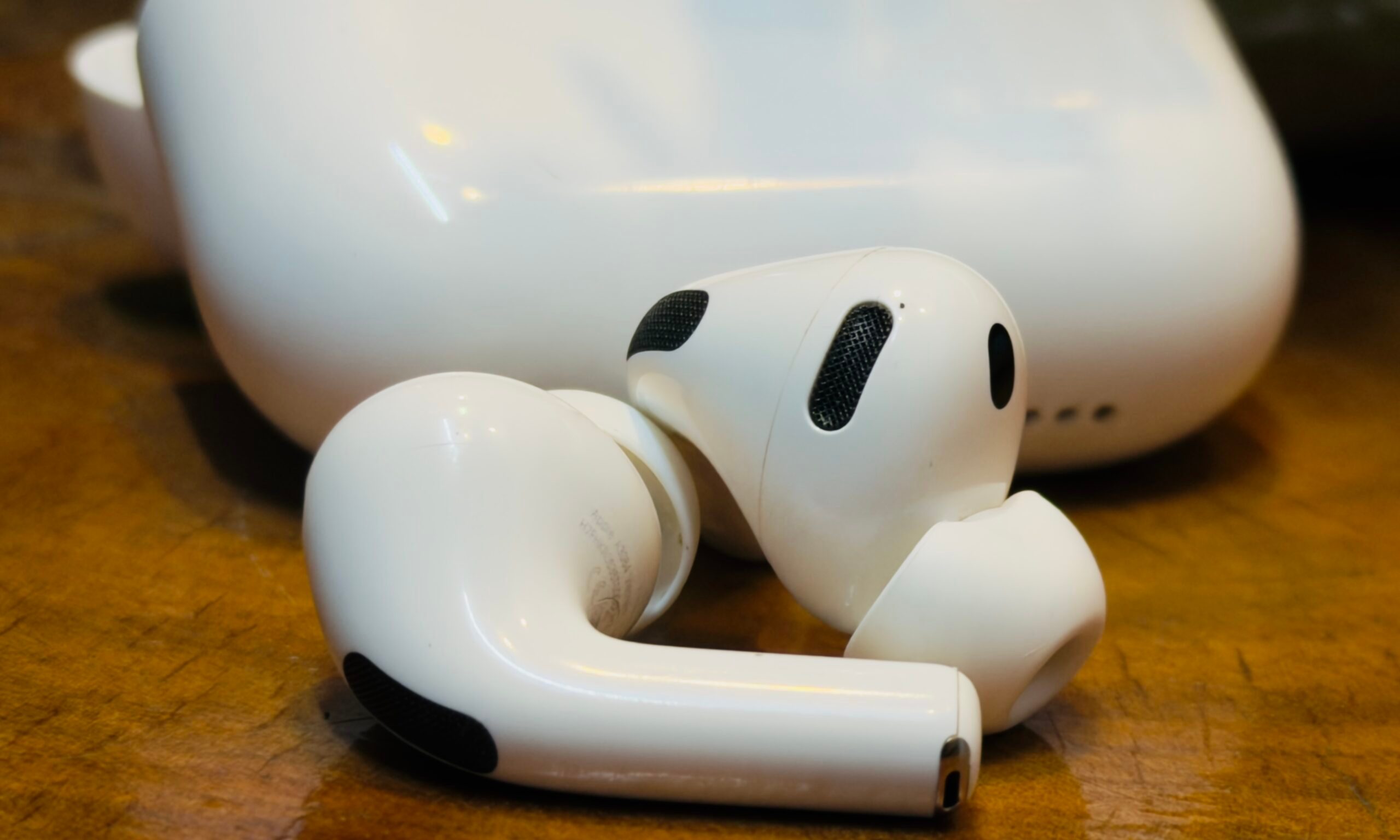
Picture this: you’re on a crowded train, and the person across from you is wearing AirPods. Now imagine those tiny earbuds have cameras. Creepy, right? That’s the fear that erupted when reports surfaced that Apple is working on camera-equipped AirPods. The internet, predictably, dubbed them “pervert pods.”
But here’s the thing — the reality might be far less sinister than the memes suggest.
What the Leaks Actually Reveal
The rumors gained traction after video footage surfaced in Apple’s macOS 26.7 RC (release candidate) — the final test version before public release. The clip shows a man holding a book while wearing AirPods, chatting with Siri about it. The audio track says: “With Visual Intelligence, your world becomes savable. See something you like? Just ask me to save it for later.”
Further evidence comes from code referencing a “Hair Detected” error. This would warn users when their hair blocks the AirPods’ camera. It’s a small detail, but it confirms the hardware is real — and that Apple is thinking about real-world usage.
Why These Aren’t Spy Cameras
Here’s where the narrative shifts. According to a report from Bloomberg’s Mark Gurman, these cameras won’t record photos or video. At all. As Gurman put it: “The cameras essentially act as eyes for the Siri digital assistant and aren’t designed to take photos or video. These components — located in both the right and left earbuds — allow the device to capture visual information in low resolution.”
So what’s the point? The goal is to feed visual data to Siri, which is getting a major AI upgrade in September with iOS 27. Instead of pulling out your iPhone to ask about something, you just look at it and speak. A book, a recipe’s ingredients, a street sign — Siri can see it and respond.
This isn’t surveillance. It’s a hands-free way to interact with your environment. Think of it as a smart assistant with eyes, not a hidden camera.
The LED Indicator: A Double-Edged Sword
Apple isn’t ignoring the privacy elephant in the room. Gurman reports the new AirPods will include an LED indicator that lights up whenever the device shares visual data to the cloud. That’s a transparency move — but it’s also a risk.
The LED could visually lump AirPods in with other AI wearables already facing public skepticism, like Meta‘s Ray-Bans, Snap’s Specs, or Google’s AI glasses. Apple can control what the cameras do, but it can’t control what people assume they do. A tiny light on an earbud might not be enough to reassure a nervous public.
The Visibility Problem
Gurman himself questioned the LED’s visibility given the AirPods’ small size. If the light is too small to see, it defeats its purpose. But if it’s too prominent, it could make wearers self-conscious. It’s a delicate balance.
A Strategic Bet on a Screen-Free Future
For Apple, this is about more than just a hardware refresh. It’s a bet that consumers want to interact with technology without staring at a screen. By baking AI access into a socially acceptable wearable, Apple is pushing toward a future where you don’t need to pull out your iPhone every five minutes.
That’s a compelling vision. Walking directions that whisper in your ear without checking your phone. Cooking help that sees your ingredients. A world where your devices work in the background, not in your face.
But it’s also a gamble. AirPods are currently a seamless accessory — people wear them all day without a second thought. Adding cameras, even benign ones, changes that perception. It forces people to wonder: is that person recording me?
The Privacy Tightrope Apple Must Walk
Apple has built its brand on privacy. That’s why this is riskier than a typical product launch. The company needs to convince consumers that the cameras are for Siri’s benefit, not for surveillance.
The LED indicator is a start, but it’s not enough. Apple will need a massive education campaign. It’ll need to explain, repeatedly, that these cameras can’t save photos or video. It’ll need to show, not just tell, how the data is processed and protected.
If Apple gets this right, it could redefine how we interact with AI. If it gets it wrong, the “pervert pods” label will stick — and that’s a PR nightmare no company wants.
For now, the leaked footage and code suggest Apple is thinking carefully. But in the court of public opinion, careful thinking isn’t always enough. The cameras are coming. The question is whether we’ll accept them.







 CyberSecurity5 months ago
 How To4 months ago
 CyberSecurity5 months ago
 CyberSecurity5 months ago
 Social Media5 months ago
 Infosecurity5 months ago
 CyberSecurity5 months ago
 Video3 months ago