Connect with us

How To

Asus NUC 15 Pro Mini PC Lands in India: A Compact Powerhouse for AI and Professionals

Published

on

Asus NUC 15 Pro Mini PC Lands in India: A Compact Powerhouse for AI and Professionals

The landscape for compact computing in India has just received a significant upgrade. The Asus NUC 15 Pro Mini PC, a device engineered for serious computational tasks, is now officially available for purchase across the country. This launch marks a pivotal moment for professionals who require desktop-level performance without the physical footprint of a traditional tower.

Pricing and Market Positioning

With an official price tag of ₹1,09,000, the Asus NUC 15 Pro positions itself in the premium segment of the mini PC market. This means it is not a casual purchase, but a targeted investment. Asus is bundling a one-month subscription to Adobe Creative Cloud with the device, directly appealing to its core audience. Consequently, this machine is squarely aimed at AI developers, data scientists, video editors, and other creative professionals who need robust, reliable power in a small form factor.

Unpacking the Core Specifications

At the heart of this compact system lies the latest Intel Core Ultra Series 2 processors. This is not just an incremental update; it represents a leap in integrated AI capabilities. In fact, the system is rated to deliver up to a staggering 99 trillion AI operations per second (TOPS), a figure that underscores its readiness for the AI-driven future. For graphics, it leverages Intel’s integrated graphics alongside an Intel Arc GPU, providing a solid foundation for visual tasks beyond basic display output.

Out of the box, the configuration includes 8GB of DDR5 RAM running at 5600MHz and a 512GB PCIe Gen4 NVMe SSD. However, the true flexibility of the Asus NUC 15 Pro Mini PC lies in its upgradeability. Users can expand the RAM up to 48GB and push storage capacity to a massive 8TB. The system even supports faster DDR5 memory speeds up to 6400MHz, ensuring headroom for future performance demands. It ships with Windows 11 64-bit, providing a modern and secure operating environment.

Design and Durability Considerations

Measuring a mere 117 x 112 x 54 mm and weighing just 357.4 grams, the device’s physical profile is remarkably small. Despite this, it doesn’t compromise on ruggedness. The chassis carries a MIL-STD-810H certification, meaning it has been tested to withstand harsh environmental conditions like shock, vibration, and extreme temperatures—a rare feature for a desktop PC. Internally, a dual heat pipe system manages thermals, while a clever hinged lever design allows for tool-free access to upgrade RAM and storage, a boon for IT departments and tech-savvy users.

Connectivity and Security: Built for the Modern Workspace

Connectivity is a major highlight. The Asus NUC 15 Pro Mini PC is one of the first in its class to feature next-generation Intel Wi-Fi 7, promising peak theoretical speeds up to 46Gbps and the ability to connect up to sixteen devices simultaneously. This is paired with Bluetooth 5.4 for fast, stable peripheral connections. A unique feature, Intel Wi-Fi Proximity Sensing, can automatically lock or wake the PC based on the user’s presence, adding a layer of convenience and security.

Speaking of security, the device integrates Intel vPro technology. This allows for advanced remote management and security features crucial for enterprise deployment. Furthermore, a Firmware TPM 2.0 module provides hardware-based security to protect encryption keys and user credentials from software-based attacks.

Display and Port Versatility

For multi-monitor setups, this mini PC is exceptionally capable. It can drive up to four independent 4K displays simultaneously. The rear I/O includes two HDMI 2.1 ports and two Thunderbolt 4 ports (supporting USB4 and DisplayPort 2.1), offering immense flexibility for high-resolution monitors and high-speed peripherals. Additional ports include USB-C and USB-A on the front, and more USB ports, an RJ45 LAN jack, and the DC power input on the rear. A handy Power Sync feature via HDMI CEC allows users to control the power state of connected Asus monitors directly from the PC.

Who Should Consider the Asus NUC 15 Pro?

Building on its robust feature set, the target user for this device is clear. It is ideal for the professional whose work involves machine learning model development, large dataset analysis, 4K video editing, or complex 3D rendering. Its small size makes it perfect for space-constrained environments like digital signage, kiosks, or sleek office setups. For businesses looking to deploy powerful, manageable, and durable workstations, the Asus NUC 15 Pro Mini PC presents a compelling alternative to bulkier desktops.

In summary, the arrival of the Asus NUC 15 Pro in the Indian market fills a specific niche. It delivers a potent combination of cutting-edge AI silicon, exceptional connectivity, enterprise-grade security, and a surprisingly rugged and upgradeable design—all packed into a chassis smaller than a traditional hardcover book. While the price reflects its premium positioning, for the right user, it represents a powerful and space-efficient solution for the most demanding professional tasks. For more insights on compact computing solutions, explore our guide on the best mini PCs for the home office or read about the latest in Intel Core Ultra processor technology.

Continue Reading
Click to comment

Leave a Reply

Your email address will not be published. Required fields are marked *

How To

Your Complete Guide to Using ChatGPT on Android and iOS Devices

Published

on

Your Complete Guide to Using ChatGPT on Android and iOS Devices

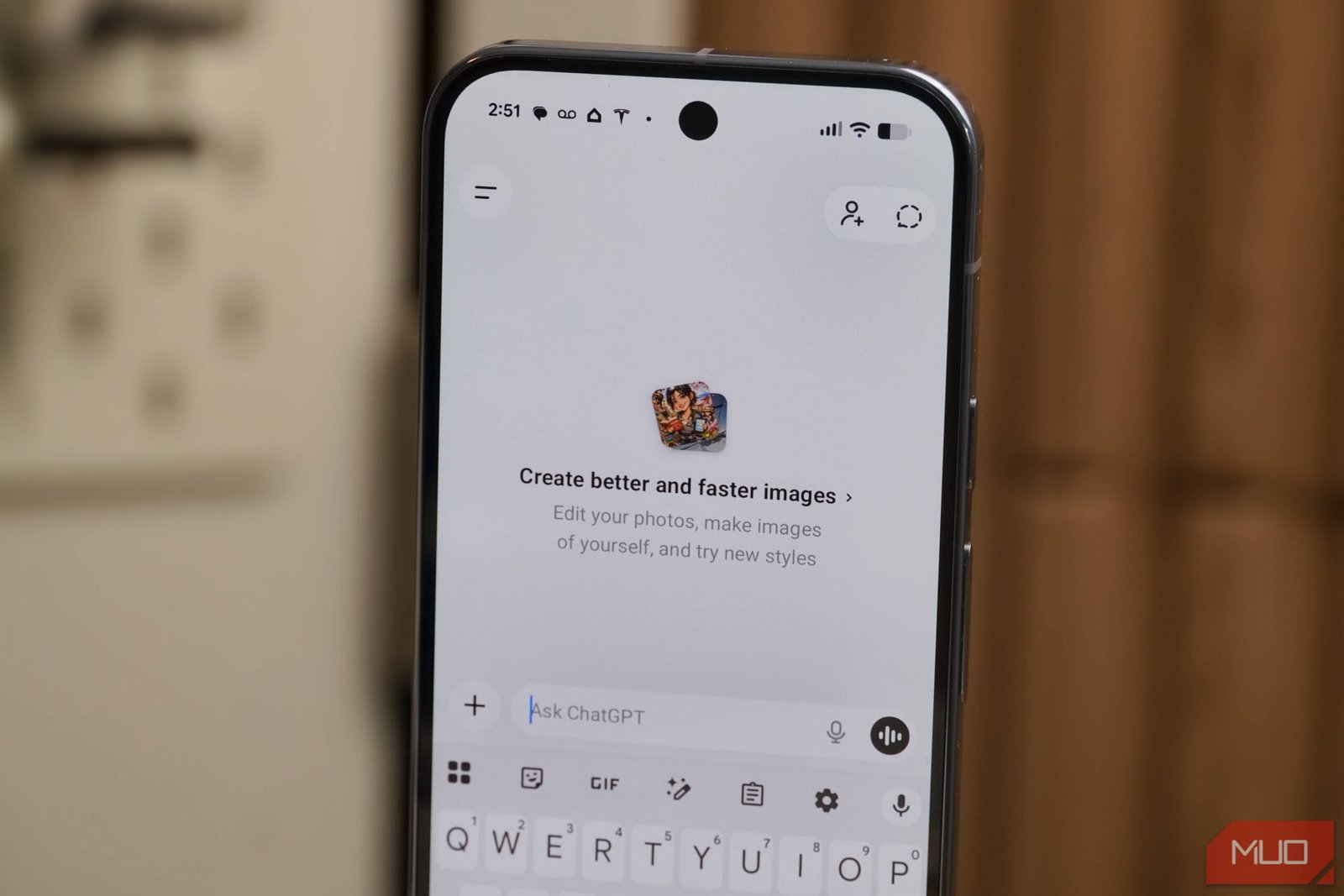
Artificial intelligence has moved from our desks into our pockets. The revolutionary ChatGPT chatbot, once confined to desktop browsers, is now fully accessible on mobile devices. This guide provides clear, actionable methods to use ChatGPT on Android and iOS, transforming your smartphone into a portable AI assistant.

Accessing ChatGPT Directly Through Your Mobile Browser

Contrary to what some might think, you don’t need a dedicated app to harness ChatGPT’s power on your phone. The primary method remains the mobile web browser. This approach offers the full, uncompromised ChatGPT experience.

First, ensure you have an updated web browser like Google Chrome or Safari. Next, navigate directly to the official ChatGPT website. The process is remarkably straightforward and mirrors the desktop experience.

Step-by-Step Setup for First-Time Mobile Users

If you’re new to ChatGPT, begin by creating an account. Open your browser and visit the OpenAI portal. Look for the “Try ChatGPT” button. You’ll be prompted to sign up using an email address and create a password. After a quick email verification and a brief introductory questionnaire, you’ll gain immediate access.

Once logged in, you can start conversing with the AI immediately. The mobile interface is clean and responsive, allowing you to ask questions, request content, or seek explanations just as you would on a computer. Your conversation history is saved, enabling you to revisit previous chats during your session.

Integrating ChatGPT with Siri Using Shortcuts

For iPhone users, a powerful integration exists that blends ChatGPT’s intelligence with Siri’s convenience. By using Apple’s Shortcuts app, you can create a voice-activated bridge to the AI. This method requires a bit more setup but delivers a hands-free, conversational experience.

To begin, you’ll need your OpenAI API key, which is found in your account settings on the website. Then, locate a pre-made “SiriGPT” shortcut through a trusted source and add it to your Shortcuts library. During the setup, you’ll paste your unique API key into the designated field within the shortcut’s configuration.

After granting the necessary permissions for speech recognition and data sharing, you can activate the shortcut by saying “Hey Siri” followed by its name. Ask your question aloud, and Siri will process it through ChatGPT’s API and read the response back to you in its synthesized voice. This creates a seamless, voice-first AI assistant experience.

Understanding the Mobile Requirements and Limitations

Before diving in, it’s helpful to know what’s needed. The requirements are minimal: a stable internet connection and a modern mobile browser. There is no official, standalone ChatGPT application for either Android or iOS app stores. All access is channeled through the browser, which ensures you’re always using the most up-to-date version of the model.

This browser-based approach has distinct advantages. It eliminates the need for frequent app updates and guarantees feature parity with the desktop version. However, it does mean you must be online to use the service, as there is no offline functionality. For more insights on maximizing AI tools, explore our guide on boosting productivity with AI.

Maximizing Your Mobile ChatGPT Experience

To get the most out of ChatGPT on your phone, consider a few pro tips. Bookmark the ChatGPT login page to your browser’s home screen for one-tap access. This creates an app-like icon that bypasses the need to type the URL each time. Additionally, familiarize yourself with the mobile interface’s menu, typically found in the top-left corner, where you can switch to dark mode or review your conversation history.

Remember that while ChatGPT is a powerful tool, it is not infallible. The AI can sometimes present incorrect or outdated information with confidence. Therefore, use it as a creative partner and a brainstorming tool, but always verify critical facts through reliable sources. For related mobile tech guides, check out our article on advanced lock screen customization.

The Future of AI is in Your Pocket

The ability to use ChatGPT on Android and iOS represents a significant shift in how we interact with information. No longer tethered to a desk, we can now get AI-powered answers, draft emails, solve coding problems, or explore creative ideas from anywhere. This mobility democratizes access to advanced AI, putting a world-class research tool in the hands of billions.

As AI technology continues to evolve, mobile integration will only become more sophisticated. For now, the browser-based method and Siri shortcuts provide a robust and effective way to tap into this resource. Start your mobile AI journey today and discover how a conversational assistant can enhance your daily digital life.

Continue Reading

How To

Unlock Instagram’s Hidden Setting for Maximum Photo and Reel Quality

Published

on

Unlock Instagram’s Hidden Setting for Maximum Photo and Reel Quality

Have you ever posted a meticulously edited photo or a crisp video reel to Instagram, only to feel the final result looks slightly duller or grainier than the original? You’re not imagining it. In fact, there’s a specific reason behind this common frustration, and more importantly, a simple fix hidden within the app’s menus.

The Unseen Compromise: Why Your Instagram Uploads Lose Quality

Instagram, the Meta-owned social giant, applies a universal compression algorithm to almost all media uploaded to its platform. This process happens automatically, with the stated goal of ensuring faster upload times and conserving mobile data for users across varying network conditions. Consequently, when you hit ‘Share’, your high-resolution image or video is often processed into a smaller, more manageable file. This means that fine details, vibrant colors, and overall sharpness can be sacrificed without your explicit consent. For creators and everyday users who value visual fidelity, this default behavior can be a significant drawback.

How to Find the Instagram Secret Settings for Quality

Fortunately, Instagram provides a direct way to override this default compression. The control is tucked away in the settings, not prominently advertised, making it one of the platform’s most useful Instagram secret settings. Here is the precise, step-by-step method to activate it:

  1. Open the Instagram app and navigate to your profile by tapping your picture in the bottom-right corner.
  2. Tap the three-line menu icon (☰) in the top-right corner of your profile screen.
  3. Select ‘Settings and privacy’ from the menu that appears.
  4. Scroll down until you find the ‘Data usage and media quality’ section and tap it.
  5. Inside, you will find the crucial toggle: ‘Upload at highest quality’. Switch this setting ON.

Once enabled, Instagram will prioritize the quality of your uploads over speed and data savings. This applies to both photos and reels, ensuring your creative work is presented as intended. For more tips on optimizing your social media content, explore our guide on creating engaging posts.

When You Might Want to Keep Compression On

While the high-quality upload is a powerful tool, it’s not always the optimal choice. This setting requires a stable internet connection and will consume significantly more mobile data. Therefore, there are practical scenarios where you might want to leave it disabled or toggle it off temporarily.

Managing Your Data and Connection

If you are using a limited mobile data plan or are in an area with a weak cellular signal, uploading large video files at full quality could fail or exhaust your data allowance quickly. In such cases, the default compression is beneficial. It ensures your content uploads successfully without causing frustration or unexpected charges. Smart management of this setting is key to a smooth experience.

Balancing Speed and Fidelity

Sometimes, speed is more important than perfection. If you’re sharing a quick, casual story update or a reel in real-time, waiting for a large file to upload might not be practical. The standard setting provides a good balance, getting your content online swiftly while maintaining acceptable quality for most viewers.

Pro Tips for Optimal Instagram Media

Activating the high-quality upload is just one part of the equation. To truly make your content stand out, consider these complementary strategies. First, always edit and finalize your photos and videos in a dedicated editing app before bringing them into Instagram. This gives you finer control over color grading, sharpness, and composition.

Second, be mindful of Instagram’s supported formats and aspect ratios. Uploading media that already conforms to Instagram’s preferred specifications (like a 4:5 portrait photo or a 9:16 reel) can sometimes result in less aggressive secondary compression by the app. For a deeper dive into video specs, check out our article on mastering Instagram video.

Taking Control of Your Visual Narrative

Ultimately, this hidden toggle hands control back to the user. It acknowledges that for photographers, artists, brands, and serious creators, visual quality is non-negotiable. By understanding and using this Instagram secret settings feature, you decide the trade-off between data, speed, and quality on your own terms.

So, the next time you prepare a stunning landscape photo or a meticulously edited reel, remember to flip that switch. Your audience will see the difference, and your portfolio will maintain its professional sheen. Have you tried this setting yet? What impact did it have on your content? Share your experiences and let’s discuss how small changes can lead to significantly better results.

Continue Reading

How To

The Complete Guide to Finding and Managing Saved Passwords in Google Chrome

Published

on

The Complete Guide to Finding and Managing Saved Passwords in Google Chrome

In our interconnected digital lives, the average person juggles dozens of online accounts. Remembering a unique, strong password for each one is a monumental task. This is where your browser’s built-in tools become essential. Specifically, learning how to handle your Google Chrome passwords can transform your online security from a constant worry into a streamlined process.

Google Chrome includes a powerful, free password manager directly within the browser. It securely stores your login credentials, auto-fills them on websites, and even helps generate strong passwords. Understanding how to access and control this feature is the first step toward a more secure and convenient browsing experience.

Why Rely on Chrome’s Built-In Password Manager?

Before we navigate the steps, let’s consider the advantages. A dedicated password manager, even a built-in one like Chrome’s, solves several critical problems. First, it eliminates the need to memorize countless passwords. Second, it encourages the use of strong, unique passwords for every site, drastically reducing your risk if one service suffers a data breach. Since it’s integrated into Google Chrome, it’s always available, syncs across your devices if you’re signed in, and requires no additional software installation or subscription fees.

For many users, this native tool provides sufficient security for everyday accounts. It represents a significant upgrade over the dangerous habit of reusing simple passwords or, worse, writing them down on sticky notes.

How to Access Your Saved Passwords in Chrome

Retrieving your stored login information is a straightforward process. Follow these steps to view your Google Chrome passwords on a desktop computer.

Step-by-Step Navigation

Begin by opening your Chrome browser. Look to the top-right corner of the window and click the three vertical dots, which represent the “More” menu. From the dropdown list that appears, select “Settings.” This will open a new tab dedicated to Chrome’s configuration options.

Once in Settings, direct your attention to the left-hand sidebar. Click on “Autofill and passwords.” Here, you will find the central hub for all things related to form-filling and credentials. Now, click on “Password Manager.” You have now arrived at the vault containing all your saved usernames and passwords.

Viewing a Specific Password

Within the Password Manager, you’ll see a list of websites for which Chrome has saved credentials. To view a password, simply click the eye icon next to the obscured password field. For security, Chrome will first ask you to authenticate. This typically involves entering your computer’s user account password or using Windows Hello/PIN. After successful verification, the password will be revealed in plain text.

This process is vital for when you need to log into a site on a new device or share credentials securely (though sharing is not generally recommended). For more on securing your entire system, read our guide on protecting your Android device.

Best Practices for Managing Chrome Passwords

Access is only half the battle. Effective management is what turns a simple storage tool into a robust security asset. Here are key strategies for handling your Google Chrome passwords.

1. Audit and Clean Your Password List

Periodically review your saved passwords. Remove entries for old accounts you no longer use. Chrome also features a “Password Checkup” tool that proactively alerts you if any of your saved passwords have been compromised in a known data breach, are weak, or are reused across multiple sites. Addressing these warnings should be a top priority.

2. Leverage the Built-In Password Generator

When creating a new account or updating an old password, let Chrome suggest a strong one. When Chrome detects a password creation field, it will often offer a complex, random string of characters. Using this generator ensures your passwords are virtually impossible to guess and unique to each site.

3. Know the Limits: When Not to Save

While convenient, you should think twice before letting Chrome save passwords for highly sensitive accounts. This includes primary email accounts, banking sites, and any service that holds your financial or deeply personal data. For these, consider using a separate, dedicated password manager with additional security layers or memorizing them. The logic is simple: if someone gains physical access to your unlocked computer, they have immediate access to any password saved in Chrome.

4. Sync Securely (With Caution)

If you use Chrome across multiple devices, signing in to your Google account will sync your passwords. This is incredibly convenient but ties the security of your passwords to your Google account’s strength. Therefore, enable two-factor authentication (2FA) on your Google account without fail. This adds a critical second step for verification, making unauthorized access far more difficult.

When to Consider a Dedicated Password Manager

Chrome’s tool is excellent for basic needs, but it has limitations. For instance, it lacks features like secure password sharing with family members, more detailed security reports, or separate vaults for different types of data. If you require advanced functionality, dedicated apps like LastPass or 1Password are powerful alternatives. They often operate across all browsers and platforms, not just Chrome, and may offer more granular control.

Ultimately, the best password manager is the one you will use consistently. For many, the simplicity and immediacy of Chrome’s built-in solution make it the perfect starting point. By mastering how to access and manage your Google Chrome passwords, you take a major step in securing your digital identity. Remember, good security is a habit, not a one-time setup. For related tips on communication security, explore our article on enabling WhatsApp’s encrypted backup.

Continue Reading

Trending