Connect with us

Video

Beyond the Grind: The 7 Low-Effort YouTube Channel Models That Quietly Outperform Salaried Jobs

Published

on

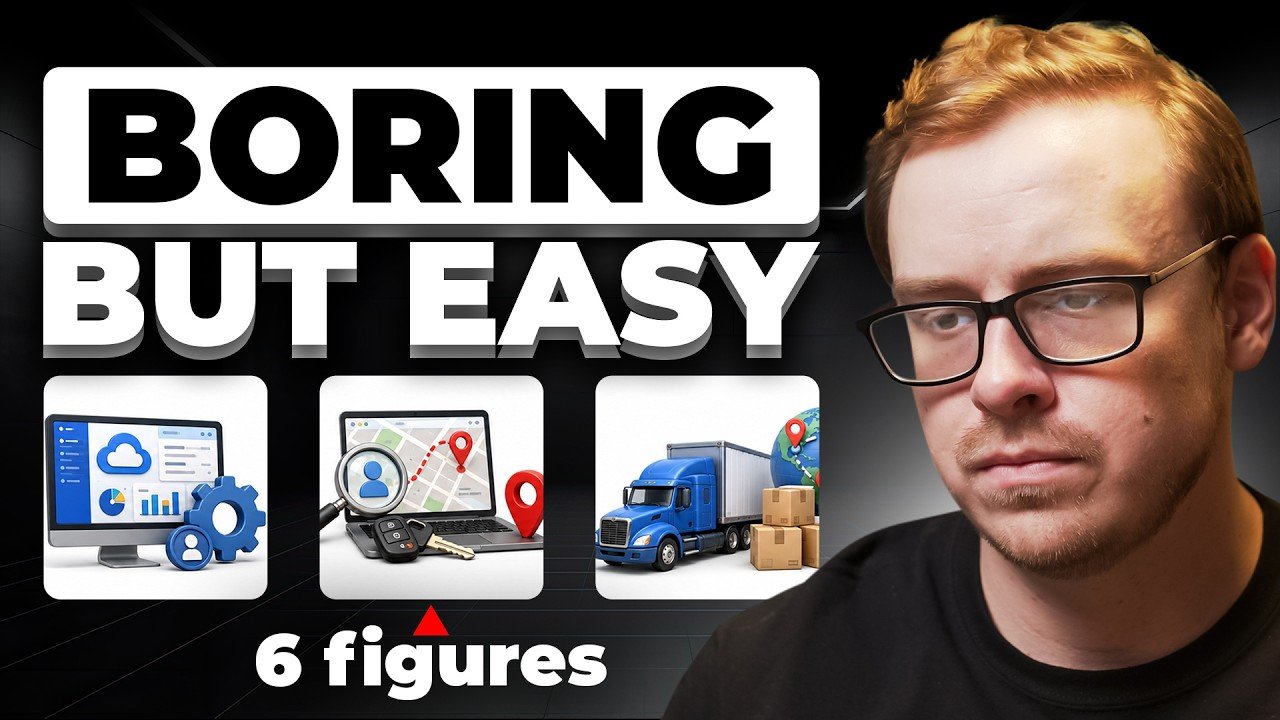
Forget everything you think you know about YouTube success. The platform’s most lucrative opportunities aren’t found in the frantic, high-production arms race of daily vloggers or tech reviewers. Instead, they’re hidden in plain sight, within seemingly simple, low-effort formats that consistently generate income streams capable of rivaling—and often surpassing—traditional salaries. A recent analysis by creator Shane Hummus pulls back the curtain on seven such channel models, revealing a blueprint for sustainable digital entrepreneurship that requires more strategic thinking than grueling hours.

Building on this premise, the core revelation is that effort does not directly correlate with earnings on YouTube. In fact, some of the most streamlined content approaches exploit specific viewer behaviors and algorithmic niches that larger creators overlook. This isn’t about getting lucky with a viral video; it’s about constructing a reliable system. Therefore, the first step for any aspiring creator is to dismantle the myth that high view counts are the sole indicator of a profitable channel. A niche channel with a dedicated, small audience can be far more valuable than a broad channel with sporadic millions of views, especially when it serves a specific need or passion.

**The Sourdough Secret and the Power of Process Content**
One of the most compelling models highlighted is the ‘sourdough channel’ archetype. This falls under the broader category of satisfying, process-oriented content. A channel focused solely on the methodical, visual journey of baking bread, tending a garden, or restoring old tools taps into a profound viewer desire for calm, focused engagement. The effort for the creator is minimal—setting up a static shot and letting the process unfold—but the payoff is a highly watchable video that earns steady, long-term ad revenue. Furthermore, this content has exceptional shelf-life; a video on sourdough starter maintenance remains relevant for years, constantly attracting new viewers. This strategy proves that you don’t need to be in front of the camera or even speak to build a successful low-effort YouTube channel.

**The Lego Hack and Exploiting Viewer Nostalgia**
Similarly, the ‘Lego hack’ model demonstrates the power of niche, tactile creativity. A channel dedicated to building specific Lego sets or creating MOCs (My Own Creations) caters to a passionate, often adult, community. The content is straightforward: a time-lapse of a build, accompanied by relaxing music or minimal commentary. The production is simple, but the appeal is immense. This approach works because it leverages nostalgia, satisfies a curiosity about the end product, and provides a form of digital ASMR. It’s a potent reminder that a low-effort YouTube channel can be built around a single, focused activity you already enjoy, transforming a hobby into a revenue stream.

**The Still-Image Technique and Hidden Viewer Behavior**
Perhaps the most counterintuitive strategy discussed is the ‘still-image technique.’ This involves creating videos from slideshows of images—think historical photos, art galleries, or trivia facts—set to narration or music. Why does this work? It exploits a common viewer behavior: using YouTube as background audio. People listen to these videos while working, driving, or falling asleep. The algorithmic metrics for watch time can be excellent because the content is designed for prolonged, passive consumption. Consequently, a channel using this method requires almost no filming, editing, or on-camera presence. It’s a pure content-play, focusing on research and curation over production value, making it one of the most accessible low-effort YouTube channel formats.

**The 50-Year-Old Beginner’s Blueprint and Obvious Knowledge**
Another critical insight is the value of ‘obvious’ knowledge. As Shane Hummus points out, information that seems basic to you can be invaluable to someone just starting. A channel run by a 50-year-old beginner in woodworking, coding, or gardening, documenting their genuine learning process, is incredibly compelling. It’s relatable, authentic, and fills a gap that expert channels often leave behind. This model requires no advanced expertise, just a willingness to document the journey. The effort lies in consistency, not in possessing elite skills. This blueprint effectively turns the creator’s inexperience into their greatest asset, building a community of peers rather than students.

**The Career Coach Method for Time-Poor Creators**
For those with almost zero free time, the ‘career coach method’ offers a path. This involves repurposing professional expertise into concise, tip-based videos. A financial advisor could create 60-second videos on common tax mistakes. A project manager could explain a single productivity tool. The content is derived directly from the creator’s daily work, requiring no additional research. By filming several tips in one sitting, a creator can batch-weeks worth of content in an hour. This model proves that a low-effort YouTube channel can act as a synergistic extension of your existing career, not a separate, draining endeavor.

**Saturation is a Myth: The Power of Niching Down**
Finally, the analysis debunks the fear of market saturation. The ‘absurd niche experiment’ proves there is always room for a more specific angle. While ‘fitness’ is saturated, ‘kettlebell workouts for over-50s office workers’ is not. The niching-down strategy is the master key for new creators. It reduces competition, increases audience loyalty, and makes content planning infinitely easier. A hyper-focused low-effort YouTube channel attracts a dedicated tribe, which is far more valuable for long-term growth and monetization than a nebulous mass of subscribers.

In conclusion, the future of accessible YouTube success isn’t about louder, faster, or more expensive content. It’s about smarter, simpler, and more systematic approaches. The seven models explored—from soothing process videos to hyper-niched expertise—provide a roadmap for building an asset that works for you. They shift the paradigm from chasing viral fame to constructing a durable, income-generating platform. If the idea of replacing your job’s income with a streamlined creative outlet intrigues you, watching Shane Hummus’s full breakdown is an essential first step. The detailed case studies and underlying principles he reveals could provide the exact blueprint you need to begin.

Continue Reading
Click to comment

Leave a Reply

Your email address will not be published. Required fields are marked *

Video

Samsung Ends OneDrive Gallery Sync: What to Do Now

Published

on

If you own a Samsung Galaxy smartphone and rely on the built-in Gallery app to back up your photos to Microsoft OneDrive, you need to pay attention. Samsung has officially confirmed that the deep integration between Samsung Gallery and Microsoft OneDrive — a feature that has been a staple for seven years — will be completely shut down on September 30, 2026. In fact, the company has already started removing the option to link new accounts in the latest versions of the Gallery app. This change affects millions of users worldwide, and while your existing photos remain safe, the way you access and back up your images is about to change dramatically.

What Is Changing with Samsung OneDrive Gallery Sync?

For years, Samsung users enjoyed a seamless experience: open the stock Gallery app, toggle on sync, and all your photos and videos would automatically back up to OneDrive without needing a separate app. This integration was a hallmark of Samsung’s partnership with Microsoft, offering a unified cloud storage solution directly on your phone. However, as of the official announcement, this native sync is ending. After September 30, 2026, your Samsung Gallery app will no longer display cloud-only photos from OneDrive. In addition, new backups will fail if you rely solely on the Gallery toggle. This means that if you have photos stored only in the cloud through this service, they will disappear from your Gallery view unless you take action.

Why Is Samsung Making This Change?

Building on the trend toward platform independence, Samsung appears to be streamlining its services and encouraging users to adopt standalone apps. By discontinuing the deep OneDrive integration, Samsung may be shifting focus to its own cloud solutions or simplifying the user experience. However, this move also aligns with Microsoft’s broader strategy of promoting the standalone OneDrive app. While the partnership remains, the direct link within the Gallery app is being phased out. For users, this means adapting to a new workflow: either download originals to your device or switch to the separate OneDrive app for continued automatic backups.

Step-by-Step: What You Need to Do Right Now

To avoid losing access to your synced photos in the Samsung Gallery app, here are the critical steps:

1. **Download Originals**: Before September 30, 2026, open your Gallery app, go to OneDrive sync settings, and use the “Download Originals” function. This will save all cloud-only photos to your device, ensuring they remain visible in the Gallery.

2. **Switch to the OneDrive App**: If you want to continue automatic backups, download the standalone Microsoft OneDrive app from the Google Play Store. Log in with your Microsoft account, tap your profile icon, and enable “Camera backup” with full storage permissions. This will replace the Gallery sync functionality.

3. **Check Your Storage**: Since downloaded originals take up device space, consider using the OneDrive app’s “Files On-Demand” feature to manage storage. Alternatively, you can delete local copies after confirming they are safely backed up in OneDrive.

How This Affects Your Device and Future Backups

In addition to the visual disappearance of cloud-only photos, the shutdown means that any new photos you take after September 30, 2026, will not back up via the Gallery app. If you forget to switch to the standalone OneDrive app, your camera roll will remain only on your device, risking data loss if your phone is lost or damaged. However, your existing backups on OneDrive servers are safe and accessible through the OneDrive app or website. The key is to act now to ensure a smooth transition.

Conclusion: Don’t Wait — Take Action Today

While the shutdown date is still over a year away, Samsung has already begun removing the option to link new accounts. To avoid a last-minute scramble, start the transition now. Download your originals, install the OneDrive app, and enable camera backup. This change may be inconvenient, but with a few simple steps, you can continue protecting your memories without interruption. Watch the full video above for a detailed walkthrough of each step and additional tips to safeguard your data.

Continue Reading

Video

The Right Way to Upload YouTube Shorts to Grow Fast in 2026

Published

on

If you’ve been uploading YouTube Shorts and wondering why your channel isn’t growing as fast as you’d hoped, you’re not alone. Many creators jump into the format without understanding the nuances that separate viral success from stagnant views. In a recent deep-dive video, Shane from The Content Growth Engine reveals the right way to upload YouTube Shorts to grow fast in 2026. Drawing on years of data and insights from top creators, this guide cuts through the noise and offers a blueprint that actually works.

Why Your Current Shorts Strategy Might Be Failing

Building on the video’s core message, the first mistake many creators make is ignoring the credentials behind effective Shorts advice. Shane emphasizes that not all advice is equal—he bases his recommendations on real-world testing and analytics, not guesswork. As a result, the video opens with a crucial insight: the intro of your Short must stop the swipe within the first second. In a world where attention spans are shrinking, every millisecond counts. Therefore, starting with a hook that sparks curiosity or emotion is non-negotiable.

Furthermore, the video tackles the hidden length sweet spot that maximizes watch-through rate. While YouTube allows up to 60 seconds, Shane reveals that the ideal length for retention is often shorter—around 15 to 30 seconds. This isn’t arbitrary; it’s backed by data showing that shorter Shorts tend to have higher completion rates, which signals the algorithm to push your content to more viewers. In addition, he warns against the upload settings most creators get completely wrong, such as neglecting to add relevant hashtags or failing to optimize the thumbnail for mobile viewing.

The Optimal Timing and Algorithm Hacks

Another critical element of how to upload YouTube Shorts correctly involves timing. Shane presents a posting timing blueprint that hacks YouTube’s test algorithm. He explains that uploading when your target audience is most active—often during peak hours in their time zone—can significantly boost initial engagement. However, he also cautions against over-reliance on any single time slot, as the algorithm now favors consistency over spontaneity. Therefore, creating a schedule and sticking to it is paramount.

Moreover, the video dives into the uncomfortable math that many creators avoid: the reality of Shorts monetization versus long-form content. Shane reveals that, on average, Shorts generate far less revenue per view than traditional videos. This doesn’t mean you should abandon Shorts entirely, but it does mean you need a clear strategy. He then highlights what the world’s best Shorts creator reveals about the format’s real ceiling—essentially, Shorts are excellent for building an audience but not for building a sustainable income on their own.

The Hidden Risks of Shorts and How to Mitigate Them

Perhaps the most eye-opening section of the video addresses the hidden audience mismatch that makes Shorts a double workload. When you upload a Short, you attract a different viewer demographic than long-form content—one that may not be interested in your deeper, more valuable videos. This can lead to a skewed subscriber base that hurts your channel’s overall performance. In addition, Shane discusses the silent risk of posting Shorts that could hurt your existing content by lowering your average view duration or confusing the algorithm about your niche.

As a result, he proposes the only smart way to use Shorts: as a funnel to your long-form content, not as an end in themselves. This means creating Shorts that tease or summarize your longer videos, encouraging viewers to click through. He also explains why long-form is the only format that actually builds buyers—meaning, if your goal is to sell products or services, investing in in-depth tutorials or reviews is far more effective than chasing viral Shorts.

Strategic Exceptions and What the Smartest Creators Do

Despite the warnings, Shane acknowledges that Shorts can be strategically valuable in two specific exceptions. First, if you are a brand-new channel with zero subscribers, Shorts can help you gain initial visibility quickly. Second, if your niche naturally lends itself to short, snackable content—like comedy skits or quick tips—then Shorts are a no-brainer. However, he stresses that even in these cases, creators should always have a long-form content plan in place.

In conclusion, the video reveals what the smartest creators on YouTube quietly have in common: they treat Shorts as a tool, not a crutch. They understand that the right way to upload YouTube Shorts involves strategic planning, precise execution, and a clear understanding of the platform’s algorithm. By following these principles, you can grow fast in 2026 without sacrificing your channel’s long-term health.

Ready to transform your Shorts strategy? Watch the full video above to get the complete breakdown, including timestamps for each critical insight. Your channel’s growth depends on the choices you make today.

Continue Reading

Video

How to Build a 1-Person Business and Personal Brand With Claude AI in 30 Days

Published

on

Imagine launching a profitable, one-person business in just 30 days—without a team, without coding, and without burning through your savings. Sound too good to be true? In a recent deep-dive video, entrepreneur Shane Hummus breaks down exactly how he would build a 1-person business and personal brand using Claude AI, leveraging the very tools that many so-called “gurus” secretly rely on. This isn’t about building another app or chasing fleeting trends. Instead, it’s a systematic, week-by-week blueprint that turns your existing knowledge into a sustainable income stream. Let’s unpack the key strategies from this transformative training.

Why Building an App Is a Trap for Solo Entrepreneurs

Many beginners instinctively think they need to create a software product or a mobile app to succeed. However, as Shane points out, this approach is often a dead end for a 1-person business. Building an app requires significant time, money, and technical skills—resources most solo entrepreneurs lack. Moreover, the market is saturated with apps that never gain traction. Instead, the video reveals a smarter path: focus on a personal brand built around your unique expertise. By using Claude AI to automate content creation, market research, and client outreach, you can bypass the app trap entirely. This strategy lets you win even when you lose, because every piece of content becomes an asset that attracts opportunities.

The Hidden Power of YouTube for Market Research

One of the most counterintuitive insights from the video is how YouTube secretly pays you to do market research. Instead of guessing what your audience wants, you can use the platform to test ideas, analyze comments, and identify pain points—all while potentially earning ad revenue. Building on this, Shane explains that your personal brand’s content serves as a living focus group. When you create videos about topics your target audience cares about, their engagement tells you exactly what to offer next. This data-driven approach is a game-changer for any 1-person business, as it eliminates guesswork and ensures you’re always solving real problems.

The 5 Revenue Streams a Personal Brand Unlocks

A strong personal brand isn’t just about fame—it’s a direct line to multiple income sources. In the video, Shane outlines five distinct streams: digital products (courses, templates), coaching or consulting, affiliate marketing, sponsorships, and high-ticket services. For a 1-person business, this diversification is crucial. It means you’re not dependent on a single paycheck or client. As a result, your income becomes more resilient. The key, however, is to start with one stream and expand gradually. Claude AI can help you create the foundational content for each stream, from writing course outlines to drafting email sequences, so you can launch faster.

Your 30-Day Sprint: A Week-by-Week Action Plan

The most practical part of the training is the detailed 30-day sprint. Week one focuses on defining your niche and setting up your content engine with Claude AI. Week two is about creating a “minimum viable content” batch—enough to test the market. Week three involves engaging with your audience and refining your offer. By week four, you should have your first paying client or product sale. Shane shares a real example of a total beginner who built a full-time career by day 29, proving that this method works. The secret? Consistency and leveraging AI to handle repetitive tasks, freeing you to focus on high-value activities like networking and sales.

The Buying Psychology Rule That Changes Everything

Understanding why people buy is more important than what you sell. In the video, Shane reveals a simple but powerful buying psychology rule: people purchase outcomes, not features. Your 1-person business should communicate the transformation you provide, not just the tools you use. For instance, instead of saying “I offer AI consulting,” say “I help freelancers double their income using AI.” This shift in messaging, combined with a personal brand that builds trust, can dramatically increase conversion rates. Moreover, Claude AI can help you craft these compelling messages by analyzing successful sales pages and generating persuasive copy tailored to your audience.

Why This Strategy Works for Anyone

Whether you’re a recent graduate, a career changer, or a stay-at-home parent, the principles in this video are universally applicable. The core idea is that you don’t need a big budget or a technical background to start a 1-person business. You just need a willingness to learn, a focus on providing value, and the right AI tools to amplify your efforts. In addition, the personal brand you build becomes a long-term asset that grows with you. Even if one revenue stream dries up, your reputation and audience remain, allowing you to pivot quickly. This is the ultimate safety net in today’s volatile economy.

Watch the Full Training to Get Your Exact Blueprint

This article only scratches the surface of what Shane Hummus covers in his comprehensive live training. If you’re serious about launching your own 1-person business and personal brand with Claude AI in the next 30 days, you owe it to yourself to watch the full video. He provides step-by-step instructions, timestamps for each section, and real-world examples that will save you months of trial and error. Don’t wait—start your journey today and see what’s possible when you combine AI with human creativity and determination.

Continue Reading

Trending