Connect with us

How To

Clone App Review: Multi-Account Management and Secure VPN in One Package

Published

on

Managing multiple social media accounts or accessing geo-restricted content requires specialized tools. Therefore, Clone App emerges as a comprehensive solution that combines app cloning capabilities with secure VPN functionality, making it an attractive option for privacy-conscious users.

What Makes Clone App Stand Out

This Clone App review reveals a multifunctional platform designed for users seeking both account management and privacy protection. Unlike traditional app duplicators, this solution integrates VPN services directly into the cloning experience.

The application addresses common smartphone limitations by allowing users to run multiple instances of the same app simultaneously. Additionally, it provides secure internet browsing through its built-in VPN service, eliminating the need for separate applications.

Core Features and Functionality

However, the real strength lies in its diverse feature set. The private VPN component enables users to access foreign websites and bypass regional restrictions without compromising security. This makes it particularly valuable for travelers or users in regions with internet limitations.

The WhatsApp cloning feature allows multiple account operations on a single device. This means users can maintain separate personal and business profiles without switching between phones or constantly logging in and out.

Furthermore, the customizable theming system goes beyond standard dark and light modes. Users can choose from Dark Mode, Blue Mode, Gold Mode, Night Mode, and Cyan Mode, providing visual variety that matches personal preferences.

Privacy and Security Tools

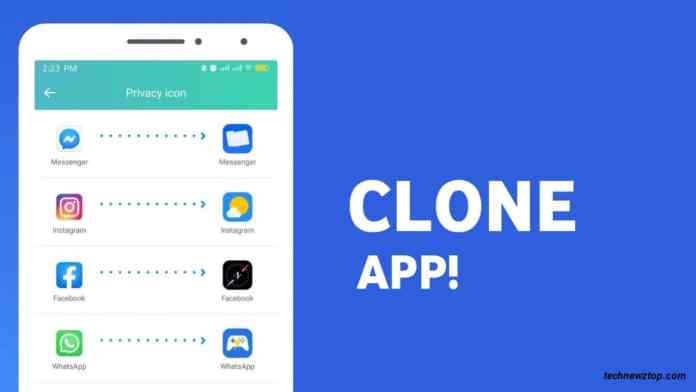
On the other hand, privacy features extend beyond basic VPN functionality. The Privacy Icon feature allows users to disguise popular apps by changing their icons and names, adding an extra layer of discretion to sensitive applications.

The Magic Stickers and Float Stickers features enhance communication by providing unique emoticons and interactive elements. These tools help users express themselves more creatively during conversations.

Technical Capabilities and Performance

As a result of its independent core technology, Clone App supports both 32-bit and 64-bit applications seamlessly. This broad compatibility ensures that users can clone virtually any app regardless of its technical requirements.

The ad-free experience represents another significant advantage in this Clone App review. While many similar applications interrupt user workflows with advertisements, this platform maintains a clean, uninterrupted interface.

Building on this foundation, the application’s stability remains consistent across different device configurations. The dual-architecture support demonstrates thoughtful engineering that accommodates various smartphone specifications.

User Experience and Practical Applications

In addition to technical features, the practical applications make this tool valuable for specific user scenarios. Social media managers can maintain multiple client accounts, while business professionals can separate personal and work-related communications.

The VPN component proves particularly useful for accessing region-locked content or maintaining privacy on public networks. This integration eliminates the need for separate VPN subscriptions or applications.

However, users should consider their specific needs when evaluating this solution. While the feature set is comprehensive, some specialized users might prefer dedicated tools for specific functions like advanced VPN services or professional app management.

Installation and Setup Process

Therefore, getting started with Clone App requires straightforward installation procedures. The setup process guides users through initial configuration, including VPN server selection and app cloning preferences.

The interface design prioritizes accessibility, ensuring that both technical and non-technical users can navigate features effectively. This user-friendly approach extends to all major functions, from account management to privacy settings.

As a result, this Clone App review concludes that the platform offers significant value for users seeking comprehensive account management and privacy solutions. The combination of app cloning, secure VPN access, and customization options creates a versatile tool suitable for various use cases. Whether managing multiple social media accounts or accessing restricted content, this application provides the necessary functionality in a single, integrated package.

Continue Reading
Click to comment

Leave a Reply

Your email address will not be published. Required fields are marked *

How To

How to Convert Images to PDF for Free: A Complete Guide to Online and Mobile Tools

Published

on

How to Convert Images to PDF for Free: A Complete Guide to Online and Mobile Tools

Need to turn a photo or screenshot into a professional document? The ability to convert image to PDF is a fundamental digital skill for students, professionals, and anyone handling paperwork. This process transforms loose image files into a universally accepted, portable document format. Fortunately, you don’t need expensive software. This guide explores the most effective free methods, from browser-based tools to dedicated mobile applications, ensuring you can handle any conversion task with ease.

Why Convert Images to PDF Format?

Before diving into the ‘how,’ it’s worth understanding the ‘why.’ PDFs preserve your document’s layout across all devices and operating systems. Unlike a JPG that can be easily edited or resized, a PDF acts as a digital printout. This makes it ideal for submitting forms, sharing reports, or archiving important documents. For instance, a scanned contract saved as a PDF is far more secure and presentable than a folder of disjointed image files.

The Core Benefits of PDF Conversion

Converting your images offers several practical advantages. First, it consolidates multiple images into a single, organized file. Second, it often reduces the overall file size through compression, making it easier to email or upload. Finally, PDFs are the standard for official submissions to institutions, employers, and government bodies, giving your documents an immediate professional edge.

Method 1: Using Free Online Converters

For quick, one-off conversions without installing anything, free online tools are your best friend. These web-based platforms are accessible from any device with a browser. Simply navigate to a reputable site like Smallpdf or iLovePDF, upload your JPG or PNG file, and download the finished PDF. The process is typically drag-and-drop and takes mere seconds.

However, there are important considerations. Most online converters require a stable internet connection. Additionally, you should be mindful of privacy; avoid uploading highly sensitive documents to unknown websites. For everyday use, like converting lecture slides or recipe photos, these tools are perfectly safe and incredibly convenient. You can learn more about managing digital documents in our guide on backing up important data.

Method 2: Dedicated Mobile Apps for On-the-Go Conversion

What if you need to convert image to PDF directly from your phone? This is where dedicated mobile applications shine. An Android app, for example, can turn your smartphone into a portable scanner. You take a picture of a document, and the app instantly processes it, corrects perspective, enhances text clarity, and outputs a clean PDF. This is invaluable for digitizing receipts, notes, or paperwork while away from your computer.

The primary advantage of a mobile app is offline functionality. Once downloaded, you can process images without an internet connection, which is crucial for travel or areas with poor connectivity. These apps also offer more control, allowing you to combine multiple images into a multi-page PDF, adjust page size (A4, Letter, etc.), and even add passwords for security.

How to Use a Mobile PDF Converter App

Using these apps is straightforward. After installing a trusted application from your device’s app store, you’ll generally follow a simple workflow. Open the app and select the ‘Create PDF’ or similar option. Then, choose the images from your gallery or take a new photo directly within the app. The software will let you reorder pages, crop edges, and select an output quality. With a final tap, the PDF is generated and saved to your device, ready to be shared via email, messaging apps, or cloud storage.

Step-by-Step Guide: Converting JPG to PDF

Let’s break down the universal steps, whether you’re using a website or an app. First, gather all the image files you wish to include. Ensure they are in a supported format like JPG, PNG, or WEBP. Next, open your chosen conversion tool. Upload or select your images. At this stage, you can usually drag to reorder them—crucial for creating a logical document flow.

After uploading, configure your settings. This includes page orientation (portrait or landscape), margin size, and whether to fit one image per page or multiple. Some advanced tools even offer OCR (Optical Character Recognition) to make text in your images searchable. Finally, initiate the conversion and download your new PDF file. Remember to give it a clear, descriptive filename for easy future reference.

Choosing the Right Tool for Your Needs

With so many options, how do you pick? For occasional, simple conversions, a well-known online converter is sufficient. For frequent use, especially with sensitive documents, a dedicated mobile or desktop app provides better security and features. Consider if you need batch processing, cloud storage integration, or advanced editing tools. Many free versions have limitations on file size or number of conversions per day, so assess your typical usage.

Building on this, the best tool is one that integrates seamlessly into your workflow. If you often need to convert screenshots from your phone, a mobile app with a quick-share function is ideal. For archiving family photos as digital albums, an online tool with high-quality preservation settings might be better. Exploring different app reviews and guides can help you make an informed decision.

Pro Tips for a Perfect PDF

To ensure professional results every time, follow these tips. Always check the image resolution before converting; blurry photos make poor PDFs. Use good lighting when capturing documents with your phone. When combining images, maintain a consistent orientation to avoid a jarring reading experience. Finally, after conversion, open the PDF to preview it. This quick check can catch formatting errors, out-of-order pages, or quality issues before you send it off.

In conclusion, knowing how to convert image to PDF is an essential digital literacy skill. The barriers are low—numerous free, high-quality tools exist for every platform. Whether you’re a student submitting an assignment, a professional emailing a signed form, or someone organizing personal archives, mastering this simple process will save you time and elevate the presentation of your digital documents. Start with a trusted online converter or download a recommended app today and streamline your document management.

Continue Reading

How To

How to Change Your Chromebook Password: A Complete Security Guide

Published

on

How to Change Your Chromebook Password: A Complete Security Guide

Your Chromebook password is more than just a login credential—it’s the key to your entire Google ecosystem. Understanding how to change your Chromebook password is essential for maintaining digital security in an age where our personal and professional lives increasingly exist online. This guide provides clear, actionable steps to update your credentials and enhance your device’s protection.

Why Changing Your Chromebook Password Matters

Before diving into the technical steps, let’s consider why regular password updates are crucial. Your Chromebook password is identical to your Google account password. This means a single credential grants access to Gmail, Google Drive, Photos, and countless other services. Consequently, changing this password regularly helps protect against unauthorized access and potential data breaches. Many security experts recommend updating passwords every three to six months, especially for accounts containing sensitive information.

Step-by-Step: How to Change Your Chromebook Password

Changing your Chromebook password is straightforward when you know where to look. The process occurs through your Google account settings, which sync across all your devices. Here’s the exact procedure:

First, open the Chrome browser on your Chromebook. Look for your profile picture in the top-right corner of the window and click it. From the dropdown menu, select ‘Manage your Google Account.’ This action opens your account management dashboard.

Next, navigate to the ‘Security’ section using the left sidebar. Scroll down until you find ‘Signing in to Google.’ Within this section, locate and click the ‘Password’ option. The system will prompt you to enter your current password for verification—this is a standard security measure.

After entering your current password, you may need to complete two-factor authentication if you have it enabled. Once verified, you’ll see fields to create and confirm your new password. Choose a strong, unique combination that includes letters, numbers, and symbols. Finally, click ‘Change Password’ to complete the process.

What Happens After You Change the Password?

This is important: changing your Chromebook password automatically updates your Google account password everywhere. Therefore, you’ll need to use the new password on any device or service where you’re signed into Google. This includes your smartphone, tablet, and any other computers. The change syncs almost instantly when your Chromebook is connected to the internet.

Resetting Your Chromebook Password From Another Device

What if your Chromebook is inaccessible, or you’re traveling without it? Fortunately, you can change your Chromebook password from any internet-connected device. This method is particularly useful if you suspect unauthorized access or simply forgot your current password.

To begin, open a web browser on another computer, smartphone, or tablet. Visit the Google account security page directly by going to ‘myaccount.google.com/security.’ Sign in with your existing credentials. Then, follow the same password change steps outlined earlier. Once completed, your new password will sync to your Chromebook the next time it connects to Wi-Fi.

Remember to use a secure network when making these changes, especially on public Wi-Fi. For enhanced security, consider using a virtual private network (VPN) when accessing your accounts from unfamiliar locations.

Setting Up a PIN for Faster Chromebook Access

While knowing how to change your Chromebook password is vital, many users prefer quicker login methods. Chrome OS allows you to set a six-digit PIN as an alternative to typing your full password each time. This feature balances convenience with security for everyday use.

To configure a PIN, click the system tray in the bottom-right corner of your screen (where the clock appears). Select the gear icon to open Settings. In the left menu, choose ‘Security and privacy,’ then click ‘Lock screen and sign-in.’ The system will ask for your current password to proceed.

After authentication, click ‘Change PIN’ and enter your desired six-digit code. You’ll need to confirm it once. Additionally, you can enable ‘Unlock automatically once PIN is entered’ for seamless access. Importantly, your password remains active as a backup—you can switch to it anytime using the ‘Switch to password’ option on the login screen.

Enhancing Security With Two-Step Verification

Changing your Chromebook password is just one layer of protection. For significantly stronger security, enable two-step verification (also called two-factor authentication). This adds an extra checkpoint whenever you or someone else attempts to sign in.

To activate this feature, return to your Google Account’s ‘Security’ section. Find and select ‘2-Step Verification.’ Google will guide you through setup, offering several verification methods. You can choose to receive prompts on your smartphone via the Google app, use an authenticator app like Authy, or get codes via text message.

During setup, Google will generate backup codes. Store these in a safe place—they’re your lifeline if you lose access to your primary verification method. With two-step verification enabled, even if someone discovers your password, they won’t be able to access your account without the second factor.

Best Practices for Chromebook Password Security

Now that you know how to change your Chromebook password, let’s discuss how to create strong ones. Avoid common words, personal information, and sequential numbers. Instead, use a mix of uppercase and lowercase letters, numbers, and special characters. Consider using a passphrase—a series of random words—which can be both secure and memorable.

Alternatively, use a password manager. These tools generate and store complex passwords for all your accounts, requiring you to remember only one master password. Many reputable options integrate seamlessly with Chrome OS.

Regularly review your account activity. Google provides a ‘Recent security activity’ page showing where and when your account was accessed. If you notice unfamiliar devices or locations, change your password immediately and review your security settings.

Troubleshooting Common Password Issues

Sometimes, despite following the steps correctly, you might encounter problems. If your new password isn’t working on your Chromebook, ensure the device is connected to the internet. The change needs to sync from Google’s servers. Try restarting your Chromebook or signing out and back into your account.

If you’ve forgotten both your password and recovery options, visit Google’s account recovery page. You’ll need to answer security questions or provide other verification information. This process can take time, which highlights why maintaining updated recovery options is crucial.

For more detailed troubleshooting, check our guide on fixing Chromebook sync issues. Additionally, if you’re managing multiple accounts, learn about setting up multiple users on your Chromebook for better organization.

The Future of Chromebook Authentication

Google continues to develop more secure and convenient authentication methods. Passkeys—a passwordless login standard—are becoming increasingly available. These use biometric data (like fingerprints or facial recognition) or device PINs instead of traditional passwords. While not yet universal, they represent the direction of digital security.

For now, mastering how to change your Chromebook password remains a fundamental skill. Combine this with a strong PIN and two-step verification for comprehensive protection. Your digital security is an ongoing practice, not a one-time setup.

By following this guide, you’ve taken important steps to secure your Chromebook and Google account. Remember to update your passwords periodically, monitor account activity, and stay informed about new security features. Your data’s safety depends on these proactive habits.

Continue Reading

How To

How to Tell if Someone Blocked You on WhatsApp: A Clear Guide to the Clues

Published

on

How to Tell if Someone Blocked You on WhatsApp: A Clear Guide to the Clues

Have you ever sent a message on WhatsApp that stubbornly refuses to show a second tick, or noticed a contact’s information suddenly seems blank? The unsettling thought arises: have I been blocked? Understanding who blocked you on WhatsApp isn’t about paranoia, but often about resolving confusion in digital communication. This guide walks you through the subtle, yet telling, indicators.

The Three Key Indicators of a WhatsApp Block

WhatsApp, prioritizing user privacy, doesn’t send notifications when you’re blocked. Instead, you must become a digital detective, piecing together clues from the app’s interface. The signs are circumstantial on their own, but together they paint a clear picture.

1. The Vanishing Profile Picture

One of the first red flags is a missing profile photo. If a contact’s picture, which was previously visible, now shows only a generic silhouette, it could signal a block. This means that if someone has blocked you on WhatsApp, their profile photo will no longer load in your chat window or contact list. However, it’s crucial to note this isn’t definitive proof. Many users intentionally set their profile picture to ‘My Contacts Only’ or keep it hidden for privacy. Therefore, consider this clue in context with others.

2. The Eternal “Last Seen” Mystery

Similarly, the “Last Seen” timestamp is a major clue. If you can no longer see when the person was last online, despite having been able to before, it’s a strong hint. When you open the chat, the area where the “Last seen today at…” usually appears remains persistently blank. Building on this, remember that this setting can also be manually restricted by the user. They might have adjusted their privacy settings to hide this information from everyone or all but their contacts. So, while a missing “Last Seen” is suspicious, it’s not a smoking gun on its own.

The Most Reliable Method: The Group Chat Test

For a more concrete answer, there is one method that stands above the rest. This involves the group creation feature. Here is a step-by-step approach to confirm your suspicions about who blocked you on WhatsApp.

First, open WhatsApp and start a new group. Add at least one other mutual contact you know is active. Then, try to add the suspected contact. If the person has blocked you, their name will not appear in your contacts list for selection, or the app will prevent you from adding them with an error. Conversely, if they are added successfully, they have not blocked you. This test is considered the most reliable because it directly tests the connection status between your two accounts.

Other Supporting Signs to Consider

Beyond the main indicators, other behaviors can support your theory. For instance, your messages will permanently display a single grey tick (sent), never progressing to two grey ticks (delivered) or two blue ticks (read). Calls to that person will fail to connect entirely. Additionally, any status updates they post will be invisible to you. This means that their story ring will be absent from the Status tab. When you combine several of these signs—no profile picture, no last seen, failed calls, and undelivered messages—the evidence becomes very compelling.

How to Respond and What It Means

Discovering you’ve been blocked can be disappointing. This means that it’s important to handle the situation with maturity. Respect the other person’s digital boundary. Avoid creating multiple accounts or using other platforms to confront them. Sometimes, a block is a temporary measure during an argument or a way to manage digital wellbeing. Instead of fixating, consider using our guide on managing your own WhatsApp privacy settings to curate your own experience. You can also explore other new WhatsApp features to enhance how you use the app.

In conclusion, while WhatsApp keeps blocks discreet, the app’s behavior provides clear signals. The missing profile picture and last seen are strong hints, but the group chat test offers the closest thing to confirmation. Navigating social dynamics on messaging apps requires a blend of observation and respect. Therefore, use these insights for clarity, not confrontation, and focus on the connections that remain active and positive.

Continue Reading

Trending