Connect with us

Infosecurity

Defray Attacks Expose Shifting Trends in Ransomware Campaigns: What You Need to Know

Published

on

Defray Attacks Expose Shifting Trends in Ransomware Campaigns: What You Need to Know

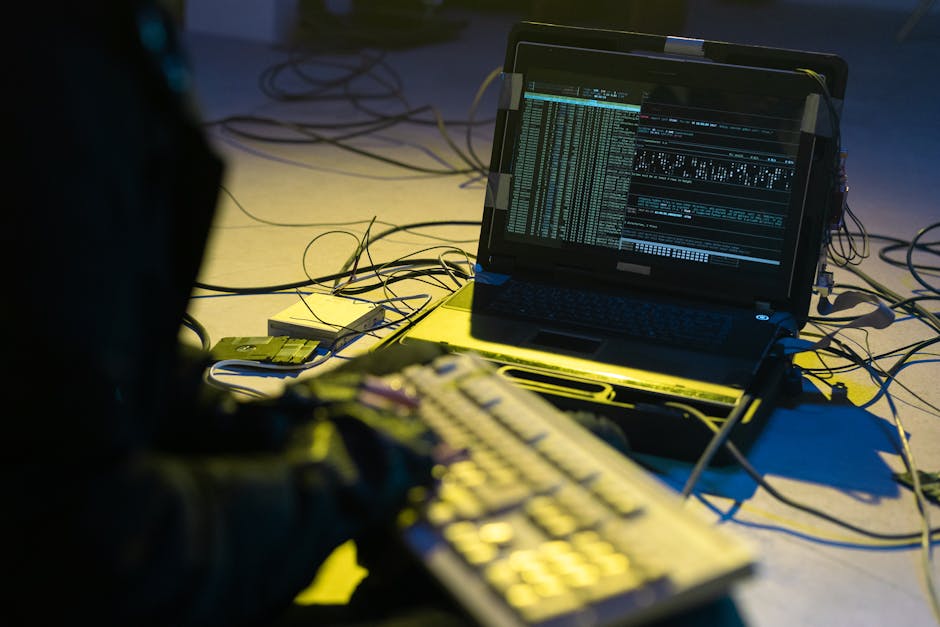
In August, cybersecurity researchers in California uncovered a series of ransomware attacks powered by a previously unknown strain of malware. Dubbed Defray by its creators, this custom-built program encrypts all files on a victim’s hard drive upon execution. Two distinct, highly targeted campaigns were detected, affecting organizations in the United Kingdom and the United States. The first wave focused on healthcare and education institutions, while the second targeted manufacturing and technology firms. These Defray ransomware campaigns highlight evolving tactics in the cybercriminal playbook.

How the Defray Ransomware Campaigns Worked

The attackers relied on carefully crafted phishing emails to infiltrate their targets. For example, employees at UK hospitals received messages with subject lines like “patient reports,” while workers at a British aquarium got emails featuring graphics of marine life. Each email contained a Word document laced with the virus, and recipients were urged to download it. Those who did soon saw a pop-up message on their desktop: their files were encrypted.

Attackers demanded a ransom—often up to $5,000 in Bitcoin—in exchange for the decryption key. The messages even provided email addresses for victims to “negotiate” payment. This approach mirrors the WannaCry ransomware outbreak of May 2017, one of the largest cyberattacks in history, which affected over 200,000 servers worldwide.

Why Public Service Organizations Are Prime Targets

There are two main reasons hackers target large public service organizations. First, there’s the leverage factor. Criminals know they can demand higher ransoms from institutions providing essential services. Second, these organizations often lag in security updates. During the WannaCry epidemic, forensic analysis revealed that nearly all infected computers ran unsupported versions of Windows. The Defray ransomware campaigns clearly took a cue from that success.

As a result, the profile of the most at-risk organization for ransomware attacks is clear: any entity offering a public service or vital commodity. This includes hospitals, schools, and manufacturing plants that cannot afford extended downtime.

Lessons Learned from Defray and WannaCry

These attacks underscore the urgent need for preparedness. Organizations must back up critical data on external databases to avoid paying ransoms. Employee education is equally vital—teaching staff to spot phishing attempts and practice safe file downloads can stop an attack before it starts.

For more on defending against similar threats, check out our guide on ransomware prevention strategies and learn about phishing awareness training for employees. Additionally, explore our analysis of cybersecurity trends in healthcare.

Final Thoughts on Ransomware Trends

The Defray incidents prove that ransomware campaigns are becoming more targeted and sophisticated. However, with proactive measures—like regular system updates, employee training, and off-site backups—organizations can reduce their risk. Staying informed about these evolving threats is the first step toward resilience.

Continue Reading
Click to comment

Leave a Reply

Your email address will not be published. Required fields are marked *

Infosecurity

Back-to-School Cyber Hygiene: Essential Digital Safety Tips for Students

Published

on

Back-to-School Cyber Hygiene: Essential Digital Safety Tips for Students

As the new school year kicks off, parents across the United States are ticking off checklists: vaccinations, sports physicals, and new backpacks. Yet one critical item often gets overlooked—cyber hygiene tips for students. In an era where children spend hours online for homework, gaming, and socializing, digital safety is just as vital as physical health. But what does good cyber hygiene look like for a modern student?

Why Cyber Hygiene Matters for Students

Think of cyber hygiene as the digital equivalent of brushing your teeth. It involves simple, consistent habits that protect against online threats. According to a Center for Cyber Safety and Education study, 40% of children in grades 4–8 have connected with a stranger online. This statistic alone underscores the need for proactive student internet safety measures. Cyber threats like phishing, malware, and cyberbullying can affect anyone, but children are especially vulnerable due to their trusting nature and limited experience.

Moreover, the consequences of poor cyber hygiene extend beyond immediate harm. A compromised account can lead to identity theft, financial loss, or long-term reputational damage. Therefore, teaching kids to navigate the digital world safely is an investment in their future.

Practical Cyber Hygiene Tips for Students and Parents

Implementing cyber hygiene tips doesn’t have to be complicated. Here are actionable steps to protect your family’s digital life.

Keep Devices Updated

First, take an inventory of all internet-connected devices in your home—laptops, tablets, phones, and gaming consoles. Ensure each one has the latest software updates installed. Updates often patch security vulnerabilities that hackers exploit. For mobile devices, download apps only from trusted stores like the App Store or Google Play. This simple practice blocks many common threats before they reach your child.

Strengthen Password Habits

Weak passwords are a hacker’s best friend. If your child uses “Password1” or their pet’s name, it’s time for a change. Make password creation a fun family activity. Teach them to use a memorable phrase mixed with numbers and symbols—like “BlueElephant$42!”—which is both strong and easy to recall. Additionally, stress the importance of never sharing passwords with friends. Explain that sharing accounts can lead to impersonation or loss of access if a friendship sours.

Set Ground Rules for Device Use

The same study found that 49% of children are online at 11 p.m. on school nights. To combat this, establish a central charging station in a common area, such as the living room. This keeps devices out of bedrooms after bedtime, promoting better sleep and reducing late-night screen temptation. As a result, kids wake up refreshed with fully charged devices—a win-win for health and online safety for kids.

Monitor Behavioral Changes

Cyberbullying is a pervasive issue that often goes unnoticed until it’s too late. Unlike traditional bullying, it can happen anytime, anywhere. Watch for signs like sudden withdrawal from devices, changes in eating or sleeping habits, or reluctance to attend school. If your child exhibits these behaviors, initiate a calm, non-judgmental conversation. Remember, cyberbullying prevention starts with open communication and vigilance.

Lock Down Social Media Privacy

Social media platforms are a minefield for young users. Teach your child to set their profiles to private, allowing only approved friends to see posts. Emphasize that once something is shared online, it can never be fully erased. Employers often review social media profiles during hiring, so a careless post today could impact a future career. This lesson in digital privacy for children is crucial for long-term reputation management.

Stay Vigilant Against Physical Threats

Digital dangers aren’t limited to screens. Skimmers at gas stations and ATMs can steal credit card information. Advise older students to use familiar, well-lit locations for transactions and to inspect card readers for any signs of tampering. This awareness extends the concept of cyber hygiene into the physical world, protecting against identity theft and financial fraud.

Building a Culture of Open Communication

Ultimately, the most effective tool for student internet safety is ongoing dialogue. Talk to your kids about their online experiences without judgment. Ask about the apps they use, the people they interact with, and any strange messages they receive. You might be surprised by what you learn. For additional resources, explore programs like the Safe and Secure Online initiative, which offers age-appropriate materials for parents and teachers.

In conclusion, the back-to-school season is the perfect time to refresh your family’s cyber hygiene practices. While the flu season comes and goes, cyber threats persist 24/7. By implementing these cyber hygiene tips, you empower your children to navigate the digital world safely and responsibly. Start today—because a little prevention goes a long way.

Continue Reading

Infosecurity

Navigating the Shifting Landscape of 2017 Cybersecurity Threats: Mobile Vulnerabilities, Ransomware, and IoT Holes

Published

on

Navigating the Shifting Landscape of 2017 Cybersecurity Threats: Mobile Vulnerabilities, Ransomware, and IoT Holes

The digital battlefield of 2017 witnessed a troubling evolution in 2017 cybersecurity threats. Attackers moved beyond purely technical exploits, increasingly targeting the human element. Many organizations clung to the belief that physical security solutions alone would suffice. However, criminals cleverly combined socio-technical tactics with psychological manipulation, turning human error into their primary weapon. This article dissects the most pressing dangers of that year and offers actionable strategies for defense.

Mobile Device Security: A Persistent Weak Link

Despite their ubiquity, mobile devices remained critically underprotected. According to a report by F-Secure, only 32% of mobile users installed anti-virus software on their devices. This negligence creates a massive attack surface. Laptops, smartphones, and tablets are physically vulnerable and often store sensitive business documents. In the wrong hands, such data can provide a dangerous competitive advantage.

End users frequently neglect basic security practices. They fail to set authentication passwords, avoid encrypted data transmission channels, and install unauthorized software. Therefore, centralized management is essential. Regardless of a company’s size, a defined procedure for preparing hardware before employee deployment is necessary. This should include guidelines on pre-installed software, secure password policies, and physical security measures. For remote network access, devices should use a VPN channel to create secure communication tunnels. As a result, many organizations benefit from entrusting their mobile security audit to an external entity that can implement robust VPN-based solutions.

The Escalating Menace of Ransomware

Ransomware attacks surged in 2017, becoming one of the most disruptive 2017 cybersecurity threats. These attacks typically encrypt system data, demanding a ransom for decryption. Their effectiveness stems from clever social engineering. Cyber-criminals often impersonate transport companies, sending personalized emails about an uncollected parcel. Clicking the embedded link triggers data encryption. Unfortunately, paying the ransom rarely guarantees data recovery.

The problem continues to grow. A report from Kaspersky Lab covering April 2016 to March 2017 indicated an 11.5% increase in such attacks compared to the previous year. Combating ransomware is difficult because it exploits system vulnerabilities or human carelessness. For critical data, hosting with an external provider offers a viable solution. The provider assumes responsibility for securing essential business data. Additionally, data centralization enables global access, provided an internet connection exists.

Internet of Things (IoT): Unplugged Vulnerabilities

The Internet of Things (IoT) expanded rapidly, but security often lagged behind. According to the Cisco Mobile VNI report, global mobile network traffic was forecast to increase seven-fold by 2018, driven by IoT solutions and smartphones. People embrace smart home systems and remote-controlled appliances for convenience. However, careless device integration exposes sensitive data. For instance, logs from a room temperature management system can reveal when a home is occupied. A poorly designed IoT network becomes a gateway for hackers, risking material losses.

It is crucial to change how systems are designed when implementing IoT. Comprehensive planning must cover network architecture, security protocols, and device usage. Managing this internally is challenging; therefore, engaging professionals is wise. External ICT service providers build reliable, monitored solutions with defined SLAs. This approach minimizes failure frequency and ensures incidents are promptly addressed, often without end-user awareness.

Strategic Data Protection in a Connected World

As the number of 2017 cybersecurity threats multiplies, data storage and management technologies become strategic assets. Businesses cannot afford data loss, yet systemic risks grow. A comprehensive security strategy involves continuous auditing, robust procedures, and expert partnerships. Learn more about protecting your critical data.

Furthermore, staying ahead of emerging threats requires constant vigilance. Specialists fight new dangers daily, each designed for different purposes. There is no single solution to all security problems. Instead, entrusting systems to experts who can tailor defenses is the most effective approach. Discover how managed security services can safeguard your business.

In conclusion, the threat landscape of 2017 highlighted the importance of proactive, multi-layered security. By addressing mobile vulnerabilities, ransomware risks, and IoT holes, organizations can build resilience. The key is to shift from reactive measures to a comprehensive, professionally managed security posture. Explore best practices for modern cybersecurity.

Continue Reading

Infosecurity

Destination Boston! Inside Infosecurity North America 2017 – What to Expect

Published

on

Destination Boston! Inside Infosecurity North America 2017 – What to Expect

With just five weeks to go, excitement is building for Infosecurity North America 2017, set to take place on October 4 and 5 in Boston. The team behind Infosecurity Magazine and Infosecurity Europe is bringing its flagship brand to the U.S. East Coast, aiming to unite the region’s vibrant information security community under one roof.

Why Boston? The East Coast Cybersecurity Hub

Boston has long been known for its academic institutions and healthcare giants, but its cybersecurity scene is rapidly gaining ground. The city boasts access to venture capital for cyber startups, a deep talent pool from universities like MIT and Boston College, and major industries—financial services, healthcare, pharma, and retail—all hungry for innovative security solutions.

In fact, the East Coast infosec community is remarkably collaborative. Organizers have partnered with organizations such as MassTech, ACSC, EWF, EC-Council, (ISC)², MIT CSAIL, Boston College, and the Cloud Security Alliance. Event director John Hyde and the content team visited Boston last month, and the reception was overwhelmingly positive. “The region is crying out for an event that acts as a conduit to bring the community together,” says the content manager. “We’re thrilled to provide that conduit.”

Next-Gen Infosec Live: Cultivating Future Talent

One of the standout features of Infosecurity North America 2017 is the launch of Next-Gen Infosec Live, an extension of the magazine’s Next-Gen Infosec initiative. This session, scheduled for Thursday, October 5, from 1:30 pm to 4:30 pm, invites undergraduate and postgraduate students to hear an inspirational talk from an industry leader about careers in cybersecurity. It’s a concrete step toward addressing the global cyber-skills shortage.

Keynote Stage: Four Modules of Actionable Insight

The conference program is built around four carefully curated modules, each designed to provide practical takeaways for information security professionals.

Hacking the Human Vector

It’s no secret that the human attack vector remains the most exploited in cyber breaches. No matter how robust the technology, a single user error or malicious insider can open the door to attackers. This module brings together experts from the SANS Institute, LexisNexis, and the CISO of Beth Israel Deaconess Medical Center to discuss strategies for driving secure behavior among users and mitigating human risk.

Privacy, Security, Governance & Risk

Regulatory complexity is a growing headache for CISOs. From vertical-specific rules like NYDFS Cybersecurity Requirements and HIPAA to international frameworks like the EU GDPR, organizations must balance compliance with real security. Speakers from Stanley Black & Decker, Wellforce, and Partners HealthCare will share governance and risk management best practices.

Combating Cyber Risks & Threats

The WannaCry and NotPetya ransomware attacks demonstrated how vulnerable enterprises are to global cyber threats. This panel, featuring CISOs from Commonwealth Financial Network, Brooks Brothers, and Aetna, will explore the evolving threat landscape—including nation-state actors and undisclosed exploits—and how defenders can stay ahead.

Building Cyber Response & Resilience

“It’s not if, but when” has become a cybersecurity mantra. This final module focuses on incident response and recovery, especially as organizations become more connected and critical infrastructure is targeted. Speakers from LexisNexis Risk Solutions, Harvard University, and an FBI Special Agent will offer practical advice on building resilience.

What Attendees Can Take Away

The keynote stage is designed to deliver actionable insights that can be applied immediately. Attendees will hear from CISOs and thought leaders who face the same challenges daily. The event also offers ample networking opportunities, connecting professionals from across the East Coast.

For those who cannot attend in person, Infosecurity Magazine will provide post-event coverage and highlights. In the meantime, check out our events page for more details on upcoming cybersecurity conferences.

Ultimately, Infosecurity North America 2017 is about community—bringing together defenders, innovators, and students to share knowledge and strengthen the industry. Whether you’re a seasoned CISO or a student exploring career options, Boston in October promises to be a milestone event for the East Coast infosec scene.

Continue Reading

Trending