Connect with us

How To

FansyU Dating App: What It Is and How to Get Started

Published

on

FansyU Dating App: What It Is and How to Get Started

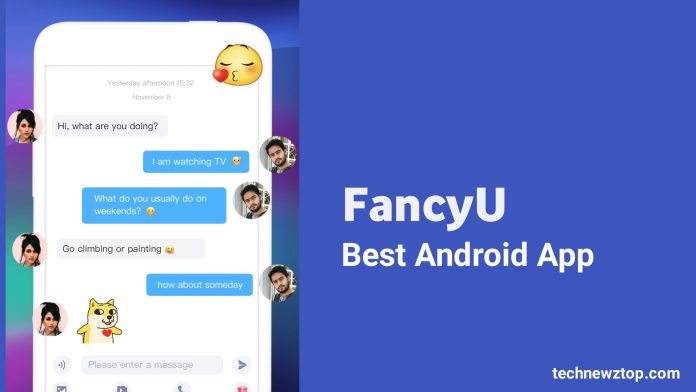
Looking to expand your social circle or meet new people nearby? There’s an app for that. FansyU has emerged as a popular choice for Android users seeking casual connections and friendships. It’s designed to be straightforward, putting the focus on meeting others rather than complicated features.

Think of it as a digital introduction service. You can connect with people you might not encounter in your daily routine. While many apps promise similar experiences, FansyU has carved out its own space in the mobile dating scene. Ready to see what it’s about?

Understanding the FansyU App Experience

FansyU is an Android application built for social discovery. Its core function is simple: facilitate connections between users. The interface is generally user-friendly, aiming to minimize the friction between downloading the app and starting a conversation.

Why choose this app over others? For many, its appeal lies in its direct approach. It doesn’t overcomplicate the process of finding and chatting with new people. In a world full of complex social platforms, sometimes a simple tool is exactly what someone needs to break the ice.

How to Download and Install FansyU

Getting started with FansyU is a quick process. Since it’s an Android app, you’ll find it available on platforms like the Google Play Store. Always ensure you’re downloading from an official source to protect your device and personal information.

The installation follows the standard Android procedure. Tap the install button, grant the necessary permissions (always review these carefully), and wait for the download to complete. Within minutes, the app icon should appear on your home screen or app drawer, signaling it’s ready to set up.

Using the App Safely and Responsibly

It’s crucial to approach any social app with a measure of caution. FansyU, like all platforms connecting strangers, requires users to be mindful of their interactions. Never share sensitive personal information like your home address, financial details, or passwords with someone you’ve just met online.

Trust your instincts. If a conversation feels uncomfortable or a user’s requests seem suspicious, it’s perfectly okay to disengage and block them. The app is meant for entertainment and socializing, but your safety should always come first. Meeting in public places for any in-person gatherings is a standard, non-negotiable safety practice.

Remember, the connections you make are with real people. A bit of common sense and respect goes a long way in creating a positive experience for everyone involved.

Final Thoughts on Navigating Social Apps

Apps like FansyU highlight how technology continues to reshape how we meet and interact. They offer a convenient portal to a wider social world, breaking down geographical barriers with a few taps on a screen.

Whether you’re looking for friendship, casual chat, or something more, the key is to manage your expectations and prioritize your digital well-being. Start slow, get a feel for the community, and don’t feel pressured to share more than you’re comfortable with. The digital social scene is what you make of it.

Continue Reading

Social Media

Stop Chasing Viral Hits: Why Your Business Needs a Video Series

Published

on

video series for business

The Viral Trap Most Marketers Fall Into

You’ve seen it happen. A brand posts a silly clip, it explodes overnight, and the CEO does a happy dance. Then what? A week later, nobody remembers the brand. The views were there. The customers weren’t.

That’s the problem with chasing viral hits. They feel great in the moment but do almost nothing for your bottom line. What actually moves the needle is something far less flashy: a steady, structured video series for business that builds real relationships over time.

Think about how you watch TV. You don’t fall in love with a show after one random episode. You get hooked because each episode leaves you wanting more. The same psychology applies to your customers.

Why Series Content Beats One-Off Videos

Here’s a number that should make you sit up: Google’s 7-11-4 rule. It’s the idea that a prospect needs roughly 7 hours of interaction across 11 touchpoints in 4 different channels before they feel comfortable buying from you. One viral video might get you a few of those touchpoints. A series gets you all of them.

When you commit to a series, you’re making a promise. You’re telling your audience, “I’ll show up consistently with value.” That consistency builds trust. Trust builds sales.

Series content also feeds the algorithms. Platforms like YouTube and Facebook love watch time. When people binge your episodes, the algorithm notices and pushes your content to more viewers. It’s a virtuous cycle that a single video can’t replicate.

The Binge-Worthy Factor

There’s a reason Netflix releases entire seasons at once. Binge-watching creates momentum. Your video series should aim for the same effect, even if you publish weekly. Each episode should end with a hook that makes the next one irresistible.

Storytelling Frameworks That Turn Viewers Into Customers

You don’t need to be a Hollywood screenwriter to craft a compelling series. You just need a solid structure. Here are three frameworks that work particularly well for business video:

  • The Hero’s Journey: Your customer is the hero. Your product or service is the guide that helps them overcome challenges. Each episode tackles a different obstacle.
  • The Educational Arc: Start with a problem, walk through the steps to solve it, and end with a transformation. This works great for tutorials or how-to content.
  • The Behind-the-Scenes Narrative: Take viewers inside your company. Show the struggles, the wins, the people. This builds emotional connection like nothing else.

Whichever framework you choose, remember this: the audience should always be the protagonist. You’re not the star. They are. Your job is to help them win.

How to Structure Your Series for Maximum Impact

Before you hit record, map out the entire series. You don’t need every detail, but you do need a clear trajectory. Here’s a simple way to think about it:

  1. Start with the problem your audience faces. Make it painfully relatable.
  2. Build with value. Each episode should deliver one actionable takeaway.
  3. End with a call to action. Not just “subscribe” — invite them to comment, download a resource, or book a call.

Also, think about the format. Will it be a talking-head style? Interviews? Animated explainers? Pick something sustainable. A series only works if you can keep producing it without burning out.

Consistency Is Non-Negotiable

Weekly is ideal. Bi-weekly is acceptable. Monthly is better than nothing. But whatever you choose, stick to it. Your audience needs to know when to expect new content. That reliability is part of the trust-building magic.

From Casual Viewer to Loyal Customer

The real goal of your video series isn’t views. It’s conversion. And conversion happens when you’ve earned enough trust that the next step feels obvious.

Here’s a practical tip: make your series part of a larger funnel. Use each episode to address a specific objection or question you hear from prospects. Then guide them to the next stage — whether that’s a lead magnet, a consultation, or a product page.

For example, if you sell project management software, your series could cover common team collaboration pitfalls. Episode 3 might be about communication breakdowns. At the end, you mention how your tool solves that exact problem. That’s not pushy. That’s helpful. And helpful sells.

If you’re new to video, start small. Check out how to create video content for beginners to get the basics down. And if you’re wondering about the best platforms to host your series, this guide on choosing the right video platform will help you decide.

Another resource worth exploring is building a content marketing strategy that aligns with your series goals. The more integrated your efforts, the better the results.

Measure What Matters

Don’t obsess over view counts. Instead, track metrics like watch time, retention, and conversion rate. These tell you whether your content is actually resonating and driving action.

Set a goal for each episode. Maybe it’s getting 100 comments. Maybe it’s 50 new email subscribers. Whatever it is, make it specific. Then review your analytics monthly and adjust your approach.

Creating a video series for business is a commitment. But it’s one of the most effective ways to build a loyal audience that actually buys from you. Stop chasing the viral lightning in a bottle. Start building something that lasts.

Continue Reading

Social Media

Bluesky Gives Users an Off Switch for the Viral Machine

Published

on

Bluesky algorithmic opt-out

Not Everyone Wants the Spotlight

Bluesky just handed its users a quiet little superpower: the ability to disappear from the algorithmic crowd.

On Thursday, the open social network rolled out an algorithmic opt-out feature that stops your posts from surfacing in the main Discover feed. It arrived less than 24 hours after Bluesky added support for longer videos — a busy week for the team.

The Discover feed, for the uninitiated, can currently pull in just about any public post on the network. Bluesky posts are public by default, which means a stray thought can suddenly find itself in front of thousands of strangers. Not everyone wants that.

What This Feature Actually Does (and Doesn’t Do)

Let’s clear up a common misconception right away. This is not a privacy toggle. Your posts remain public, and anyone with a link can still see them. Bluesky is still building private data support at the protocol level — that’s a separate project.

What the opt-out does is make your posts less discoverable to people outside your existing circle. It’s a visibility dial, not a lock.

The company says it built this because some people just want to post for their followers. They don’t want their words amplified to a larger crowd. They don’t want to go viral. Simple as that.

How to Turn It On

If you’re ready to step out of the algorithmic spotlight, here’s what to do:

  1. Open the Bluesky app on your device.
  2. Head to Settings, then Privacy and Security.
  3. Toggle on the new option to stop your posts from appearing in Discover.

One small caveat: the change can take up to an hour to fully take effect. So if you flip the switch and immediately check the Discover feed, you might still spot your post lingering there. Patience is key.

An Account-Level Setting That Travels With You

Here’s where Bluesky’s implementation gets interesting. This isn’t just a setting that lives inside the Bluesky app. The preference is recorded at the account level, which means it travels with you across the AT Proto ecosystem.

Let’s say you post from another app built on the same underlying protocol — something like a third-party client or a custom feed tool. That app will see your preference and know you’ve opted out.

But here’s the catch: those other apps have access to the information, yet they still have to choose whether to respect it. Bluesky is essentially setting a standard and hoping the ecosystem follows along. The protocol can carry the message, but it can’t force compliance.

Why This Matters for the Fediverse-Style Future

Bluesky’s approach is a small but meaningful step toward user agency in social media. The company is betting that people want more control over how their content flows, not just what they see.

It’s a different philosophy from the algorithmic giants that dominate the space. On platforms like X or Instagram, the algorithm decides who sees what, and users have little say in the matter. Bluesky is flipping that script, at least partially.

This also raises a broader question: if the AT Proto ecosystem grows, will other apps honor these preferences? The protocol can encode the intent, but enforcement is another matter entirely. It’s a test of whether decentralized social media can actually deliver on its promises.

The Bigger Picture: Slowing Down the Virality Machine

The Bluesky social network has been on a roll lately, adding features at a brisk pace. Longer videos yesterday, algorithmic opt-out today. The company seems intent on building a platform that feels less like a popularity contest and more like a community.

For those who’ve been burned by viral moments they never asked for, this feature is a welcome reprieve. It’s a recognition that not everyone wants the same experience — some people are chasing reach, while others just want to talk to their friends.

Bluesky’s privacy and safety tools are clearly evolving, and this latest addition shows the team is listening to the quieter voices in its user base. The question now is whether the rest of the ecosystem will follow suit.

One thing’s for sure: the opt-out won’t stop you from going viral on other platforms. But on Bluesky, at least, you now have a say in the matter. That’s more than most social networks offer.

Continue Reading

How To

5 More Vinyl Record Myths We Should Stop Believing Today

Published

on

vinyl record myths

Vinyl Record Myths: The Sequel

You’d think after decades of vinyl’s comeback, we’d have sorted fact from fiction. Not quite. Old wives’ tales about records and turntables are stubborn things. They survive because they sound plausible, and because nobody wants to risk damaging a collection worth hundreds of dollars.

Last time, we tackled some of the biggest vinyl record myths head-on. But the misinformation doesn’t end there. Here are five more myths that need to be put to bed for good.

Myth 1: You Must Clean a New Record Before Playing It

Fresh out of the shrink wrap, that LP looks pristine. Many audiophiles insist you need to give it a wet clean before the stylus ever touches the grooves. The logic? Factory dust and static cling to new pressings.

Here’s the reality: most new records are clean enough to play immediately. They’re pressed in controlled environments and bagged quickly. A dry carbon-fiber brush to remove surface dust is all you really need. Wet cleaning a brand-new record can actually introduce more problems than it solves — leftover fluid, residue, and the risk of warping if you’re not careful.

Save the deep cleaning for used records that actually need it.

Myth 2: All Turntable Needles Are the Same

Walk into any electronics store and you’ll see a wall of cartridges ranging from $20 to over $1,000. Surely they can’t all sound identical. Yet some casual listeners insist the needle is just a needle — a pointy piece of metal that reads grooves.

That’s like saying all car tires are the same because they’re round and black. The stylus shape matters enormously. A conical stylus rides higher in the groove, missing detail. An elliptical or microline stylus gets deeper, tracing more of the recorded signal. The cartridge body, cantilever material, and suspension all affect how the vibrations translate into sound.

Upgrading your cartridge is one of the most cost-effective turntable setup improvements you can make. But no, you don’t need to spend a fortune — just understand that quality differences are real.

Myth 3: Records Sound Better Than Digital, Period

This is the granddaddy of all vinyl myths. The idea that analog is inherently superior to digital has been around since the CD launched. It’s also fundamentally flawed.

Vinyl has a unique sound — warm, slightly compressed, with a gentle noise floor. Many people genuinely prefer that character. But “better” is subjective. A well-mastered digital file has wider dynamic range, lower distortion, and zero surface noise. Objectively, digital is more “accurate.”

The real difference is mastering. Many vinyl releases are mastered differently from their digital counterparts, often from the original analog tapes. That’s why a good vinyl pressing can sound more alive than a brick-walled digital master. It’s not the format that’s better — it’s the mastering. Don’t confuse the two.

Myth 4: You Should Never Touch the Grooves

There’s a puritanical belief that your fingers must never come into contact with the record surface. One fingerprint, the thinking goes, and the grooves are ruined forever.

Fingerprints contain oils and dirt, sure. But they’re not acid. A fingerprint won’t permanently damage a record. It can attract dust, and it might cause a bit of surface noise if left alone for months. But a simple wipe with a soft cloth or a proper cleaning solution will remove it without any harm.

That said, you should still handle records by the edges and label whenever possible. It’s good practice. But if you slip up, don’t panic. The record isn’t ruined — just give it a quick clean.

Myth 5: Cheap Turntables Destroy Your Records

This one has some truth to it, but it’s overstated. The fear is that inexpensive players with ceramic cartridges and high tracking force will chew up your grooves like a hungry dog.

Here’s what actually happens: a poorly designed turntable with excessive tracking force can accelerate wear, especially if the stylus is worn or dirty. But most budget turntables today are far better than the suitcase players of decades past. They use magnetic cartridges, adjustable counterweights, and reasonable tracking forces.

The bigger risk isn’t the turntable — it’s neglect. A dirty stylus, a misaligned cartridge, or a warped record will cause more damage than a cheap but functional player. If you’re on a tight budget, a basic turntable with a new stylus and proper setup will serve your records fine. Upgrade when you can, but don’t let the myth keep you from enjoying vinyl at all.

Stop Believing, Start Listening

Vinyl is a hobby, not a religion. The joy is in the music, not in following every rule handed down by forum posters and self-appointed gurus. Use common sense, keep your equipment clean, and enjoy the records you love.

If you’re curious about record cleaning done right, or want to know how to set up a turntable properly, we’ve got guides for that. But most importantly, don’t let misinformation spoil a great hobby. Spin that record, sit back, and listen.

Continue Reading

Trending