Connect with us

Uncategorized

Garmin Partners with Natural Cycles to Transform Wearable Birth Control Technology

Published

on

The wearable technology landscape continues to evolve in unexpected directions. When Garmin announced its partnership with Natural Cycles, it marked a pivotal moment in reproductive health technology. This collaboration transforms how women approach contraception through advanced smartwatch integration.

How Garmin Birth Control Technology Actually Works

Natural Cycles represents the first FDA-approved birth control app in the United States. The system relies on sophisticated temperature tracking algorithms to identify fertile and non-fertile days. Through this partnership, Garmin wearables now seamlessly integrate with this proven methodology.

Therefore, users can track their basal body temperature throughout the night using their smartwatch. The device automatically syncs this data with the Natural Cycles app, eliminating manual temperature taking. This automation significantly improves accuracy and user compliance.

The technology works by detecting subtle temperature variations that occur during different phases of the menstrual cycle. As a result, women receive daily fertility status updates directly through their wearable device.

Revolutionary Features of Smartwatch Contraception

This innovative approach offers several advantages over traditional birth control methods. First, it provides hormone-free contraception for women seeking natural alternatives. The system requires no daily pills or invasive procedures.

In addition, the continuous monitoring capability delivers unprecedented accuracy. Users receive real-time insights about their reproductive health through detailed analytics. The integration eliminates the inconvenience of separate temperature tracking devices.

However, success depends heavily on consistent usage and proper understanding of the method. The system works best for women with regular menstrual cycles who can commit to daily tracking.

Clinical Effectiveness and Safety Standards

Clinical studies demonstrate Natural Cycles achieves 93% effectiveness with typical use and 98% with perfect use. These statistics place it among the most reliable non-hormonal contraceptive methods available today.

The FDA approval process involved rigorous testing and validation studies. Researchers analyzed data from thousands of users to establish safety and efficacy standards. This regulatory backing provides confidence for healthcare providers and patients alike.

Impact on Women’s Health and Reproductive Freedom

This partnership represents more than technological innovation—it expands reproductive choices. Many women experience side effects from hormonal contraceptives or prefer natural family planning methods. Building on this need, the Garmin birth control integration offers a sophisticated alternative.

The accessibility factor cannot be overstated. Users already wearing Garmin devices can access contraceptive technology without additional hardware purchases. This convenience removes barriers that previously prevented adoption of fertility awareness methods.

On the other hand, the technology requires significant user education and commitment. Healthcare providers must ensure patients understand both capabilities and limitations of app-based contraception.

Future Implications for Wearable Health Technology

This collaboration signals broader trends in personalized healthcare delivery. Wearable devices increasingly serve as comprehensive health monitoring platforms rather than simple fitness trackers. The integration of reproductive health management represents a natural evolution in this space.

As a result, we can expect similar partnerships between technology companies and healthcare providers. The success of this initiative may inspire development of additional reproductive health applications for wearable platforms.

Furthermore, the data generated through continuous monitoring could contribute to broader research initiatives. Understanding population-level fertility patterns may inform public health strategies and reproductive medicine advances.

The partnership between Garmin and Natural Cycles fundamentally changes how women approach contraception. By combining proven fertility awareness methods with cutting-edge wearable technology, this collaboration offers unprecedented convenience and accuracy. While traditional birth control methods remain important, this innovation expands the contraceptive toolkit available to modern women.

For more insights on wearable health technology trends and digital reproductive health solutions, explore our comprehensive coverage of emerging healthcare innovations.

Continue Reading
Click to comment

Leave a Reply

Your email address will not be published. Required fields are marked *

Uncategorized

Android 17 Revolutionizes Location Privacy with Smart Controls and User-First Design

Published

on

The battle for mobile privacy takes a decisive turn with Android 17’s revolutionary approach to location permissions. Rather than forcing users into complex decisions about perpetual access, this update introduces a fundamentally different philosophy: share your whereabouts only when you actually want to.

The End of Always-On Location Sharing

Traditional location permissions created an all-or-nothing scenario that left users vulnerable. However, Android 17 location privacy controls flip this model entirely. The new system centers around temporary access rather than permanent permissions.

Consider this scenario: you need directions to a restaurant. Instead of granting continuous location access, you simply activate the dedicated location button. The app receives your coordinates for that specific task, then loses access immediately afterward. This approach eliminates the lingering uncertainty about which applications might be silently monitoring your movements.

Real-Time Visibility Into Location Access

Transparency becomes the cornerstone of Android 17 location privacy through persistent status indicators. When any application accesses your location data, a clear notification appears in your status bar. This isn’t just a passive alert – tapping it reveals exactly which apps have recently requested location information.

Furthermore, this real-time monitoring extends beyond simple notifications. Users can instantly revoke permissions for any application that seems suspicious or unnecessary. The days of wondering “is something tracking me?” become obsolete when you have complete visibility into location access patterns.

Smarter Approximate Location Technology

Previous approximate location features relied on fixed geographical grids that often failed to provide adequate privacy protection. As a result, users in less populated areas found their “approximate” locations were still quite revealing. Android 17 addresses this fundamental flaw with intelligent location blurring that adapts to population density.

This enhanced approach ensures consistent privacy regardless of whether you live in downtown Manhattan or rural Montana. The system dynamically adjusts the location radius based on surrounding activity, making approximate sharing truly protective across diverse environments.

Redesigned Permission Interface Reduces Confusion

The notorious complexity of Android location permissions gets a complete overhaul. Instead of technical jargon and unclear options, Android 17 location privacy settings use plain language and intuitive design. The distinction between precise and approximate sharing becomes immediately clear through visual cues and simplified explanations.

Additionally, the new interface eliminates repetitive permission requests that previously frustrated users. Once you’ve made a decision for a specific context, the system remembers your preference without constantly interrupting your workflow. This streamlined approach encourages more thoughtful privacy decisions rather than hasty approvals.

Impact on App Developers and User Behavior

These changes represent more than technical improvements – they signal a philosophical shift toward user agency in privacy decisions. App developers must now justify location requests more clearly, as users possess greater control over when and how their whereabouts get shared.

Building on this foundation, the update encourages more intentional location sharing. Users develop better awareness of which applications truly require location access versus those that simply want it for advertising or analytics purposes. This conscious approach to privacy permissions creates a healthier relationship between users and their devices.

The transformation extends beyond individual privacy benefits. When users feel confident about their location controls, they’re more likely to engage with location-based services that genuinely enhance their experience. This creates a positive cycle where privacy protection actually enables rather than restricts useful functionality.

Looking Forward: Privacy as a Competitive Advantage

Android 17’s approach to location privacy sets new standards for mobile operating systems. By prioritizing user control over convenience for developers, Google demonstrates that robust privacy features can coexist with rich functionality.

This evolution reflects growing user awareness about data privacy and the demand for transparent, controllable sharing mechanisms. As more people recognize the value of their location data, systems that respect user autonomy will likely become essential rather than optional features.

The introduction of one-time location access represents just the beginning of more granular privacy controls. Future updates may extend this temporary permission model to other sensitive data types, creating a comprehensive framework for user-controlled information sharing across all mobile applications.

Continue Reading

Uncategorized

Apple Makes Rare Quick Move: Studio Display Gets $400 Price Cut After User Backlash

Published

on

In an unprecedented move for Apple, the tech giant has slashed prices on its newly launched Studio Display by $400 just weeks after its debut. This rapid pricing adjustment represents a significant departure from Apple’s typical strategy of maintaining premium pricing regardless of market feedback.

Apple Studio Display Gets Unexpected Price Relief

Initially, the Apple Studio Display faced criticism for its unusual pricing strategy. Both the VESA mount configuration and the adjustable stand version carried identical $3,299 price tags, creating confusion among potential buyers.

The VESA mount option, essentially a mounting plate for external arms or wall brackets, now starts at $2,899—representing a substantial $400 reduction. Meanwhile, the nano-texture glass variant dropped from $3,599 to $3,199, maintaining the same discount structure across configurations.

Why This Apple Studio Display Pricing Change Matters

This adjustment addresses a fundamental market expectation: VESA mount displays typically cost less than their adjustable stand counterparts. The original pricing ignored this industry standard, creating an awkward disconnect for consumers.

Furthermore, Apple has restructured its online configuration process. Instead of leading customers through glass options first, the website now prioritizes stand selection. This change encourages buyers to consider their actual usage needs before exploring premium finishes.

Breaking Apple’s Traditional Pricing Pattern

Historically, Apple maintains launch prices for extended periods, rarely acknowledging market pressure through quick adjustments. However, this Studio Display pricing revision suggests the company recognized an error in its initial strategy.

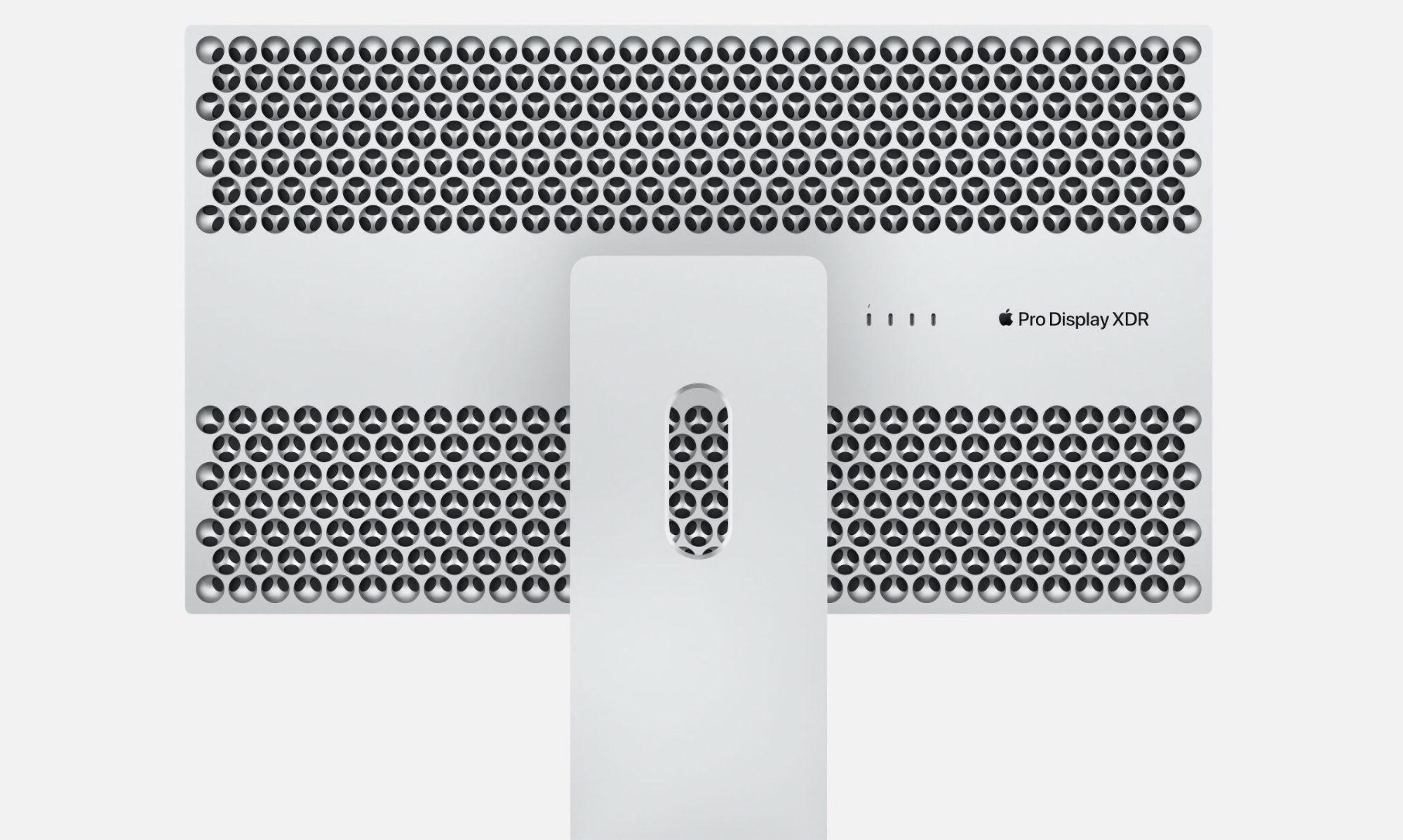
Interestingly, Apple’s own Pro Display XDR followed conventional pricing logic from launch, making the Studio Display’s original structure even more puzzling. The correction brings consistency across Apple’s professional display lineup.

As a result, the company appears to have listened to user feedback more rapidly than usual. This responsiveness, while subtle, marks a notable shift in Apple’s typically rigid pricing philosophy.

Market Impact of Apple Studio Display Changes

The price adjustment makes the display more competitive against alternatives from Dell, LG, and other professional monitor manufacturers. Previously, the uniform pricing regardless of stand type created an unusual market position.

Additionally, this move may influence future Apple product launches. The quick correction demonstrates that even Apple acknowledges when pricing strategies miss the mark, potentially leading to more thoughtful initial pricing structures.

On the other hand, existing customers who purchased at launch prices might feel frustrated by the rapid reduction. Apple hasn’t announced any retroactive pricing adjustments or compensation for early adopters.

What This Means for Future Apple Purchases

This unexpected pricing flexibility raises questions about Apple’s evolving strategy. Will the company become more responsive to market feedback, or does this represent an isolated correction?

Therefore, potential Apple customers might benefit from waiting beyond launch periods to see if similar adjustments occur. The Studio Display precedent suggests that even Apple’s premium pricing isn’t immune to market realities.

Building on this development, the company’s willingness to make quiet corrections indicates a more pragmatic approach to competitive positioning. This could signal broader changes in how Apple responds to user criticism and market dynamics.

Continue Reading

Uncategorized

Honor Magic 8 RSR Porsche Design January 2025 Launch Date Revealed with Flagship Specs

Published

on

Honor Magic 8 RSR Launch Timeline Confirmed

Recent insider reports have unveiled critical details about the upcoming Honor Magic 8 RSR Porsche Design, with Chinese industry sources pointing to January 19, 2025, as the official debut date. This premium flagship represents Honor‘s most ambitious collaboration with Porsche Design yet, building upon the success of its predecessor while introducing substantial hardware improvements.

The device will make its first appearance in the Chinese market before expanding to international territories. However, global availability remains uncertain as Honor continues to evaluate regional rollout strategies. Early promotional materials have already surfaced on various social media platforms, giving enthusiasts their first glimpse of the device’s striking purple colorway.

Premium Design Language Meets Porsche Aesthetics

Building on this foundation, the Honor Magic 8 RSR showcases a refined design philosophy that honors both brands’ commitment to excellence. The leaked images reveal a centered camera module featuring a distinctive squircle shape, housing three sophisticated sensors within a cohesive arrangement. This design choice reflects Porsche’s emphasis on symmetrical proportions and functional beauty.

The smartphone’s frame construction utilizes premium metal materials, ensuring durability while maintaining an elegant profile. Most notably, the device includes a dedicated camera button positioned for optimal ergonomics, enhancing the photography experience for professional and casual users alike.

Color Options and Build Quality

Currently, the purple variant dominates leaked promotional content, though additional color options may emerge closer to the launch date. This exclusive finish embodies the luxury positioning that distinguishes RSR models from standard Magic series devices.

Honor Magic 8 RSR Camera System Breakthrough

Perhaps the most significant upgrade lies within the camera department, where the Honor Magic 8 RSR introduces a remarkable 200-megapixel periscope telephoto lens. This sensor operates at an 85mm focal length with an f/2.6 aperture, delivering exceptional zoom capabilities for various shooting scenarios.

The primary camera incorporates a one-inch sensor paired with an f/1.6 aperture lens, promising superior low-light performance and depth of field control. An ultrawide lens completes the triple-camera configuration, providing versatility for landscape and architectural photography.

Advanced Photography Features

These camera improvements position the device as a serious contender in the competitive flagship photography segment. The combination of large sensors and advanced computational photography should deliver results that rival dedicated camera equipment in many situations.

Performance and Hardware Specifications

Under the hood, the Honor Magic 8 RSR reportedly features the cutting-edge Snapdragon 8 Elite Gen 5 processor, though some sources refer to it as the Snapdragon 8 Gen 5 Elite. This silicon powers the entire Magic 8 lineup, ensuring consistent performance across the series.

Memory configurations reach impressive heights, with RAM options extending up to 24GB and storage capacities maxing out at 1TB. These specifications cater to power users who demand seamless multitasking and extensive local storage for media files.

Battery Life and Charging Capabilities

In addition to processing power, the Honor Magic 8 RSR addresses battery anxiety with a substantial 7,200mAh capacity. This represents a significant increase compared to the Magic 7 RSR’s 5,850mAh battery, potentially extending daily usage by several hours.

Fast charging technology supports up to 120W wired charging speeds, surpassing the previous generation’s 100W capability. While wireless charging specifications remain unconfirmed, industry trends suggest substantial improvements in this area as well.

Comparison with Magic 7 RSR

The previous Magic 7 RSR launched in China with a price point of CNY 7,999 (approximately $1,100). That model featured a 6.8-inch OLED display, Snapdragon 8 Elite Extreme chipset, and supported both 100W wired and 80W wireless charging.

Considering the substantial hardware upgrades planned for the Honor Magic 8 RSR, pricing will likely reflect these improvements. Premium smartphone buyers should prepare for a higher entry point that matches the enhanced specifications.

As a result, the Honor Magic 8 RSR Porsche Design appears positioned to redefine luxury smartphone standards when it arrives this January. The combination of advanced camera technology, extended battery life, and distinctive Porsche Design aesthetics creates a compelling package for discerning consumers seeking the ultimate mobile experience.

Continue Reading

Trending