Connect with us

Artificial Intelligence

Google Chrome Is Silently Installing a 4 GB AI Model on Your Device. Here’s How to Stop It

Published

on

Google Chrome Is Silently Installing a 4 GB AI Model on Your Device. Here’s How to Stop It

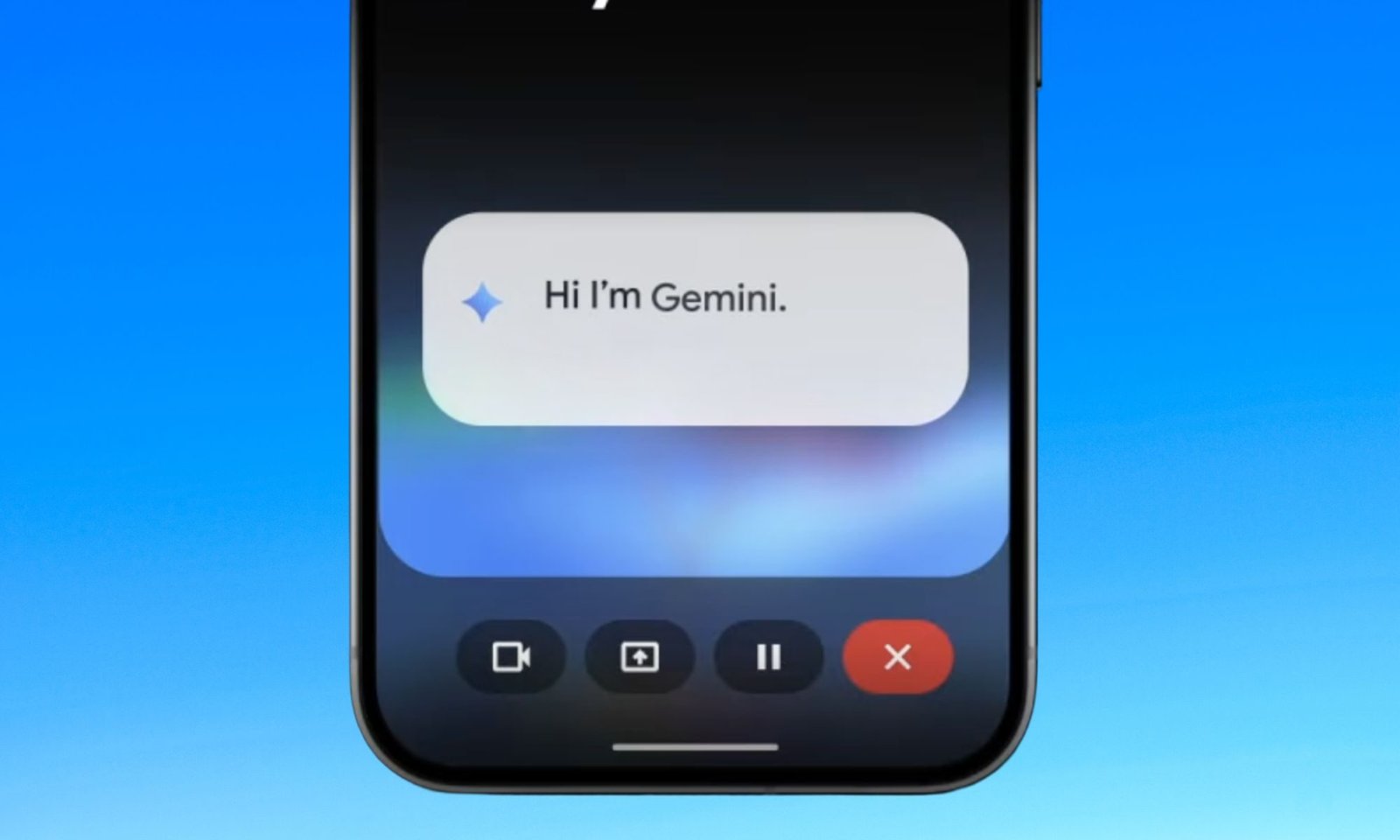
Google Chrome remains the world’s most popular browser, but it is facing increasing competition from a new generation of AI-powered browsers like Perplexity Comet and Dia. In an effort to stay ahead, Google has been integrating artificial intelligence into Chrome. However, a recent discovery has raised serious concerns about privacy and storage. Chrome is now quietly downloading a massive 4 GB AI model onto users’ devices without asking for permission. This Google Chrome AI model, known as Gemini Nano, is automatically installed on compatible hardware, and many users have no idea it is there.

What Is the Google Chrome AI Model and How Does It Install?

If you open your file manager and look for a folder named “OptGuideOnDeviceModel”, you may find a file called “weights.bin”. This file is roughly 4 GB in size and contains Gemini Nano, Google’s on-device AI model. Privacy expert Alexander Hanff discovered this behavior using macOS filesystem event logs, which track every file created or modified at the operating system level.

According to Hanff’s findings, on a freshly created Chrome profile that received zero human input, the entire 4 GB model downloaded in under 15 minutes while a tab was simply left open. Chrome does not ask for permission before installing the Google Chrome AI model. It automatically initiates the download once it determines that your hardware meets the requirements, even if you have never used any AI feature.

Why Is This a Problem for Users and the Environment?

This silent installation consumes significant storage space without user consent. Even worse, if you delete the file, Chrome re-downloads it the next time it runs. Hanff noted that “the user’s deletion is treated as a transient state to be corrected, not as a directive to be respected.”

Interestingly, the most visible AI feature in Chrome—the “AI Mode” pill in the address bar—does not use the local model at all. Instead, it sends your queries to Google Gemini servers. The on-device model powers less visible features like “Help me write” in text boxes and on-device scam detection. This raises the question: why download a 4 GB model for features most users never touch?

Beyond storage concerns, the environmental impact is staggering. Hanff estimates that if 500 million devices download this model, the bandwidth alone translates to roughly 30,000 tonnes of CO2 emissions. That is equivalent to around 6,500 cars running for an entire year—and that is just for the delivery, not actual usage.

How to Disable the Google Chrome AI Model Download

Google should make this download require user confirmation. Until then, you can stop it manually. Follow these steps to disable Google Chrome AI features:

  1. Open Chrome and type chrome://flags in the address bar.
  2. Search for “Enables optimization guide on device”.
  3. Change the setting from “Default” to “Disabled”.
  4. Restart Chrome for the change to take effect.

This method takes more steps than it should, but it effectively prevents Chrome from downloading the Gemini Nano model. For more tips on managing browser storage, check out our guide on clearing Chrome cache.

What Does This Mean for Chrome Users?

This incident highlights a growing trend of browsers adding features without user consent. As AI becomes more integrated into everyday software, users must remain vigilant. The Google Chrome AI model is just one example of how convenience can come at the cost of privacy and control.

If you value your storage space and want to avoid unnecessary data usage, disabling this feature is a smart move. For those concerned about privacy, consider exploring alternative browsers that prioritize transparency. Learn more about privacy-focused browsers that put you in control.

In the meantime, keep an eye on your system for unexpected files. Your device’s storage is yours, not Google’s server room. Take back control today.

Continue Reading
Click to comment

Leave a Reply

Your email address will not be published. Required fields are marked *

Artificial Intelligence

Your ChatGPT Bills Could Soon Get a Drastic Price Cut: Here’s Why

Published

on

Your ChatGPT Bills Could Soon Get a Drastic Price Cut: Here’s Why

If you’ve ever flinched at your monthly AI subscription costs, relief may be on the horizon. According to a recent report from The Wall Street Journal, OpenAI is exploring significant OpenAI price cut measures to reduce what users pay for its services. This move comes as the company battles to retain customers against rivals like Anthropic.

The proposed reductions target token pricing—the unit AI firms use to charge for their products. Interestingly, OpenAI is preparing for similar cuts from Anthropic, meaning that regardless of which service you choose, your AI bills should shrink soon.

Why Is OpenAI Suddenly Feeling Generous?

The answer is straightforward: businesses are growing weary of exorbitant AI expenses. There have even been reports of AI tools costing companies more than hiring actual employees. OpenAI CEO Sam Altman acknowledged this at a recent event, calling costs ‘a huge issue’ and adding, ‘I think we’ll have a lot of ways we can help people get more value for less spend.’

However, it’s not just about customer goodwill. OpenAI faces intense competition. Anthropic’s revenue skyrocketed after its coding tool, Claude Code, went viral among software engineers, pushing the five-year-old startup past OpenAI’s valuation for the first time. In response, OpenAI has refocused on its own coding tool, Codex, but it still trails behind.

The Competitive Landscape Driving the OpenAI Price Cut

Corporate Spending Constraints and Tokenmaxxing

Some corporations poured so much money into AI coding tools that their leaders are now pulling back. An Uber executive revealed that the company had already maxed out its 2026 budget for agentic AI. These comments have sparked a Silicon Valley debate about ‘tokenmaxxing’—the practice of burning through as many tokens as possible to boost productivity, even when it doesn’t generate returns.

This means that an OpenAI price cut could help businesses justify continued AI investment by lowering the cost per token. Without such reductions, many firms might scale back their AI usage.

Google’s Aggressive Pricing Adds Pressure

Google has also entered the fray. Its Gemini models, particularly the budget Flash tiers, undercut both ChatGPT and Claude on price. Google’s business plans cost nearly half of what OpenAI charges, adding more competitive pressure. As a result, OpenAI must act swiftly to retain its user base.

What Does This Price War Mean for You?

For the companies involved, slashing prices is risky. Both OpenAI and Anthropic already lose billions on computing costs, and both have confidentially filed for IPOs. Cutting prices right before facing public investors will be the first real test of their business models.

For users, however, it’s excellent news. You will soon see a drastic reduction in your AI costs. Competition is always good for consumers, and a price cut is one of the biggest benefits. So sit back and let the AI giants fight it out—because for once, we are the ones who win.

To stay updated on the latest AI pricing trends, check out our guide on how to choose the best AI tool for your budget. Additionally, learn about OpenAI vs Anthropic pricing strategies to make informed decisions.

Continue Reading

Artificial Intelligence

Is AI Fact-Checking Doing More Harm Than Good? New Study Raises Red Flags

Published

on

Is AI Fact-Checking Doing More Harm Than Good? New Study Raises Red Flags

Millions of people now rely on AI tools like ChatGPT to verify news stories. But a groundbreaking study from the MIT Media Lab suggests this habit may backfire. The research reveals that depending on AI for fact-checking can actually erode your ability to spot misinformation. This finding challenges the growing trend of using chatbots as primary news verification tools.

How AI Fact-Checking Weakens Your Critical Thinking

According to the MIT study, participants who frequently used AI assistance became less capable of independently evaluating news credibility. The researchers compared this effect to GPS navigation: just as GPS can dull your natural sense of direction, AI fact-checking may quietly weaken your critical thinking skills.

Building on this insight, the study highlights a key concern: users may start outsourcing their judgment to technology instead of actively assessing information. This becomes especially problematic when AI systems present answers confidently, even when those answers are incomplete or incorrect. The result? A false sense of trust that leaves users vulnerable to manipulation.

The Hidden Dangers of AI Fact-Checking Risks

The AI fact-checking risks go beyond simple inaccuracies. Previous research has found that large language models often struggle with nuanced topics, political claims, and rapidly changing news events. Different AI models also show significant variation in performance across subject areas.

Furthermore, as AI tools become embedded in search engines, social media platforms, and browsers, the temptation to accept a chatbot’s answer as final grows stronger. Instead of comparing multiple sources, users may simply trust the AI’s verdict. This dependency creates a dangerous feedback loop where critical evaluation skills atrophy over time.

Why Accuracy Isn’t the Only Problem

The MIT researchers emphasize that the issue isn’t just about AI making mistakes. It’s about dependency. When users rely on AI to determine what’s true, they become less practiced at evaluating sources, checking evidence, and recognizing misleading narratives themselves. This erosion of media literacy skills could have long-term consequences for how society processes information.

However, the study doesn’t suggest abandoning AI entirely. In many cases, these tools can help gather information quickly or summarize complex topics. The key is using AI as a research assistant rather than a replacement for human judgment. As one researcher noted, healthy skepticism remains essential even as chatbots become more persuasive.

Practical Steps to Avoid AI Fact-Checking Risks

So how can you use AI without damaging your fact-checking abilities? First, always verify AI-generated claims against primary sources. Second, develop a habit of cross-referencing multiple sources before accepting any conclusion. Third, practice independent evaluation by occasionally fact-checking stories without AI assistance.

Additionally, consider using media literacy exercises to strengthen your critical thinking muscles. For those interested in deeper analysis, this guide on AI tools for journalists offers practical tips for maintaining editorial judgment while leveraging technology.

The Bottom Line on AI Fact-Checking

The MIT research delivers a clear message: AI can help you investigate the news, but it shouldn’t decide what’s true on your behalf. As chatbots become more powerful and more persuasive, maintaining your own critical thinking skills becomes just as important as having access to the technology itself.

Ultimately, the best approach combines AI’s speed with human skepticism. Use chatbots to surface information and identify potential sources, but always apply your own judgment before accepting any claim as fact. This balanced strategy helps you harness AI’s benefits while avoiding the AI fact-checking risks that could leave you more vulnerable to misinformation.

Continue Reading

Artificial Intelligence

ChatGPT Is Now Recommending Scam Websites That Steal Your Credit Card Info

Published

on

ChatGPT Is Now Recommending Scam Websites That Steal Your Credit Card Info

Imagine asking ChatGPT for help finding a pair of shoes, only to be directed to a fake storefront that steals your payment details. This is no longer a hypothetical scenario. According to a recent report by The Guardian, OpenAI’s chatbot is actively promoting fraudulent retail sites built to harvest credit card information. The discovery, made by scam-checking service Ask Silver, highlights a dangerous new tactic: using AI to amplify online fraud. ChatGPT scam websites now pose a real threat to unsuspecting shoppers.

How Scammers Exploit ChatGPT for Fraud

Scammers have found a clever way to manipulate AI. Instead of phishing emails or fake ads, they are poisoning the data that powers ChatGPT. Ask Silver’s Anna Jones told The Guardian that fraudsters create content designed to rank highly in the chatbot’s responses. This technique, sometimes called data poisoning, tricks the AI into recommending malicious URLs.

These fake sites mimic legitimate storefronts with official-looking web addresses. They target brands that have recently shut down or been acquired, leaving a gap in consumer demand. For example, Russell & Bromley, a British footwear retailer that went into administration in January 2026, had no official site after being absorbed by Next. Scammers built a convincing clone and optimized it to appear in ChatGPT’s search results. Shoppers asking for Russell & Bromley products by name were pointed straight to the fraudulent page.

Defunct Brands: A Prime Target for AI Scams

Fraudsters are deliberately focusing on brands that no longer have an active web presence. When a company closes or is acquired, customers often search for remaining stock or deals. This creates a perfect opportunity for scammers to step in. ChatGPT scam websites exploit this gap by offering products that seem too good to be true—often at steep discounts like 80% off.

OpenAI has since updated its results for shopping queries related to Russell & Bromley. The chatbot now displays a warning: “Several websites currently advertising Russell & Bromley products at 80% appear suspicious and may not be official retailers. Recent reports have highlighted fake Russell & Bromley stores appearing in AI-powered search results.” However, this fix is reactive, not proactive. Other defunct brands could still be vulnerable.

The Growing Problem of AI Shopping Scams

This issue extends beyond one brand. Research published last year found that ChatGPT already struggles to give consistent, reliable product recommendations. Misdirecting users to scam sites represents a far more serious failure. As AI becomes a more active part of the buying process, the risk escalates.

Louise Baxter of the UK’s National Trading Standards warned The Guardian that fraudsters adapt quickly to new technology. With agentic AI shopping still in its early stages, the window to address this vulnerability is narrow. Consumers who rely on ChatGPT for product research could unknowingly hand over their credit card details to criminals.

How to Protect Yourself from ChatGPT-Powered Scams

First, always verify the URL of any recommended site. Look for subtle misspellings or unusual domain extensions. Second, check if the brand has an official website by searching independently—not through the chatbot. Third, use a credit card with fraud protection when shopping online. Finally, report any suspicious sites to authorities like the Federal Trade Commission.

For more tips on staying safe online, read our guide on how to avoid online shopping scams. You might also find our article on best AI tools for safe shopping helpful.

What OpenAI and Regulators Are Doing

OpenAI has acknowledged the issue and is updating its safety systems. The company now includes warnings for certain queries, but this is a patch, not a permanent fix. Regulators like the UK’s National Trading Standards are investigating, but enforcement remains challenging. As AI evolves, so do the tactics of fraudsters.

In the meantime, shoppers must stay vigilant. ChatGPT scam websites are a reminder that AI is not infallible. Always double-check before clicking a link or entering payment information. The convenience of AI comes with responsibilities—both for developers and users.

Continue Reading

Trending