Google Home Speaker (2026) review: Gemini makes it smarter, punchier, and a little paywalled
Google just dropped a new Home Speaker, and it’s not the usual refresh. The $99 speaker swaps Google Assistant for Gemini, and that changes everything about how you talk to your smart home. I’ve spent two weeks with it, and here’s the thing: the hardware is nice, but the AI is the real story.
This isn’t just a Nest Mini with a new name. It’s a fundamental shift in what a smart speaker can do. Instead of barking commands, you talk to it like a person. And for the most part, it works. But there’s a catch — the best features are locked behind a subscription.
Design and setup: Small, clean, and familiar
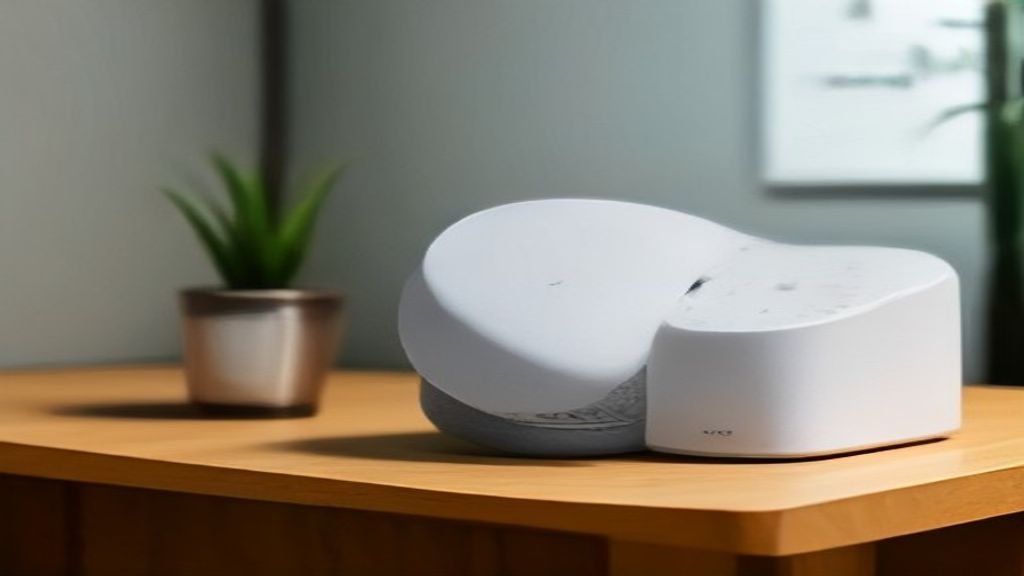
The new Google Home Speaker measures 3.44 inches tall and 4.2 inches wide, weighing just 0.9 pounds. It’s compact enough to sit on a shelf or desk without dominating the room. The fabric cover, made from 3D-knit material, feels premium and echoes the HomePod mini’s aesthetic.
Setup is a breeze. Plug in the 30W USB-C adapter, open the Google Home app, and you’re done in minutes. The speaker comes in four colors: Hazel, Porcelain, Jade, and Berry. Jade and Berry are U.S. exclusives, but Porcelain (my review unit) is a safe, neutral choice that blends into any decor.
One detail I love: the dynamic light ring at the base. It changes color when the speaker is listening, processing, or responding. It’s a small touch, but it makes the device feel alive. The three far-field microphones also do a solid job picking up your voice from across the room.
Gemini interactions: The big shift
Here’s where things get interesting. Google has replaced Assistant with Gemini, and it’s not just a rename. The speaker now understands natural language, not just rigid commands.
Say, “Set the house up for bedtime,” and it knows what you mean. You can chain multiple requests in one sentence, and even change your mind mid-sentence. It’s genuinely conversational.
Reasoning is the standout feature. I asked if it would rain during a baseball game, and instead of just giving the forecast, it reasoned through the context. That’s a leap forward from the old Assistant, which would have just spat out the weather.
You also get 10 voice options to personalize the assistant. And for everyday tasks — reminders, calendar, shopping lists — it handles follow-up questions without restarting the conversation. That’s a huge quality-of-life improvement.
Subscription pinch: Gemini Live and more
The core Gemini experience is free, but the good stuff isn’t. Buyers who grab the speaker before the end of September get six months of Google Home Premium free. That unlocks Gemini Live, which lets you have full back-and-forth chats with the speaker.
Premium also adds camera search history (ask if the dog jumped on the couch) and Home Briefs (a summary of what happened while you were away). It’s useful, but it’s a subscription. Google Home Premium is available in two tiers, bundled with Google AI Pro and AI Ultra.
Sound quality: Punchy, but not audiophile-grade
Audio has improved significantly. Google claims 2.5 times stronger bass than the Nest Mini, and I can confirm it. The 58mm full-range driver delivers 360-degree sound that fills a small to medium room without distortion at high volumes.
Mids are the star here. Podcasts, audiobooks, and vocal-heavy tracks sound clear and natural. But don’t expect delicate instrumental separation. Complex tracks get muddy at high volumes, and if you’re chasing audio nirvana, you’ll want to look at the Sonos Era 100 or the bigger Nest Audio.
Stereo pairing is supported if you buy two, and it integrates with Google TV Streamer and Cast-enabled devices for whole-home audio. It’s not a dedicated music system, but it’s more than adequate for casual listening.
Google Home Speaker vs. HomePod mini
The comparison is inevitable — both cost $99 and have fabric-covered designs. But they’re trying to do different things.
The HomePod mini is a music-first accessory for Apple users. The Google Home Speaker is an AI hub without a display. Gemini makes the difference. Natural conversations and multi-step requests feel fluid, while Siri AI won’t even come to the current HomePod mini.
Audio-wise, the HomePod mini delivers clean, balanced sound. Google’s speaker emphasizes bass and room-filling 360-degree audio. Neither replaces a dedicated system, but Google’s approach feels more immersive for the size.
If you’re in the Apple ecosystem with HomeKit devices, the HomePod mini is still a solid pick. But if you want a smarter, more conversational assistant today, Google takes the lead.
Should you buy the Google Home Speaker?
This is more than a speaker upgrade. Google is rethinking what a smart home assistant should feel like. The future isn’t about commands — it’s about natural interactions. And that’s the biggest selling point here.
For $99, you get a compact speaker with surprisingly punchy sound and arguably the smartest on-device AI assistant available. Voice interactions feel natural, cross-device integration works well, and it can actually get things done across apps if you’ve linked your accounts.
The catch? Some of the smartest features are behind a subscription. If you just need a no-frills smart speaker, the Google Home Speaker is as good as it gets. But if you want the full Gemini experience, be ready to pay.
Alternatives to consider
- Amazon Echo Dot Max — Better audio with a dedicated woofer and tweeter, plus Alexa+ assistant support. Great if sound is your priority.
- Apple HomePod mini — The direct rival with deep Apple ecosystem integration and improved Siri AI. But avoid if you’re on Android.
- Sonos Era 100 SL — Superior audio with dual tweeters and a bigger mid-woofer. Costs more, but worth it for audiophiles.
How we tested
I used the Google Home Speaker for two weeks, connected to a personal Google account for full Gemini features. I tested audio quality standalone and against the HomePod mini, focusing on three areas: sound quality, AI responsiveness, and cross-device integration.
For audio, I played tracks across genres to check frequency handling. For the AI, I threw natural language queries — from smart device controls to knowledge questions — measuring accuracy and latency. I also tested it in different rooms and network conditions.
The verdict? The Google Home Speaker is a delightful smart speaker that’s easy to love — if you’re willing to embrace the subscription model and Google’s ecosystem. For everyone else, it’s still a solid buy at $99.






 CyberSecurity7 months ago
 How To6 months ago
 How To6 months ago
 How To4 months ago

 How To5 months ago
 How To6 months ago
 Social Media7 months ago