Connect with us

Artificial Intelligence

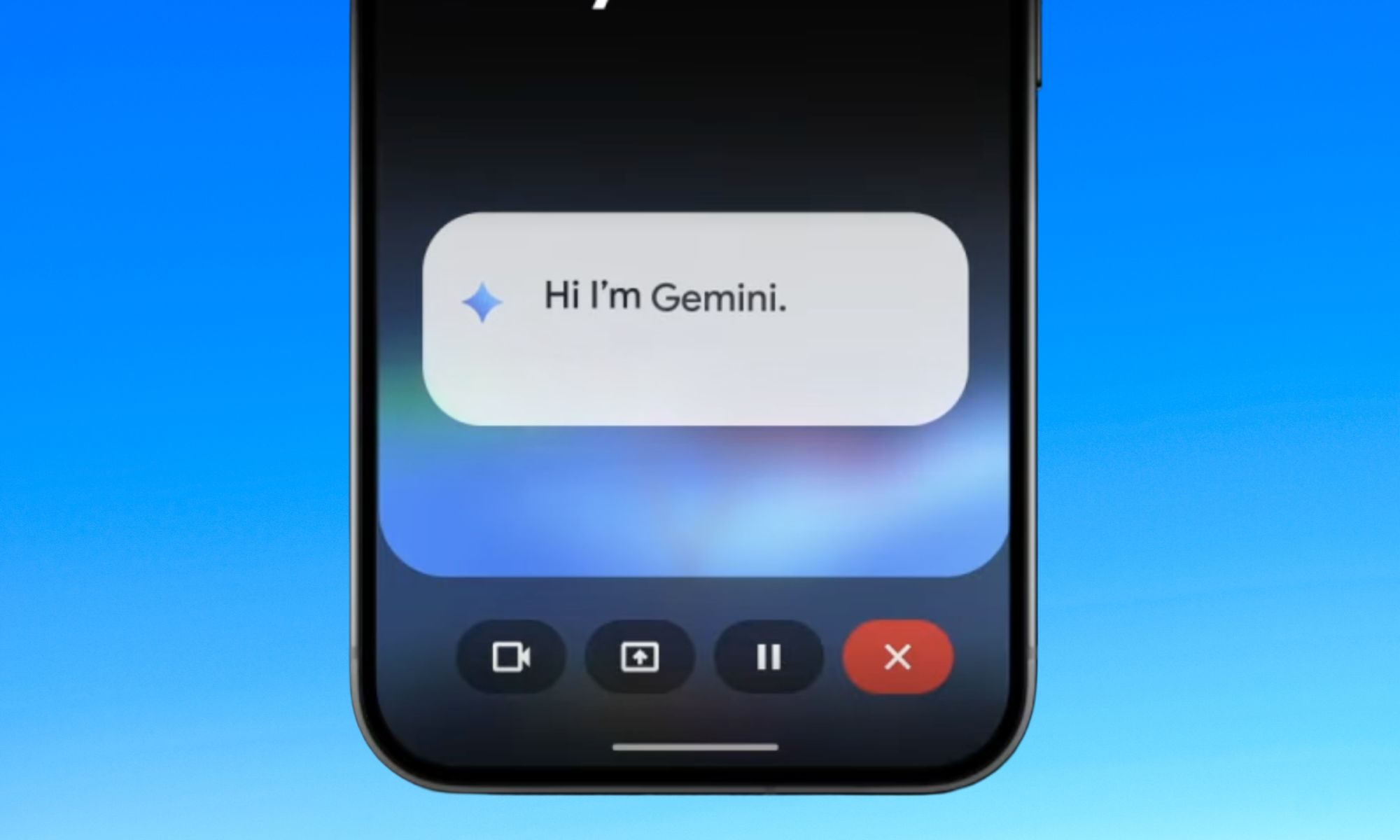
Google is reportedly prepping a powerful new Gemini AI model to outsmart ChatGPT

Published

on

Google is reportedly prepping a powerful new Gemini AI model to outsmart ChatGPT

Google may be preparing to unveil a new Gemini AI model at its I/O developer conference on May 19. According to recent reports, the timing is aggressive, with the release expected to rival OpenAI’s upcoming GPT-5.5 class. However, the model is still said to trail behind Anthropic’s Mythos, which is currently shaping the frontier-model conversation in the industry.

But raw performance isn’t the only challenge. A strong model can grab headlines, but developers don’t rebuild their workflows just to chase leaderboard scores. They switch tools when those tools save time, reduce cleanup, and survive real projects without becoming another tab to manage.

Can Gemini win developers back?

Coding is the pressure point. Google is walking straight into the area where developers can tell within minutes whether a model is genuinely useful or merely polished for a keynote. That skepticism belongs in coding because AI has already crossed from novelty into daily work infrastructure.

For the Gemini AI model to succeed, it has to feel faster, steadier, and more useful inside real projects. Developers won’t switch because Google says the model got smarter. They’ll switch when the cleanup bill gets smaller. As a result, the company’s I/O event—running from May 19 to 20—will be a crucial stage. Google’s developer preview says the event will cover agentic coding and Gemini model updates, putting the company’s AI ambitions directly in front of the people most likely to judge them hard.

Can agents survive real work?

Google has already built a runway for agents. At Cloud Next, it introduced the Gemini Enterprise Agent Platform for building, scaling, governing, and optimizing agents, with orchestration, identity, observability, and security features folded into the stack. That sounds serious, and it gives Google more credibility than a loose collection of AI demos.

Still, agent demos are cheap now. The real test is messy work: multi-step tasks, bad inputs, unclear goals, and moments where the model has to recover without constant hand-holding. Therefore, the Gemini AI model must prove itself in these chaotic environments to earn developer trust.

Will ChatGPT feel less automatic?

Google’s real fight is default behavior. Developers, power users, and regular subscribers already have AI routines, and Gemini has to interrupt those habits with obvious utility. ChatGPT and Claude already sit in the mental shortcut layer for many AI users, while Google is still trying to make Gemini feel unavoidable.

The rumored model can help only if it makes Gemini the first place people go for coding, research, and agentic work. Google has one clean job at I/O: show a Gemini that saves time, writes useful code, and runs agentic tasks with less babysitting. Anything less is another respectable model in a market that already has too many of them.

In addition, Google must address the growing competition from OpenAI’s ChatGPT, which continues to dominate the consumer and developer space. The new Gemini AI model could be a turning point if it delivers on speed, reliability, and practical utility.

Building on this, the developer community is watching closely. They want a model that doesn’t just perform well in benchmarks but also integrates seamlessly into existing workflows. Google’s challenge is to make Gemini the default choice, not just another option.

Continue Reading
Click to comment

Leave a Reply

Your email address will not be published. Required fields are marked *

Artificial Intelligence

Googlebook Transition: Which Chromebooks Will Get the Upgrade?

Published

on

Chromebook Googlebook Transition: What You Need to Know

Google is preparing to launch its new Googlebook platform this year, but not every Chromebook will make the jump. In a recent interview with Chrome Unboxed, Google VP John Maletis confirmed that select Chromebooks will receive a firmware update enabling a transition to Googlebook-style software. This shift moves Google’s laptop strategy toward an Android foundation, with Gemini AI integrated more deeply and Android apps running without the traditional emulation layer.

However, the company has remained tight-lipped about specific models, rollout timing, and whether upgraded Chromebooks will match the capabilities of new Googlebook hardware. For now, owners are left waiting for clarity.

Which Chromebooks Will Get the Googlebook Upgrade?

The central question revolves around compatibility. Google has confirmed a firmware path for some devices but hasn’t published a definitive list. The first Googlebook devices are positioned as premium machines, and Google is working with partners like Lenovo, Acer, ASUS, HP, and Dell on requirements covering processors, memory, storage, and keyboard layouts.

Building on this, eligibility shouldn’t be treated as a given across the entire Chromebook lineup. Older or budget models may lack the hardware necessary for the transition. Google has not yet disclosed which processors or memory configurations will qualify, leaving many users in a holding pattern.

As a result, the practical advice is to avoid assuming any current Chromebook is future-proof. Wait for Google to publish model-specific guidance before making purchasing decisions based on the Googlebook transition.

What Happens to ChromeOS During the Googlebook Transition?

Googlebook doesn’t spell the end of ChromeOS overnight. Google has stated that existing Chromebooks will continue to receive their promised support windows, including the 10-year update commitment that could carry some devices through 2034. This is a critical point for anyone managing laptops in schools, homes, or workplaces.

Furthermore, Google still has Chromebook and Chromebook Plus devices in the pipeline. Owners who miss the Googlebook switch won’t suddenly lose updates or support. The company also expects familiar ChromeOS features—such as virtual desks, Quick Insert, and screen recorder—to carry over in some form to the new platform.

This means that even if your device isn’t eligible for the upgrade, it won’t become obsolete immediately. The transition is gradual, and Google is balancing innovation with stability for existing users.

When Will the Chromebook Googlebook Transition Start?

Google hasn’t shared a public rollout schedule, but the transition won’t hit every market at the same time. According to the source, consumer devices will move first, while education and enterprise segments will take a more cautious path to protect stability and management tools.

For now, the best course of action is patience. Some devices will get a path into the Googlebook era, while others will remain on the ChromeOS track they already have. Google is expected to publish model-specific guidance in the coming months, so keep an eye on official announcements.

If you’re considering a new laptop, check out our guide on how to choose the right Chromebook for your needs. For more on Google’s software strategy, read our analysis of how Gemini AI is reshaping laptop experiences.

Continue Reading

Artificial Intelligence

Samsung’s Next Galaxy Z Foldables Embrace Gemini Intelligence for Smarter AI Assistance

Published

on

Samsung’s Next Galaxy Z Foldables Embrace Gemini Intelligence for Smarter AI Assistance

Samsung is preparing to take mobile AI to the next level with its upcoming Galaxy Z foldable phones. According to a report from Seoul Economic Daily, the Galaxy Z Fold 8 and Galaxy Z Flip 8 will ship with Gemini Intelligence, a deeper AI assistant layer integrated into One UI 9. This move signals a shift from basic Galaxy AI features to more practical, task-oriented automation.

What Gemini Intelligence Brings to the Table

Unlike current AI assistants that stop after a single response, Gemini Intelligence is designed to move seamlessly across related apps. It can complete linked tasks without requiring constant user input. For example, a user could write a shopping list in a notes app, ask Gemini to transfer those items into a delivery app cart, review the cart, and finalize payment — all in one chain of actions.

This capability aims to reduce the number of taps needed for everyday routines. Samsung has already introduced some app-launching behavior with One UI 8.5 on the Galaxy S26 series, but One UI 9 is expected to handle multiple apps within a single request. The real appeal, however, lies in proving that fewer taps matter more than another polished chatbot window.

Why Foldables Get the First Taste of Gemini Intelligence

Premium foldables like the Z Fold 8 and Z Flip 8 need to justify their high price tags every year. Software innovation is one of the few areas where Samsung can significantly change the daily user experience. By giving these devices exclusive access to Gemini Intelligence first, Samsung creates a compelling reason to upgrade.

However, there is a catch. The One UI 9 beta, which started rolling out to Galaxy S26 users in South Korea and other key markets, does not include Gemini Intelligence. The feature is expected to arrive only in the final public release. This means the real test will revolve around app compatibility, processing speed, and how much manual cleanup the AI leaves behind.

What to Expect from the Final Release

For users, the success of Gemini Intelligence hinges on its ability to automate tasks without creating new problems. If the assistant can reliably move data between apps and complete actions accurately, it could redefine how people interact with their phones. But if it requires frequent corrections, the convenience factor quickly diminishes.

When Will Samsung Show It Off?

Samsung is expected to unveil the Galaxy Z Fold 8 and Galaxy Z Flip 8 in July. This event will likely serve as the stage for demonstrating Gemini Intelligence in action. One UI 9 beta testing has already begun for Galaxy S26 users in major markets, but the biggest assistant feature is being held back for the official launch.

For potential buyers, the smartest move is to wait for live demos before treating this as a reason to upgrade. Pricing and regional availability remain unknown, and Samsung’s next foldables will have to prove that the automation saves time without leaving users to fix the results. If the company can deliver on this promise, the Galaxy Z Fold 8 and Flip 8 could set a new standard for AI-driven multitasking.

In addition, Samsung is likely to position these devices as the ultimate productivity tools for professionals and power users. The combination of a foldable screen and intelligent automation offers a unique value proposition that traditional slab phones cannot match. As a result, the success of Gemini Intelligence could influence the direction of Samsung’s entire Galaxy AI strategy.

Building on this, the company may eventually bring the feature to other models, but for now, the focus remains on the foldable lineup. The upcoming July event will be a crucial moment for Samsung to demonstrate that its AI investments are paying off in tangible, everyday benefits.

Continue Reading

Artificial Intelligence

The Android Show 2026: Gemini Intelligence, Googlebook, Android 17 Updates, and Everything Else

Published

on

The Android Show 2026: Google Unleashes Gemini Intelligence, Googlebook, and Android 17

Every year, Google front-loads its Android announcements in a separate pre-show the week before its annual I/O conference. This year, the company did exactly that, and The Android Show: I/O Edition was anything but a warmup act. Google showed up well prepared, with plenty of software and a major hardware announcement that took everyone by surprise. One by one, let’s talk about everything, including a deeply integrated AI overhaul, a long-overdue security upgrade, an Android Auto makeover that feels like it was designed for 2026, and a brand-new laptop category.

One thing is clear: Google wants to be the leading name in personalized AI, not just for businesses, but for the person unlocking their phone at 7 AM. Whether it’s Gemini Intelligence or a laptop built around Google’s AI layer, everything announced at the Android Show 2026 is surely going to haunt Apple’s AI division in its dreams.

Gemini Intelligence: AI Is No Longer an App — It’s an Operating Layer

The biggest announcement of The Android Show 2026 was Gemini Intelligence. It’s basically the company’s new umbrella term for the most advanced AI features, acting as an intelligent layer between Google’s operating systems (for various devices) and you, the end user. The core idea here is for Gemini to work proactively on low-stakes multi-step tasks, either in the foreground or background, and get things done while you’re off doing something better.

Here’s how it works: with a grocery list in your notes app, invoke Gemini and ask the AI to build a delivery cart with the items from a particular app, so that you can check out later. Harnessing its on-screen awareness and control, Gemini Intelligence will add all the listed items to your cart, but stop short of placing the order, as that’s something that might require entering sensitive banking information. This is an intentional safeguard in place to make sure that Gemini is only performing the required tasks and not making decisions on behalf of you.

Currently, the AI layer can access native and third-party apps related to food delivery, ridesharing, and travel. Whether it works as intended or makes mistakes in its automated sessions is something we’ll find out this summer, when Gemini Intelligence rolls out to the Galaxy S26 and Google Pixel 10 series. It’s also coming to Wear OS, Android Auto, and Android XR, but those rollouts will follow later in the year.

Key Features of Gemini Intelligence

Gemini Intelligence also includes a couple of other highlights, including a smarter Autofill that can pull relevant details from your connected apps (like Gmail, Calendar, etc.) to fill out forms in Chrome (or elsewhere). It’s an optional feature, though, which means you can opt in to try and opt out if you don’t end up liking it. Google’s Gboard has got a new Rambler feature (yes, that’s a name) that cleans up your voice dictation, with all the awkward phrasing, pauses, and “ums,” in real-time. What’s even more interesting is that the feature can handle a mid-sentence switch in another language.

Gemini in Chrome for Android (built on Gemini 3.1) lets you pull up a contextual chatbot that can summarize, compare, and research the details in any webpage. There’s an auto-browsing agentic feature as well, which can take care of grabbing a parking spot near an event, which will only be available for AI Pro and Ultra subscribers. Both features require Android 12 or newer and will be available at the end of June. The company is also adding Nano Banana 2 to Chrome on Android. Last but not least, the Gemini Intelligence experience also includes “Create My Widget,” a vibe-coded widget builder, which lets you describe what your desired widget should do and puts Gemini to it (similar to Nothing’s Essential Apps).

Feature What it does Availability
Gemini Intelligence (core) Agentic AI layer across Android, Wear OS, Auto, XR, Googlebooks Summer 2026, Galaxy S26 and Pixel 10 first
Autofill with Google Pulls details from connected apps to fill forms in Chrome Opt-in, summer 2026
Gboard Rambler Cleans up voice dictation, removes filler words, and handles mid-sentence language switching Summer 2026
Gemini in Chrome (Gemini 3.1) Contextual chatbot on any webpage, connects to Gmail and Calendar End of June, Android 12+, all users
Auto-browsing in Chrome Handles tasks like grabbing a parking spot near an event End of June, AI Pro and Ultra subscribers only
Nano Banana 2 AI image generation and customization directly in Chrome TBA
Create My Widget Builds custom home screen widgets and Wear OS Tiles via natural language Summer 2026

Googlebook: Chromebooks Infused with the Goodness of Gemini Intelligence

The engineers at Google headquarters have decided that Gemini Intelligence shouldn’t be limited to Android phones, Wear OS watches, or your car’s Android Auto dashboard. They also want the entire agentic AI experience to be available in Chromebooks, opening up yet another new category of AI-infused devices called Googlebooks. Their pitch includes tight Android-laptop integration, the kind that Google has never quite pulled off before. I’m talking about accessing your phone’s files or gallery directly through a Googlebook, accessing and controlling the phone via the laptop’s screen, and creating custom widgets that suit your usage.

The DeepMind team has also come up with what I think is a simple yet innovative thing that has ever been done to the cursor on our screens: integrating Gemini AI for contextual suggestions and other text-based features like summarization. It’s called Magic Pointer (similar to Magic Editor on Pixel phones), and it’s the cleverest use of AI I’ve seen in a while. Clearly, Googlebook is a manifestation of the company’s long-running efforts to bring Android and ChromeOS under one roof. While “Aluminium OS” is just an internal codename, the final operating system powering Googlebooks doesn’t have a name yet, though I’m constantly hearing “GeminiOS” in my head.

The first batch of Googlebooks are coming this fall (between September and November), from manufacturers like Acer, Asus, Dell, HP, and Lenovo, each with the signature glowbar design. They’ll definitely feature some capable chips, as the on-device AI features would need some serious NPU power. For more on how AI is reshaping laptops, check out our guide on best AI laptops for 2026.

Android 17: What’s New for Your Phone

Along with Gemini Intelligence and Googlebook, the company announced plenty of updates for its upcoming Android 17 operating system. These include an improved Quick Share with AirDrop-style compatibility to Samsung, Oppo, OnePlus, Vivo, Xiaomi, and Honor this year, along with the ability to generate a QR code for sharing files to iOS via cloud. And yes, QuickShare is also coming to WhatsApp. To make switching between the platforms easier, Google and Apple have rebuilt the iOS-to-Android transfer process from scratch. It now includes passwords, photos, messages, apps, contacts, home screen layout, and eSIM, all of which move wirelessly (launching first on Galaxy S26 and Pixel 10).

While Noto 3D is the full 3D redesign of Android’s emoji library (a Pixel first addition), Pause Point is a new Digital Wellbeing feature, which lets you select an app that you use too much (it could have been Instagram for me, but I already uninstalled it), and Android forces a 10-second breather, with a breathing exercise or your favorite photos, before you can open it. Android 17 brings along several additions for creators. The Screen Reactions feature, for instance, lets you record yourself and your screen at the same time (arriving on Pixel this summer). Instagram for Android gets optimized tablet layouts, Ultra HDR compatibility on flagship devices, built-in video stabilization, and Night Sight.

While the Instagram Edits app is getting Smart Enhance for upscaling and Sound Separation for isolation of the audio tracks, an even bigger announcement is the arrival of Adobe Premiere Pro to Android this summer, especially for creators who have already been using the software on desktops. Rounding out the Android 17 announcement are a couple of security-related updates. Verified Financial Calls tackles bank spoofing by checking whether a call is active on the bank’s app, and hangs up automatically if it isn’t. Revolut, Itau, and Nubank are among the first in line to get the feature, and more banks will roll in later this year. Android’s Live Threat Detection system can now flag apps that forward your messages or abuse accessibility permissions to overlay hidden content on your screen. Dynamic signal monitoring, debuting in the second half of the year, catches apps that change or hide their icons before launching covertly. For a deeper dive into Android security, see our article on Android 17 security features explained.

Android Auto: An AI-Infused Overhaul for Your Car’s Dashboard

Android Auto has been coasting for a while, but the phone mirroring system is getting a visual overhaul using Material 3 Expressive. It can now adapt to any infotainment display shape or size, which, in my opinion, is a long-overdue fix for people with an odd car screen layout. Gemini Intelligence will also make its way to Android Auto later in the year. The headline feature here is Magic Cue, which allows Gemini to read your messages, Gmail, and Calendar, while you’re busy changing lanes, and generate a context-aware reply that you can send with a single tap.

Interestingly, Google wants you to order your meals from DoorDash, for pickup or delivery, all while sitting in the driver’s seat. Additional updates include customizable home screen widgets, support for Dolby Atmos audio, and FHD video streaming for apps like YouTube (don’t worry, it’s restricted to parking mode). Google Maps gets Immersive Navigation, with full 3D view for in-car turn-by-turn directions. And for cars with Google built in, the full Gemini rollout is already underway.

That’s more features than I can remember, but I’m more afraid of Google not remembering them. There have been times when the company announced something, but it took forever to ship, or didn’t ship at all, and hence, I’ll reserve my full enthusiasm until Gemini Intelligence actually works on a Pixel or Galaxy S series smartphone in my hand. That said, the ambition on display at the Android Show: I/O Edition is hard to ignore. The pieces, I’d say, are in place, and Google just needs to follow through for the rest of the year, and it will easily lead the personalized AI game. The main I/O keynote kicks off on May 19, 2026, and based on what just landed, the stakes are pretty high. For more coverage, check out our Google I/O 2026 preview.

Continue Reading

Trending