Connect with us

How To

How to Convert Images to PDF for Free: A Complete Guide to Online and Mobile Tools

Published

on

How to Convert Images to PDF for Free: A Complete Guide to Online and Mobile Tools

Need to turn a photo or screenshot into a professional document? The ability to convert image to PDF is a fundamental digital skill for students, professionals, and anyone handling paperwork. This process transforms loose image files into a universally accepted, portable document format. Fortunately, you don’t need expensive software. This guide explores the most effective free methods, from browser-based tools to dedicated mobile applications, ensuring you can handle any conversion task with ease.

Why Convert Images to PDF Format?

Before diving into the ‘how,’ it’s worth understanding the ‘why.’ PDFs preserve your document’s layout across all devices and operating systems. Unlike a JPG that can be easily edited or resized, a PDF acts as a digital printout. This makes it ideal for submitting forms, sharing reports, or archiving important documents. For instance, a scanned contract saved as a PDF is far more secure and presentable than a folder of disjointed image files.

The Core Benefits of PDF Conversion

Converting your images offers several practical advantages. First, it consolidates multiple images into a single, organized file. Second, it often reduces the overall file size through compression, making it easier to email or upload. Finally, PDFs are the standard for official submissions to institutions, employers, and government bodies, giving your documents an immediate professional edge.

Method 1: Using Free Online Converters

For quick, one-off conversions without installing anything, free online tools are your best friend. These web-based platforms are accessible from any device with a browser. Simply navigate to a reputable site like Smallpdf or iLovePDF, upload your JPG or PNG file, and download the finished PDF. The process is typically drag-and-drop and takes mere seconds.

However, there are important considerations. Most online converters require a stable internet connection. Additionally, you should be mindful of privacy; avoid uploading highly sensitive documents to unknown websites. For everyday use, like converting lecture slides or recipe photos, these tools are perfectly safe and incredibly convenient. You can learn more about managing digital documents in our guide on backing up important data.

Method 2: Dedicated Mobile Apps for On-the-Go Conversion

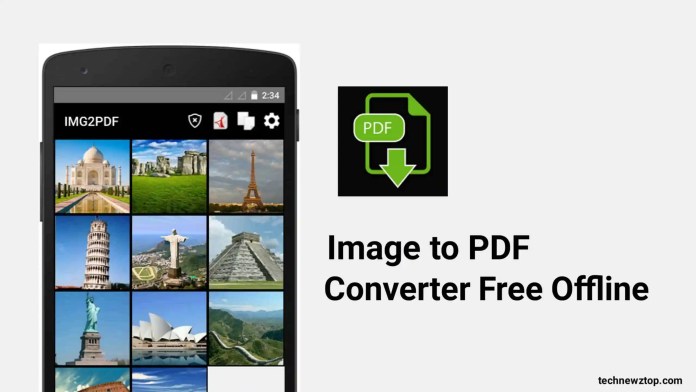
What if you need to convert image to PDF directly from your phone? This is where dedicated mobile applications shine. An Android app, for example, can turn your smartphone into a portable scanner. You take a picture of a document, and the app instantly processes it, corrects perspective, enhances text clarity, and outputs a clean PDF. This is invaluable for digitizing receipts, notes, or paperwork while away from your computer.

The primary advantage of a mobile app is offline functionality. Once downloaded, you can process images without an internet connection, which is crucial for travel or areas with poor connectivity. These apps also offer more control, allowing you to combine multiple images into a multi-page PDF, adjust page size (A4, Letter, etc.), and even add passwords for security.

How to Use a Mobile PDF Converter App

Using these apps is straightforward. After installing a trusted application from your device’s app store, you’ll generally follow a simple workflow. Open the app and select the ‘Create PDF’ or similar option. Then, choose the images from your gallery or take a new photo directly within the app. The software will let you reorder pages, crop edges, and select an output quality. With a final tap, the PDF is generated and saved to your device, ready to be shared via email, messaging apps, or cloud storage.

Step-by-Step Guide: Converting JPG to PDF

Let’s break down the universal steps, whether you’re using a website or an app. First, gather all the image files you wish to include. Ensure they are in a supported format like JPG, PNG, or WEBP. Next, open your chosen conversion tool. Upload or select your images. At this stage, you can usually drag to reorder them—crucial for creating a logical document flow.

After uploading, configure your settings. This includes page orientation (portrait or landscape), margin size, and whether to fit one image per page or multiple. Some advanced tools even offer OCR (Optical Character Recognition) to make text in your images searchable. Finally, initiate the conversion and download your new PDF file. Remember to give it a clear, descriptive filename for easy future reference.

Choosing the Right Tool for Your Needs

With so many options, how do you pick? For occasional, simple conversions, a well-known online converter is sufficient. For frequent use, especially with sensitive documents, a dedicated mobile or desktop app provides better security and features. Consider if you need batch processing, cloud storage integration, or advanced editing tools. Many free versions have limitations on file size or number of conversions per day, so assess your typical usage.

Building on this, the best tool is one that integrates seamlessly into your workflow. If you often need to convert screenshots from your phone, a mobile app with a quick-share function is ideal. For archiving family photos as digital albums, an online tool with high-quality preservation settings might be better. Exploring different app reviews and guides can help you make an informed decision.

Pro Tips for a Perfect PDF

To ensure professional results every time, follow these tips. Always check the image resolution before converting; blurry photos make poor PDFs. Use good lighting when capturing documents with your phone. When combining images, maintain a consistent orientation to avoid a jarring reading experience. Finally, after conversion, open the PDF to preview it. This quick check can catch formatting errors, out-of-order pages, or quality issues before you send it off.

In conclusion, knowing how to convert image to PDF is an essential digital literacy skill. The barriers are low—numerous free, high-quality tools exist for every platform. Whether you’re a student submitting an assignment, a professional emailing a signed form, or someone organizing personal archives, mastering this simple process will save you time and elevate the presentation of your digital documents. Start with a trusted online converter or download a recommended app today and streamline your document management.

Continue Reading
Click to comment

Leave a Reply

Your email address will not be published. Required fields are marked *

How To

Phone Wallpaper HD 4K Backgrounds Android App: A Complete Guide to Download and Use

Published

on

Phone Wallpaper HD 4K Backgrounds Android App: A Complete Guide to Download and Use

Are you tired of the same old default wallpapers on your Android phone? You are not alone. Many users struggle to find high-quality backgrounds that truly reflect their style. Fortunately, the Phone Wallpaper HD 4K Backgrounds Android app offers a simple solution. This app provides a vast collection of stunning HD and 4K wallpapers, all accessible with just a few taps. In this guide, we will walk you through everything you need to know about this app, from downloading to personalizing your screen.

Why Choose Phone Wallpaper HD 4K Backgrounds?

When it comes to customizing your smartphone, the wallpaper makes a huge difference. A crisp, vibrant image can transform the look and feel of your device. This app stands out because it curates a wide variety of categories, including nature, abstract, cityscapes, and minimal designs. Whether you prefer ultra-sharp 4K images or standard HD backgrounds, you will find something that fits your taste.

Another key advantage is the user-friendly interface. Unlike some apps that bombard you with ads or complicated menus, this one keeps things straightforward. You can browse, preview, and apply wallpapers in seconds. Plus, the app is regularly updated with fresh content, so your screen never gets boring.

How to Download the Phone Wallpaper HD 4K Backgrounds App

Getting started is incredibly easy. Follow these simple steps to download the app on your Android device:

  • Open the Google Play Store on your phone.
  • Search for “Phone Wallpaper HD 4K Backgrounds” in the search bar.
  • Tap on the official app from the search results.
  • Click the Install button and wait for the download to finish.

Alternatively, you can click the direct download link below to jump straight to the Play Store listing. This saves time and ensures you get the correct version.

Install Phone Wallpaper HD 4K Backgrounds

How to Use the App: A Step-by-Step Guide

Once the app is installed, using it is a breeze. Here is a quick walkthrough to help you set your favorite wallpaper:

Step 1: Open the App

After installation, tap the app icon on your home screen. You will be greeted by a gallery of thumbnails showcasing the available wallpapers.

Step 2: Browse Categories

Scroll through the main feed or use the category menu to filter wallpapers by theme. Categories include HD wallpapers Android, 4K backgrounds, abstract art, and more. This makes it easy to find exactly what you are looking for.

Step 3: Preview and Set

Tap any wallpaper to view it in full screen. If you like it, click the “Set Wallpaper” button. The app will ask whether you want to apply it to your home screen, lock screen, or both. Make your selection, and you are done!

Building on this, you can also download wallpapers to your device for offline use. This feature is perfect for saving data or setting the same wallpaper on multiple devices.

Tips for Getting the Best Experience

To make the most of the Phone Wallpaper HD 4K Backgrounds app, consider these practical tips:

  • Check your screen resolution: For the sharpest results, choose wallpapers that match or exceed your phone’s display resolution. Most modern Android phones support 1080p or 1440p, so 4K images will look stunning.
  • Use the favorites feature: Save your top picks to a favorites folder for quick access later. This is especially useful if you like to change your wallpaper frequently.
  • Explore new arrivals: The app adds new content weekly. Make it a habit to check the “New” section for the latest designs.

Furthermore, if you encounter any issues, such as the wallpaper not fitting correctly, try cropping it within the app before applying. Most wallpapers are optimized for standard screen sizes, but a quick crop can fix alignment problems.

Frequently Asked Questions

Is the app free to use?

Yes, the app is completely free to download and use. Some premium wallpapers may be available through in-app purchases, but the vast majority of the collection is accessible without spending a dime.

Does it work on all Android devices?

Absolutely. The app is compatible with Android 5.0 (Lollipop) and above, covering the vast majority of smartphones and tablets on the market.

Can I share wallpapers with friends?

Yes, each wallpaper has a share button. You can send it via WhatsApp, Telegram, email, or any other messaging app installed on your phone.

Final Thoughts

In conclusion, the Phone Wallpaper HD 4K Backgrounds Android app is a fantastic tool for anyone looking to refresh their device’s appearance. With its extensive library, easy navigation, and regular updates, it offers a hassle-free way to enjoy high-resolution backgrounds. Whether you are a fan of serene landscapes, vibrant patterns, or minimalist art, this app has something for everyone.

So why wait? Download the app today and give your phone a makeover. For more tips on customizing your Android experience, check out our guides on best wallpaper apps for Android and how to set live wallpapers. Happy customizing!

Continue Reading

How To

iQOO Z10R India Launch Teased with Strong Features: Design, Specs, and Expected Price Revealed

Published

on

iQOO Z10R India Launch Teased with Strong Features: Design, Specs, and Expected Price Revealed

The iQOO Z10R India launch has been officially teased, generating significant buzz among smartphone enthusiasts. iQOO has started revealing the device’s design online, confirming that the phone is arriving soon in the Indian market. It is expected to hit shelves by late July this year, offering a compelling mix of premium features at an affordable price point.

iQOO Z10R Design and Colour Options

The official teaser, now live on iQOO India’s website, shows a sleek phone with a pill-shaped camera module on the rear. This module houses two sensors and an Aura LED light, giving it a distinct look reminiscent of the Vivo V50e. The phone will be available in glossy Blue and Gold finishes, appealing to style-conscious buyers.

In addition, the device features a curved display with a punch-hole camera, enhancing its modern aesthetic. The circular camera sits neatly within the pill bar, and the phone is expected to support 2x portrait zoom. These design cues suggest that iQOO is targeting users who want a premium look without the flagship price tag.

Performance and Geekbench Listing

Under the hood, the iQOO Z10R will be powered by the MediaTek Dimensity 7400 SoC, as revealed by a recent Geekbench listing. This chipset promises better performance than the Dimensity 7300, ensuring smooth multitasking and gaming. The listing, under model number vivo I2410, also indicates up to 12GB of RAM, which will further boost the phone’s responsiveness.

The device will run Android 15 with Funtouch OS 15, offering the latest software features and a clean user interface. This combination of hardware and software is designed to deliver a fluid experience for daily tasks and heavy applications alike.

Display and Camera Highlights

The iQOO Z10R is expected to sport a 6.77-inch OLED display with a quad-curved design and a 120Hz refresh rate. The full-HD+ resolution will ensure vibrant colours and smooth scrolling, making it ideal for media consumption and gaming. The punch-hole cutout houses the front camera, which is likely a 32MP sensor.

On the rear, the phone will feature a 50MP main camera with Optical Image Stabilization (OIS), allowing for stable photos and 4K video recording. The 2x portrait zoom capability adds versatility, making the Z10R a strong contender for vloggers and photography enthusiasts. These camera features are similar to those found on premium Vivo models, which bodes well for image quality.

Battery, Charging, and Expected Price

Battery life is a key selling point for the iQOO Z10R. It is tipped to pack a 5,600mAh or 6,000mAh cell, supporting 90W fast wired charging. This means users can enjoy long hours of usage and quick top-ups, a boon for heavy users and mobile gamers.

According to tipsters, the iQOO Z10R price in India will be under ₹20,000, positioning it as a value-for-money option. This aggressive pricing makes it an attractive choice for students and budget-conscious buyers who want flagship-like features without breaking the bank. The phone is expected to compete with other mid-range devices like the Samsung Galaxy A56 5G and Redmi Note 14 Pro Plus 5G.

Final Thoughts on the iQOO Z10R India Launch

The iQOO Z10R India launch is shaping up to be one of the most anticipated events in the budget segment. With a powerful Dimensity 7400 chipset, a capable 50MP OIS camera, and fast 90W charging, the phone offers a well-rounded package. iQOO is likely to announce the final launch date soon, and if the pricing remains under ₹20,000, this could be the best smartphone in its price range in India.

For more updates on upcoming smartphones, check out our smartphones news section.

Continue Reading

How To

Huawei Nova 13 Series and FreeBuds Pro 4 Go Global: Pricing, Specs, and Key Features

Published

on

Huawei has officially taken the wraps off its latest mid-range powerhouse, the Huawei Nova 13 series, alongside the new Huawei FreeBuds Pro 4 wireless earbuds. After debuting in China earlier this year, the lineup is now rolling out to global markets, bringing a blend of premium design, capable cameras, and fast charging. Let’s break down what these devices offer and how they stack up against the competition.

Huawei Nova 13 Series Pricing and Color Options

Huawei has priced the Nova 13 series competitively for the mid-range segment. The standard Huawei Nova 13 costs MXN 10,999 (roughly ₹46,100) for the 12GB RAM and 256GB storage variant. Meanwhile, the Nova 13 Pro, which comes with 12GB RAM and 512GB storage, retails for MXN 15,999 (approximately ₹67,100).

Both models are available in three elegant finishes: black, green, and white. The color palette leans toward a sophisticated, minimalist aesthetic that should appeal to users who value understated style.

Display and Performance: Kirin 8000 and 120Hz Screens

When it comes to the viewing experience, the Nova 13 series does not disappoint. The standard model sports a 6.7-inch Full-HD+ OLED panel, while the Pro variant upgrades to a 6.76-inch quad-curved OLED display. Both screens support a 120Hz refresh rate, ensuring smooth scrolling and fluid animations.

Under the hood, Huawei has equipped both phones with the Kirin 8000 SoC. This chipset, combined with HarmonyOS 4.2 (based on Android 14), delivers snappy performance for daily tasks and moderate gaming. The software experience is clean and intuitive, with Huawei’s ecosystem integrations baked in.

Battery and Charging

Battery life is a strong suit here. Both the Nova 13 and Nova 13 Pro pack a 5,000mAh cell, which easily lasts a full day of heavy use. More importantly, they support 100W wired fast charging via USB Type-C. This means you can go from zero to full in under 30 minutes, significantly reducing downtime.

Camera System: 50MP Primary and Versatile Lenses

Photography enthusiasts will find plenty to like in the Huawei Nova 13 series. Both models feature a 50-megapixel primary rear sensor, which captures detailed and well-exposed shots in most lighting conditions.

Where the two models diverge is in their secondary lenses:

  • Nova 13: An 8-megapixel ultra-wide camera for landscape shots.
  • Nova 13 Pro: A 12-megapixel telephoto lens with 3x optical zoom, plus an 8-megapixel macro sensor for close-up work.

For selfies, both phones boast a 60-megapixel front-facing camera. The Pro model goes a step further by adding an additional 8-megapixel 5x zoom lens, making it ideal for vloggers and those who want crisp, zoomed-in self-portraits.

Huawei FreeBuds Pro 4: Premium Audio Meets ANC

Alongside the smartphones, Huawei introduced the FreeBuds Pro 4 TWS earbuds. Priced at MXN 3,199 (around ₹13,400), they come in the same three colors as the Nova 13 series — black, green, and white — allowing for a matching setup.

Audio quality is a highlight. The FreeBuds Pro 4 features an 11mm four-magnet dynamic driver and carries Hi-Res Audio certification. This translates to clear highs, punchy mids, and decent bass response. Active Noise Cancellation (ANC) and spatial audio support further elevate the listening experience, making these earbuds a strong contender in the sub-$150 segment.

Final Verdict: Who Should Buy the Huawei Nova 13 Series?

The Huawei Nova 13 series fills a specific niche: it offers a premium-looking device with capable cameras, a smooth display, and incredibly fast charging — all at a price that undercuts many flagships. However, the lack of Google Mobile Services (due to US sanctions) remains a potential dealbreaker for users heavily reliant on Google apps. For those already invested in Huawei’s ecosystem or willing to work around this limitation, the Nova 13 series is a compelling option.

For more insights, check out our comparison of the Huawei Mate X6 foldable or see how the Oppo Find X9s competes in this price bracket.

Continue Reading

Trending