Connect with us

Video

How to Fix Laptop Camera Not Working in Windows 11: Error Code 0xA00F4244 Explained

Published

on

Imagine you’re about to join a critical video call, and Windows 11 tells you it can’t find your camera—error code 0xA00F4244 flashes on the screen. Panic sets in. But before you rush to buy a new webcam, know this: this error is almost always fixable with a few systematic steps. In a recent tutorial, a tech expert walks through exactly how to resolve this frustrating issue, and the solutions are simpler than you’d think.

Whether you’re a remote worker, a student attending online classes, or someone who just wants to video-chat with family, a dead camera can halt your day. The good news? Most fixes take less than ten minutes and don’t require technical expertise. Let’s break down what the video teaches and why these methods work.

Why Does Error 0xA00F4244 Happen on Windows 11?

Error 0xA00F4244, often accompanied by the message “We can’t find your camera,” typically stems from three root causes: hidden or disabled hardware, privacy settings blocking access, or outdated drivers. Windows 11 is particularly strict about privacy, so if you’ve recently updated the OS or installed new software, permissions might have been reset.

Additionally, physical switches—like a privacy shutter or a function key—can silently disable the camera. The video emphasizes checking these first because they’re the easiest to overlook. As a result, many users waste time reinstalling drivers when the real culprit is a tiny slider on the laptop’s edge.

Step 1: Scan for Hidden Hardware in Device Manager

The first recommended fix involves forcing Windows to detect the camera. Open Device Manager by pressing Windows Key + X and selecting it. Then, click “View” and choose “Show hidden devices.” This reveals hardware that Windows has hidden, often because the driver crashed or the device was disabled.

Next, click on your computer’s name at the top of the list, go to the “Action” menu, and select “Scan for hardware changes.” If the camera still doesn’t appear, the video suggests using “Add legacy hardware” from the same menu. This manual scan prompts Windows to search for any connected but unrecognized hardware, which can reinstall the camera without extra downloads.

Building on this, the hidden device scan is especially useful after a Windows update. When updates install, they can occasionally break device recognition, leaving the camera in a ghost state. This step forces the system to re-evaluate all connected components, often restoring the camera instantly.

Step 2: Check Physical Switches and Privacy Permissions

Many modern laptops feature a physical privacy shutter or a function key (like F4 or F6) with a camera icon. If activated, these block the camera at a hardware level, and no software fix will work. The video advises inspecting your laptop’s edges and keyboard for these toggles before diving into settings.

Once you’ve confirmed the hardware is on, navigate to Settings > Privacy & security > Camera. Here, you must ensure both “Camera access” and “Let apps access your camera” are enabled. Windows 11 sometimes turns these off after an update, which immediately triggers error 0xA00F4244 for all apps. In addition, scroll through the list of apps below to verify the specific app you’re using (like Zoom or Teams) has permission.

Therefore, this step is crucial because it addresses the OS-level gatekeeping. Even if your drivers are perfect, a single toggle off can block everything. The video’s emphasis on this simple check saves users from unnecessary driver downloads.

Step 3: Install Missing Drivers via Windows Update

Outdated or corrupted drivers are another common trigger. The video recommends heading to Settings > Windows Update > Advanced options > Optional updates. Here, you’ll find a list of driver updates that Windows didn’t install automatically. Look for any camera-related or system drivers, download them, and restart your computer.

Interestingly, many users skip optional updates, assuming they’re unnecessary. However, these often contain critical device fixes. The video points out that after installing the correct driver, the camera usually springs back to life. If the driver is already up to date, you can also try uninstalling the device from Device Manager and restarting—Windows will reinstall it automatically.

As a result, this dual approach—checking optional updates and reinstalling—covers both missing and corrupted drivers. It’s a robust solution that addresses the most persistent cases of laptop camera not working in Windows 11.

Final Thoughts: Get Your Camera Back Quickly

Dealing with a non-functional camera is never fun, but the steps in this tutorial are straightforward and effective. By scanning for hidden hardware, verifying physical switches, adjusting privacy settings, and updating drivers, you can eliminate error 0xA00F4244 in most cases. No need for expensive repairs or third-party software.

Therefore, if you’re still stuck after trying these, the video’s creator encourages you to comment below—there’s a good chance the community can help. For more tech troubleshooting, subscribe to the channel and hit the notification bell. Your next video call awaits, so watch the full tutorial and get that camera working again.

Continue Reading
Click to comment

Leave a Reply

Your email address will not be published. Required fields are marked *

Video

The Hidden Crisis: 5 Careers with Catastrophic Worker Shortages (and How to Seize the Opportunity)

Published

on

catastrophic worker shortages

Imagine a profession where employers are so desperate for talent that they’re willing to pay six figures, offer signing bonuses, and even fund your training. Sounds too good to be true, right? Yet, as Shane Hummus reveals in his latest video, there are actually five careers facing catastrophic worker shortages—so severe that entire industries are scrambling to fill roles. This isn’t just a list of jobs; it’s a roadmap to job security in an unpredictable economy. Watch the video to uncover the surprising truth behind these shortages and why they could be your golden ticket.

Why Catastrophic Worker Shortages Are a Hidden Opportunity

Most people hear the term “catastrophic worker shortages” and think of crisis, but Shane flips the narrative. He explains that these shortages represent unprecedented opportunities for job seekers. When demand far outstrips supply, wages rise, benefits improve, and employers become more flexible. The video highlights specific industries where the numbers are staggering—some shortages are so acute that the official statistics only capture the floor, not the ceiling. For anyone feeling stuck in a dead-end job or worried about automation, these roles offer a lifeline.

Building on this, Shane introduces a little-known website that unlocks thousands of hidden careers—many of which you’ve probably never heard of. This tool alone could be a game-changer, helping you discover roles that align with your skills and interests, even if you lack a traditional college degree.

The Careers Nobody Talks About: From Healthcare to Trades

One of the most compelling sections of the video focuses on the “backdoor entry” into high-demand careers. Shane shares the story of a burned-out nurse who completely changed direction, finding a new path that leveraged her experience without the exhausting shifts. This isn’t an isolated case; the healthcare industry is quietly facing an exodus that few admit. The video reveals the stats behind this trend, showing why healthcare support roles are among the most critical shortages today.

In addition, Shane dives into the trades—specifically, a trade where 92% of firms can’t staff positions. This is a jaw-dropping statistic that underscores how overlooked these careers have become. As the video explains, the “common sense” secret hiding in your daily work is that many of these roles require skills you already possess, just repackaged for a different industry.

The AI Buildout Problem and the 50-Year-Old Experiment

Another eye-opening segment tackles the AI buildout problem. While everyone is worried about AI taking jobs, Shane points out that the AI industry itself is facing a severe worker shortage. From data center technicians to AI trainers, the demand for skilled workers is exploding, and the supply isn’t keeping up. He references a 50-year-old experiment that proved the system—a historical precedent that shows how shortages can be resolved when the right incentives are in place.

Moreover, Shane discusses the “boring-niche blueprint” that most people overlook. He tells the story of one guy who got Fortune 50 companies chasing him by mastering a seemingly mundane specialty. This is a powerful reminder that sometimes the least glamorous paths lead to the most rewarding careers.

Why This Matters for Your Career Strategy

As the video concludes, Shane emphasizes that the official numbers are just the floor. The real shortages are likely much worse, which means the opportunities are even greater. Whether you’re a recent graduate, a mid-career professional looking to pivot, or someone who never considered these fields, the time to act is now. The video provides actionable advice on how to position yourself, including the “boring-niche blueprint” and the importance of leveraging hidden job boards.

Therefore, if you’re ready to take control of your future, don’t miss out on Shane’s insights. Watch the full video above to get the complete breakdown of these five careers, the surprising salary ranges, and the step-by-step strategies to break in. Your next career move could be just one click away.

Continue Reading

Video

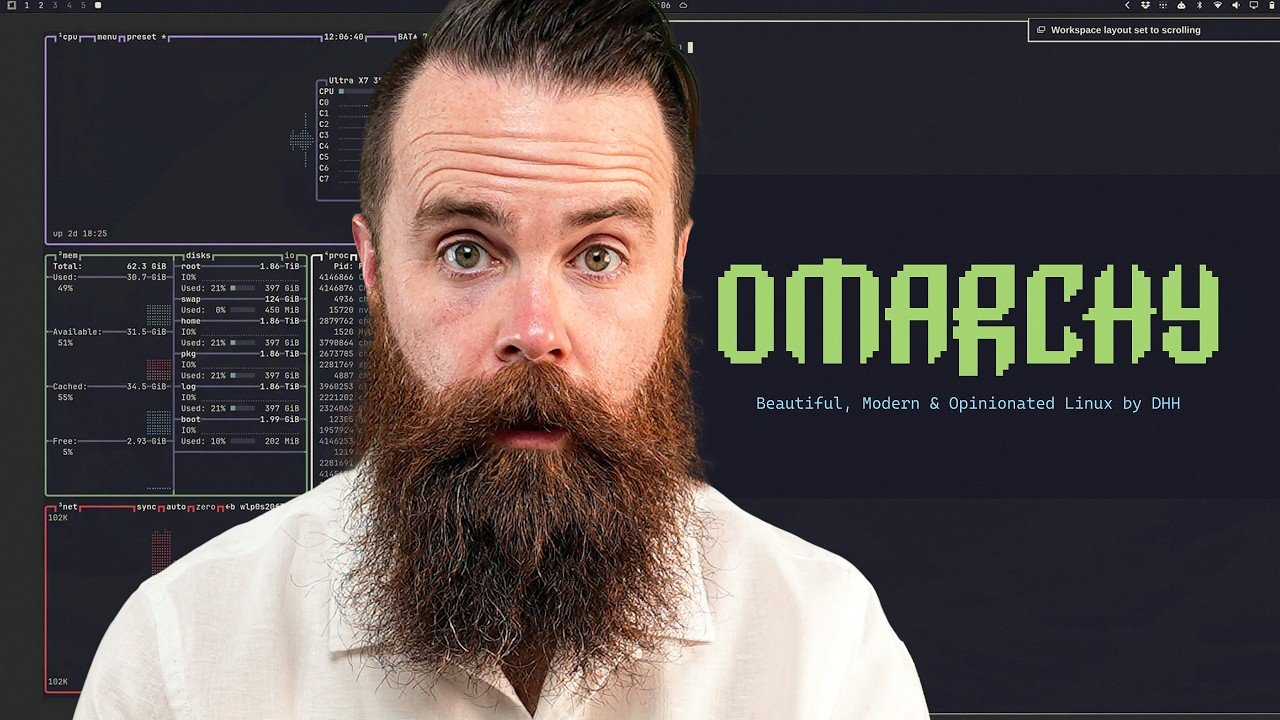
Why Omarchy Might Finally Make You Switch to Linux

Published

on

switch to Linux

You’ve heard the promise before: “This is the year of the Linux desktop.” Yet every time you try, you hit a wall—driver hell, a confusing terminal, or a desktop that looks like it was designed in 2005. NetworkChuck feels your pain. In his latest video, he doesn’t just talk about switching—he does it in under two minutes. The secret? Omarchy, a new Linux distro from DHH (the creator of Ruby on Rails) that combines the power of Arch Linux with the elegance of Hyprland and Quickshell. And after watching him install it on a blank USB stick, fire up an AI agent to customize the whole desktop, and even run Windows inside a Docker container, you’ll understand why this might be the moment to finally make the leap.

What Is Omarchy? The Distro That Feels Like It Was Built for You

If you’ve never touched Arch, the name alone can be intimidating. But Omarchy changes the game. As NetworkChuck explains, it’s DHH’s “opinionated” take on what a modern operating system should be—Arch under the hood, but with a polished, tiling-window-manager interface that feels like a breath of fresh air. The video walks you through the entire installation process, which takes just 1 minute and 47 seconds on a decent machine. That’s faster than most Windows updates. Building on this, Omarchy isn’t just another distro; it’s a philosophy. DHH designed it to be “completely yours,” meaning you can tweak every pixel, every keybind, and every plugin without digging through obscure config files. For newcomers, that’s a game-changer—it lowers the barrier to entry without sacrificing the flexibility that power users crave.

Why Switch to Linux? The Freedom to Make It Your Own

The core reason to switch to Linux is control. In the video, NetworkChuck demonstrates how Omarchy lets you “rice” your desktop—customizing everything from themes to window animations—using plain-text config files and even AI agents. He shows how he let an AI agent rice the entire desktop while he watched, a process that used to take hours of manual tweaking. As a result, you don’t need to be a programmer to make your system look and behave exactly how you want. Moreover, the video dives deep into Hyprland keybindings, teaching you how to navigate windows, workspaces, and apps without ever touching your mouse. Chris from Typecraft even shows you how to break the mouse habit entirely. This isn’t just about aesthetics—it’s about workflow efficiency. Once you learn a few keybindings, you’ll wonder how you ever lived with a traditional desktop.

Gaming on Linux: Steam, Proton, and the AI Troubleshooter

One of the biggest myths about Linux is that you can’t game on it. NetworkChuck busts that myth wide open. He installs Steam and Proton on his dual RTX 4090 machine (affectionately named Terry) and plays AAA titles without a hitch. But here’s the kicker: when a game crashes, he doesn’t spend hours scouring forums. Instead, he uses an AI agent to diagnose the crash logs and suggest a fix. It’s a glimpse into the future of Linux troubleshooting—where AI becomes your tech-support sidekick. In addition, the video covers how to run Windows inside a Docker container using the dockur/windows project. This means you can still use Windows-only apps (like certain productivity tools or legacy software) without rebooting or maintaining a dual-boot setup. It’s the best of both worlds, and it removes the last excuse for not switching.

Building Your Own Quickshell Plugin: The Malleable Desktop

Perhaps the most exciting part of the video is when NetworkChuck shows you how to build your own Quickshell plugin with the help of AI. Quickshell is the UI toolkit that powers Omarchy’s desktop, and it’s incredibly flexible. He demonstrates how to create a custom widget—something like a system monitor or a media player—using simple scripting and AI-generated code. This is the “malleable desktop” in action. You’re not stuck with what the distro gives you; you can shape it to fit your needs. The video also points to a plugin directory with over 500 community-built plugins, so you can start customizing without writing a single line of code. However, if you do want to dive deeper, the Omarchy manual is a treasure trove of documentation.

Is Omarchy Right for You? A Practical Verdict

So, should you switch to Linux right now? NetworkChuck’s video makes a compelling case. He acknowledges that Omarchy is based on Arch, which has a reputation for being hard to maintain. But with Omarchy’s automated install and DHH’s opinionated defaults, most of that complexity is hidden. He also addresses the elephant in the room: can you say “I use Arch btw” if you run Omarchy? Spoiler: yes, you can, because it’s literally Arch under the hood. In conclusion, this video is more than just a tutorial—it’s a manifesto for why Linux is finally ready for the mainstream. Whether you’re a seasoned tinkerer or a curious newbie, Omarchy offers a path to a computing experience that’s truly yours. Watch the full video to see the entire journey, from blank USB stick to a fully customized, AI-enhanced desktop. You might just find yourself switching sooner than you think.

Continue Reading

Video

How I Used Claude AI To Make $73K In 90 Days: The Complete Blueprint

Published

on

Claude AI money

The promise of making serious money with artificial intelligence often feels like a mirage—always shimmering on the horizon, never quite within reach. But what if the right approach could turn that promise into a tangible $73,000 in just three months? That’s exactly what Shane Hummus claims in his latest video, and he’s not just throwing around hype. He walks viewers through a step-by-step system that leverages Claude AI not as a magic wand, but as a strategic partner in content creation and channel growth.

If you’ve been searching for a realistic way to make money with AI, this breakdown is your roadmap. It’s not about get-rich-quick schemes; it’s about building a sustainable income stream using tools that are already in your hands. By the end of this article, you’ll understand the core principles behind his success and why this method stands apart from the noise.

The Wake-Up Call: Why Most AI Money-Making Advice Fails

Shane opens with a startling reference to an MIT study that should give every aspiring online entrepreneur pause. The statistic? A staggering percentage of side hustles fail within the first few months, often because people jump in without a clear system. This isn’t just doom and gloom—it’s a reality check.

In the video, he contrasts two distinct roads you can take with AI. The first is the “slop” route: churning out generic, low-effort content that floods the internet. The second is the strategic route: using AI to enhance your unique voice and expertise. Unsurprisingly, only the latter yields real income. As a result, he emphasizes that the tool itself isn’t the differentiator—your approach is.

Moreover, Shane highlights a hidden danger: the overnight wipeout. Many creators rely on a single platform or algorithm change, only to see their income vanish. His system, however, is built on diversification and long-term value, which makes it far more resilient.

The Core System: Finding Your Niche and Building a Content Engine

One of the most compelling parts of the video is Shane’s breakdown of how he identified a profitable niche using Claude AI. He shares a story about a burnt-out nurse who had never touched YouTube but became a successful creator within months. The secret? She didn’t start from scratch—she used Claude to analyze market gaps and her own unique experiences.

Shane’s method involves asking Claude the right questions. Instead of “What should I make videos about?” he prompts the AI to identify underserved topics where demand outstrips supply. This niche skill, as he calls it, “interviews you back” by forcing you to clarify your value proposition. Consequently, you avoid the trap of creating content that nobody searches for.

Building on this, he outlines the exact criteria that flag an easy target: high search volume, low competition, and a clear audience need. This is where Claude AI money-making becomes systematic rather than accidental. You’re not guessing; you’re using data-driven insights to make informed decisions.

The Yap Session Trick: How to Avoid AI Slop

The term “yap session” might sound informal, but it’s a powerful technique. Shane reveals that many creators fail because they let AI generate entire scripts, resulting in bland, robotic content. Instead, he uses Claude to brainstorm and outline, but the actual delivery remains human and conversational.

Here’s the trick: he records himself talking through a topic—a “yap session”—then feeds that transcript into Claude. The AI then structures it, finds key points, and suggests improvements. This preserves the creator’s personality while leveraging AI’s organizational power. As a result, the content feels authentic, which is crucial for building trust and engagement.

This approach also solves the “AI slop” problem that viewers increasingly reject. By keeping the human element front and center, you produce videos that stand out in crowded feeds. It’s a simple shift, but it can dramatically improve retention and subscriber growth.

Real-World Blueprint: From Tradesman to YouTube Success

Shane doesn’t just theorize—he shares a concrete example: a 50-year-old tradesman who used this system to launch a channel that now generates significant revenue. This person had no prior content creation experience, but he had decades of practical knowledge. Claude helped him translate that expertise into engaging scripts and titles.

Even more inspiring is the story of a tiny channel that most people wrote off. By applying the same principles—niche focus, authentic voice, and AI-assisted optimization—that channel grew to outpace competitors with larger budgets. The advantage, Shane argues, is something nobody can copy: your unique life experience. AI can’t replicate your stories, your humor, or your perspective.

Therefore, the takeaway is clear: Claude AI money isn’t about replacing yourself; it’s about amplifying what already makes you valuable. Whether you’re a nurse, a tradesman, or a corporate professional, the system works if you’re willing to put in the effort.

Final Thoughts: Your Next Step

Shane’s video is more than just a success story—it’s a practical guide that demystifies AI-driven income. He offers a free live training and a Claude bundle for those who want to dive deeper, but the core principles are accessible to anyone. The key is to stop waiting for the perfect moment and start building your content engine today.

If you’re serious about making money with AI, this video is a must-watch. It will challenge your assumptions, provide actionable steps, and maybe even inspire your own $73K journey. Click play, take notes, and prepare to see Claude AI in a whole new light.

Continue Reading

Trending