Connect with us

How To

Huawei FreeBuds Pro 3 Launch: ANC 3.0 and Premium Audio Features

Published

on

Huawei FreeBuds Pro 3 Launch: ANC 3.0 and Premium Audio Features

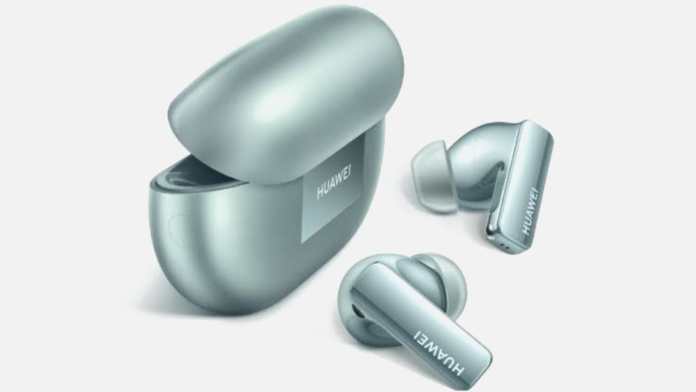
The wireless earbud market just got more interesting. Huawei has officially unveiled its latest flagship audio product, the FreeBuds Pro 3, at a dedicated wearable tech event in Barcelona. This launch signals the company’s continued push into the competitive premium audio segment.

What makes these earbuds stand out in a crowded field? Let’s break down the key features that Huawei is betting on.

L2HC 2.0 Sound: Engineered for Clarity

At the heart of the FreeBuds Pro 3 is Huawei’s proprietary L2HC 2.0 audio codec. The company claims this system is designed to deliver studio-grade sound quality over a wireless connection. It’s built for those who notice the details—the subtle bass line, the crispness of a high hat, the nuance in a vocalist’s breath.

Whether you’re deep into a podcast narrative or getting lost in a complex musical arrangement, the promise is a listening experience that feels both immersive and precise. This isn’t just about volume; it’s about fidelity.

Connectivity and Control for a Multi-Device Life

How often do you switch between your phone, laptop, and tablet? Modern users constantly juggle devices, and Huawei has designed the FreeBuds Pro 3 with this reality in mind.

A standout feature is the ability to maintain simultaneous connections with two different devices. You can be on a Zoom call on your laptop and still receive notification pings from your smartphone, all without manual re-pairing. This seamless switching aims to reduce friction and boost productivity for anyone who lives across multiple screens.

The Dual-Driver Audio Advantage

For the audiophiles, the technical specs get more compelling. The earbuds employ a dual-driver system. This means two separate acoustic drivers work in tandem: one typically dedicated to handling bass and mid-range frequencies, and another for high frequencies.

The result? A wider, more detailed soundstage. Music should have more punch and separation, making everything from orchestral scores to electronic beats sound more dynamic and true to the original recording.

Battery Life, Pricing, and Availability

Long listening sessions require reliable power. Huawei promises up to 31 hours of total battery life with the included charging case. That’s a full day of use and then some, minimizing the hunt for a charging cable.

The FreeBuds Pro 3 will carry a price tag of €199 (approximately ₹17,600). They are scheduled to hit select markets next month. For users invested in the Huawei ecosystem or those simply seeking high-fidelity wireless audio, these earbuds present a new option.

The launch reinforces a clear trend: wireless audio is no longer just about convenience. It’s a serious pursuit of quality, and Huawei is aiming to be a major player.

Continue Reading
Click to comment

Leave a Reply

Your email address will not be published. Required fields are marked *

How To

Crossbeats Nexus Smartwatch Launches in India with ChatGPT Integration

Published

on

Crossbeats Nexus Smartwatch Launches in India with ChatGPT Integration

India’s wearable market just got more interesting. Crossbeats, a homegrown brand that’s been steadily building its reputation, has unveiled the Nexus smartwatch. What makes this launch noteworthy isn’t just the price—which sits comfortably under ₹6,000—but its ambitious feature set. This device promises to bring a slice of cutting-edge AI directly to your wrist by integrating ChatGPT.

Remember when smartwatches were just for notifications and step counting? Those days are fading fast. The Nexus represents a new wave of affordable wearables that aren’t afraid to pack in premium tech. It’s a bold move that could reshape expectations for budget-conscious tech buyers this festive season.

Beyond the Screen: Nexus Design and Display

First impressions matter, and Crossbeats seems to understand that. The Nexus sports a metal frame, giving it a more premium feel than its price tag might suggest. The centerpiece is a 2.01-inch AMOLED display, known for its deep blacks and vibrant colors.

Then there’s the ‘Dynamic Island.’ Yes, you read that right. Borrowing a page from Apple’s design language, the Nexus incorporates a similar interactive notification area. While the exact implementation details are still emerging, it suggests a move towards more dynamic and contextual interactions right on the watch face. It’s a feature that could make checking alerts less of an interruption and more of a seamless glance.

The AI Wrist Companion: ChatGPT on Your Watch

This is the headline act. The integration of ChatGPT transforms the Nexus from a passive device into an interactive assistant. Imagine asking your watch for a quick recipe conversion, a language translation, or a creative idea on the fly. The potential uses are vast, from productivity to pure curiosity.

How will it work in practice? While we await hands-on reviews, the inclusion suggests voice-based queries and text responses displayed on that AMOLED screen. It’s a significant step towards making generative AI an everyday, accessible tool, not just something confined to a phone or laptop screen.

Archit Agarwal, co-founder of Crossbeats, emphasized the company’s commitment to “investing in the latest technology” to create products that meet global standards. The ChatGPT feature is a clear testament to that philosophy.

Fitness, Function, and Everything Else

A smartwatch lives or dies by its core functionality. While the full health suite hasn’t been detailed, the Nexus is expected to cover the essentials. Think heart rate monitoring, blood oxygen (SpO2) tracking, sleep analysis, and the ubiquitous step and calorie counters. For outdoor enthusiasts, built-in GPS and altimeter support for hiking and running are confirmed bonuses.

Practical features include Bluetooth calling, freeing you from your phone for short conversations. You’ll also get multiple watch faces to customize your look and likely an IP rating for water and dust resistance. An intriguing addition is the built-in eBook reader—a niche but thoughtful feature for commuters or anyone who wants to sneak in a few pages without pulling out their phone.

Price, Availability, and Final Thoughts

The Crossbeats Nexus carries a price tag of ₹5,999. For a device with an AMOLED display, metal build, and integrated AI, that’s a compelling proposition. Pre-bookings are open with a token amount of ₹999, and the watch is slated for a full release before Diwali in classic Black and Silver color options.

Is this the perfect smartwatch? No device is. The health features need deeper scrutiny, and the real-world performance of ChatGPT integration remains to be seen. But the Nexus isn’t playing it safe. It’s attempting to deliver high-end features at a mid-range price, challenging the notion that innovation is always expensive.

For Indian consumers looking for a feature-packed wearable this Diwali, the Crossbeats Nexus has certainly thrown its hat in the ring. It proves that local brands are not just competing on price anymore—they’re starting to lead on innovation.

Continue Reading

How To

Liquid Teardown Battery AOD: A Guide to Custom Charging Animations

Published

on

Breathe New Life Into Your Charging Screen

Staring at the same static battery icon while your phone charges is a missed opportunity. Your device’s screen could be a canvas for something far more engaging. That’s where the Liquid Teardown Battery AOD Charging Animation app comes in. This tool transforms the mundane act of plugging in your phone into a visually dynamic experience.

Think about it. How many times a day do you see that charging symbol? Now imagine it replaced with flowing liquid effects, colorful particle bursts, or abstract digital art. This app offers exactly that—a library of animations designed to make your phone feel uniquely yours every time it powers up.

Getting the App on Your Device

Ready to ditch the default? The installation process is straightforward. Head to the Google Play Store on your Android device. Use the search bar and type in the app’s full name: “Liquid Teardown Battery AOD Charging Animation.”

Once you’ve found the correct listing, tap the green “Install” button. The app will download and install automatically. For those who prefer a direct link, many tech blogs and the developer’s own page often provide one that takes you straight to the Play Store listing, saving you the search step.

Your Step-by-Step Setup Guide

Opening the app for the first time is where the fun begins. You’ll be greeted with a “Get Started” button. Tap it, and you’ll enter the main gallery—a showcase of all available charging animations.

Scroll through the options. You might see simulations of bubbling liquid, digital tear-down effects that look like circuitry, or abstract color waves. Take your time. When one catches your eye, select it and hit “Confirm.”

Granting Necessary Permissions

For the animation to work over your Always-On Display (AOD) or lock screen, the app needs certain permissions. It will likely request access to display over other apps and to modify system settings. Grant these permissions when prompted; they’re essential for the animation to function correctly.

The app may also ask you to select your phone model from a list. This helps it optimize the animation for your specific screen size and resolution, ensuring the best possible visual fit.

Personalizing Your Animation

The customization doesn’t stop at picking an animation. Many of the effects are not static. You can often tweak their color palette. Want a blue liquid flow instead of green? Looking for a purple particle explosion? Dive into the app’s settings after selecting your animation to find color adjustment options.

This level of personalization means that even if you and a friend use the same base animation, your final charging screens can look completely different. It’s a small touch that makes a big difference in personal expression.

Why Bother With a Charging Animation?

It’s more than just a visual trick. In a world where our phones are ubiquitous, personalizing even the smallest interactions creates a stronger connection to our devices. That moment when you plug in your phone becomes a brief, pleasing visual interlude rather than a forgettable routine.

The app is lightweight and runs efficiently in the background. It activates only when charging is detected, so it won’t drain your battery or slow down your phone during normal use. It’s a simple, effective way to inject a bit of personality into your daily tech life without any performance trade-offs.

So, the next time you reach for your charger, you might actually look forward to what appears on your screen. Give your phone’s most repetitive visual a fresh, fluid new look.

Continue Reading

How To

WhatsApp’s New Layout: How to Share Channel Posts to Your Status

Published

on

WhatsApp’s New Layout: How to Share Channel Posts to Your Status

WhatsApp is constantly tinkering under the hood. While we often focus on big, flashy updates, it’s the subtle refinements that can quietly reshape how we use the app. The latest beta version for Android is a perfect example, introducing a smarter way to share content from Channels directly to your Status.

This isn’t just a minor tweak. It’s a thoughtful redesign that makes shared information clearer and more engaging for your contacts. If you’ve ever forwarded a news update or a funny post from a Channel, you’ll appreciate this change.

A Clearer Path from Status to Source

The update, spotted in WhatsApp beta version 2.24.1.6, focuses on the interface you see when a Channel post is shared as a Status update. Previously, it might have looked like any other forwarded image or video. Now, it gets special treatment.

A new, distinctive button and layout clearly label the content as coming from a Channel. The design actively guides viewers. With a simple tap, they can jump directly to the original Channel to see the full context and follow it if they wish. This solves a common problem: shared content losing its origin story.

Why does this matter? It turns a simple share into a discovery tool. Your Status isn’t just a fleeting image; it becomes a doorway to a source of information your friends might want to explore themselves.

Learning from the Meta Family Playbook

If this new layout feels familiar, there’s a good reason. Look at Instagram. When you share a feed post to your Story, it appears in a neat frame with a clear link back to the original poster’s profile. WhatsApp’s new Channel share feature operates on the same principle.

This isn’t coincidence. It’s a strategic move towards a cohesive experience across Meta’s apps. By adopting successful patterns from Instagram, WhatsApp makes the feature instantly understandable for millions of users. The learning curve disappears. You already know how to use it.

This cross-pollination of features is becoming a hallmark of modern app development. Why reinvent the wheel when a proven, user-friendly design already exists?

More Than Just a Pretty Interface

Beyond the visual polish, this update has practical benefits. Channels are built for broadcasting, but their real power grows when content spreads through networks. This enhanced sharing layout encourages that.

It adds vital context that was often missing. A shared graph about sports scores or a snippet of news makes more sense when viewers know which Channel it’s from. They can assess the source’s credibility and dive deeper if interested. The share becomes more informative and less cryptic.

WhatsApp also continues to layer in safety measures. The platform provides tools to report any Channel content that violates its policies, ensuring this new sharing power isn’t abused. It’s a balance between open communication and user protection.

Squashing Bugs Along the Way

While introducing this new layout, the beta version also fixed an annoying visual glitch. Some users reported a large, obstructive blue block appearing on the lower half of their screen, potentially hiding chats or wallpapers.

This bug, which appeared in an earlier version, has been resolved. It’s a reminder that updates aren’t just about adding features. They’re also about smoothing out the rough edges, ensuring the app feels fast and clean. A seamless interface is just as important as a new button.

What’s Next for WhatsApp Sharing?

This update is part of a broader trend. WhatsApp has been steadily improving how we share content from Channels, first by allowing individual message sharing and now by refining the Status experience. The rumored ability to manage Status updates from linked devices is another step in this direction.

Each change is a piece of a larger puzzle. The goal is a more dynamic, informative, and connected messaging environment. As Channels grow in popularity, making them easy to share and discuss is key to their success.

For the average user, it means your Status updates can be more than just selfies or quotes. They can be recommendations, news flashes, or conversation starters sourced directly from the topics you follow. It subtly transforms how we communicate within the app.

WhatsApp’s evolution in 2023 and beyond seems focused on this very idea: not just connecting people, but connecting them to information. This new layout for sharing Channel posts is a small but significant signpost on that road.

Continue Reading

Trending