Essential Photo Privacy Strategies for Modern Mobile Users
Therefore, protecting sensitive images on smartphones has become a critical concern for millions of users worldwide. With photo privacy breaches increasingly common, understanding how to safeguard personal content on your mobile device is no longer optional—it’s essential.
This comprehensive guide reveals proven methods to secure your most private photographs and videos. From built-in smartphone features to specialized applications, we’ll explore every available avenue for maintaining complete photo privacy on both Android and iOS platforms.
Google Photos Locked Folder: Your First Line of Defense
However, many users overlook the powerful security features already installed on their devices. Google Photos offers an innovative Locked Folder feature that provides immediate photo privacy protection without requiring additional downloads.
Setting up this security layer requires just minutes. Navigate to your Library section within the app, locate Utilities, and select the Locked Folder setup option. The system will prompt you to create authentication credentials, ensuring only you can access these hidden files.
As a result, any images moved to this secure location disappear from your main gallery entirely. The content remains accessible only through the Locked Folder interface, which requires your chosen authentication method each time you want to view the protected media.
Advanced Android Photo Privacy Using Native File Management
In addition to gallery-based solutions, Android devices offer file-level security through the native Files application. This approach provides an alternative method for users seeking comprehensive photo privacy without relying solely on cloud-based services.
The Safe folder feature within Files operates independently of your gallery applications. This means that even if someone gains access to your photos app, the securely stored content remains completely invisible and inaccessible.
Building on this foundation, users can create multiple secure compartments for different types of sensitive content. Personal photographs, confidential documents, and private videos can all be segregated into separate protected areas within the system.
Samsung Galaxy Secure Folder Implementation
On the other hand, Samsung device owners benefit from an even more robust security infrastructure. The Secure Folder feature integrates deeply with the device’s hardware security features, providing military-grade encryption for stored content.
This system creates a completely isolated environment within your device. Applications running inside the Secure Folder operate independently of the main system, ensuring that even sophisticated malware cannot access your protected photo privacy content.
Third-Party Applications for Enhanced Photo Privacy Protection
Nevertheless, built-in features may not satisfy all user requirements. Third-party applications offer advanced customization options and additional security layers that go beyond standard mobile photo privacy features.
Vaulty stands out among security applications for its innovative disguise capabilities. The app appears as a functioning calculator, providing excellent cover while offering robust encryption and multiple vault organization options. Users can create separate compartments for different content categories while maintaining complete photo privacy.
LockMyPix takes a different approach by implementing advanced encryption algorithms that secure files at the binary level. This application supports biometric authentication on compatible devices and includes decoy features designed to mislead unauthorized users attempting to access your private content.
Gallery Vault Features and Benefits
Furthermore, Gallery Vault provides comprehensive security through its ability to completely hide its presence from standard app discovery methods. The application can integrate with password management systems, ensuring that your photo privacy credentials remain secure even if other applications are compromised.
These applications typically offer backup and synchronization features that work with encrypted cloud storage services. This approach ensures that your photo privacy protection continues even if you lose or replace your device.
iOS Photo Privacy Solutions and Implementation Strategies
This means that iOS users require different approaches due to the platform’s more restrictive application ecosystem. Apple’s built-in photo privacy features focus on seamless integration rather than extensive customization options.
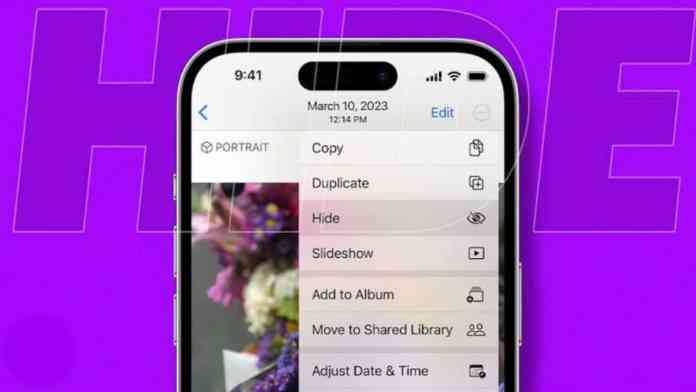
The Hidden Photos album provides basic concealment for sensitive images, though this feature offers limited security compared to Android alternatives. Content moved to this location disappears from main photo streams but remains accessible through the Albums interface.
As a result, iOS users seeking comprehensive photo privacy protection often rely on third-party applications that work within Apple’s security framework. These solutions typically emphasize ease of use while maintaining strong encryption standards that comply with iOS security requirements.
Best Practices for Maintaining Long-Term Photo Privacy
Therefore, implementing effective photo privacy measures requires ongoing attention to security practices and regular system maintenance. Creating multiple backup locations ensures that hardware failures don’t compromise your protected content permanently.
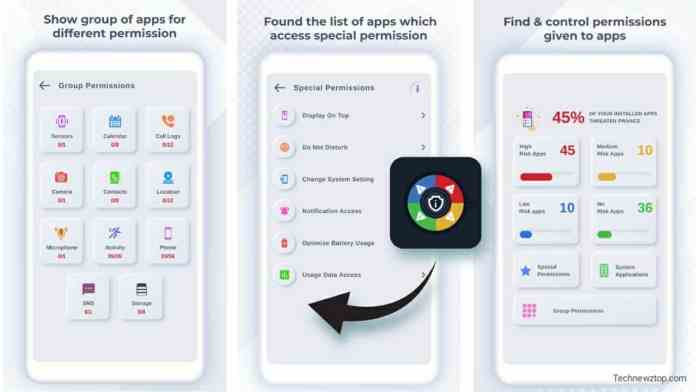
Regular security audits help identify potential vulnerabilities in your chosen photo privacy system. This includes updating authentication credentials, reviewing application permissions, and ensuring that all security features remain properly configured after system updates.
Additionally, consider implementing comprehensive mobile security measures that extend beyond photo privacy to protect your entire device ecosystem. This holistic approach provides better overall protection for all sensitive content stored on your mobile device.
Creating Effective Backup Strategies
Building on this foundation, establish secure backup procedures that maintain photo privacy while ensuring content availability. Cloud storage solutions with end-to-end encryption provide excellent protection while enabling access from multiple devices when necessary.
Document your security setup thoroughly, including authentication methods and recovery procedures. Store this information securely but separately from your protected content to ensure accessibility during emergency situations without compromising your photo privacy measures.
In conclusion, protecting personal photographs and videos requires a multi-layered approach that combines built-in device features with carefully selected third-party applications. Whether you choose Android’s flexible security ecosystem or iOS’s integrated protection framework, implementing proper photo privacy measures ensures that your most sensitive content remains secure from unauthorized access.
Remember to review and update your security configuration regularly, as both threats and available protection methods continue to evolve. For additional information on mobile device security, explore our comprehensive privacy protection guide that covers additional aspects of smartphone security beyond photo privacy.









 CyberSecurity4 weeks ago
 How To2 weeks ago
 CyberSecurity3 weeks ago
 CyberSecurity4 weeks ago
 How To2 weeks ago