Connect with us

Video

Milla Jovovich’s Surprising Pivot: From Action Star to AI Memory Tool Creator

Published

on

When you think of Milla Jovovich, images of the fierce Alice from Resident Evil or the enigmatic Leeloo from The Fifth Element likely come to mind. However, the action star has ventured into an entirely unexpected arena: artificial intelligence technology. Specifically, Jovovich has developed an AI memory tool that’s garnering attention in the tech community for its innovative approach to digital memory enhancement.

From Hollywood Sets to Silicon Valley Innovation

The transition from blockbuster films to AI memory tool development might seem jarring, but Jovovich’s creative background appears to have informed her technological pursuits. Therefore, her unique perspective as both a performer who relies on memorizing extensive scripts and a creative professional has shaped the tool’s user-centric design.

Building on this foundation, the AI memory tool represents more than just another tech gadget—it embodies a different approach to how we interact with our digital memories. Unlike traditional note-taking apps or basic reminder systems, this tool appears to understand context and personal patterns in ways that mirror human memory processes.

The Technology Behind Jovovich’s AI Memory Tool

What sets this AI memory tool apart from existing solutions lies in its sophisticated understanding of how human memory actually works. In addition to basic storage and retrieval functions, the system appears to create connections between disparate pieces of information, much like our brains form associative memories.

The tool’s interface reflects Jovovich’s attention to user experience, something she likely developed through years of working with complex film technologies and understanding what makes systems intuitive for creative professionals. As a result, users report that the AI memory tool feels more like a natural extension of their thinking process rather than a separate application they must learn to navigate.

Furthermore, the system’s ability to surface relevant memories at opportune moments suggests a level of contextual awareness that goes beyond simple keyword matching. This represents a significant advancement in how AI memory tools can serve as genuine cognitive assistants rather than mere digital filing cabinets.

Celebrity Entrepreneurs Reshaping Tech Innovation

Jovovich’s entry into the AI space reflects a broader trend of entertainment figures leveraging their platforms and resources to pursue technological innovation. However, what distinguishes her approach is the apparent depth of involvement in the actual development process rather than simply lending her name to an existing product.

The success of this AI memory tool could signal a new model for celebrity involvement in technology ventures. Instead of superficial endorsements, we’re seeing stars like Jovovich bringing their unique perspectives and problem-solving approaches to create genuinely useful innovations.

Consequently, this shift challenges traditional assumptions about the relationship between entertainment and technology industries. When creative professionals identify pain points in their workflows and develop solutions, the results often possess an intuitive quality that purely technical approaches might miss.

The Future of Personal Memory Enhancement

As AI memory tool technology continues to evolve, Jovovich’s contribution represents an important milestone in making these systems more accessible and human-centered. Moreover, her success in this venture could inspire other creative professionals to explore how their unique insights might contribute to technological advancement.

The implications extend beyond individual productivity to questions about how we preserve and interact with our personal histories in an increasingly digital world. Therefore, tools like Jovovich’s may play a crucial role in helping us maintain meaningful connections with our memories while leveraging AI’s organizational capabilities.

Milla Jovovich’s unexpected journey from action hero to AI innovator demonstrates that breakthrough technology can emerge from the most surprising sources. Her AI memory tool appears to offer a genuinely fresh approach to digital memory management, one that could influence how we think about the intersection of human cognition and artificial intelligence. To see exactly how this former Resident Evil star has revolutionized memory technology, the full demonstration reveals insights that text alone cannot capture.

Continue Reading
Click to comment

Leave a Reply

Your email address will not be published. Required fields are marked *

Video

I Built My Own AI System. I Didn’t Want to Like Perplexity Computer.

Published

on

As a creator who has painstakingly built a personal AI infrastructure with over 100 skills and multiple AI employees, I approached Perplexity Computer with a hefty dose of skepticism. Frankly, I didn’t want to like it. The promise of a $200-per-month service that could orchestrate 19 frontier AI models and build complete applications from a single prompt sounded too good to be true—a potential threat to the custom system I had poured my time into. However, after putting it to the test from my phone while traveling in Japan and watching it construct seven fully functional projects, I have to confront an inconvenient truth: this platform represents a seismic shift in how we turn ideas into reality.

What Is Perplexity Computer and How Does It Actually Work?

At its core, Perplexity Computer is not just another chatbot or code generator. It is a cloud-based AI orchestration engine. Building on this, the system’s genius lies in its architecture. When you submit a prompt, an intelligent orchestrator analyzes the request and dynamically routes it to the most suitable model from its arsenal of 19, which includes giants like GPT-4o, Claude 3.5 Sonnet, and Perplexity’s own models. Therefore, you’re not relying on a single AI’s strengths and weaknesses; you’re leveraging a committee of the world’s most advanced models, each assigned tasks they excel at.

The technical backbone is equally impressive. Perplexity Computer utilizes Firecracker micro-VMs—the same lightweight virtualization technology powering AWS Lambda—to spin up isolated, sandboxed environments for its sub-agents. As a result, each component of your app-building process runs in a secure container, preventing conflicts and allowing complex, multi-step operations to execute in parallel. This architecture is what enables the system’s most compelling feature: it can continue working on your project long after you’ve closed your laptop, iterating and improving while you sleep.

From Prompt to Product: Witnessing Real Projects Built from Scratch

The true test of any AI tool is not its spec sheet, but what it can produce. Consequently, I challenged Perplexity Computer with a diverse set of real-world ideas. First, I asked it to build a Blockbuster video store POS simulator for a nostalgia trip. From a single descriptive prompt, it generated a fully interactive web application with a functional checkout system, inventory management, and period-appropriate UI.

In addition, the creativity truly unlocked when I tasked it with building a gaming website for my children. The resulting “Keith Arcade” was not a simple static page; it was a hub with multiple playable games, a clean interface, and a scoring system. Perhaps more remarkably, the experience of effortlessly manifesting these ideas led to a surge of inspiration. I found myself conceptualizing and building a self-improving Japanese language learning app and a detailed RPG set in Japanese convenience stores called “Konbini Quest.” The barrier between idea and prototype had effectively vanished.

The Unexpected Discovery and the Real Cost of AI Power

Sometimes, the path of exploration leads you to unexpected places. While testing the system’s research and data aggregation capabilities, I prompted it to investigate a peculiar chain of cafes in Japan called “Yellow Deli.” The AI, leveraging its multi-model analysis and web search skills, compiled information, cross-referenced sources, and built an interactive investigation dashboard. To my surprise, this dashboard helped uncover and document the cafes’ alleged connections to a religious group, turning a simple test into a genuine piece of investigative journalism. This project, dubbed “The Yellow Deli Files,” showcased the system’s power beyond mere coding—it could synthesize complex information into a compelling, usable format.

Of course, capability comes with a cost. Perplexity Computer operates on a credit system. The $200 Pro plan provides a monthly allotment, with additional credits available for purchase. It’s crucial to understand that complex, multi-step projects that run autonomously will consume more credits. For professional developers or serious creators, this can be a justifiable operational expense, as it replaces hours of manual coding and coordination. For the casual user, it requires mindful usage. The transparency in the credit system, however, allows for predictable budgeting.

The Verdict: Is This the Future of Creation?

After building gaming sites, apps, simulators, and investigation dashboards, my initial resistance has given way to reluctant admiration. Perplexity Computer is not a magic wand that replaces skilled developers; it is a force multiplier that obliterates the friction of the first 90% of a project. It allows creators, entrepreneurs, and even curious individuals to validate concepts and build functional prototypes at an unprecedented speed.

Most tellingly, I handed the interface to my children. Without any guidance, they were able to articulate their own ideas and watch as the AI built simple games and interactive stories for them. This democratization of creation might be its most profound impact.

In conclusion, while my custom AI system remains a point of pride, Perplexity Computer has convincingly argued that the future of building with AI lies in sophisticated orchestration, not just raw model power. It turns the immense, often unwieldy potential of frontier AI models into a usable, reliable tool. To see this system in action—watching a prompt transform into a live application before your eyes—is to understand a fundamental shift in how we interact with technology. The video below documents this entire journey, from skepticism to revelation, and is essential viewing for anyone curious about the practical, today application of advanced AI.

Continue Reading

Video

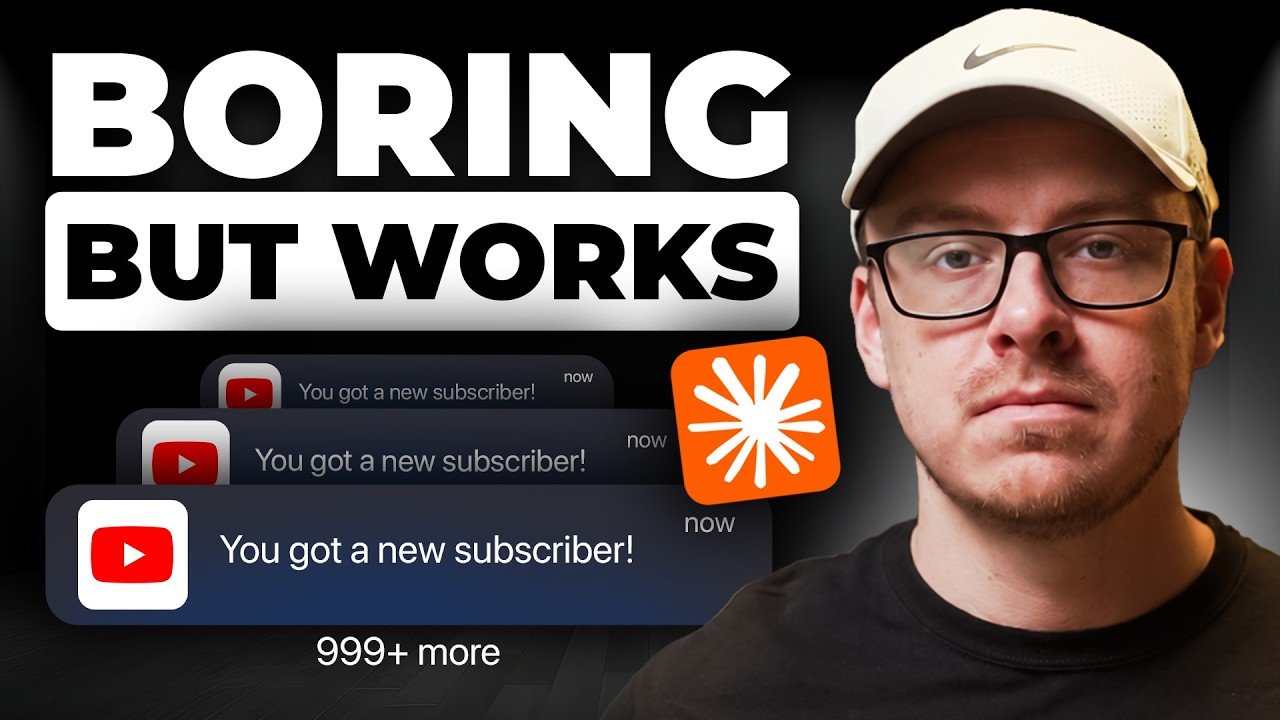
Beyond the Grind: The 7 Low-Effort YouTube Channel Models That Quietly Outperform Salaried Jobs

Published

on

Forget everything you think you know about YouTube success. The platform’s most lucrative opportunities aren’t found in the frantic, high-production arms race of daily vloggers or tech reviewers. Instead, they’re hidden in plain sight, within seemingly simple, low-effort formats that consistently generate income streams capable of rivaling—and often surpassing—traditional salaries. A recent analysis by creator Shane Hummus pulls back the curtain on seven such channel models, revealing a blueprint for sustainable digital entrepreneurship that requires more strategic thinking than grueling hours.

Building on this premise, the core revelation is that effort does not directly correlate with earnings on YouTube. In fact, some of the most streamlined content approaches exploit specific viewer behaviors and algorithmic niches that larger creators overlook. This isn’t about getting lucky with a viral video; it’s about constructing a reliable system. Therefore, the first step for any aspiring creator is to dismantle the myth that high view counts are the sole indicator of a profitable channel. A niche channel with a dedicated, small audience can be far more valuable than a broad channel with sporadic millions of views, especially when it serves a specific need or passion.

**The Sourdough Secret and the Power of Process Content**
One of the most compelling models highlighted is the ‘sourdough channel’ archetype. This falls under the broader category of satisfying, process-oriented content. A channel focused solely on the methodical, visual journey of baking bread, tending a garden, or restoring old tools taps into a profound viewer desire for calm, focused engagement. The effort for the creator is minimal—setting up a static shot and letting the process unfold—but the payoff is a highly watchable video that earns steady, long-term ad revenue. Furthermore, this content has exceptional shelf-life; a video on sourdough starter maintenance remains relevant for years, constantly attracting new viewers. This strategy proves that you don’t need to be in front of the camera or even speak to build a successful low-effort YouTube channel.

**The Lego Hack and Exploiting Viewer Nostalgia**
Similarly, the ‘Lego hack’ model demonstrates the power of niche, tactile creativity. A channel dedicated to building specific Lego sets or creating MOCs (My Own Creations) caters to a passionate, often adult, community. The content is straightforward: a time-lapse of a build, accompanied by relaxing music or minimal commentary. The production is simple, but the appeal is immense. This approach works because it leverages nostalgia, satisfies a curiosity about the end product, and provides a form of digital ASMR. It’s a potent reminder that a low-effort YouTube channel can be built around a single, focused activity you already enjoy, transforming a hobby into a revenue stream.

**The Still-Image Technique and Hidden Viewer Behavior**
Perhaps the most counterintuitive strategy discussed is the ‘still-image technique.’ This involves creating videos from slideshows of images—think historical photos, art galleries, or trivia facts—set to narration or music. Why does this work? It exploits a common viewer behavior: using YouTube as background audio. People listen to these videos while working, driving, or falling asleep. The algorithmic metrics for watch time can be excellent because the content is designed for prolonged, passive consumption. Consequently, a channel using this method requires almost no filming, editing, or on-camera presence. It’s a pure content-play, focusing on research and curation over production value, making it one of the most accessible low-effort YouTube channel formats.

**The 50-Year-Old Beginner’s Blueprint and Obvious Knowledge**
Another critical insight is the value of ‘obvious’ knowledge. As Shane Hummus points out, information that seems basic to you can be invaluable to someone just starting. A channel run by a 50-year-old beginner in woodworking, coding, or gardening, documenting their genuine learning process, is incredibly compelling. It’s relatable, authentic, and fills a gap that expert channels often leave behind. This model requires no advanced expertise, just a willingness to document the journey. The effort lies in consistency, not in possessing elite skills. This blueprint effectively turns the creator’s inexperience into their greatest asset, building a community of peers rather than students.

**The Career Coach Method for Time-Poor Creators**
For those with almost zero free time, the ‘career coach method’ offers a path. This involves repurposing professional expertise into concise, tip-based videos. A financial advisor could create 60-second videos on common tax mistakes. A project manager could explain a single productivity tool. The content is derived directly from the creator’s daily work, requiring no additional research. By filming several tips in one sitting, a creator can batch-weeks worth of content in an hour. This model proves that a low-effort YouTube channel can act as a synergistic extension of your existing career, not a separate, draining endeavor.

**Saturation is a Myth: The Power of Niching Down**
Finally, the analysis debunks the fear of market saturation. The ‘absurd niche experiment’ proves there is always room for a more specific angle. While ‘fitness’ is saturated, ‘kettlebell workouts for over-50s office workers’ is not. The niching-down strategy is the master key for new creators. It reduces competition, increases audience loyalty, and makes content planning infinitely easier. A hyper-focused low-effort YouTube channel attracts a dedicated tribe, which is far more valuable for long-term growth and monetization than a nebulous mass of subscribers.

In conclusion, the future of accessible YouTube success isn’t about louder, faster, or more expensive content. It’s about smarter, simpler, and more systematic approaches. The seven models explored—from soothing process videos to hyper-niched expertise—provide a roadmap for building an asset that works for you. They shift the paradigm from chasing viral fame to constructing a durable, income-generating platform. If the idea of replacing your job’s income with a streamlined creative outlet intrigues you, watching Shane Hummus’s full breakdown is an essential first step. The detailed case studies and underlying principles he reveals could provide the exact blueprint you need to begin.

Continue Reading

Video

Critical Security Alert: Why Every Samsung Galaxy Owner Must Install This Update Now

Published

on

If you own a Samsung Galaxy phone, there’s a new notification you shouldn’t ignore. A critical security update is currently rolling out to millions of devices, and it represents far more than just routine maintenance. This patch addresses vulnerabilities that could potentially leave your personal data, finances, and privacy exposed. While it might be tempting to hit “Remind me later,” security experts are urging immediate installation. This isn’t about new features; it’s about fortifying the digital walls of your most personal device.

Building on this urgency, the update serves as a stark reminder of the constant, invisible battle happening on our smartphones. Every day, new vulnerabilities are discovered by both security researchers and, more worryingly, malicious actors. Samsung’s rapid response with this patch highlights the ongoing commitment required from manufacturers to protect users in an increasingly connected world. Therefore, understanding what this update entails and why prompt action is crucial is essential for every Galaxy user.

The Nature of the Critical Vulnerabilities

The core of this Samsung Galaxy security update is a set of patches for specific, high-severity vulnerabilities. While the exact technical details are often kept vague to prevent exploitation, such updates typically address flaws that could allow unauthorized access to the device’s core functions. For instance, a vulnerability might exist in how the phone processes certain files or communicates with networks, creating a backdoor for malware or data theft. Installing this update is the only way to close these doors. Consequently, delaying the installation leaves your device—and everything on it—unnecessarily vulnerable during a window of known risk.

Why Immediate Installation is Non-Negotiable

In the realm of cybersecurity, time is of the essence. As a result, the public release of a security patch also signals to malicious groups that a specific weakness exists in unpatched devices. This can trigger a race between users updating their phones and attackers trying to exploit the flaw before it disappears. The “install now” warning is not an exaggeration; it’s a direct response to this tangible threat window. Furthermore, these vulnerabilities often transcend individual apps, targeting the Android operating system or Samsung’s own software layers, which control fundamental permissions and data access. Ignoring this update is akin to leaving your front door unlocked in a neighborhood where copies of your key have just been circulated.

Beyond Security: Additional Enhancements

In addition to the critical security fixes, this update often bundles performance enhancements and stability improvements. Samsung frequently uses these mandatory security deployments to quietly refine the user experience, fixing minor bugs that affect battery life, app performance, or connectivity. So, while the primary driver is protection, the update can also deliver a smoother, more reliable daily operation for your phone. However, it’s vital to remember that these benefits are secondary to the paramount importance of securing your device. The enhancements are a bonus, but the patch is a necessity.

How to Ensure Your Galaxy is Protected

To safeguard your device, you should manually check for the update if you haven’t received a notification. Navigate to Settings > Software update > Download and install. Ensure your phone is connected to Wi-Fi and has sufficient battery life before proceeding. It is also a prudent practice to regularly back up your important data, as a precursor to any major system update. Ultimately, making a habit of promptly installing these security patches is one of the most effective actions you can take for your digital wellbeing.

In conclusion, the latest Samsung Galaxy security update is a crucial defensive measure in an ongoing cyber war. It patches critical vulnerabilities that threaten the integrity of your personal information. The brief time it takes to install is a small price to pay for maintaining the security of your communications, photos, and financial details. For a detailed breakdown of the update’s specifics and visual guidance on the installation process, watch the full analysis in the video above. Don’t gamble with your digital security—update your Galaxy today.

Continue Reading

Trending