Connect with us

How To

Sony Xperia 1 VII: A Deep Dive into the Upcoming Flagship’s Camera, Performance, and Design

Published

on

Sony Xperia 1 VII: A Deep Dive into the Upcoming Flagship’s Camera, Performance, and Design

The tech world is buzzing with anticipation for the next chapter in Sony’s smartphone story. The Sony Xperia 1 VII is poised for a May launch, promising to blend the company’s signature cinematic vision with cutting-edge hardware. This isn’t just another phone; it’s a statement piece for creators and power users.

Design Philosophy: Staying True to Form

From the first glimpse, it’s clear the Sony Xperia 1 VII honors its lineage. The design language remains distinctly Sony: a tall, elegant form factor with a flat, uninterrupted display. Crucially, the front-facing camera is discreetly housed within a slim top bezel, avoiding the need for a distracting notch or punch-hole. This commitment to a clean viewfinder is a nod to the device’s photographic soul.

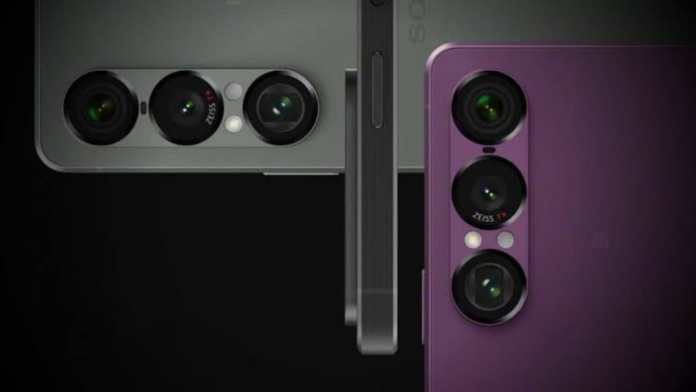
On the rear, a vertical array of three cameras sits in the top-left corner, accompanied by an LED flash. Each lens benefits from the renowned ZEISS T* anti-reflective coating, a feature cherished by photographers for reducing lens flare and ghosting. The physical layout is both functional and familiar. All essential controls—volume rocker, power button with an integrated fingerprint sensor, and a dedicated two-stage camera shutter—are clustered on the right edge. In an era of dongles, Sony’s retention of the 3.5mm headphone jack on the top edge is a welcome feature for audio purists. Early renders suggest the phone will be available in sophisticated green, purple, and classic black finishes.

Display and Core Performance: A Multimedia Powerhouse

What good is a cinematic phone without a stunning screen? The Xperia 1 VII is expected to feature a bright OLED panel, likely leveraging Sony’s proprietary Bravia TV technology. This integration promises exceptional color accuracy, contrast, and sharpness for both streaming content and mobile gaming. A rumored Sunlight Mode could dynamically boost brightness for perfect visibility outdoors.

Under the hood, performance takes a monumental leap. The device is powered by Qualcomm‘s latest and greatest, the Snapdragon 8 Gen 3 Elite chipset. Paired with a generous 12GB of RAM, this combination is engineered to handle intensive multitasking, high-frame-rate gaming, and professional-grade video editing without breaking a sweat. For instance, this level of power is perfect for users who edit 4K footage on the go, a task explored in our guide on professional mobile workflows.

On the software front, the phone is anticipated to launch with Android 15. More impressively, Sony is reportedly committing to four major Android OS upgrades and six years of security patches. This long-term support framework ensures the device remains protected and relevant far beyond the typical two-year cycle, offering tremendous value. Powering this experience is a substantial 5,000mAh battery, which could realistically deliver up to two days of use on a single charge.

Camera System: Where Alpha Meets Mobile

This is where the Sony Xperia 1 VII truly aims to differentiate itself. Sony is directly transplanting technology from its acclaimed Alpha mirrorless cameras into this smartphone. Features like advanced Real-time Eye Autofocus and Lock-on Tracking are designed to keep fast-moving subjects—be it a sprinting athlete or a playful pet—sharply in focus. The inclusion of a physical shutter button isn’t just a gimmick; it provides tactile feedback and half-press focus control that serious photographers demand.

The triple-lens rear system is expected to comprise an ultrawide, a primary, and a periscope-style telephoto lens. The periscope design allows for significant optical zoom without increasing the camera bump’s thickness, enabling clear, lossless shots of distant subjects. Combined with the ZEISS optics, users can expect images with remarkable clarity, minimal distortion, and professional color rendering. For those looking to maximize such a system, understanding composition is key. Check out our article on advanced smartphone photography techniques to get started.

Audio Excellence and a Companion Launch

Sony’s audio pedigree is unmistakable here. The phone features stereo speakers tuned for balanced sound and supports high-resolution audio codecs like LDAC, along with Sony’s DSEE Ultimate upscaling for compressed music files. This makes the Xperia 1 VII a compelling device for both wired and wireless high-fidelity listening.

Interestingly, Sony’s May announcements won’t stop at the phone. The company is also set to unveil the next generation of its industry-leading noise-canceling headphones, the Sony WH-1000XM6. Slated for a global reveal just days after the phone, these headphones are rumored to feature a new QN3 audio processor, promising a leap in noise cancellation effectiveness and sound quality. This dual launch underscores Sony’s strategy of creating a seamless, premium ecosystem for both visual and auditory experiences.

Final Thoughts on the Sony Xperia 1 VII

As the launch date approaches, the picture of the Sony Xperia 1 VII comes into focus. It is shaping up to be a device that refuses to follow trends, instead doubling down on the core tenets that have defined the Xperia series: a creator-centric camera, a pristine multimedia display, and robust, long-lasting build quality. While it faces fierce competition in the flagship arena, its unique proposition for photographers, videographers, and audiophiles makes it one of the most intriguing releases of the year. This May, Sony isn’t just launching a phone; it’s inviting users to experience technology crafted with a distinct point of view.

Continue Reading
Click to comment

Leave a Reply

Your email address will not be published. Required fields are marked *

How To

How to Download WhatsApp Status: A Complete Guide for 2025

Published

on

How to Download WhatsApp Status: A Complete Guide for 2025

Have you ever come across a friend’s WhatsApp status that made you laugh, think, or smile—and wished you could keep it forever? You are not alone. Millions of users want to save these fleeting moments, but WhatsApp does not offer a built-in download button for statuses. Fortunately, there is a straightforward way to download WhatsApp status using a third-party app. This guide walks you through every step, so you can save and share your favorite statuses in minutes.

Why You Might Want to Download WhatsApp Status

Status updates on WhatsApp disappear after 24 hours. This temporary nature makes them feel exclusive, but it also means you can lose content that matters to you. Whether it is a funny clip from a friend, an inspiring quote, or a beautiful photo, saving it allows you to revisit or share it later. However, many users struggle because the app itself does not provide a direct save option. That is where a dedicated WhatsApp status downloader comes into play.

What You Need to Download WhatsApp Status

Before you begin, ensure you have a few things ready. First, you need an Android phone—most status-saving apps are designed for Android. Second, make sure WhatsApp is installed and you have viewed the status you want to save at least once. Third, download a reliable status saver app from the Google Play Store. Many free options exist, but always choose one with good reviews to protect your privacy.

Choosing the Right App

Not all status saver apps are created equal. Look for an app that is lightweight, ad-free (or minimally ad-supported), and respects your data. Popular choices include “Status Saver” or “WA Status Saver.” Avoid apps that request unnecessary permissions, like access to your contacts or messages. A trustworthy app only needs storage permission to save the status files.

Step-by-Step Guide to Download WhatsApp Status

Follow these simple steps to save WhatsApp status from your friends. The process is quick and requires no technical skills.

Step 1: Install the Status Saver App

Open the Google Play Store on your Android phone. Search for “Status Saver” or “WhatsApp Status Downloader.” Pick a highly rated app and tap “Install.” Once installed, open the app. It will ask for storage permission—grant it. This permission allows the app to read and save media files on your device.

Step 2: Open the App and View Statuses

After granting permission, the app will automatically scan your WhatsApp media folder. You will see a list of all recent statuses from your contacts. These appear in a clean gallery view. If no statuses show up, make sure you have viewed them on WhatsApp first. The app cannot access unseen statuses.

Step 3: Select and Save the Status

Browse through the thumbnails. Tap and hold the status you want to download. A menu will pop up with options like “Save” or “Download.” Tap “Save.” The status will be stored in your phone’s gallery or a dedicated folder. You can now share it on other platforms or keep it as a memory.

Step 4: Check Your Saved Files

Open your phone’s gallery app. Look for a folder named “StatusSaver” or similar. All downloaded statuses will be there. You can move them to other folders or share them directly from the gallery.

Tips for a Smooth Experience

To make the most of this trick, keep a few things in mind. First, always update the status saver app regularly to avoid compatibility issues with WhatsApp updates. Second, use a reliable internet connection—statuses load faster with Wi-Fi. Third, respect privacy: only save statuses for personal use, and avoid resharing without permission. This approach keeps your relationships healthy and your device secure.

Frequently Asked Questions

Can I download WhatsApp status on iPhone?

Yes, but the process is different. iOS restricts file access more than Android. You can use the screenshot method for images or screen recording for videos. Some third-party apps exist, but they often require a computer workaround. For the easiest experience, Android remains the best platform for downloading statuses.

Is it safe to use a status downloader app?

Generally, yes, if you choose a reputable app. Stick to apps with high ratings and many downloads. Avoid apps that ask for SMS or contact permissions—they may misuse your data. Always read the privacy policy before installing.

Will the other person know I saved their status?

No. WhatsApp does not notify users when someone saves their status via a third-party app. However, if you reshare the status, the original poster might see it. Use common sense and courtesy.

Alternatives to Third-Party Apps

If you prefer not to install an extra app, consider manual methods. For images, take a screenshot. For videos, use your phone’s screen recording feature. These methods are built-in and require no downloads. However, they may lower quality or capture extra UI elements. For a clean, high-quality save, a dedicated app is still the best choice.

In conclusion, learning how to download WhatsApp status is easier than you think. With a simple app and a few taps, you can preserve the content that matters most. Whether you want to save a friend’s travel video or a motivational quote, this method works every time. Start saving your favorite statuses today and never lose a precious moment again.

For more helpful guides, check out our article on how to send photos without losing quality on WhatsApp or explore how to hide WhatsApp blue ticks.

Continue Reading

How To

WhatsApp Beta for Windows Now Lets You Disable Call Notifications – Here’s How

Published

on

WhatsApp Beta for Windows Now Lets You Disable Call Notifications – Here’s How

Managing notifications on messaging apps can sometimes feel overwhelming. Fortunately, WhatsApp is addressing this by introducing a new capability that allows users to disable call notifications WhatsApp on the beta Windows app. This update puts you back in control, letting you decide when and how you receive alerts for incoming voice and video calls.

As reported by WABetaInfo, the feature is currently being tested with a limited group of beta testers. It is part of the WhatsApp beta for Windows version 2.2250.4.0. The goal is simple: give users a straightforward way to silence call alerts without muting other notification types.

Why You Might Want to Disable Call Notifications on WhatsApp

Many users have experienced the annoyance of a ringing WhatsApp call breaking their focus, even when their device is set to Do Not Disturb mode. In some cases, the call notification bypasses the silent profile, causing unwanted interruptions. With this new toggle, you can manually override that behavior.

Furthermore, if you prefer to check missed calls at your own pace rather than being alerted instantly, this feature offers a perfect solution. It does not block the call itself; it simply suppresses the notification banner and sound. This means you can still see the call log later.

Additionally, for those who use WhatsApp on a desktop or laptop for work, silencing call alerts can help maintain productivity. You can focus on tasks without the distraction of incoming call pop-ups. This is a practical addition for professionals and remote workers alike.

How to Find and Use the New Notification Toggle

Checking whether you have access to this feature is straightforward. Open the WhatsApp beta app on your Windows device and navigate to Settings > Notifications. If the option is available, you will see a dedicated toggle labeled “Disable notifications for calls.” Simply switch it on to silence all incoming call alerts.

It is important to note that this setting is independent of your system-level Do Not Disturb mode. Even if your PC is set to silent, the WhatsApp toggle ensures that call notifications are suppressed at the app level. This provides an extra layer of control for users who want to customize their experience.

According to the update notes, this feature was included in a previous Microsoft Store update. However, it is currently only enabled for a select number of beta testers. The company is expected to expand availability to more users in the coming weeks.

What This Means for WhatsApp Users

This update reflects WhatsApp’s ongoing effort to refine the user experience across platforms. By offering granular control over notifications, the app becomes more adaptable to individual preferences. The ability to disable call notifications WhatsApp is a small but meaningful improvement for those who value peace and quiet.

Moreover, this feature aligns with similar options already available on the mobile versions of WhatsApp. Users on Android and iOS have long been able to customize call notification settings. Now, desktop users are catching up, ensuring a more consistent experience across devices.

If you have not yet received the update, do not worry. Beta features often roll out gradually. Keep your app updated through the Microsoft Store and check the notifications settings regularly. For more tips on managing your WhatsApp experience, explore our guide on how to use Meta AI on WhatsApp.

Final Thoughts on the Notification Update

In a world where constant connectivity can lead to digital fatigue, having options to mute specific alerts is a welcome change. WhatsApp’s new toggle for call notifications on the Windows beta app empowers users to tailor their notification environment. Whether you are working, studying, or simply relaxing, you can now silence those ringing interruptions with a single switch.

Building on this, the feature also hints at future improvements. As WhatsApp continues to develop its desktop client, users can expect more customization options. For now, beta testers are the first to enjoy this enhanced control. Everyone else should stay tuned for a broader release.

Do you have questions about this update or other WhatsApp features? Feel free to leave a comment below. And if you found this article helpful, share it with your friends on social media. For more tech news and tutorials, check out our post on WhatsApp’s undo delete for me feature.

Continue Reading

How To

Android Malware Protection: Essential Steps to Secure Your Smartphone from Malicious Apps

Published

on

Android Malware Protection: Essential Steps to Secure Your Smartphone from Malicious Apps

With millions of Android devices in use worldwide, the risk of malware attacks on Android smartphones continues to grow. A recent incident involving a popular app with over 100 million downloads—found to contain hidden malware—has raised alarms among users. The question is no longer if you’ll encounter a threat, but how prepared you are. This guide provides practical, effective strategies for Android malware protection, helping you keep your personal data safe and your device running smoothly.

Understanding the Threat: What Is Malware and How Does It Affect Android?

Malware, short for malicious software, includes viruses, trojans, spyware, ransomware, and adware. Once it infects your Android device, it can steal contacts, messages, photos, and even banking credentials. Beyond data theft, malware often slows down performance, displays intrusive ads, or locks you out of your device entirely.

Consider the case of a free proxy service app that secretly installed other apps without user consent. It harvested phone numbers and locations while bombarding users with ads. This example underscores why proactive Android malware protection is essential—not optional.

Proven Strategies for Protecting Your Android Device

Install a Reliable Antivirus App

One of the most effective defenses is a reputable antivirus app. Options like Norton Mobile Security, Avast Mobile Security, and Kaspersky Mobile Antivirus can detect and remove malware. Make sure to keep the app updated so it can recognize the latest threats. This alone can significantly reduce your risk of malware attacks on Android.

Keep Your Apps and Operating System Updated

Developers regularly release updates that patch security vulnerabilities. Ignoring these updates leaves your device exposed. Set your device to auto-update apps and the OS, or check manually at least once a week. This simple habit is a cornerstone of Android malware protection.

Download Apps Only from Trusted Sources

Third-party app stores and unknown websites are common sources of malware. Stick to the Google Play Store, and always check the developer’s name and user ratings. If an app offers paid features for free or promises unrealistic benefits, it’s a red flag. For more tips, see our guide on how to spot fake Android apps.

Review App Permissions Carefully

Before installing any app, examine the permissions it requests. A flashlight app, for example, shouldn’t need access to your contacts or location. If permissions seem excessive, don’t install the app. This practice helps prevent malware from accessing sensitive data.

Be Wary of Phishing Scams

Phishing attempts often arrive via email, SMS, or pop-up messages. They try to trick you into clicking a malicious link or sharing personal information. Never click on links from unknown senders. If a message seems urgent or too good to be true, it’s likely a scam. Strengthening your awareness is a key part of Android malware protection.

Use a Virtual Private Network (VPN)

A VPN encrypts your internet traffic and hides your IP address, making it harder for malware to intercept your data. Choose a provider with a strict no-logs policy and strong encryption. This adds an extra layer of security, especially on public Wi-Fi networks.

Secure Your Device with a Strong Password or PIN

A simple lock screen can prevent unauthorized access if your phone is lost or stolen. Avoid obvious passwords like “1234” or “password.” Instead, use a combination of numbers, letters, and symbols. For additional protection, enable biometric authentication like fingerprint or face recognition.

What to Do If Your Android Device Gets Infected

Even with the best precautions, infections can happen. If you notice unusual behavior—such as pop-up ads, battery drain, or unfamiliar apps—take immediate action. Run a full scan with your antivirus app. If the problem persists, boot your device in safe mode to disable third-party apps, then uninstall any suspicious ones. For persistent issues, consider a factory reset after backing up your data. Learn more in our article on how to remove malware from Android.

Final Thoughts on Android Malware Protection

The threat landscape for Android users is real and evolving. However, by adopting these measures—installing an antivirus, updating regularly, downloading cautiously, and staying alert—you can dramatically lower your risk. Android malware protection is not a one-time task but an ongoing commitment. Stay informed, stay vigilant, and your device will remain a tool for productivity and enjoyment—not a liability.

Continue Reading

Trending