Connect with us

How To

The Complete Guide to Finding and Managing Saved Passwords in Google Chrome

Published

on

The Complete Guide to Finding and Managing Saved Passwords in Google Chrome

In our interconnected digital lives, the average person juggles dozens of online accounts. Remembering a unique, strong password for each one is a monumental task. This is where your browser’s built-in tools become essential. Specifically, learning how to handle your Google Chrome passwords can transform your online security from a constant worry into a streamlined process.

Google Chrome includes a powerful, free password manager directly within the browser. It securely stores your login credentials, auto-fills them on websites, and even helps generate strong passwords. Understanding how to access and control this feature is the first step toward a more secure and convenient browsing experience.

Why Rely on Chrome’s Built-In Password Manager?

Before we navigate the steps, let’s consider the advantages. A dedicated password manager, even a built-in one like Chrome’s, solves several critical problems. First, it eliminates the need to memorize countless passwords. Second, it encourages the use of strong, unique passwords for every site, drastically reducing your risk if one service suffers a data breach. Since it’s integrated into Google Chrome, it’s always available, syncs across your devices if you’re signed in, and requires no additional software installation or subscription fees.

For many users, this native tool provides sufficient security for everyday accounts. It represents a significant upgrade over the dangerous habit of reusing simple passwords or, worse, writing them down on sticky notes.

How to Access Your Saved Passwords in Chrome

Retrieving your stored login information is a straightforward process. Follow these steps to view your Google Chrome passwords on a desktop computer.

Step-by-Step Navigation

Begin by opening your Chrome browser. Look to the top-right corner of the window and click the three vertical dots, which represent the “More” menu. From the dropdown list that appears, select “Settings.” This will open a new tab dedicated to Chrome’s configuration options.

Once in Settings, direct your attention to the left-hand sidebar. Click on “Autofill and passwords.” Here, you will find the central hub for all things related to form-filling and credentials. Now, click on “Password Manager.” You have now arrived at the vault containing all your saved usernames and passwords.

Viewing a Specific Password

Within the Password Manager, you’ll see a list of websites for which Chrome has saved credentials. To view a password, simply click the eye icon next to the obscured password field. For security, Chrome will first ask you to authenticate. This typically involves entering your computer’s user account password or using Windows Hello/PIN. After successful verification, the password will be revealed in plain text.

This process is vital for when you need to log into a site on a new device or share credentials securely (though sharing is not generally recommended). For more on securing your entire system, read our guide on protecting your Android device.

Best Practices for Managing Chrome Passwords

Access is only half the battle. Effective management is what turns a simple storage tool into a robust security asset. Here are key strategies for handling your Google Chrome passwords.

1. Audit and Clean Your Password List

Periodically review your saved passwords. Remove entries for old accounts you no longer use. Chrome also features a “Password Checkup” tool that proactively alerts you if any of your saved passwords have been compromised in a known data breach, are weak, or are reused across multiple sites. Addressing these warnings should be a top priority.

2. Leverage the Built-In Password Generator

When creating a new account or updating an old password, let Chrome suggest a strong one. When Chrome detects a password creation field, it will often offer a complex, random string of characters. Using this generator ensures your passwords are virtually impossible to guess and unique to each site.

3. Know the Limits: When Not to Save

While convenient, you should think twice before letting Chrome save passwords for highly sensitive accounts. This includes primary email accounts, banking sites, and any service that holds your financial or deeply personal data. For these, consider using a separate, dedicated password manager with additional security layers or memorizing them. The logic is simple: if someone gains physical access to your unlocked computer, they have immediate access to any password saved in Chrome.

4. Sync Securely (With Caution)

If you use Chrome across multiple devices, signing in to your Google account will sync your passwords. This is incredibly convenient but ties the security of your passwords to your Google account’s strength. Therefore, enable two-factor authentication (2FA) on your Google account without fail. This adds a critical second step for verification, making unauthorized access far more difficult.

When to Consider a Dedicated Password Manager

Chrome’s tool is excellent for basic needs, but it has limitations. For instance, it lacks features like secure password sharing with family members, more detailed security reports, or separate vaults for different types of data. If you require advanced functionality, dedicated apps like LastPass or 1Password are powerful alternatives. They often operate across all browsers and platforms, not just Chrome, and may offer more granular control.

Ultimately, the best password manager is the one you will use consistently. For many, the simplicity and immediacy of Chrome’s built-in solution make it the perfect starting point. By mastering how to access and manage your Google Chrome passwords, you take a major step in securing your digital identity. Remember, good security is a habit, not a one-time setup. For related tips on communication security, explore our article on enabling WhatsApp’s encrypted backup.

Continue Reading
Click to comment

Leave a Reply

Your email address will not be published. Required fields are marked *

How To

Your Complete Guide to Using ChatGPT on Android and iOS Devices

Published

on

Your Complete Guide to Using ChatGPT on Android and iOS Devices

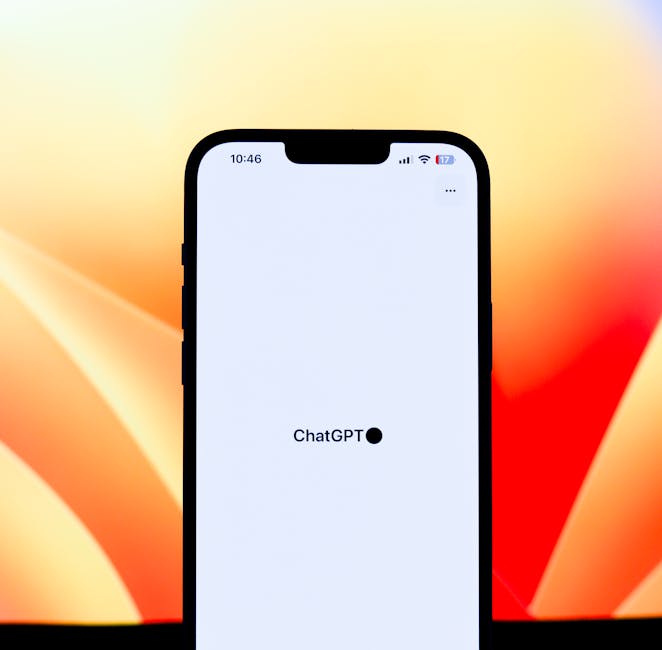
Artificial intelligence has moved from our desks into our pockets. The revolutionary ChatGPT chatbot, once confined to desktop browsers, is now fully accessible on mobile devices. This guide provides clear, actionable methods to use ChatGPT on Android and iOS, transforming your smartphone into a portable AI assistant.

Accessing ChatGPT Directly Through Your Mobile Browser

Contrary to what some might think, you don’t need a dedicated app to harness ChatGPT’s power on your phone. The primary method remains the mobile web browser. This approach offers the full, uncompromised ChatGPT experience.

First, ensure you have an updated web browser like Google Chrome or Safari. Next, navigate directly to the official ChatGPT website. The process is remarkably straightforward and mirrors the desktop experience.

Step-by-Step Setup for First-Time Mobile Users

If you’re new to ChatGPT, begin by creating an account. Open your browser and visit the OpenAI portal. Look for the “Try ChatGPT” button. You’ll be prompted to sign up using an email address and create a password. After a quick email verification and a brief introductory questionnaire, you’ll gain immediate access.

Once logged in, you can start conversing with the AI immediately. The mobile interface is clean and responsive, allowing you to ask questions, request content, or seek explanations just as you would on a computer. Your conversation history is saved, enabling you to revisit previous chats during your session.

Integrating ChatGPT with Siri Using Shortcuts

For iPhone users, a powerful integration exists that blends ChatGPT’s intelligence with Siri’s convenience. By using Apple’s Shortcuts app, you can create a voice-activated bridge to the AI. This method requires a bit more setup but delivers a hands-free, conversational experience.

To begin, you’ll need your OpenAI API key, which is found in your account settings on the website. Then, locate a pre-made “SiriGPT” shortcut through a trusted source and add it to your Shortcuts library. During the setup, you’ll paste your unique API key into the designated field within the shortcut’s configuration.

After granting the necessary permissions for speech recognition and data sharing, you can activate the shortcut by saying “Hey Siri” followed by its name. Ask your question aloud, and Siri will process it through ChatGPT’s API and read the response back to you in its synthesized voice. This creates a seamless, voice-first AI assistant experience.

Understanding the Mobile Requirements and Limitations

Before diving in, it’s helpful to know what’s needed. The requirements are minimal: a stable internet connection and a modern mobile browser. There is no official, standalone ChatGPT application for either Android or iOS app stores. All access is channeled through the browser, which ensures you’re always using the most up-to-date version of the model.

This browser-based approach has distinct advantages. It eliminates the need for frequent app updates and guarantees feature parity with the desktop version. However, it does mean you must be online to use the service, as there is no offline functionality. For more insights on maximizing AI tools, explore our guide on boosting productivity with AI.

Maximizing Your Mobile ChatGPT Experience

To get the most out of ChatGPT on your phone, consider a few pro tips. Bookmark the ChatGPT login page to your browser’s home screen for one-tap access. This creates an app-like icon that bypasses the need to type the URL each time. Additionally, familiarize yourself with the mobile interface’s menu, typically found in the top-left corner, where you can switch to dark mode or review your conversation history.

Remember that while ChatGPT is a powerful tool, it is not infallible. The AI can sometimes present incorrect or outdated information with confidence. Therefore, use it as a creative partner and a brainstorming tool, but always verify critical facts through reliable sources. For related mobile tech guides, check out our article on advanced lock screen customization.

The Future of AI is in Your Pocket

The ability to use ChatGPT on Android and iOS represents a significant shift in how we interact with information. No longer tethered to a desk, we can now get AI-powered answers, draft emails, solve coding problems, or explore creative ideas from anywhere. This mobility democratizes access to advanced AI, putting a world-class research tool in the hands of billions.

As AI technology continues to evolve, mobile integration will only become more sophisticated. For now, the browser-based method and Siri shortcuts provide a robust and effective way to tap into this resource. Start your mobile AI journey today and discover how a conversational assistant can enhance your daily digital life.

Continue Reading

How To

Unlock Instagram’s Hidden Setting for Maximum Photo and Reel Quality

Published

on

Unlock Instagram’s Hidden Setting for Maximum Photo and Reel Quality

Have you ever posted a meticulously edited photo or a crisp video reel to Instagram, only to feel the final result looks slightly duller or grainier than the original? You’re not imagining it. In fact, there’s a specific reason behind this common frustration, and more importantly, a simple fix hidden within the app’s menus.

The Unseen Compromise: Why Your Instagram Uploads Lose Quality

Instagram, the Meta-owned social giant, applies a universal compression algorithm to almost all media uploaded to its platform. This process happens automatically, with the stated goal of ensuring faster upload times and conserving mobile data for users across varying network conditions. Consequently, when you hit ‘Share’, your high-resolution image or video is often processed into a smaller, more manageable file. This means that fine details, vibrant colors, and overall sharpness can be sacrificed without your explicit consent. For creators and everyday users who value visual fidelity, this default behavior can be a significant drawback.

How to Find the Instagram Secret Settings for Quality

Fortunately, Instagram provides a direct way to override this default compression. The control is tucked away in the settings, not prominently advertised, making it one of the platform’s most useful Instagram secret settings. Here is the precise, step-by-step method to activate it:

  1. Open the Instagram app and navigate to your profile by tapping your picture in the bottom-right corner.
  2. Tap the three-line menu icon (☰) in the top-right corner of your profile screen.
  3. Select ‘Settings and privacy’ from the menu that appears.
  4. Scroll down until you find the ‘Data usage and media quality’ section and tap it.
  5. Inside, you will find the crucial toggle: ‘Upload at highest quality’. Switch this setting ON.

Once enabled, Instagram will prioritize the quality of your uploads over speed and data savings. This applies to both photos and reels, ensuring your creative work is presented as intended. For more tips on optimizing your social media content, explore our guide on creating engaging posts.

When You Might Want to Keep Compression On

While the high-quality upload is a powerful tool, it’s not always the optimal choice. This setting requires a stable internet connection and will consume significantly more mobile data. Therefore, there are practical scenarios where you might want to leave it disabled or toggle it off temporarily.

Managing Your Data and Connection

If you are using a limited mobile data plan or are in an area with a weak cellular signal, uploading large video files at full quality could fail or exhaust your data allowance quickly. In such cases, the default compression is beneficial. It ensures your content uploads successfully without causing frustration or unexpected charges. Smart management of this setting is key to a smooth experience.

Balancing Speed and Fidelity

Sometimes, speed is more important than perfection. If you’re sharing a quick, casual story update or a reel in real-time, waiting for a large file to upload might not be practical. The standard setting provides a good balance, getting your content online swiftly while maintaining acceptable quality for most viewers.

Pro Tips for Optimal Instagram Media

Activating the high-quality upload is just one part of the equation. To truly make your content stand out, consider these complementary strategies. First, always edit and finalize your photos and videos in a dedicated editing app before bringing them into Instagram. This gives you finer control over color grading, sharpness, and composition.

Second, be mindful of Instagram’s supported formats and aspect ratios. Uploading media that already conforms to Instagram’s preferred specifications (like a 4:5 portrait photo or a 9:16 reel) can sometimes result in less aggressive secondary compression by the app. For a deeper dive into video specs, check out our article on mastering Instagram video.

Taking Control of Your Visual Narrative

Ultimately, this hidden toggle hands control back to the user. It acknowledges that for photographers, artists, brands, and serious creators, visual quality is non-negotiable. By understanding and using this Instagram secret settings feature, you decide the trade-off between data, speed, and quality on your own terms.

So, the next time you prepare a stunning landscape photo or a meticulously edited reel, remember to flip that switch. Your audience will see the difference, and your portfolio will maintain its professional sheen. Have you tried this setting yet? What impact did it have on your content? Share your experiences and let’s discuss how small changes can lead to significantly better results.

Continue Reading

How To

The Complete Guide to Liking and Unliking Content on Instagram

Published

on

The Complete Guide to Liking and Unliking Content on Instagram

Navigating the world of social media engagement can sometimes feel like a puzzle. On Instagram, one of the most fundamental ways to interact is by liking content. But what if you change your mind? Understanding how to both like and unlike posts, videos, and Reels is essential for curating your digital footprint and providing genuine feedback to creators.

Why Your Likes Matter on Instagram

Every tap on the heart icon sends a signal. For creators, these likes are a vital metric, offering insight into what resonates with their audience. For you, the user, they help personalize your feed. The algorithm learns from your interactions, showing you more of what you enjoy. This means your likes directly shape your Instagram experience. Conversely, removing a like—or “unliking”—allows you to keep your engagement authentic and your profile activity reflective of your current interests.

How to Like an Instagram Post or Video

The process is designed to be intuitive. First, open the Instagram app and ensure you’re logged into your account. Scroll through your main feed or visit the Explore page to discover new content. When you find a photo or video you appreciate, you have two primary options. You can simply tap the heart icon located directly beneath the post. Alternatively, for a quicker action, double-tap anywhere on the image or video itself. A red heart will appear, confirming your like.

The Double-Tap Shortcut

This gesture has become synonymous with Instagram approval. It’s a fast, seamless way to show appreciation without moving your thumb to a specific button. It works universally across standard posts and videos in your feed.

How to Unlike an Instagram Post or Video

Changing your mind is a normal part of social browsing. Perhaps you liked something by accident, or your opinion shifted. To remove your like, navigate back to the post in question. If you are viewing it in your feed, you will see that the heart icon below it is now filled in and red. Tap this icon once. It will revert to its empty, outlined state, indicating you have successfully unliked the content. Your engagement will be removed from the post’s public count.

Mastering Engagement with Instagram Reels

Instagram Reels have taken center stage as the platform’s short-form video hub. Liking them follows a similar principle but within a dedicated space. To start, tap the Reels icon (it looks like a clapperboard) at the bottom of your Instagram screen. This opens the full-screen, vertical Reels player. As you watch, you can like a Reel by tapping the heart icon on the right side of the screen, next to the comment and share buttons. Just like with posts, you can also double-tap directly on the video playing in the center of your screen for an instant like.

Unliking a Reel You’ve Enjoyed

If you need to retract a like on a Reel, the process is just as straightforward. Find the Reel again—you can look in your “Liked” saved folder or search for the creator’s profile. Once the Reel is playing, look at the heart icon on the right. If it’s red, tap it once. The color will fade, showing you have unliked it. This action helps keep your saved likes collection accurate.

Managing Your Broader Instagram Engagement

Beyond individual actions, it’s wise to periodically review your liked content. You can view all the posts you’ve ever liked by going to your profile, tapping the menu (three lines), and selecting “Your activity.” From there, tap “Interactions” and then “Likes.” This gives you a historical view and an opportunity to manage your past engagements in bulk. For more tips on organizing your profile, check out our guide on Instagram profile optimization.

Furthermore, understanding these mechanics is part of a larger strategy for effective social media use. Consistent, genuine interaction is key. Therefore, don’t underestimate the power of a thoughtful like; it fuels the creator ecosystem. On the other hand, don’t hesitate to unlike content that no longer aligns with your views or interests. This ensures your digital identity remains current.

The Impact of Your Interactions

Each like and unlike is a small data point that influences two things: the creator’s understanding of their audience and Instagram’s algorithm concerning your preferences. This creates a feedback loop where quality content gets promoted, and your feed becomes more tailored. In essence, you are training the app to serve you better. For users looking to grow their own presence, mastering engagement is the first step. Explore our article on increasing Instagram engagement for deeper strategies.

In conclusion, the ability to like and unlike is more than a simple feature—it’s the core of interactive social media. By using these tools intentionally, you enhance your own experience while contributing to the platform’s vibrant community. So go ahead, double-tap with purpose, and curate your digital world with confidence.

Continue Reading

Trending