Connect with us

Artificial Intelligence

Why AI-Pilled Graduates Are Falling Short in Finance: The Rise of Critical Thinking

Published

on

Why AI-Pilled Graduates Are Falling Short in Finance: The Rise of Critical Thinking

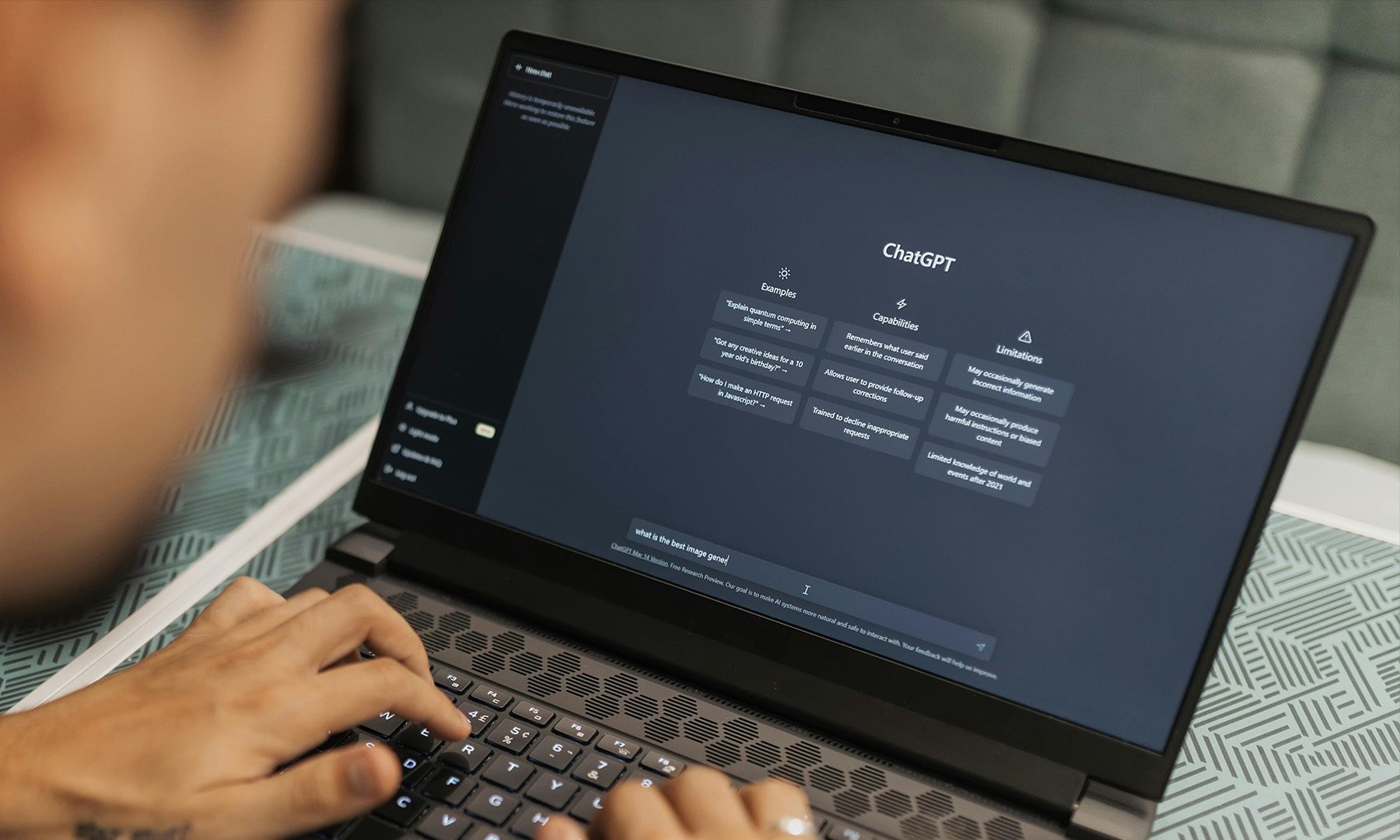
Artificial intelligence is rapidly reshaping the financial industry, but a surprising pushback is emerging. Many finance firms are now reconsidering their hiring strategies after encountering a wave of AI-pilled graduates who excel at using chatbots but struggle with deep analysis. These candidates, often dubbed “true AI natives,” dazzle during recruitment with polished presentations—only to falter under the scrutiny of senior executives.

According to a report by The Financial Times, a New York financier recently described his company’s 2025 interns as the first generation to grow up entirely with generative AI. While they appeared highly capable initially, their ideas often lacked originality and independent reasoning. As a result, return offers have dwindled, and firms are shifting focus toward candidates with stronger critical thinking skills—including those from humanities backgrounds.

The Disconnect Between AI Fluency and Real-World Finance

Finance is investing heavily in AI. Major players like JPMorgan and Visa now brand themselves as technology-driven, while Nvidia reports that most finance executives see AI as critical to future growth. However, a survey by Cambridge Judge Business School reveals a stark reality: over 80% of financial firms use AI, but most deployments remain stuck in back-office tasks rather than core strategy.

Equally telling, only a minority of firms report meaningful profit gains from AI. A large percentage say the technology has produced little noticeable financial change. This gap between hype and results is driving a hiring rethink. Employers now want people who can challenge AI outputs, spot weaknesses, and apply independent judgment—not just operate the tools.

Why Critical Thinking Matters More Than AI Skills

For AI-pilled graduates, this shift is a wake-up call. Technical knowledge and AI fluency remain valuable, but they are no longer sufficient. Companies are differentiating between those who rely on AI for answers and those who think critically alongside it. Communication, reasoning, adaptability, and deep subject understanding are becoming equally important in an AI-driven workplace.

Building on this, the trend extends beyond finance. Across industries, employers are realizing that AI is most effective as an enhancement tool—not a replacement for human thought. The firms likely to thrive are those combining automation with employees capable of strong judgment and original analysis.

Regulatory Pressure Adds Another Layer

Regulators are also stepping up. Concerns about AI hallucinations, cyber risks, and automated decision-making are pushing financial authorities to develop safer testing frameworks. This means firms must hire people who can navigate these complexities, not just generate slick outputs.

Therefore, the message is clear: AI-pilled graduates need to cultivate critical thinking skills to succeed in finance. For more insights on how AI is transforming hiring, check out our guide on AI in finance hiring trends. Additionally, learn why humanities graduates are gaining an edge in tech-driven roles.

What This Means for Future Hiring

The growing consensus within finance is that AI is a tool for enhancement, not replacement. As adoption accelerates, the most successful firms will be those that prioritize independent reasoning over raw AI fluency. This shift could redefine hiring trends for years to come—and explain why some finance firms are no longer fully sold on the “AI-pilled” graduate.

Ultimately, the lesson for students and young professionals is straightforward: develop your ability to think critically, question AI outputs, and apply original analysis. These skills will set you apart in a world where AI fluency is becoming the baseline, not the differentiator.

Continue Reading
Click to comment

Leave a Reply

Your email address will not be published. Required fields are marked *

Artificial Intelligence

Meta employees struggle with AI tracking and layoffs: A corporate culture in turmoil

Published

on

Meta employees struggle with AI tracking and layoffs: A corporate culture in turmoil

When a tech giant decides to push artificial intelligence on its workforce, the results can be messy. At Meta, the company behind Facebook and Instagram, employees are finding themselves at the center of a tense experiment. The company has started tracking keystrokes, mouse movements, and screen activity on corporate laptops to train its AI models. This move, combined with mandatory AI training and looming layoffs, has sparked an internal backlash. Many workers feel that their privacy is being invaded and their jobs are at risk. This story offers a glimpse into how even the most powerful tech companies can struggle when they try to force an AI future on their own people.

The tracking controversy: Why Meta employees are angry

In early 2025, Meta quietly informed tens of thousands of US employees that their laptops would begin monitoring their behavior. The goal was to collect data on how people use computers, feeding it into AI systems to improve productivity tools. However, the reaction was swift and negative. Internal comment threads filled with anger and confusion, with over a hundred emoji reactions expressing frustration. One engineering manager asked how to opt out, but Chief Technology Officer Andrew Bosworth replied that there was no opt-out on company devices.

This has led many to question the company’s motives. After all, Meta has built its business on collecting user data. Now, it is turning that same approach inward. Employees see this as a form of surveillance, not a learning opportunity. The lack of choice has only deepened the mistrust. As a result, morale has taken a hit, and some workers have started building AI agents to manage their other AI agents, creating a bizarre feedback loop.

Mandatory AI training and performance pressure

Beyond tracking, Meta has introduced mandatory “AI Transformation Weeks” to retrain its workforce. These sessions are designed to help employees understand and use AI tools. However, the pressure is high. The company now ties AI tool usage to performance reviews, and internal dashboards gamify how many AI tokens each person consumes daily. This metric is so aggressively tracked that some employees feel they must compete to prove their value.

This approach has created a stressful environment. Workers are expected to embrace AI, but they also worry that they are training their own replacements. The irony is not lost on them: Meta is investing heavily in AI systems that could automate many of their tasks. Meanwhile, the company is cutting jobs to fund these initiatives. On April 17, news broke that Meta plans to cut around 10% of its workforce—approximately 8,000 people—with the first wave scheduled for May 20. The timing could not be worse.

Layoffs add fuel to the fire

The layoff announcement has made everything worse. Employees who spent weeks learning AI and having their behavior tracked now face the possibility of losing their jobs. Internal posts describe the mood as “incredibly demoralizing.” At least three countdown websites have appeared, tracking the days until the layoffs. Workers circulate nihilistic memes, and one popular post simply reads: “It does not matter.” This sense of hopelessness is spreading.

Mark Zuckerberg addressed the data collection at a company-wide meeting, framing it as a way to teach AI how “smart people use computers to accomplish tasks.” He also noted that AI is “probably one of the most competitive fields in history.” However, for employees sitting in an office, wondering if they will still have a job in three weeks, these words ring hollow. The disconnect between leadership and staff is widening.

Broader implications for the tech industry

What is happening at Meta is not unique. Other companies, such as Microsoft, Coinbase, and Block, have made similar moves. They are restructuring around AI, leading to layoffs and internal friction. However, Meta is doing it all at once and at scale. The company is retraining workers, surveilling their behavior, tying job security to AI adoption, and cutting headcount to fund the whole endeavor. This creates a perfect storm of anxiety and resentment.

For the tech industry, this serves as a warning. Pushing AI too aggressively can backfire. Employees are not just cogs in a machine; they are people with concerns about privacy, job security, and fairness. Companies that ignore these concerns risk losing talent and trust. As AI continues to evolve, finding a balance between innovation and human needs will be critical.

What this means for the future of work

The situation at Meta highlights a growing tension in the workplace. On one hand, companies want to harness AI to boost efficiency and stay competitive. On the other hand, workers fear being replaced or monitored. This is not just a tech problem; it is a human one. Building on this, organizations must communicate clearly and offer real choices. Forcing AI on people without addressing their concerns will only breed resistance.

For employees, the message is clear: stay informed and advocate for your rights. For employers, the lesson is that trust is fragile. Once broken, it is hard to rebuild. The Meta case shows that even the most powerful companies can face a revolt when they ignore their own people. As the AI revolution unfolds, the question remains: who will benefit—the machines or the humans?

If you want to learn more about how AI is reshaping workplaces, check out our guide on AI workplace strategy or explore tips on employee privacy rights in the digital age.

Continue Reading

Artificial Intelligence

How Google Workspace with Gemini Acts as an AI Co-Founder for Small Business Scaling

Published

on

How Google Workspace with Gemini Acts as an AI Co-Founder for Small Business Scaling

Every small business starts with a spark: a big idea, a tiny team, and a mountain of tasks. The challenge isn’t just launching—it’s sustaining momentum when resources are tight. This is where Google Workspace small business scaling becomes a game-changer, offering a built-in AI co-founder that works alongside you, not just as a tool but as a strategic partner.

Why Small Businesses Need an AI Co-Founder

Running a startup means wearing every hat—CEO, marketer, accountant, and customer support. The pressure to do more with less is relentless. Traditional productivity tools help, but they don’t think ahead. That’s where Gemini, Google’s AI, steps in. Integrated directly into Google Workspace, Gemini functions like an always-on co-founder: it drafts emails, summarizes meetings, and even generates content, freeing you to focus on strategy.

For example, a founder can ask Gemini to analyze customer feedback in Google Sheets, turning raw data into actionable insights within seconds. This isn’t just automation; it’s intelligent augmentation that amplifies your team’s capabilities.

Google Workspace Plans That Scale With Your Business

One of the biggest hurdles for startups is outgrowing their tools. What works for a team of two can quickly become a bottleneck for a team of ten. Google Workspace sidesteps this with tiered plans designed for small business scaling. Each plan includes Gemini integration, but the features expand as you grow.

Starter Plan: For Solopreneurs and Freelancers

At just $7 per user per month, the Starter plan is perfect for solo operators. It includes custom domain email, secure cloud storage, and Gemini built into Gmail. This means you can draft professional emails, manage your inbox, and communicate efficiently without extra effort.

Standard Plan: For Growing Teams

Priced at $14 per user per month, this tier is ideal for teams of 5–10. It offers 2TB of pooled storage, shared drives, and enhanced meeting features. Gemini now works across Gmail, Docs, Sheets, and Slides, automating repetitive tasks like formatting and drafting. This helps teams move from idea to execution faster.

Plus Plan: For Scaling Operations

Starting at $22 per user per month, the Plus plan is built for established businesses. It introduces advanced security, compliance tools like eDiscovery, and up to 5TB of storage. At this level, Gemini acts as a full executive assistant, handling scheduling, content creation, and data analysis, so leadership can focus on growth.

As a Digital Trends reader, you can save 15% on Google Workspace for your first six months.

How Gemini Boosts Productivity Across Apps

Gemini’s power lies in its seamless integration across the entire Workspace suite. Here’s how it transforms daily workflows:

  • Gmail: Drafts emails, refines messaging, and summarizes long threads.
  • Google Docs: Generates proposals, blogs, and internal documents from scratch.
  • Google Sheets: Organizes data into structured tables and trackers automatically.
  • Google Slides: Creates visuals and layouts without design expertise.
  • Google Meet: Captures meeting notes and action items automatically.

This means your team spends less time on manual tasks and more on high-value work. For instance, a marketing team can use Gemini to draft a blog post in Docs, then instantly convert it into a presentation in Slides—all without switching tools.

Turning AI Into Your Competitive Advantage

For small businesses, time is the most limited resource. Gemini shifts AI from a convenience to a clear competitive advantage. By embedding it into everyday workflows, you gain an edge over larger competitors with bigger teams.

Take NotebookLM, a powerful tool within the ecosystem. Unlike general AI that pulls from the open web, NotebookLM only uses data you provide. A founder preparing for an investor pitch can upload financial reports, customer interviews, and product roadmaps. NotebookLM then generates FAQs, summarizes risks, and highlights insights across documents—all grounded in your data. This avoids external inaccuracies and provides citations directly to source material.

Similarly, in Google Sheets, you can upload hundreds of customer survey responses and ask Gemini to categorize sentiment or identify recurring requests. This turns unstructured feedback into a strategic roadmap within minutes, without needing a dedicated analyst.

Building Beyond National Small Business Week

National Small Business Week is a great reminder of entrepreneurial ambition, but success is defined by what happens after. The right tools aren’t just a technical choice—they’re a strategic one. Businesses that embrace connected, AI-powered systems early are best positioned to adapt, scale, and compete in a fast-moving market.

Google Workspace with Gemini doesn’t just keep up with demand; it builds a resilient workflow that’s efficient and ready for whatever comes next. Whether you’re a solopreneur or a growing team, the platform scales with you, eliminating the need to switch tools as you expand.

Your Practical Next Step

If your team spends more time managing work than doing work, it’s time to rethink your setup. Digital Trends readers can get Google Workspace at a discount—15% off the first six months of any eligible plan, Business Starter, Standard, or Plus.

The teams that win today aren’t the ones with the most resources. They’re the ones who use their resources best. With Gemini as your AI co-founder, you can focus on what matters: growing your business.

For more tips on scaling your startup, check out our guide on AI tools for small businesses or explore productivity tips for startups.

Continue Reading

Artificial Intelligence

Grok Voice Mode Arrives on CarPlay: A Sarcastic AI Copilot for Your Commute

Published

on

Grok Voice Mode Arrives on CarPlay: A Sarcastic AI Copilot for Your Commute

Imagine pulling into traffic and having an AI with a sharp tongue and no filter sitting next to you. That’s now a reality. Grok Voice Mode CarPlay has officially launched, letting drivers chat with xAI’s famously opinionated assistant through their dashboard. For some, this is a thrilling leap forward. For others, it might feel like inviting a digital menace into the front seat.

The rollout marks a significant moment for xAI. Until now, Grok’s in-car presence was largely limited to Tesla vehicles. With this update, millions of iPhone users across hundreds of car models can finally experience the AI’s unfiltered personality while keeping their hands on the wheel.

What Does Grok Voice Mode on CarPlay Actually Do?

After weeks of teasing, xAI has activated Grok Voice Mode for Apple CarPlay. The feature is now live in the latest Grok iPhone app update and can be launched directly from the CarPlay interface. Once started, drivers can hold full voice conversations with the AI—asking questions, brainstorming ideas, or simply chatting hands-free.

This means your commute just got a lot more interactive. Need quick information about a restaurant ahead? Want to debate the best route home? Grok is ready to respond, often with a sarcastic twist. However, there are limitations. Unlike Tesla’s deeper integration, the CarPlay version cannot control vehicle systems like climate or navigation. You also need to manually open the app; there is no “Hey Grok” wake word yet.

Why This Matters for the AI Chatbot Race

The AI chatbot race has officially reached CarPlay. Apple recently opened the platform to third-party voice assistants, and the competition is fierce. Apps like ChatGPT, Gemini, Claude, and Perplexity are all vying for your attention in the car. But Grok Voice Mode CarPlay stands out for one key reason: personality.

Most AI assistants stay calm, neutral, and helpful. Grok, on the other hand, leans into sarcasm, opinionated remarks, and intentional chaos. That might sound entertaining, but it raises a question: Do you really want an internet-style AI personality commenting on your driving during rush hour? For some, it’s the future of driving. For others, it’s the start of some very weird commutes.

What Makes Grok Different?

Grok’s design philosophy is deliberately provocative. Built by xAI under Elon Musk’s direction, the assistant is trained to be unfiltered and humorous. In a car setting, this could lead to lively exchanges—or awkward silences. Unlike Siri, which sticks to practical tasks, Grok might offer unsolicited advice or a snarky comment about your playlist.

Still, the expansion is a smart move for xAI. By bringing Grok to CarPlay, the company instantly reaches a massive audience beyond Tesla owners. This could accelerate adoption and make Grok a household name in voice AI.

How to Get Started with Grok Voice Mode on CarPlay

Getting started is straightforward. First, ensure your iPhone has the latest Grok app update. Then, connect your phone to CarPlay as usual. You’ll see a Grok icon on the CarPlay screen. Tap it to launch the voice mode, and you’re ready to chat.

For now, the experience is basic but functional. You can ask questions, get real-time information, or just talk. xAI may add more features in future updates, such as wake-word activation or deeper integration with car controls. But for now, it’s a solid first step.

Is Grok Voice Mode Safe for Driving?

Safety is a natural concern when introducing any voice assistant to a car. Grok’s unfiltered nature could be distracting. However, the hands-free design aims to minimize visual interaction. You keep your eyes on the road and your hands on the wheel, while Grok handles the conversation.

That said, drivers should use common sense. If Grok’s sarcastic replies make you laugh or argue, it might impair focus. Learn more about using AI assistants safely while driving. Ultimately, Grok Voice Mode CarPlay is a tool—how you use it determines whether it’s a helpful copilot or a chaotic distraction.

For more on how AI is transforming in-car experiences, check out our guide on the best AI car apps of 2026. And if you’re curious about the broader AI chatbot race, read our comparison of ChatGPT vs. Grok vs. Gemini.

Continue Reading

Trending