Connect with us

Video

YouTube Money Revealed: The Real Numbers Behind Earning on YouTube

Published

on

If you’ve ever wondered how much YouTubers actually earn—not the flashy Lamborghini myth, but the real, spreadsheet-level truth—then Shane Hummus’s latest video is essential viewing. Titled “How To Make Money On YouTube (The REAL Numbers),” this deep dive pulls back the curtain on the platform’s hidden economics. It’s not just about views; it’s about strategy, niche selection, and the hard data that most creators never see.

The Brutal Truth About YouTube Money

Shane doesn’t sugarcoat it. Most creators, he explains, stay broke because they chase the wrong metrics. The video opens with a sobering statistic: the vast majority of channels earn less than $100 per month from AdSense. This isn’t a get-rich-quick scheme; it’s a business that requires deliberate positioning. The key takeaway? **YouTube money** isn’t distributed equally—even within the same niche, there’s a massive gap between top earners and everyone else.

Building on this, Shane introduces a hidden gap that many overlook. Two creators can have similar subscriber counts and upload frequency, yet one earns ten times more. Why? The answer lies in content tier and monetization strategy, not just view count.

The AdSense Trap and the 1% Rule

One of the most eye-opening sections is what Shane calls the “1% rule.” He reveals that only about 1% of creators ever reach a livable income from AdSense alone. The rest are stuck in a low-earning loop. He argues that relying solely on ad revenue is a trap—a **YouTube money** ceiling that the platform itself has already hit.

In addition, Shane points out that YouTube’s CPM rates have plateaued. As a result, creators who focus only on views are essentially working harder for less. The real opportunity, he says, lies in diversifying income streams: sponsorships, affiliate marketing, digital products, and coaching.

The Secret Strategy Thriving Creators Use

So what separates the 1% from the rest? According to Shane, it’s not luck or viral hits. It’s a deliberate content tier matrix. He breaks down four levels of content: entertainment, educational, hybrid, and high-value niche. Each tier has different earning potential and audience loyalty.

For example, entertainment channels (like gaming or vlogs) often get high views but low CPM. Educational channels, on the other hand, may have fewer views but command higher ad rates and more engaged audiences. The sweet spot? Hybrid content that educates while entertaining.

Shane also reveals that the platform’s algorithm secretly favors watch time and audience retention over raw views. Chasing views, he warns, is quietly killing channels because it encourages clickbait that hurts long-term growth.

The Blueprint Hiding in Plain Sight

Toward the end of the video, Shane lays out a blueprint that top creators already use. It involves choosing a niche with high advertiser demand (like finance, tech, or health) and creating content that solves specific problems. He emphasizes that the right niche lets you do far less work for more **YouTube money**.

Furthermore, he encourages viewers to skip the trial-and-error phase by learning from successful creators who have already cracked the code. The path to sustainable income isn’t mysterious—it’s just rarely taught openly.

Why This Video Matters Now

With YouTube’s ad revenue growth slowing, understanding the real numbers is more critical than ever. Shane’s video is a reality check for anyone serious about turning their channel into a business. It’s not about discouraging new creators; it’s about equipping them with the truth so they can make smarter decisions.

Watch the full video above to see the exact data, the content tier matrix, and the actionable steps that can help you escape the AdSense trap. Whether you’re just starting or looking to level up, this is the honest breakdown you’ve been waiting for.

Continue Reading
Click to comment

Leave a Reply

Your email address will not be published. Required fields are marked *

Video

YouTube SEO Tutorial: How to Rank Videos and Grow Your Channel in 2026

Published

on

If you’ve been following generic YouTube SEO advice — stuffing keywords into titles, obsessing over tags, or copying what big creators do — you might be sabotaging your own growth. In his latest tutorial, Shane from The Content Growth Engine dismantles common myths and reveals a data-driven approach that helped launch a channel from zero subscribers in just 21 days. This isn’t your typical YouTube SEO tutorial; it’s a strategic blueprint for ranking videos on YouTube in 2026.

Why Most YouTube SEO Advice Backfires

Shane opens with a bold claim: most popular YouTube SEO advice is making your channel worse. The reason? Creators often mimic tactics that worked for established channels without understanding the underlying strategy. For example, using overly creative or vague titles might attract clicks from existing subscribers, but they fail to signal relevance to YouTube’s algorithm for new audiences. Instead, Shane argues, you need to think like a librarian — categorizing your content so the platform knows exactly who to show it to. This shift in mindset is the foundation of any effective video SEO strategy.

The ‘Moneyball’ Method: Data Over Guesswork

Building on this idea, Shane introduces the “Moneyball” method — a term borrowed from baseball analytics. The concept is simple: instead of guessing what topics will perform well, you use data to find underserved niches with high search demand. He demonstrates how to identify “hungry crowds” — audiences actively searching for content that isn’t being adequately served. By targeting these gaps, even a small channel can rank videos on YouTube quickly. This approach flips traditional SEO on its head: rather than optimizing for keywords after creating content, you let keyword research guide your topic selection from the start.

The Two-Part Title Blueprint for Massive Views

One of the most actionable takeaways is Shane’s two-part title formula. He explains that “creative” titles are silently killing channels because they prioritize intrigue over clarity. Instead, your title should combine a specific keyword with a compelling promise. For instance, “How to Rank Videos on YouTube (YouTube SEO Tutorial)” works because it tells both the algorithm and the viewer exactly what to expect. This balance between SEO and click-through rate is critical. Additionally, he reveals that the real reason people click isn’t just the keyword — it’s the perceived value or transformation they’ll get. So, your title must answer the question: “What’s in it for me?”

Hidden Traffic Sources and Description Hacks

Shane also shares a hidden traffic source that quietly works for you: YouTube’s suggested videos and playlists. By structuring your content to feed into these systems — through proper categorization, end screens, and playlist optimization — you can generate consistent views without relying solely on search. He also simplifies the often-overlooked description field. Most creators overthink it, but Shane’s advice is straightforward: write a natural, keyword-rich summary that includes timestamps and links. This helps both users and the algorithm understand your content’s context.

How to Find Proven Video Ideas Before You Create

The tutorial culminates with the “hungry crowd strategy” and the “ratio secret.” Shane demonstrates how to use search volume and competition data to find topics that guarantee views. He even suggests looking at “bad content on small channels” — poorly executed videos on popular topics — as a goldmine. If a low-quality video on a small channel gets thousands of views, imagine what a well-produced version could do. This is the essence of ranking videos on YouTube: find demand, fill it better than anyone else.

Final Thoughts

Shane’s YouTube SEO tutorial is a refreshing departure from cookie-cutter advice. It’s packed with practical, data-backed strategies that any creator can implement — regardless of channel size. Whether you’re stuck at a few hundred subscribers or starting from scratch, these methods can help you rank videos on YouTube and build sustainable growth. Watch the full video to see the exact process in action, including the tool demonstrations and real-world examples that make this tutorial truly valuable.

Continue Reading

Video

6 Easy Business Ideas You Can Start With Low Capital

Published

on

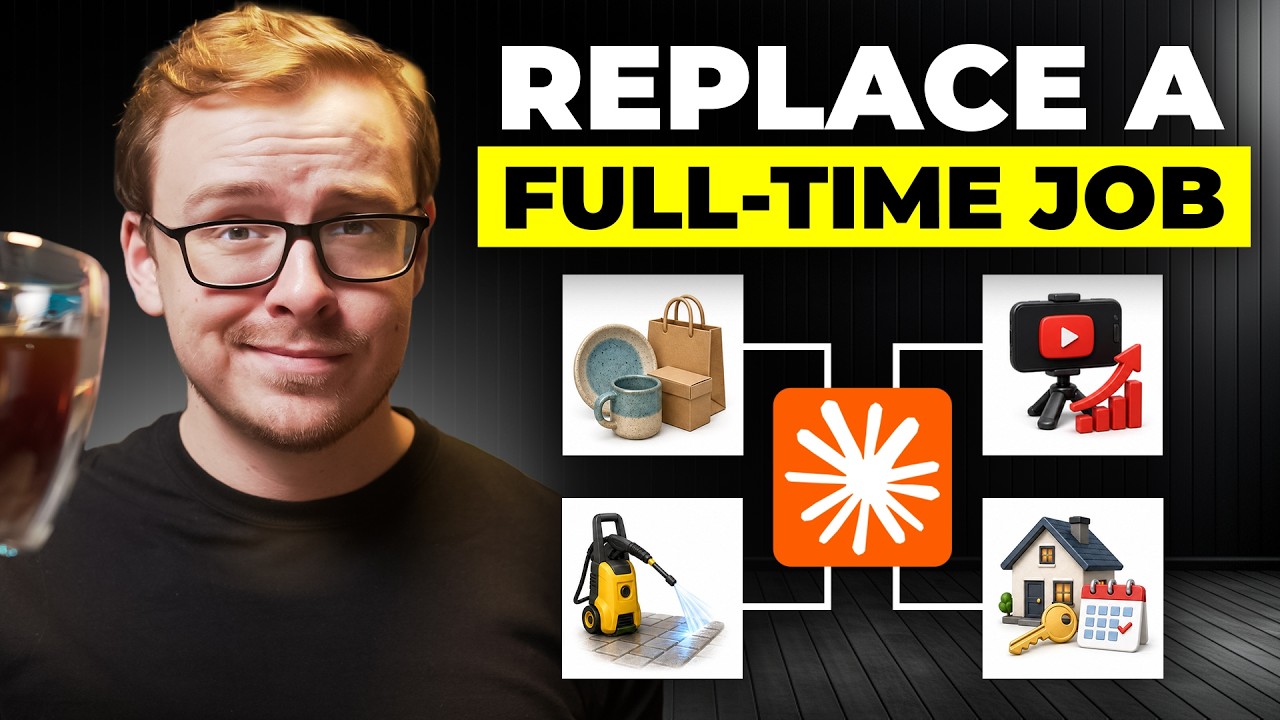
Starting a business often feels like a distant dream, especially when you’re staring at a limited bank account. The common narrative insists you need thousands of dollars, a fancy office, or a groundbreaking invention to succeed. However, a growing wave of entrepreneurs is proving that you can launch a profitable venture with very little upfront cash. In a recent deep dive, entrepreneur and content creator Shane Hummus breaks down six easy business ideas that require surprisingly low capital, offering a practical roadmap for anyone ready to take the leap.

Building on this, the video doesn’t just list generic suggestions. Instead, it uncovers unusual, overlooked niches that are quietly gaining traction on social media and in local markets. Whether you’re looking for a side hustle to supplement your income or a full-time replacement for your 9-to-5, these easy business ideas provide a realistic starting point. Let’s explore the most compelling opportunities from his analysis.

The Power of Unusual Niches: Why Most People Overlook These Easy Business Ideas

One of the most striking points in the video is the emphasis on unusual, low-competition niches. Shane argues that many aspiring entrepreneurs fail because they chase saturated markets like dropshipping or general freelancing. Instead, he highlights a weird niche that is “quietly blowing up on social media.” This serves as a reminder that the best easy business ideas often come from observing what others ignore.

As a result, the first idea involves a forgotten art form that is making a comeback. This isn’t about painting or pottery in the traditional sense, but a specific craft that has found a new audience on platforms like Instagram and TikTok. The beauty of this approach is that the materials are inexpensive, and the learning curve is manageable. By focusing on a niche with passionate buyers, you can build a loyal customer base without spending a fortune on advertising.

Turning Hobbies into Cash: The Scalable Side Hustle

Another standout concept from the video is turning a simple hobby into a scalable side hustle. Many of us have skills we take for granted—whether it’s calligraphy, organizing, or a specific type of repair work. Shane points out that these hobbies can be monetized with minimal investment, often using tools you already own.

For instance, he discusses the “forgotten art form” that is quietly gaining traction. This could be anything from hand-lettering to leatherworking. The key is to identify a hobby that produces tangible results and then leverage platforms like Etsy or local craft fairs. In addition, he mentions the “no-certification business” that most people completely sleep on—a service-based idea that doesn’t require formal training but has high demand. This is a perfect example of how easy business ideas can be built on existing skills rather than expensive education.

The Thrift Store Secret: Building a Fashion Brand from Scratch

Perhaps the most inspiring segment of the video focuses on the thrift store secret that built a real fashion brand. This is a powerful case study for anyone interested in sustainable fashion or reselling. The idea is simple: source high-quality, unique clothing from thrift stores, then curate and resell them online. What makes this one of the most accessible easy business ideas is that the initial investment can be as low as $20 for a few items.

However, success in this space requires more than just picking random clothes. Shane explains that the real secret lies in understanding trends, building a consistent aesthetic, and using social media to tell a story. By doing so, you can transform a thrift store find into a coveted piece. This approach has helped many entrepreneurs build six-figure brands from their bedrooms, proving that low capital doesn’t mean low potential.

The Overlooked Local Service: High Demand, Low Barrier to Entry

Finally, the video highlights a booming local business with more demand than most people realize. This is a service-based idea that doesn’t require a physical storefront or expensive equipment. Instead, it relies on your time, reliability, and a bit of marketing. Examples include pet sitting, power washing, or organizing services. These easy business ideas are particularly attractive because they offer immediate cash flow and can be scaled by hiring help later.

Shane emphasizes that many of these services have a high demand but low supply of trustworthy providers. By simply showing up on time and doing a great job, you can quickly build a reputation and a steady stream of referrals. This is a reminder that sometimes the easiest business ideas are the ones hiding in plain sight in your own community.

Watch the Full Breakdown

If you’re ready to explore these easy business ideas in more detail, I highly recommend watching the full video. Shane provides specific examples, timestamps for each idea, and practical tips to get started today. Whether you’re drawn to thrift store fashion, a forgotten craft, or a local service, this guide offers a realistic path to entrepreneurship without breaking the bank.

Click play below to discover which of these low capital opportunities fits your skills and lifestyle best.

Continue Reading

Video

How I Got 2000 Subscribers in a Week: The Counterintuitive Strategy That Actually Works

Published

on

If you’ve been grinding on YouTube for months—or even years—without seeing the subscriber count move, you’re not alone. Many creators feel stuck, watching others blow up while they struggle to hit triple digits. But what if the advice you’re following is actually holding you back? In a revealing video, Shane from The Content Growth Engine shares how he got 2000 subscribers in a week by doing the exact opposite of what most gurus preach. This isn’t another generic “post consistently” lecture. It’s a data-backed, counterintuitive roadmap that can transform your channel.

The YouTube “Guru” Advice That’s Killing Small Channels

Let’s face it: most YouTube advice is recycled fluff. “Invest in expensive gear,” “post every day,” “optimize your tags”—sound familiar? Shane argues that these tips are secretly sabotaging small channels. Why? Because they focus on vanity metrics and busywork, not on what actually drives growth. For instance, obsessing over camera quality before you’ve even found your audience is a waste of time. The truth is, viewers care about value, not 4K bokeh. Building on this, Shane reveals that the creators who explode often use basic equipment and focus entirely on content quality. So, instead of buying a new lens, spend that time researching what your audience actually wants.

The Perfectionist Trap and the Shorts Myth

Perfectionism is the silent killer of YouTube growth. Many creators spend weeks editing a single video, polishing every transition, only to get 50 views. Shane calls this the “perfectionist trap.” He explains that the first 100 videos you publish will likely be mediocre—and that’s okay. YouTube’s algorithm rewards volume and learning, not perfection. In addition, he tackles the uncomfortable truth about Shorts: while they can bring quick views, they rarely convert to loyal subscribers. Shorts are a discovery tool, not a growth strategy. If you want to get 2000 subscribers in a week, you need a different approach.

The Counterintuitive Growth Strategy That Changes Everything

Here’s where things get interesting. Shane introduces a counterintuitive growth strategy that most creators never consider: focus on one heavy lever instead of spreading yourself thin. That lever? **Search traffic.** Most small channels rely on browse or suggested videos, but search is where you can dominate with low competition. By creating videos that answer specific, high-intent questions (e.g., “How to edit videos in Premiere Pro for beginners”), you tap into a steady stream of viewers who are already looking for that content. As a result, your videos rank on Google and YouTube search, bringing in subscribers who are actually interested in your niche. This is exactly how Shane got 2000 subscribers in a week—by targeting keywords with high search volume and low competition.

The Step-by-Step Process for Finding Winning Ideas

To replicate this success, Shane outlines a simple process. First, use YouTube’s search bar to find “people also ask” queries. Second, look for videos with high views but low-quality content—these are opportunities to create a better version. Third, craft titles that include the exact search phrase. For example, instead of “My Vlog,” use “How I Got 2000 Subscribers in a Week.” This approach ensures your video appears in search results when people are actively looking for solutions. Consistency is the multiplier here; publishing one search-optimized video per day can compound into massive growth over time. Shane shares the story of a creator who published 400 videos before seeing a breakthrough—proof that patience and persistence pay off.

Why This Matters for Your Channel

The real takeaway? Stop chasing trends and start solving problems. The algorithm rewards creators who provide clear, actionable answers to specific questions. By shifting your focus from “going viral” to “being found,” you can build a loyal subscriber base that grows steadily. Shane’s method isn’t flashy, but it works. If you’re tired of spinning your wheels, watch the full video to see the exact strategy in action. It might just be the game-changer you need.

Ready to transform your YouTube journey? Watch the video above to learn how to get 2000 subscribers in a week using this counterintuitive growth strategy. Your next big breakthrough is closer than you think.

Continue Reading

Trending