Connect with us

Social Media

YouTube Just Made It Twice as Hard for New Creators to Start Earning Money

Published

on

YouTube monetization requirements

YouTube just doubled the bar for new creators

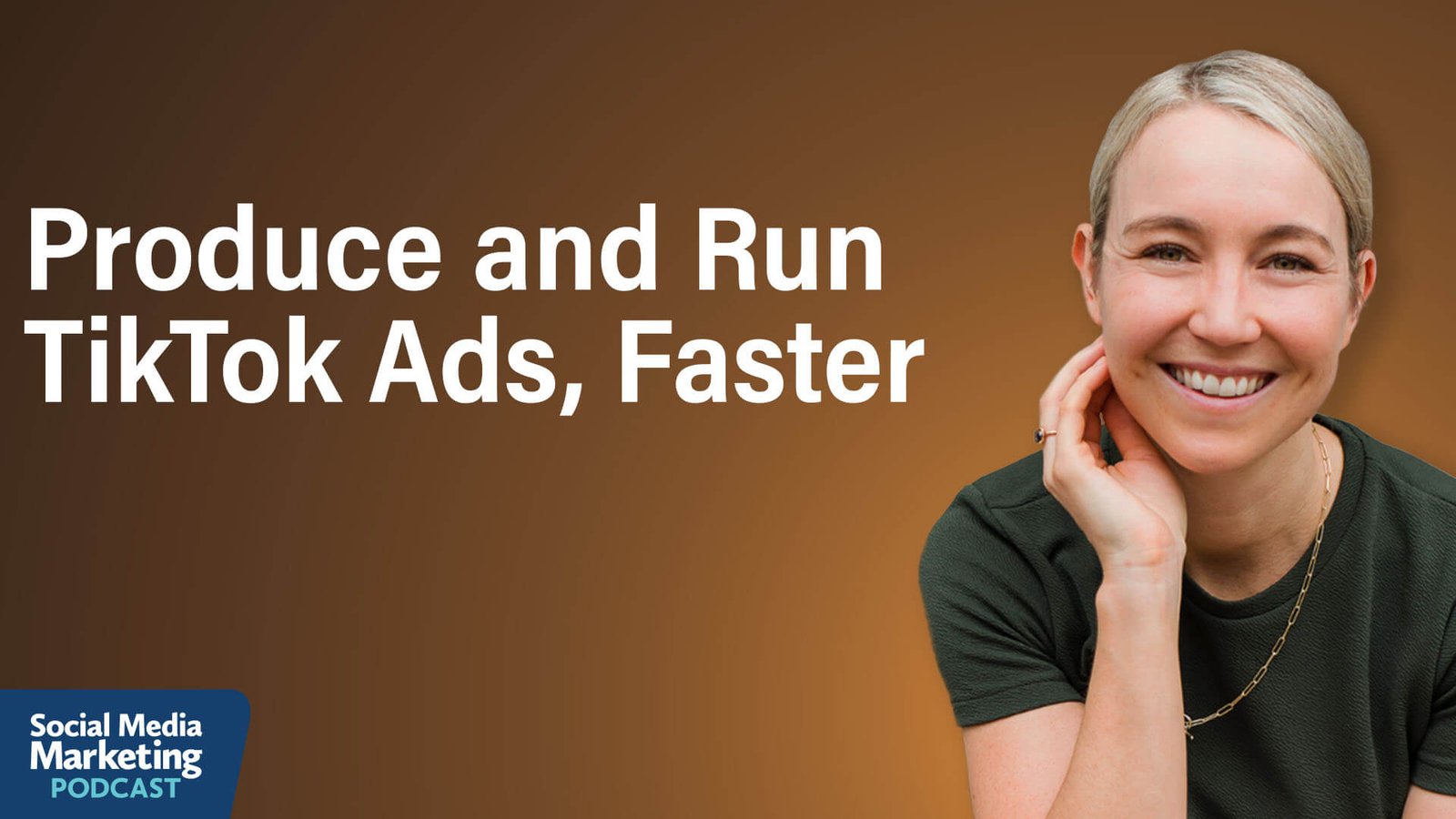
If you’ve been grinding on YouTube hoping to flip on monetization soon, you might want to sit down. The platform announced Monday that new creators will now need 8,000 qualified watch hours over the past year — double the previous 4,000 — or 20 million qualified Shorts views in the last 90 days, up from 10 million. The subscriber requirement stays at 1,000.

The new thresholds take effect February 1. Existing members of the YouTube Partner Program won’t be affected, according to the Google-owned company.

This isn’t a minor tweak. It’s a deliberate gate, and it’s going to keep a lot of aspiring creators out of the monetization pool.

Why the sudden shift?

YouTube says the changes are meant to “keep pace with the growth of YouTube,” which now sees over 200 billion daily Shorts views and more than a billion hours of watch time on TV every day. The logic: if the platform is bigger, the entry bar should be higher.

But let’s be honest. The real effect is that monetization becomes a reward for proven, sustained traction rather than a starting incentive. For Shorts creators especially, the jump from 10 million to 20 million views in 90 days is steep. That’s not a casual milestone — that’s a viral hit or a very consistent posting schedule.

Shorts creators face an extra hurdle

There’s another layer to this. Even if you’re already in the Partner Program, YouTube is raising the bar for earning through the Shorts Creators Pool. You’ll now need to maintain 10 million Shorts views over 90 days to keep pulling revenue from Shorts. Drop below that, and you stay in the program and keep earning on long-form content, but Shorts revenue pauses until you cross 10 million again.

So a channel that hits 9 million Shorts views in a quarter gets nothing from Shorts. That’s a tough pill to swallow for creators who’ve built their audience on short-form.

Premium Lite is expanding — and that’s good news for earnings

There’s a silver lining. YouTube is rolling out its cheaper Premium Lite subscription to every country where YouTube Premium is available. Premium Lite gives users ad-free viewing on most videos, offline downloads, and background play — all at a lower price point.

Creators get a cut of subscription revenue based on member watch time and views, with 55% going to long-form creators and 45% to Shorts creators. YouTube’s pitch: “When a user signs up for Premium, partners, on average, earn more than when the user was watching ads.” More subscribers means a bigger pool to split, and that could offset some of the sting from the higher thresholds.

What this means for your channel

If you’re just starting out, the math just got harder. You now need roughly 22 hours of watch time per day for a year to hit 8,000 hours. That’s not impossible — a few solid videos can do it — but it’s a different grind than before.

For Shorts-first creators, the 20-million-view threshold is the bigger ask. You’ll need to think hard about whether short-form alone can get you there, or whether you should diversify into long-form to build watch hours as a backup.

Here’s a quick breakdown of the new requirements:

  • Long-form: 1,000 subscribers + 8,000 watch hours in 12 months
  • Shorts: 1,000 subscribers + 20 million views in 90 days
  • Shorts revenue pool: Maintain 10 million views per 90 days once in the program

Not just YouTube — the whole industry is tightening

YouTube isn’t operating in a vacuum. Over the weekend, Elon Musk’s X revamped its creator payouts to only reward original content. Earlier this spring, Facebook launched a new monetization program aimed at luring creators from TikTok and YouTube. The trend is clear: platforms are getting pickier about who gets paid.

For creators, the takeaway is simple. YouTube Partner Program changes like these mean you can’t treat monetization as a near-term goal anymore. You have to build an audience that sticks around — and that might be the point.

If you’re already in the program, breathe easy. Your status is safe. But if you’re on the fence about starting a channel, know this: the bar just got higher, and it’s not coming back down.

Continue Reading
Click to comment

Leave a Reply

Your email address will not be published. Required fields are marked *

Social Media

How Small Businesses Are Really Using AI: 5 Eye-Opening Findings

Published

on

small business AI use

The Numbers Behind the Shift

Two years ago, roughly one in three marketers relied on AI daily. Fast forward to today, and that figure has jumped to nearly 75%. That’s not a gradual uptick. It’s a full-blown transformation.

For small business owners, this shift carries weight. The Social Media Examiner‘s 2026 AI Marketing Industry Report digs deep into how businesses like yours are actually using AI — and the findings are more encouraging than you might expect.

Here are five takeaways that stand out, and what they mean for your bottom line.

1. AI Is No Longer a Luxury — It’s a Daily Workhorse

The most striking stat? Daily AI usage among marketers has more than doubled in two years. What was once a novelty tool for tech-savvy early adopters is now as routine as checking email.

Small businesses are leading this charge, not following. They’re using AI for everything from drafting social posts to responding to customer inquiries. The barrier to entry has dropped, and the payoff is immediate.

If you haven’t integrated AI into your daily workflow yet, you’re leaving time and money on the table. The tools are affordable, accessible, and surprisingly easy to master.

2. Content Creation Remains the Top Use Case

Ask any small business owner what they spend their mornings doing, and you’ll likely hear “writing content.” AI has become the go-to sidekick for this grind.

From blog outlines to email newsletters, AI helps marketers overcome the blank page problem. It’s not about replacing human creativity — it’s about amplifying it. You still provide the voice and the strategy; AI handles the heavy lifting.

The report shows that content generation is the most common application across all business sizes. For small teams with limited bandwidth, this is a game-changer in the best sense.

What This Means for Your Workflow

Start small. Use AI to brainstorm headlines, draft social captions, or repurpose a long post into multiple formats. You’ll quickly see where it saves you the most time.

3. Customer Service Is the Quiet Winner

Everyone talks about AI writing, but the real unsung hero is customer support. Small businesses are deploying chatbots and automated responses to handle routine questions, freeing up humans for complex issues.

The result? Faster response times and happier customers. And you don’t need a tech team to set this up — most platforms now offer plug-and-play solutions.

One caveat: the report stresses that AI should augment, not replace, your personal touch. Customers still want to reach a human when things get complicated.

4. The Cost Savings Are Real — and Significant

Hiring a full-time content writer or support agent is expensive. AI offers a fraction of the cost, and the report’s data backs this up.

Small businesses are reporting measurable savings on both time and money. Tasks that once took hours now take minutes. Projects that required outside contractors can now be handled in-house.

That doesn’t mean you should fire your team. Instead, reallocate their efforts to higher-value work — strategy, relationship building, and creative direction.

5. The Learning Curve Is Shorter Than You Think

One of the biggest myths about AI is that it requires technical expertise. The report demolishes that notion.

Most small business owners are learning on the job, using trial and error, and picking up skills faster than they expected. The tools are designed for non-technical users, and the payoff comes quickly.

If you’ve been hesitating because you’re not “techy,” the data says you’re overthinking it. Start with one tool, one task, and build from there.

What’s Next for Small Business AI Adoption?

The trajectory is clear: AI is becoming the standard for marketing operations, not the exception. As tools evolve, the gap between large enterprises and small businesses will continue to narrow.

For a deeper dive into the full dataset, check out the AI marketing industry report and see how your peers are adapting. And if you’re just getting started, our guide on AI tools for small business marketing offers practical first steps.

The bottom line? The future of small business is intertwined with AI, and the news is overwhelmingly positive. Those who embrace it now will have a head start on those who wait.

Continue Reading

Social Media

Addiction lawsuits against Meta, TikTok, and Snapchat survive appeal — what happens next

Published

on

social media addiction lawsuits

A setback for social platforms in the 9th Circuit

Meta, TikTok, Snapchat, and Google just lost an important round in the fight over whether they can be sued for designing addictive products for minors. The 9th U.S. Circuit Court of Appeals in San Francisco turned down their attempt to use Section 230 as a shield against thousands of social media addiction lawsuits.

The companies argued that Section 230 — the law that generally protects platforms from being held liable for what users post — should also cover their failure to warn the public about addictive design choices. The court didn’t buy it, at least not yet. The judges said the appeal may have come too early, since this kind of appeal typically arrives after a trial, not before.

That’s a meaningful procedural win for plaintiffs. It means the cases keep moving forward, and the platforms can’t slam the brakes on the entire litigation with a single legal argument.

Thousands of cases, one consolidated front

These aren’t a handful of stray lawsuits. We’re talking about thousands of claims brought by private individuals, state and local governments, and school districts. All of them have been consolidated into a single federal suit, which will proceed as one unified front.

For the platforms, that’s a logistical headache. For plaintiffs, it’s a chance to pool resources and present a coordinated case. The consolidated structure also means that key rulings — like this one — apply across the board, making each victory or loss more consequential.

Why Section 230 keeps coming up

Section 230 has been the tech industry’s go-to defense for decades. It’s the law that allows platforms to host user-generated content without being treated as the publisher of every post. Without it, sites like Facebook and YouTube would face a flood of defamation and content liability claims.

But addiction claims are different. They’re not about what users post. They’re about how the platforms are designed — the autoplay features, the infinite scroll, the notification algorithms that keep kids glued to their screens. The companies have tried to stretch Section 230 to cover those design decisions, arguing that the law immunizes them from any claim related to their role as interactive computer services.

So far, courts aren’t fully embracing that stretch. This latest ruling doesn’t kill the defense entirely, but it does delay it. And in litigation, delay can be just as important as a win on the merits.

Meta has already lost two jury trials

It’s too early to predict how these addictive design lawsuits will ultimately play out. But there’s one data point that should worry the platforms: Meta has already lost two lawsuits over similar issues. Those losses marked the first time the company was held liable over child safety concerns in jury trials.

That’s a significant shift. For years, tech companies seemed untouchable on these claims. Now, juries are starting to side with families who say the platforms knew their products were harmful and didn’t do enough to protect kids.

The verdicts don’t guarantee outcomes in the consolidated cases, of course. Each case has its own facts, its own plaintiffs, its own evidence. But they signal a changing mood — both in courtrooms and in public opinion.

What could happen next

Several paths are open from here. The platforms could push for a different legal argument, or they could wait for a trial and then appeal again. Either way, the litigation is far from over.

Some possible developments to watch:

  • New appeals: The companies might try to raise the Section 230 issue again after a trial, when the procedural timing is cleaner.
  • Settlement pressure: With thousands of cases consolidated, the pressure to reach a global settlement will grow — especially if more jury losses pile up.
  • Legislative action: Congress has debated reforming Section 230 for years. If these cases keep moving forward, that debate could intensify.

The bigger picture for parents and schools

For families and school districts, this ruling is a green light to keep pushing. The lawsuits allege that platforms deliberately engineered their products to hook minors — and that they failed to warn the public about the risks. That’s a serious claim, and now it gets its day in court.

If you’re a parent trying to make sense of these cases, the practical takeaway is simple: the legal system is starting to treat addictive design as a real harm, not just a matter of personal responsibility. And that could eventually lead to changes in how platforms design their products.

Want to understand more about how these platforms work? Check out how social media algorithms keep you scrolling or what parents should know about social media safety settings. The legal battles are important, but knowing how the tools work is just as useful.

For now, the appeals court has spoken — and the social media addiction lawsuits are still alive. The next chapter will be written in the trial courts, where juries will decide whether design choices crossed the line from engagement strategy to public health hazard.

Continue Reading

Social Media

X Shakes Up Creator Payouts: Revenue Sharing Is Out, Original Content Rewards Are In

Published

on

Original Content Rewards

X Is Overhauling Its Creator Monetization

If you’ve been earning money on X through its Revenue Sharing program, big changes are coming. The platform, owned by Elon Musk’s SpaceX, announced it’s winding down that program and replacing it with something called Original Content Rewards.

The shift isn’t happening overnight. Existing Revenue Sharing participants will keep earning until September 7. After that, the program closes for good. New applications for the replacement program open September 8.

But here’s the catch: not everyone will get in. The new program has stricter rules, and the emphasis is squarely on originality.

What Are the New Eligibility Requirements?

To qualify for Original Content Rewards, you’ll still need an active subscription to one of X’s Premium tiers. That hasn’t changed. But the bar for entry has been raised.

You’ll need:

  • At least 500 verified followers
  • 500,000 Home Timeline impressions from verified users within 90 days

Those thresholds are similar to the old program, but the real difference lies in what X now considers worthy of payment.

What Counts as Original Content on X?

X has laid out clear guidelines. Original content includes:

  • Original reporting and analysis
  • Photos and videos you’ve created yourself
  • Memes and graphics you’ve designed
  • Commentary that adds meaningful value

But the company is drawing a hard line. Posts that are simply copied from another account, downloaded and re-uploaded, or reposted without meaningful transformation won’t qualify. If your content regularly relies on material created by others, you’ll need to contribute substantial original value to pass muster.

This is a direct response to a growing problem. Aggregator accounts and clickbait pages have been gaming the system, reposting viral content and pocketing the ad revenue. X tried to curb this in April by reducing payments to such accounts, but the backlash was swift — even Musk reversed some of those changes after creators complained.

Why X Says the Old Program Was Broken

In a post announcing the changes, X’s Allegra Jacchia didn’t mince words. The existing program, she said, “had reached a point where its incentives were misaligned.”

“Creators should be focused on bringing net new content to the platform instead of maximizing payouts,” she wrote. “We could have kept adding more rules and exceptions, but ultimately the better decision was to start fresh and build a program designed from day one to reward originality.”

Jacchia also promised ongoing refinements, saying X will “continue refining the program, improving our models, and raising the bar over time.”

What This Means for Creators

If you’re a current Revenue Sharing participant, you have until September 7 to keep earning under the old rules. After that, you’ll need to apply for the new program and meet the stricter criteria.

The writing is on the wall: X wants creators who bring fresh content to the platform, not those who repackage what’s already there. For original creators, this could be a win. For aggregators, it’s a dead end.

One thing’s for sure — the days of easy money on X are over. If you’re serious about earning, you’ll need to create content that’s genuinely yours.

For more on how to grow your presence and make the most of platform changes, check out our guides on X Premium features and social media monetization strategies.

Continue Reading

Trending