Fortnite on iPhone in 2025: Your Complete Guide to Playing Now
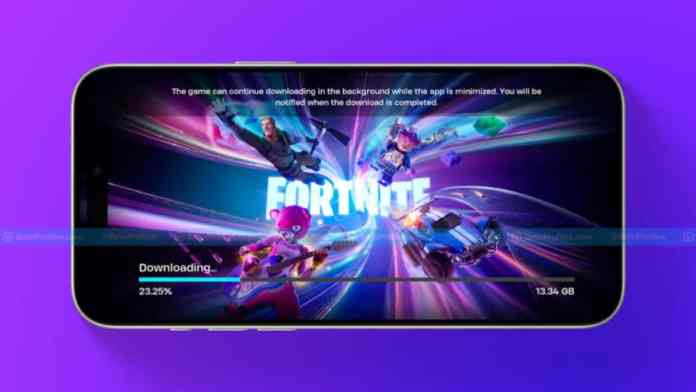
Remember when Fortnite was the game to play on your iPhone? For years, a legal battle between Epic Games and Apple left iOS players out in the cold. That long wait is finally ending. The landscape has shifted dramatically, and getting back into the battle bus on your iPhone or iPad is now possible. Whether you’re in the EU, the US, or elsewhere, here’s how to jump back into the action today.
The Road Back to the App Store
Fortnite’s removal from the App Store in 2020 was a major event for mobile gamers. Epic Games challenged Apple’s payment rules, and the game was pulled. For nearly five years, iPhone users were locked out of the official experience.
A pivotal court ruling in April 2025 changed everything. The decision stated Apple could not block external payment links or charge extra fees for payments made outside its ecosystem. In response, Epic Games CEO Tim Sweeney announced Fortnite’s return to the U.S. App Store is imminent, scheduled for early May 2025. He also indicated that if Apple applies these rules globally, Epic will relaunch the game worldwide and drop its lawsuits.
So, the official return is on the horizon. But what if you don’t want to wait? You have options.
Play Fortnite Instantly with Cloud Gaming
Don’t want to fuss with downloads or location tricks? Cloud gaming is your best friend. These services stream the game directly to your Safari browser. No installation needed, just a solid internet connection. It’s a perfectly legal and secure way to play right now.
Xbox Cloud Gaming (XCloud)
This is arguably the simplest method. It’s free and works directly in your browser.
Just visit the official Fortnite page on Xbox Cloud Gaming using Safari on your iPhone or iPad. You’ll need a free Microsoft account. Tap ‘Play,’ and you’re in. You can even play without a controller using touch controls. Performance is surprisingly good, even on older devices, as long as your Wi-Fi is stable.
Amazon Luna
If you have an Amazon Prime subscription, you already have access. Head to the Fortnite page on Amazon Luna’s website, sign in with your Amazon account, and link your Epic Games profile. Tap ‘Play Free with Prime’ to start streaming. The service is optimized for smooth gameplay with minimal input lag, making it a great choice for competitive matches.
Nvidia GeForce Now
GeForce Now offers a bit more flexibility. You can start with a free plan that gives you one-hour gaming sessions—perfect for a few quick matches. For unlimited play and priority access, a paid subscription is available. Visit the service via Safari, log in, and launch Fortnite. It’s a powerful option for players who want the highest possible streaming quality.
Direct Installation: For EU Users and Beyond
If you prefer having the app on your home screen, the process depends heavily on where you live.
For Players in the European Union
New EU regulations have opened the door. You can download Fortnite directly from the Epic Games Store. First, ensure your iPhone or iPad is running iOS 17.4 or later. Go to Settings > General > Software Update to check.
Next, visit the Epic Games Store website on your device. Tap ‘Install iOS’ and follow the prompts. You may need to grant permission in your Settings under Privacy & Security to allow installations from Epic Games. Once complete, the Fortnite icon will appear on your home screen, ready for action.
A Workaround for Players Outside the EU
For those outside Europe, the App Store remains locked. However, a method involving a location change can work. This process is more technical and is most reliable on Wi-Fi-only iPads, as they don’t use cellular data for location.
The idea is to make Apple’s services think you’re in the EU. This typically involves using a proxy on your network and creating a new Apple ID with an address in an EU country. After signing into this new account on your device, you can search the App Store and download Fortnite. Remember to switch back to your main Apple ID afterward. While effective, this method requires careful setup.
Optimizing Your iPhone for Fortnite
Before you drop into the island, take a minute to set up your device for the best experience.
Keep your iOS updated. Each update can bring performance improvements and bug fixes. A strong, stable Wi-Fi connection is non-negotiable for cloud gaming or online play. If you’re serious about winning, pair a Bluetooth controller like a PlayStation DualSense or an Xbox Wireless Controller. The precision is far superior to touchscreen controls.
Most importantly, only use official sources: Epic Games, Xbox, Amazon, or Nvidia. Avoid any third-party sites promising “hacked” versions; they’re often scams or security risks.
The Future is Cross-Platform
The return of Fortnite to the iPhone App Store marks the end of a long chapter in mobile gaming. Epic Games has committed to ending its legal battles once the game is available globally under the new rules. Soon, the complex workarounds and cloud streaming will be unnecessary for most players. You’ll simply search the App Store, hit download, and play—just like old times, but with all the new seasons and content you’ve missed.
Until that global rollout is complete, you’re not stuck waiting. Whether through the seamless stream of XCloud, the direct download in the EU, or a clever location switch, the battle bus is boarding. Your iPhone is ready to be a gaming device again.







 CyberSecurity7 months ago
 How To6 months ago
 How To6 months ago
 How To4 months ago

 How To5 months ago
 How To6 months ago
 Social Media7 months ago