The Kindle’s Long Reign
For over a decade, Amazon Kindle has been the default eReader. Its name became synonymous with digital reading, much like Band-Aid did for bandages or Photoshop for photo editing. If someone said they were reading on a Kindle, you assumed they meant an Amazon device. That assumption is no longer safe.
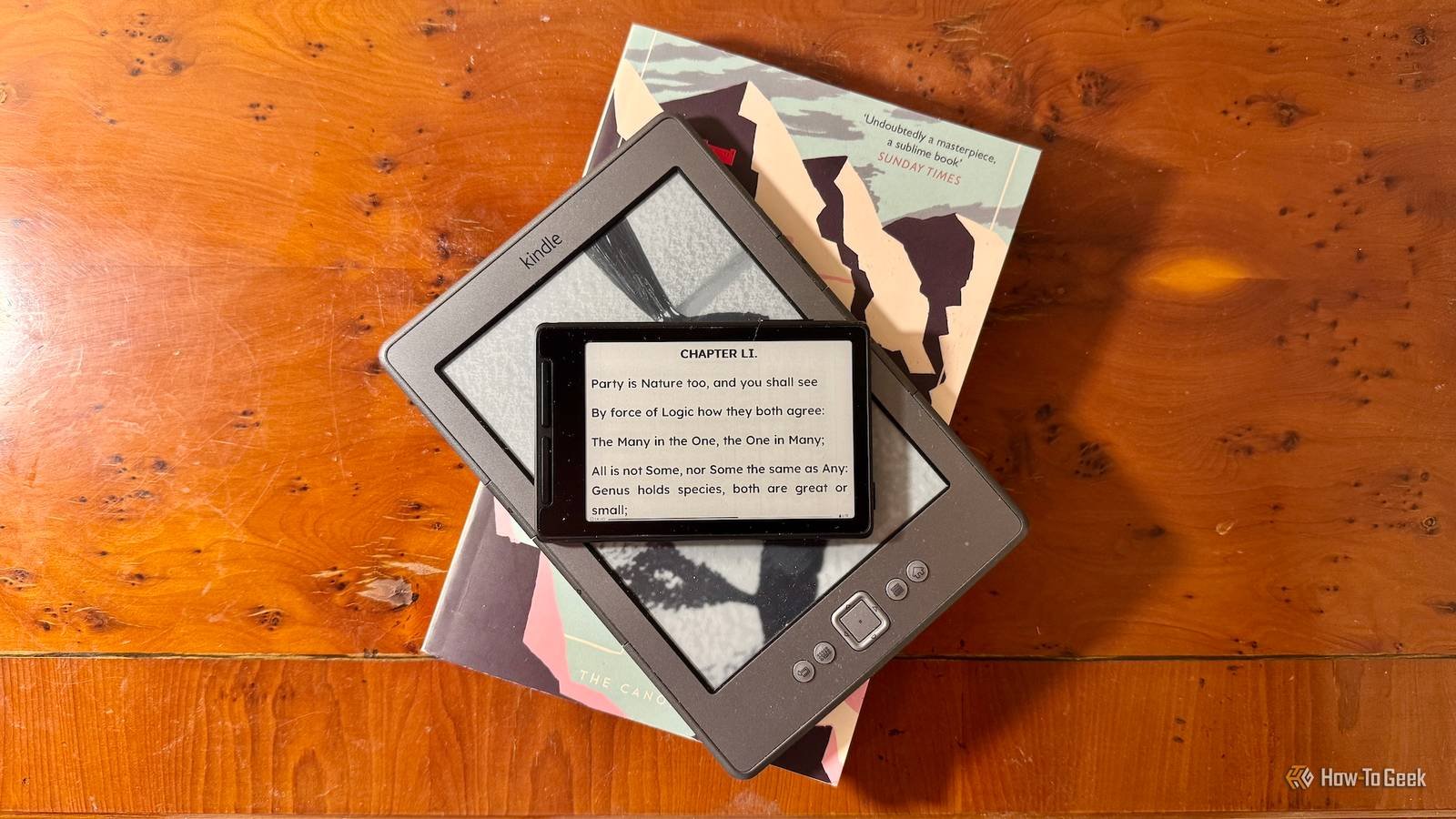
A few weeks ago, I got my hands on a compact eReader from a lesser-known brand. It wasn’t the latest Oasis or Paperwhite. It was smaller, lighter, and frankly, more portable than anything Amazon currently sells. After using it daily, I’ve come to a conclusion: the eReader market has finally diversified enough to challenge the king.
What Makes This Tiny eReader Different
The device in question measures just six inches diagonally. It fits in a shirt pocket, no problem. The build quality feels premium, with a matte finish that resists fingerprints. But the real story is what’s under the hood.
Unlike many budget readers, this one runs a clean version of Android. That means you’re not locked into one bookstore. You can load the Kindle app, Kobo, Libby, or even side-load your own EPUBs without any hassle. For readers who’ve felt trapped by Amazon’s walled garden, that’s a liberating thought.
Battery life is another surprise. I’ve been using it for two weeks on a single charge, reading about an hour a day. The E Ink display is sharp, with adjustable warm light for nighttime sessions. It’s not a revolutionary spec sheet, but the execution feels thoughtful.
Portability Without Sacrifice
Most eReaders claim to be portable, but this one actually delivers. It weighs less than 150 grams. I forgot it was in my jacket during a long flight. The screen is large enough for comfortable reading, yet the device disappears into a bag or even a large pocket.
That portability changes how you use it. I found myself grabbing it for quick reading sessions — waiting in line, riding the subway, or during a lunch break. With a bigger Kindle, I often left it at home because it felt like an extra thing to carry. This tiny reader removed that excuse.
The Rise of Kindle Alternatives
Amazon isn’t sitting still, of course. The Kindle Paperwhite remains a solid choice, and the Scribe targets note-takers. But the competition has caught up in ways that matter.
Brands like Kobo, PocketBook, and Boox now offer devices that rival or exceed Kindle’s features. Many support more open formats, which is a huge deal for anyone who buys books outside Amazon’s ecosystem. Some even have physical page-turn buttons, a feature Amazon dropped years ago and many readers still miss.
You can also find waterproofing, expandable storage, and better typography controls on non-Kindle devices. The gap in hardware quality has closed. What remains is the ecosystem advantage — and that’s shrinking.
Why the eReader Market Is Finally Shifting
The shift isn’t just about hardware. It’s about reading habits. People are more aware of where they buy their books and how they store them. Concerns about DRM and ownership have pushed some readers toward open platforms.
Libraries are another factor. Apps like Libby make borrowing digital books easy, but Kindle’s library integration is clunky in some regions. Competitors have made borrowing a first-class feature. That’s a practical advantage, not a niche one.
Price also matters. This tiny eReader cost less than a Paperwhite, and it didn’t lock me into ads or a specific store. For budget-conscious readers, that’s a compelling argument.
What to Look For in a Kindle Alternative
- Open file format support (EPUB, PDF, MOBI)
- Adjustable front light and warm lighting
- Battery life of at least two weeks
- Physical buttons for page turns (if you prefer them)
- Waterproofing for bath or pool reading
- Access to multiple bookstores or library apps
That list isn’t exhaustive, but it covers what most readers actually need. The days of accepting whatever Amazon gives you are over.
Is the Post-Kindle World Here?
Not entirely. Amazon still dominates in market share, and the Kindle brand carries enormous weight. But the cracks are showing. A tiny eReader from a challenger brand convinced me that consumers now have real choices — and that’s the definition of a post-Kindle world.
If you’re in the market for a new eReader, don’t default to the big name. Consider what you value: portability, openness, or price. The best device for you might not have the Amazon logo on it.
That’s a good thing. Competition breeds innovation, and readers are the ultimate winners. I’ll be keeping this little device close — and watching what comes next.






 CyberSecurity7 months ago

 How To6 months ago
 How To4 months ago

 How To6 months ago
 How To5 months ago
 How To7 months ago

 How To6 months ago