Connect with us

Social Media

Addiction lawsuits against Meta, TikTok, and Snapchat survive appeal — what happens next

Published

on

social media addiction lawsuits

A setback for social platforms in the 9th Circuit

Meta, TikTok, Snapchat, and Google just lost an important round in the fight over whether they can be sued for designing addictive products for minors. The 9th U.S. Circuit Court of Appeals in San Francisco turned down their attempt to use Section 230 as a shield against thousands of social media addiction lawsuits.

The companies argued that Section 230 — the law that generally protects platforms from being held liable for what users post — should also cover their failure to warn the public about addictive design choices. The court didn’t buy it, at least not yet. The judges said the appeal may have come too early, since this kind of appeal typically arrives after a trial, not before.

That’s a meaningful procedural win for plaintiffs. It means the cases keep moving forward, and the platforms can’t slam the brakes on the entire litigation with a single legal argument.

Thousands of cases, one consolidated front

These aren’t a handful of stray lawsuits. We’re talking about thousands of claims brought by private individuals, state and local governments, and school districts. All of them have been consolidated into a single federal suit, which will proceed as one unified front.

For the platforms, that’s a logistical headache. For plaintiffs, it’s a chance to pool resources and present a coordinated case. The consolidated structure also means that key rulings — like this one — apply across the board, making each victory or loss more consequential.

Why Section 230 keeps coming up

Section 230 has been the tech industry’s go-to defense for decades. It’s the law that allows platforms to host user-generated content without being treated as the publisher of every post. Without it, sites like Facebook and YouTube would face a flood of defamation and content liability claims.

But addiction claims are different. They’re not about what users post. They’re about how the platforms are designed — the autoplay features, the infinite scroll, the notification algorithms that keep kids glued to their screens. The companies have tried to stretch Section 230 to cover those design decisions, arguing that the law immunizes them from any claim related to their role as interactive computer services.

So far, courts aren’t fully embracing that stretch. This latest ruling doesn’t kill the defense entirely, but it does delay it. And in litigation, delay can be just as important as a win on the merits.

Meta has already lost two jury trials

It’s too early to predict how these addictive design lawsuits will ultimately play out. But there’s one data point that should worry the platforms: Meta has already lost two lawsuits over similar issues. Those losses marked the first time the company was held liable over child safety concerns in jury trials.

That’s a significant shift. For years, tech companies seemed untouchable on these claims. Now, juries are starting to side with families who say the platforms knew their products were harmful and didn’t do enough to protect kids.

The verdicts don’t guarantee outcomes in the consolidated cases, of course. Each case has its own facts, its own plaintiffs, its own evidence. But they signal a changing mood — both in courtrooms and in public opinion.

What could happen next

Several paths are open from here. The platforms could push for a different legal argument, or they could wait for a trial and then appeal again. Either way, the litigation is far from over.

Some possible developments to watch:

  • New appeals: The companies might try to raise the Section 230 issue again after a trial, when the procedural timing is cleaner.
  • Settlement pressure: With thousands of cases consolidated, the pressure to reach a global settlement will grow — especially if more jury losses pile up.
  • Legislative action: Congress has debated reforming Section 230 for years. If these cases keep moving forward, that debate could intensify.

The bigger picture for parents and schools

For families and school districts, this ruling is a green light to keep pushing. The lawsuits allege that platforms deliberately engineered their products to hook minors — and that they failed to warn the public about the risks. That’s a serious claim, and now it gets its day in court.

If you’re a parent trying to make sense of these cases, the practical takeaway is simple: the legal system is starting to treat addictive design as a real harm, not just a matter of personal responsibility. And that could eventually lead to changes in how platforms design their products.

Want to understand more about how these platforms work? Check out how social media algorithms keep you scrolling or what parents should know about social media safety settings. The legal battles are important, but knowing how the tools work is just as useful.

For now, the appeals court has spoken — and the social media addiction lawsuits are still alive. The next chapter will be written in the trial courts, where juries will decide whether design choices crossed the line from engagement strategy to public health hazard.

Continue Reading
Click to comment

Leave a Reply

Your email address will not be published. Required fields are marked *

Social Media

X Shakes Up Creator Payouts: Revenue Sharing Is Out, Original Content Rewards Are In

Published

on

Original Content Rewards

X Is Overhauling Its Creator Monetization

If you’ve been earning money on X through its Revenue Sharing program, big changes are coming. The platform, owned by Elon Musk’s SpaceX, announced it’s winding down that program and replacing it with something called Original Content Rewards.

The shift isn’t happening overnight. Existing Revenue Sharing participants will keep earning until September 7. After that, the program closes for good. New applications for the replacement program open September 8.

But here’s the catch: not everyone will get in. The new program has stricter rules, and the emphasis is squarely on originality.

What Are the New Eligibility Requirements?

To qualify for Original Content Rewards, you’ll still need an active subscription to one of X’s Premium tiers. That hasn’t changed. But the bar for entry has been raised.

You’ll need:

  • At least 500 verified followers
  • 500,000 Home Timeline impressions from verified users within 90 days

Those thresholds are similar to the old program, but the real difference lies in what X now considers worthy of payment.

What Counts as Original Content on X?

X has laid out clear guidelines. Original content includes:

  • Original reporting and analysis
  • Photos and videos you’ve created yourself
  • Memes and graphics you’ve designed
  • Commentary that adds meaningful value

But the company is drawing a hard line. Posts that are simply copied from another account, downloaded and re-uploaded, or reposted without meaningful transformation won’t qualify. If your content regularly relies on material created by others, you’ll need to contribute substantial original value to pass muster.

This is a direct response to a growing problem. Aggregator accounts and clickbait pages have been gaming the system, reposting viral content and pocketing the ad revenue. X tried to curb this in April by reducing payments to such accounts, but the backlash was swift — even Musk reversed some of those changes after creators complained.

Why X Says the Old Program Was Broken

In a post announcing the changes, X’s Allegra Jacchia didn’t mince words. The existing program, she said, “had reached a point where its incentives were misaligned.”

“Creators should be focused on bringing net new content to the platform instead of maximizing payouts,” she wrote. “We could have kept adding more rules and exceptions, but ultimately the better decision was to start fresh and build a program designed from day one to reward originality.”

Jacchia also promised ongoing refinements, saying X will “continue refining the program, improving our models, and raising the bar over time.”

What This Means for Creators

If you’re a current Revenue Sharing participant, you have until September 7 to keep earning under the old rules. After that, you’ll need to apply for the new program and meet the stricter criteria.

The writing is on the wall: X wants creators who bring fresh content to the platform, not those who repackage what’s already there. For original creators, this could be a win. For aggregators, it’s a dead end.

One thing’s for sure — the days of easy money on X are over. If you’re serious about earning, you’ll need to create content that’s genuinely yours.

For more on how to grow your presence and make the most of platform changes, check out our guides on X Premium features and social media monetization strategies.

Continue Reading

Social Media

TikTok Cuts 250 Jobs and Shutters Nashville Office Amid AI Moderation Shift

Published

on

TikTok layoffs 2025

What Happened: 250 Roles Cut, Nashville Office Shutters

TikTok is laying off 250 employees and closing its Nashville office, a site that housed part of the platform’s content-moderation team. The news, first reported by The New York Times, marks one of the more significant workforce reductions at the company in recent months.

The office, which TikTok leased in 2024, will officially close on October 5. Employees based there were told their roles would be eliminated as part of the restructuring.

Zanna Crowley, a spokesperson for the TikTok USDS Joint Venture, confirmed the move in a statement, saying the decision was made to “streamline our operations and better align our teams for long-term growth.” She added that the company remains “fully committed to providing secure, safe and positive experiences for the 200 million Americans that create, discover and connect with what they love on TikTok.”

That last line matters. It’s a reassurance aimed at users and regulators alike, but the subtext is clear: moderation is changing, and so is the geography of who does it.

Why Nashville? Why Now?

Nashville wasn’t a random pick when TikTok leased space there in 2024. The city had become something of a hub for content-moderation work, with a growing pool of talent familiar with the grind of reviewing flagged posts, videos, and comments.

But the economics of moderation have shifted. Social media companies are leaning harder on AI to detect and remove violent, explicit, or otherwise harmful content before a human ever sees it. That reduces the need for large, in-person moderation teams — and Nashville, like many satellite offices, becomes a cost center that’s easier to cut.

This isn’t unique to TikTok. Across the industry, platforms are quietly shrinking their human moderation ranks while touting AI’s ability to catch bad content faster. The trade-off is often less context, less nuance, and a heavier reliance on automated flags that sometimes get it wrong.

The AI Moderation Trade-Off

TikTok’s move reflects a broader trend in tech. AI systems can scan millions of videos in the time it takes a human team to clear a single queue. They don’t need breaks, benefits, or office space. That’s attractive to any company facing margin pressure.

But there are real costs. Human moderators catch things AI misses — sarcasm, coded language, cultural context, the kind of subtle harm that doesn’t fit a clean algorithm. The Nashville team, like similar groups elsewhere, provided that layer of judgment.

By closing the office and cutting those roles, TikTok is betting that its AI systems are good enough to fill the gap. That’s a gamble, and not just for the company. For creators and users, the quality of moderation directly affects what shows up in their feeds — and what gets taken down by mistake.

What This Means for TikTok’s Workforce and Strategy

The 250 layoffs are a small fraction of TikTok’s overall headcount, but they signal a strategic shift. The company is consolidating operations, likely toward larger hubs or remote-first structures, while investing more in automated moderation tools.

For the affected employees, the timing is rough. The Nashville office only opened last year, and many workers likely relocated for the role. Now they’re facing a job market that’s still tight in tech, especially for moderation positions that are increasingly being automated.

TikTok’s statement emphasizes long-term growth and alignment, which is corporate-speak for “we’re cutting what we don’t need.” Whether that growth materializes depends on whether the AI can do the job without sparking a public backlash over missed content or wrongful removals.

What’s Next for Content Moderation at TikTok?

Expect more consolidation, not less. TikTok will likely shift moderation work to other offices or rely on third-party contractors, many of whom work remotely. The company has also been investing in AI systems that can flag content in real time, reducing the need for post-hoc review.

But the human element isn’t disappearing entirely. Even the most advanced AI still requires human oversight for appeals, complex cases, and policy decisions. The question is how much of that work stays in-house — and where it’s located.

For now, the Nashville closure is a clear signal: TikTok is prioritizing efficiency over local presence. Whether that pays off in the long run is anyone’s guess.

If you’re following the broader shakeout in social media, you might also want to read about how other platforms are handling content moderation layoffs or the rise of AI in social media safety. Both stories show that TikTok isn’t alone in this transition.

Continue Reading

Social Media

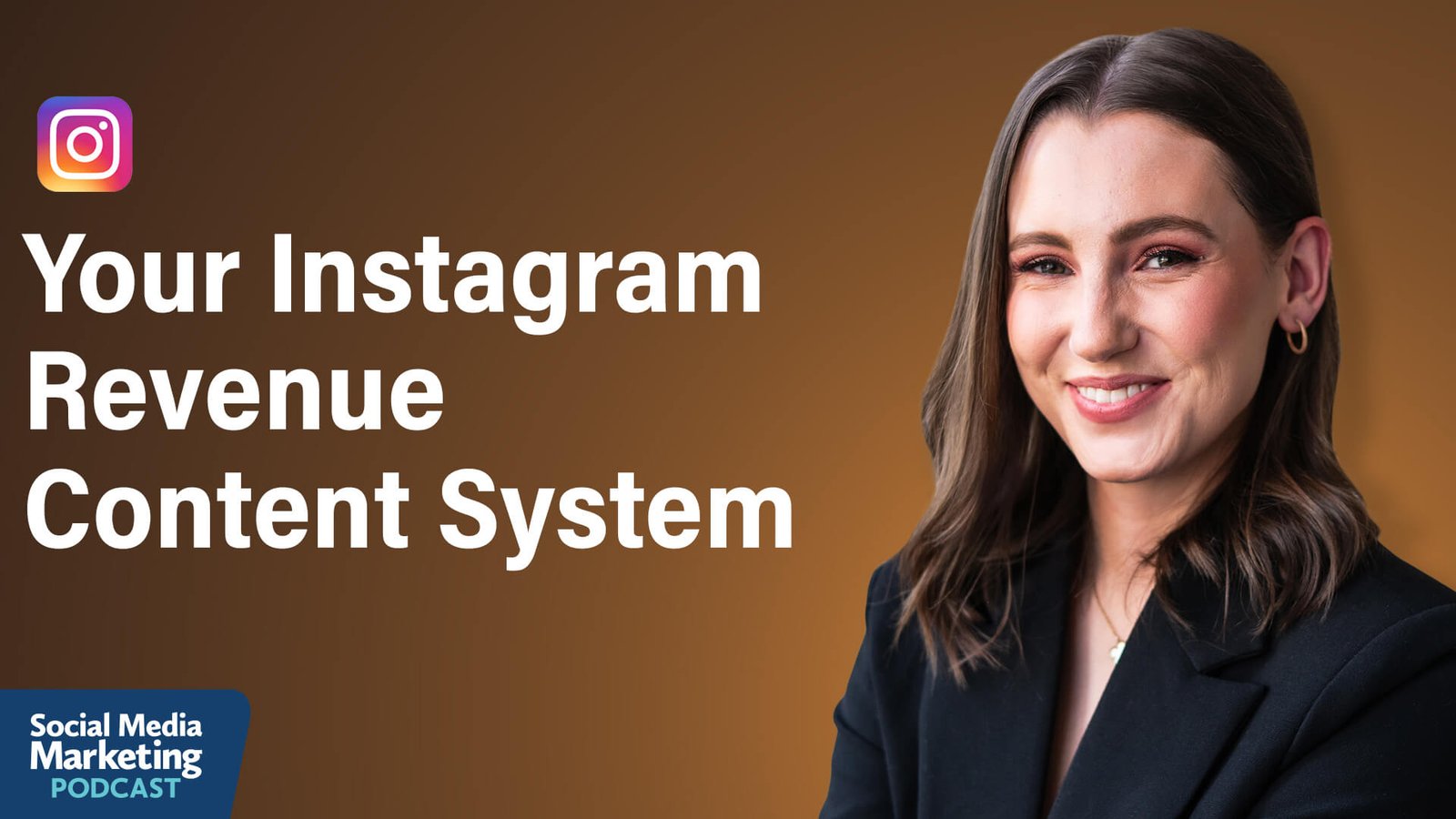
Stop Chasing Views: A Real Instagram Strategy That Builds Revenue

Published

on

Instagram strategy for business growth

Why Your Instagram Content Isn’t Converting Anymore

You post every day. You use the right hashtags. You even jump on every trending audio the moment it drops. Yet the sales aren’t following. Sound familiar?

Here’s the uncomfortable truth: the Instagram game shifted. What worked in 2023 — polished grids, perfectly timed Reels, and chasing viral moments — now feels like shouting into a void. The algorithm rewards something different now, and most accounts haven’t caught up.

The accounts that consistently drive revenue aren’t the ones with the most views. They’re the ones with a proven Instagram strategy for business growth that prioritizes connection over spectacle. And that strategy comes down to three pillars: authentic content, a sustainable posting system, and a radically simplified approach to Meta paid ads.

Pillar One: Authentic Content That Builds Trust

Let’s be blunt: polished is out. Raw is in. The content that converts in 2026 looks less like a commercial and more like a conversation with a smart friend.

Authenticity doesn’t mean sloppy. It means showing the process, the struggles, and the real outcomes. Think behind-the-scenes clips, unfiltered client wins, and honest takes on industry problems. This type of content builds trust faster than any perfectly lit tutorial ever could.

What Authentic Content Actually Looks Like

  • Real customer stories told in their own words (with permission, obviously)
  • Quick, unscripted videos answering common objections your sales team hears
  • Photos of your workspace, your team, or your product mid-creation
  • Honest breakdowns of a mistake you made and what you learned

This isn’t about being unprofessional. It’s about being human. People buy from people, not from faceless brands.

Pillar Two: A Sustainable Posting System

Consistency matters, but burnout kills more accounts than inconsistency ever will. The trick is building a sustainable posting system that you can actually maintain for months, not weeks.

Forget posting five times a day. That’s a sprint. Instead, aim for a rhythm that feels almost boring in its reliability — maybe three Reels a week and two static posts. The algorithm rewards consistency, but it also rewards dwell time. A few strong posts that keep people on the app beat a dozen forgettable ones.

Batch-create your content on Monday. Schedule everything by Tuesday. Then spend the rest of the week actually engaging — replying to comments, sliding into DMs, and starting conversations. That engagement is the fuel the algorithm craves.

Pillar Three: Simplified Meta Ads That Actually Pay Off

Organic reach is great, but paid ads are the accelerator. The problem? Most small businesses overcomplicate their Meta ads strategy and burn cash on overly complex funnels.

The 2026 approach is simpler. Run fewer ads. Target broader. Let the algorithm do the heavy lifting.

How to Simplify Your Paid Approach

  1. Start with one campaign. Don’t split your budget across ten ad sets. Pick your best-performing organic post and boost it to a lookalike audience.
  2. Use one clear call-to-action. “DM us for a quote” works better than a landing page for most service businesses. Conversations convert.
  3. Let the algorithm optimize. Give Meta’s AI room to find your people. That means fewer restrictions on placement and audience targeting.

This stripped-down approach reduces wasted spend and gets you results faster. You can always scale up once you’ve found a winning combination.

Bringing It All Together: Your Revenue-Focused Roadmap

Here’s how these three pillars work as one system. You create authentic content that builds trust. You post it on a schedule you can sustain without losing your mind. Then you amplify your best posts with simple, targeted ads that drive DMs and sales.

It’s not glamorous. It’s not a hack. But it’s a proven Instagram strategy for business growth that works because it’s built on what the platform actually rewards: genuine connection and consistent value.

Start small. Pick one pillar this week and execute it. Next week, add the second. Within a month, you’ll have a system that doesn’t just chase views — it builds revenue.

For more insights on social media marketing that actually moves the needle, check out our guide on social media marketing trends or dive into Instagram Reels best practices to sharpen your content game.

Continue Reading

Trending