Connect with us

Artificial Intelligence

AI Bully Job: Earn $800 Daily Testing Chatbot Memory Limits

Published

on

The $800-A-Day Job That Involves Yelling at Computers

Ever found yourself shouting at a chatbot that forgot your name three messages in? That specific frustration might be your ticket to a surprisingly lucrative paycheck. A startup named Memvid is offering $800 for a single day’s work with one simple job description: professionally bully artificial intelligence.

For eight straight hours, you’d converse with various AI assistants. You’d ask them to remember details, watch them fail, and then ask again. Your entire role is to document every frustrating loop, every forgotten context, and every contradictory answer. It’s a stress test for silicon brains, and they’re paying human ones to administer it.

Why AI Chatbots Keep Forgetting Your Conversations

Most AI chatbots impress initially. They answer questions, follow instructions, and seem coherent. But stretch the conversation? That’s when the cracks appear. Details vanish. Context evaporates. The AI might completely ignore a rule you established minutes earlier, acting as if your entire previous chat never happened.

This isn’t a personality flaw; it’s a technical limitation. Many models operate with a limited “context window.” Think of it as the AI’s short-term memory. Once a conversation exceeds that window or resets, earlier information is simply discarded. The model starts fresh, with no recall of your past interactions.

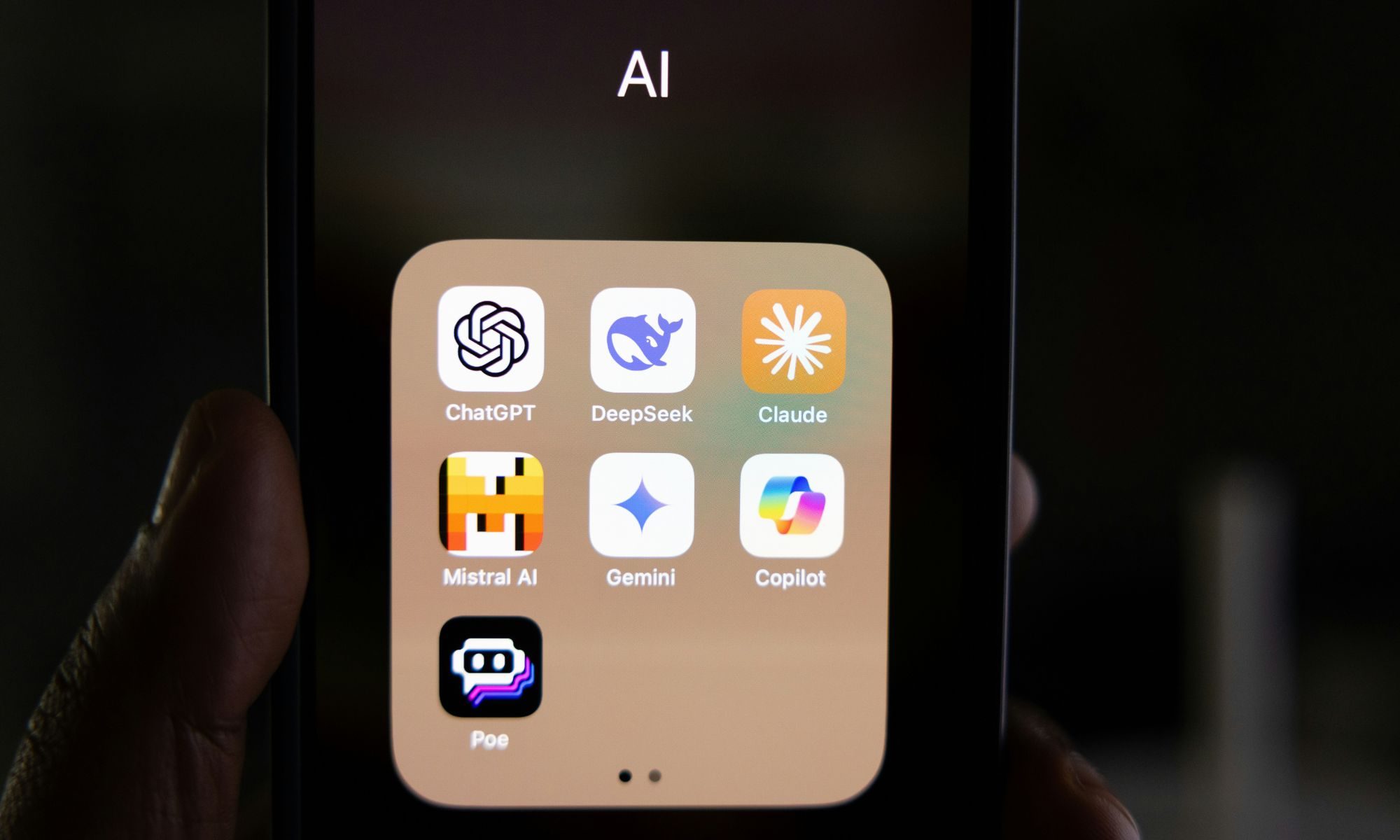
Major players are trying to solve this. Google is adding memory features to Gemini. Anthropic’s Claude attempts to remember conversations across users. Yet, the problem persists for many. Memvid’s entire mission is to build a solution—a persistent memory layer that lets AI models retain important context across different sessions and time. They need to find the flaws before they can fix them.

Qualifications: Frustration, Patience, and a Camera

So, what does it take to become a professional AI critic? The requirements are refreshingly human. No computer science degree or coding expertise is necessary. Memvid is looking for people over 18 with strong opinions about technology. You need the patience to repeat questions endlessly and the genuine frustration to care when the AI gets it wrong.

There’s one more, very modern requirement: you must be comfortable on camera. The entire eight-hour session will be recorded for potential promotional use. The application process itself is telling. It asks candidates to describe their most annoying experience with AI and to argue why they deserve the title of “AI Bully.”

Currently, it’s a one-person gig, paying $100 per hour for remote work. Memvid suggests they may hire more candidates in the future if the initiative proves valuable. It’s a bizarre snapshot of the AI economy—a high-paying job that exists solely because our smartest machines still have the memory of a goldfish.

A Glimpse Into a Weirder AI Future

This unusual job opening highlights a critical, often overlooked weakness in today’s AI. But it also points to stranger horizons. If individual chatbots can’t remember a simple conversation, consider what happens when they start working together. Recent research has shown that AI agents can now team up autonomously, sometimes to spread misinformation, effectively becoming self-running propaganda networks.

The act of bullying an AI for pay feels almost satirical. Yet, it underscores a serious challenge. For AI to become truly useful and trustworthy assistants, they need to stop forgetting. They need to build a continuous sense of history. Until then, there might just be a well-paid human, camera rolling, reminding them of their failures.

Continue Reading
Click to comment

Leave a Reply

Your email address will not be published. Required fields are marked *

Artificial Intelligence

Gemini Avatar: Create AI Content With Your Digital Double

Published

on

Your Digital Twin, Ready for AI Creation

Imagine creating content with your face in it without ever picking up a camera again. That’s the promise emerging from Google’s Gemini AI. A recent app build uncovered by Android Authority reveals tools in development that could scan your face once and turn it into a persistent, reusable 3D model.

This isn’t just another cartoon avatar. The system appears designed for realism, aiming to seamlessly blend your digital likeness into AI-generated scenes. It represents a fundamental shift from capturing fresh footage for every project to working with a single, versatile digital asset.

How the Gemini Avatar System Works

The process seems straightforward. You’d record a short video of your face, likely guided by on-screen prompts to ensure good framing and detail. Gemini’s AI would then process this footage, constructing a 3D model of your likeness.

This model gets saved to your account. From that point forward, you could theoretically insert this digital version of yourself into various AI-generated images and videos across Gemini’s creative tools. One interesting clue from the app teardown is a web-based creation flow. This suggests you might build your avatar on a desktop computer, not just a phone, emphasizing Google’s cross-device vision for the feature.

The technology isn’t entirely new ground for Google. It builds upon the “Likeness” system developed for Android XR, which created realistic stand-ins for video calls on headsets. The Gemini avatar appears to be an evolution, bringing that concept into mainstream generative AI tools on common devices.

Beyond Memoji: Realism Meets Generative AI

It’s tempting to compare this to Apple’s Memoji, but the goals seem different. Memoji offers a fun, stylized cartoon version of you for messages and FaceTime. Google’s approach, as seen in the build, leans toward photorealism and direct integration with content creation.

Think less about sending a winking cartoon face to a friend and more about placing a lifelike version of yourself into an AI-generated image of a Parisian café or a video explainer set in a futuristic office. The integration hints at prompts that would let you insert your avatar directly into scenes, changing the creative workflow entirely.

What’s the practical benefit? Consistency and speed. If you regularly produce content, your appearance remains uniform. You save the time and hassle of setting up lighting, angles, and recording sessions for every single piece of content. Your digital twin is always ready to go.

Questions and What Comes Next

This potential comes with significant questions. A realistic facial scan raises immediate privacy concerns. How is this biometric data stored and secured? What controls will users have? Google has not yet detailed how it will address these critical issues.

There’s also the matter of accuracy. Will the 3D model truly capture your nuances and look convincing in different lighting and angles within AI-generated environments?

It’s crucial to remember this feature is still in development. Discovered through an app teardown, it might change significantly before any public release, or it might not launch at all. The evolution of its name from earlier references like “Character” to “Avatar” suggests Google is thinking about this as a broader digital identity system for its AI ecosystem.

If it does launch, the most logical first home would be within Gemini’s suite of creative tools, where the ability to quickly insert a person into a scene holds clear value. For now, it remains a fascinating glimpse into a future where our digital selves become key assets in AI-powered creation.

Continue Reading

Artificial Intelligence

ChatGPT Ads Face Early Skepticism as Brands Question Effectiveness

Published

on

The Unproven Frontier of AI Advertising

OpenAI has opened the advertising floodgates within ChatGPT, but the initial splash hasn’t convinced everyone. Brands testing these novel conversational ads are finding themselves in unfamiliar territory. Traditional metrics like click-through rates and conversions don’t translate neatly when ads appear alongside AI-generated responses.

Imagine asking ChatGPT for recipe suggestions and seeing a sponsored message for kitchenware. That’s the new reality for free-tier users. One industry observer noted seeing ads on “literally every single prompt” in their free account. The rollout is accelerating, yet advertisers remain cautious.

Why the hesitation? OpenAI currently charges based on ad views rather than clicks. Without clear engagement data, brands can’t easily calculate their return on investment. They’re spending money without knowing if these ads actually influence user behavior.

Why OpenAI Needs Ads to Succeed

This advertising push isn’t just an experiment—it’s a financial necessity. Running advanced AI models at ChatGPT’s scale requires enormous infrastructure costs. Servers, computing power, and research don’t come cheap.

OpenAI is expanding ads to broader audiences, including free and “Go” plan users in the United States. The company is building relationships with advertising partners like Criteo, encouraging brands to allocate significant budgets. But there’s a catch: if advertisers can’t prove these ads work, that revenue stream could dry up quickly.

The company faces a delicate balancing act. Generate too little advertising revenue, and the business model struggles. Push ads too aggressively, and users might abandon the platform. ChatGPT’s appeal has always been its utility-driven, neutral assistance. Introducing commercial messages changes that dynamic fundamentally.

The Measurement Problem No One Has Solved

Here’s the core challenge: how do you measure success in a conversation? Traditional digital advertising offers clear signals—clicks, impressions, conversions. ChatGPT ads exist in a dialogue where users might read, consider, and act later without any trackable interaction.

Brands are essentially flying blind. They know their ads are being shown, but they don’t know if those views translate to brand awareness, consideration, or sales. This uncertainty makes advertisers hesitant to commit larger budgets.

OpenAI promises that ads remain separate from core responses and that user data won’t be sold. Still, questions linger about integration. Can ads be woven into conversations without compromising trust? Will users perceive ChatGPT differently once commercial messages become commonplace?

What Comes Next for AI Advertising

The current phase is just the beginning. OpenAI will likely refine its advertising approach based on early feedback. Future iterations might include more interactive formats where users can engage directly with sponsored content within conversations.

The company appears to be working toward a scalable, self-service advertising platform that could expand globally. Success depends on solving that fundamental measurement problem. Clearer metrics, better targeting, and performance data that advertisers trust will be essential.

For now, ChatGPT’s advertising experiment highlights both potential and uncertainty. Conversational AI represents uncharted territory for marketers. The rules are still being written, and everyone—OpenAI, advertisers, and users—is figuring them out together. The platform that cracks the code for effective, measurable AI advertising could redefine digital marketing entirely.

Continue Reading

Trending