Android 17: Everything We Know So Far in 2026
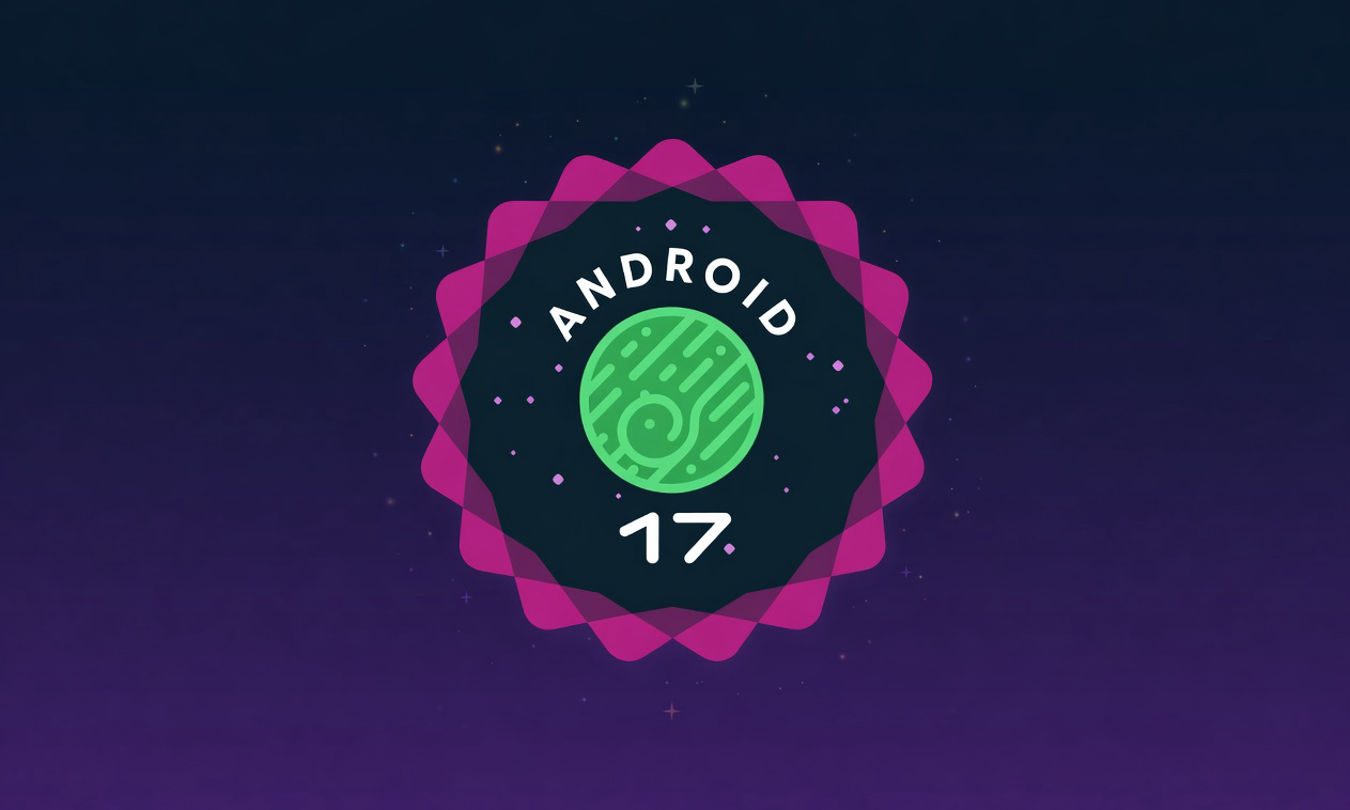
Google’s next major operating system upgrade, Android 17, is shaping up to be one of the most feature-packed releases in recent memory. With the arrival of Gemini Intelligence, a suite of AI-driven tools, alongside enhanced security measures and productivity features like App Bubbles, this update promises to redefine the user experience. The stable version is expected to roll out in June or early July 2026, but many of these innovations are already available in the Android 17 Beta for compatible Pixel devices.
This comprehensive guide covers everything we know so far, including the latest news, release timeline, how to download the beta, compatible devices, and a deep dive into all the new features.
Android 17 Release Timeline and Beta Updates
The Android 17 release cycle marks a significant shift from previous years. Google replaced the traditional Developer Preview with a continuous Android Canary channel, allowing for more iterative testing. The beta program kicked off in February 2026, with several updates refining the experience.
Key milestones include Beta 1 on February 13, which introduced the first public beta, followed by Beta 2 on February 26 with system stability improvements. Platform stability was achieved with Beta 3 on March 26, locking down the final SDK and NDK APIs. Beta 4 arrived on April 16, and a surprise Beta 4.1 drop on June 3 addressed lingering bugs. The stable public OTA rollout is expected in June 2026, with a QPR1 minor SDK release estimated for September.
How to Download the Android 17 Beta
For those eager to try the beta, the process is straightforward. First, ensure you have a supported Pixel device. Then, enroll in the Android Beta Program using the Google account linked to your device. After opting in, navigate to Settings > System > System update on your Pixel and check for the update. The beta package should appear within minutes. Remember, leaving the beta before the stable release requires a factory reset.
Android 17 Compatible Devices
Google has confirmed that every Pixel smartphone with a Tensor chip will receive Android 17. This includes models from the Pixel 6 series up to the latest Pixel 10 family, encompassing both flagship and A-series devices. Notably, the Pixel 6, Pixel 6 Pro, and Pixel 6a will receive their final major OS update with Android 17, as Google extended their support window through October 2026.
Samsung is also an early adopter, with One UI 9 based on Android 17 already available in beta for Galaxy S26 users. The stable version is expected alongside Samsung’s July Unpacked event. Older Galaxy S and A-series devices, along with Galaxy tablets, will follow later in 2026. For the first time, Google has opened the beta to international partners like OnePlus, Xiaomi, and Oppo, with stable rollouts anticipated in Q3 2026.
Key Features in Android 17
Android 17 is packed with innovations spanning AI, productivity, gaming, and privacy. Here’s what’s new.
Gemini Intelligence and Core UI Updates
The standout feature is Gemini Intelligence, an AI agent that performs multi-step tasks in the background. It can parse open Chrome tabs, identify details like event times, and complete bookings or fill forms using Gemini in Chrome and smarter Autofill. Users only need to confirm payment details. Additionally, the Create My Widget tool lets users describe a custom widget in plain language, which Android 17 then builds on the spot. Gboard Rambler redefines speech-to-text by removing filler words and handling awkward phrasing across multiple languages.
The UI receives a major overhaul with split Notifications and Quick Settings panels—swipe down from the top-left for notifications, top-right for Quick Settings. Independent Wi-Fi and mobile data toggles replace the controversial internet pill merger. Users can also hide app names from the home screen for a cleaner look, and all Noto emoji have been redesigned with a textured 3D look called Noto 3D.
Productivity and Multitasking Enhancements
Android 17 introduces App Bubbles, allowing any app to be kept active as a small circular icon for quick access. Forced app resizeability ensures all apps support split-screen and windowed modes. The Pause Point anti-doomscrolling feature adds a 10-second waiting period before opening distracting apps, offering a breathing exercise or favorite photo memory instead. Split-screen adjustment arrows let users change the window ratio to 70:30 or 90:10, and Desktop Mode expands external monitor support for a full windowed experience.
Gaming and Content Creation Upgrades
Gamers will appreciate native gamepad button remapping at the system level, allowing custom control schemes without third-party apps. Native VVC (H.266) video decoding delivers high-quality video at half the data rate of H.265, while Vulkan 1.4 support enhances graphics performance. For content creators, Screen Reactions captures both the screen and front camera simultaneously for reaction videos. Instagram gets Ultra HDR capture and playback, built-in video stabilization, and Night Sight support. Adobe Premiere is also coming to Android with the stable update.
Privacy and Security Improvements
Security receives a major boost with Bank Spoofing Protection, which silently queries a bank’s app to verify incoming calls, terminating suspicious ones immediately. Live Threat Detection flags apps abusing permissions or forwarding SMS messages. SMS OTP hiding restricts one-time password access to the intended app within three hours. The granular contacts access picker lets users grant app-specific contact permissions instead of blanket access. Transparent location sharing controls show which apps are using GPS in real time, with a single-tap option to revoke access.
Furthermore, background audio isolation enforces strict limits on apps trying to start playback without user awareness. The Mark as Lost feature now requires biometric authentication, and time zone change notifications alert users when the device clock is adjusted by a cell tower.
Additional Ecosystem and Connectivity Features
Android 17 improves cross-device continuity with Continue On, Google’s answer to Apple’s Handoff, allowing users to start a task on a phone and pick it up on a tablet. Better iPhone-to-Android migration supports transferring contacts, messages, and eSIM data from iOS 26.3 or newer. Quick Share is enhanced for faster detection of non-Android devices. Android Auto gets a dashboard overhaul with adaptive media card configurations and a swipeable card-based media app switcher.
For more insights on Android updates, check out our guide on Android 16 features and the latest Pixel 10 review.








 CyberSecurity5 months ago
 How To4 months ago
 CyberSecurity5 months ago
 CyberSecurity5 months ago
 Social Media5 months ago
 Infosecurity5 months ago
 CyberSecurity5 months ago
 Video3 months ago