Connect with us

Infosecurity

Digital Asset Inheritance: Navigating Legal and Security Challenges for Technology Users

Published

on

Technology ownership creates unique challenges when it comes to estate planning and inheritance. A recent case involving Apple and a widow trying to access her late husband’s iPad highlights the complex intersection between digital asset inheritance, security protocols, and legal requirements.

Understanding Digital Asset Inheritance Complexities

The distinction between owning physical hardware and accessing digital services becomes crucial in inheritance matters. While you may purchase a device outright, the software and services tied to that device operate under licensing agreements rather than traditional ownership models.

Moreover, modern security measures compound these challenges. Password protection, two-factor authentication, and biometric locks create multiple barriers that surviving family members must navigate. These security features, designed to protect users during their lifetime, can effectively lock out legitimate inheritors after death.

Legal Framework for Technology Inheritance

Currently, legal frameworks struggle to keep pace with technological advancement. Traditional inheritance law assumes physical property that can be physically transferred. However, digital asset inheritance involves intangible assets governed by terms of service agreements that may explicitly prohibit transfer.

As a result, what seems like a straightforward inheritance matter becomes entangled in contract law, privacy regulations, and corporate policies. Each technology company maintains different procedures for handling deceased user accounts, creating an inconsistent landscape for families to navigate.

Therefore, proactive planning becomes essential rather than optional. Waiting until after death to address these issues often leaves families facing lengthy legal processes or permanent loss of access to important digital assets.

Practical Approaches to Digital Estate Planning

Security experts recommend creating comprehensive digital estate plans that balance access needs with security requirements. This process involves cataloging all digital assets, from social media accounts to cryptocurrency wallets, and establishing clear succession protocols.

However, simply writing down passwords creates significant security vulnerabilities. Identity thieves could exploit such information, potentially causing more harm than the original problem it aimed to solve. Instead, consider using password managers with emergency access features or secure document storage systems.

In addition, some legal experts suggest implementing a split-key approach where critical access information is divided between trusted parties. This method ensures no single person has complete access while you’re alive, but allows reconstruction of access credentials when needed by your estate.

Industry Responses and Future Considerations

Technology companies increasingly recognize the need for clearer inheritance policies. Some platforms now offer legacy contact features or memorial account options that allow designated individuals to manage accounts after the original user’s death.

Nevertheless, these solutions remain piecemeal and voluntary. Without comprehensive legislation addressing digital asset inheritance, families continue facing uncertainty when dealing with deceased relatives’ technology assets.

Building on this foundation, estate planning professionals now routinely address digital assets alongside traditional financial and physical property. This comprehensive approach ensures families receive proper guidance on both legal requirements and practical implementation strategies.

Best Practices for Technology Users

Start by creating an inventory of all digital accounts, devices, and services you use regularly. Include information about password managers, two-factor authentication apps, and any hardware security keys in your possession.

Subsequently, work with qualified legal professionals who understand both estate law and technology implications. Your attorney should help you navigate the complex licensing agreements that govern software and service usage while ensuring compliance with applicable laws.

On the other hand, consider the emotional aspects of digital asset inheritance. Family photos stored in cloud services, years of email correspondence, and social media memories often hold significant sentimental value beyond their legal or financial worth.

Finally, remember that digital asset inheritance planning requires regular updates. As you adopt new technologies or close old accounts, your estate planning documents should reflect these changes to remain effective and current.

Continue Reading
Click to comment

Leave a Reply

Your email address will not be published. Required fields are marked *

Infosecurity

The Hidden Reality: Why Human Error Drives Most Data Breaches and How Companies Can Fight Back

Published

on

The statistics paint a sobering picture: thousands of USB drives disappear into dry cleaning shops annually, carrying potentially sensitive corporate information. This reality highlights a fundamental truth that many organizations struggle to accept – their greatest cybersecurity threat often comes from within, not from sophisticated hackers or advanced malware.

The Alarming Scale of Human Error Data Breaches

Research consistently demonstrates that human error data breaches dominate cybersecurity incidents across industries. When ESET investigated unusual items left at dry cleaners, they uncovered a startling pattern: approximately 22,266 USB devices are abandoned at these establishments nationwide each year.

However, this represents just the tip of the iceberg. Multiple industry studies reveal the true magnitude of this challenge:

  • The IT Policy Compliance Group attributes 75% of all data loss to human error
  • Aberdeen Group research indicates 64% of incidents stem from employee mistakes
  • CompTIA found 52% of security breaches originate from human error
  • Databarracks identified employee accidents as the leading cause of data loss at 24%

What makes these statistics particularly troubling? Only 45% of lost devices ever return to their rightful owners, leaving the majority in unknown hands with uncertain security implications.

Understanding the Psychology Behind Data Security Mistakes

Why do intelligent, well-intentioned employees consistently make mistakes that compromise organizational security? The answer lies in human nature itself. People naturally prioritize convenience over security protocols, especially when facing deadline pressures or complex procedures.

Consider the dry cleaner scenario: employees rushing to meetings forget USB drives in jacket pockets. This isn’t malicious behavior – it’s predictable human psychology. Similarly, workers might choose weak passwords, share login credentials, or bypass security measures when systems seem overly complicated.

Organizations that acknowledge this reality can begin building defenses that account for inevitable human lapses rather than hoping employees will achieve perfect compliance.

Technology Solutions That Prevent Human Error Data Breaches

Smart enterprises implement layered technological approaches that minimize the impact of employee mistakes. These solutions don’t eliminate human error – they make it irrelevant to overall security posture.

Location Tracking and Geographic Controls

Modern tracking technology enables organizations to monitor device locations in real-time. When USBs or mobile devices go missing, IT teams can quickly locate them or remotely restrict access based on geographic boundaries. This approach ensures that corporate data remains accessible only within approved zones, regardless of where devices physically travel.

Comprehensive File Auditing Systems

One critical challenge with lost devices involves proving to regulators exactly what information was compromised. Advanced file auditing solutions create detailed logs of all data interactions – copying, printing, deleting, or accessing files across every connected device.

This capability provides two essential benefits: real-time monitoring of unusual data activities and complete documentation for compliance reporting when incidents occur.

Remote Data Management

The ability to remotely wipe compromised devices represents perhaps the most powerful tool in preventing data breach escalation. However, organizations must carefully evaluate different remote management solutions, as some require internet connectivity that may not always be available on portable devices.

Effective remote management systems should include multiple activation methods and work across various network conditions to ensure reliability when incidents occur.

Building a Culture That Supports Security Technology

Technology alone cannot solve human error problems. Successful implementation requires cultural changes that encourage reporting and learning rather than punishment and blame.

Organizations should establish clear protocols that reward employees for promptly reporting potential security incidents. This approach creates an environment where workers feel comfortable admitting mistakes early, when remediation options remain most effective.

Training programs must emphasize practical scenarios rather than abstract security concepts. When employees understand how their actions connect to real business risks, compliance improves dramatically.

The Strategic Advantage of Proactive Security

Companies that successfully address human error data breaches gain significant competitive advantages. They reduce regulatory compliance costs, minimize business disruption from security incidents, and build stronger customer trust through demonstrated commitment to data protection.

Most importantly, these organizations can focus resources on growth and innovation rather than constantly responding to preventable security crises. The investment in comprehensive security technology pays dividends through reduced incident response costs and improved operational efficiency.

As cyber threats continue evolving, the organizations that thrive will be those that accept human nature as a constant and build security architectures that work with, rather than against, their most valuable asset – their people.

Continue Reading

Infosecurity

The Great Patching Rush: How 273 Security Patches in One Week Defined 2015

Published

on

The final week of December 2015 witnessed an unprecedented surge in security updates that would forever change how organizations approach vendor patch statistics. When Apple, Adobe, Microsoft, and Google collectively pushed 273 patches in just seven days, IT departments worldwide found themselves scrambling to maintain security postures.

The Alarming Rise in Security Vulnerabilities

The year 2015 marked a turning point for cybersecurity threats. According to PricewaterhouseCoopers research, cyber-attack incidents jumped by 38% compared to the previous year. This dramatic increase wasn’t merely statistical noise – it represented a fundamental shift in the threat landscape.

Meanwhile, HP Enterprise Security revealed that British companies were hemorrhaging an average of £4.1 million annually due to these escalating security challenges. The numbers painted a sobering picture of an increasingly dangerous digital environment.

Apple emerged as the most vulnerable vendor, recording 654 security flaws – a staggering 179% increase from 288 vulnerabilities documented in 2014. Microsoft followed closely with 571 discovered vulnerabilities, representing a significant jump from 376 the previous year.

Understanding Vendor Patch Management Challenges

Traditional cybersecurity wisdom emphasizes three fundamental practices: deploying anti-malware solutions, maintaining unique passwords across accounts, and consistently applying system updates. However, the reality of patch management creates inherent security gaps that organizations must navigate carefully.

The critical vulnerability window between disclosure and patch deployment represents every organization’s nightmare scenario. During this period, malicious actors possess the same vulnerability intelligence as security teams, creating a dangerous race against time.

Therefore, security professionals must implement comprehensive strategies that extend beyond simple patch application. Effective vulnerability management requires protective measures that shield systems during the crucial pre-patch period.

December 2015: A Week That Changed Everything

That memorable December week transformed routine patch management into crisis management for countless organizations. When four technology giants simultaneously released security updates, IT departments faced an overwhelming coordination challenge that tested existing processes.

On one hand, this massive update release demonstrated vendor commitment to addressing security concerns proactively. However, the sheer volume also highlighted the evolving complexity of modern software ecosystems and their associated risks.

Security leaders found themselves caught between appreciation for vendor responsiveness and concern about the underlying security landscape that necessitated such extensive patching efforts. This balancing act became a defining characteristic of modern cybersecurity management.

Sophisticated Attack Evolution and Vendor Responses

The security industry confronted increasingly sophisticated threats throughout 2015, with attackers developing novel methods to circumvent traditional protection mechanisms. The XGhost app development code exploitation exemplified this evolution, allowing malware distribution through seemingly legitimate developer channels.

As a result, organizations witnessed a parallel evolution in attack methodologies and defensive strategies. Ransomware campaigns intensified, DDoS attacks became more frequent, and major platforms like Facebook faced significant security breaches that compromised user data.

These incidents resulted in substantial data losses, including contact information and payment details that criminals could leverage for subsequent brute force attacks and phishing campaigns.

Assessing Our Security Posture: Then and Now

Comparing 2015’s security landscape to previous years reveals troubling trends that continue influencing modern cybersecurity practices. The dramatic increase in both attack frequency and sophistication forced C-suite executives to prioritize cybersecurity initiatives that had previously received minimal attention.

Furthermore, the financial incentives driving cybercriminal activities grew substantially, creating a self-reinforcing cycle of increased attacks and defensive investments. The expanding universe of internet-connected devices provided attackers with an ever-growing attack surface to exploit.

Building on this foundation, industry experts predicted that 2016 would witness continued escalation in both attack frequency and sophistication. This prediction proved accurate, establishing patterns that persist in today’s enterprise vulnerability management strategies.

In addition to technical challenges, organizations faced reputational risks that extended far beyond immediate financial losses. High-profile breaches created lasting damage to brand trust and customer confidence, making comprehensive security strategies business imperatives rather than technical necessities.

Continue Reading

Infosecurity

How Neustar’s Real-Time Expertise Powers Next-Generation IoT Security Solutions

Published

on

How Neustar’s Real-Time Expertise Powers Next-Generation IoT Security Solutions

The explosive growth of connected devices presents both unprecedented opportunities and significant security challenges. As organizations worldwide embrace the Internet of Things, the demand for robust IoT security solutions has never been more critical. One company positioning itself at the forefront of this transformation is Neustar, leveraging nearly two decades of real-time information services expertise to address the complex security needs of tomorrow’s connected world.

From Telephony to IoT Security Solutions: Neustar’s Evolution

Building on its foundational experience managing the US Number Portability Administration Center (NPAC), Neustar developed unparalleled capabilities in handling high-volume, real-time information processing. This seemingly mundane telephony service required the company to act as a neutral intermediary between service providers, ensuring seamless number transfers while maintaining data integrity across millions of transactions.

However, this background proved invaluable as the company expanded its horizons. The infrastructure requirements for managing real-time telephony data transfers mirror many challenges facing modern IoT security solutions. What worked for telephone numbers now applies to device authentication, location verification, and threat detection across vast networks of connected devices.

In addition, Neustar’s acquisition strategy has strengthened its position considerably. The 2010 purchase of Quova brought IP geolocation capabilities with claimed 99.1% accuracy, while the 2015 acquisition of MarketShare added digital marketing measurement expertise to their portfolio.

Real-Time Threat Detection and Device Verification

The connection between IP geolocation and security becomes apparent when considering suspicious device behavior. Traditional security models struggle with the “what is that device doing in that location” question that modern IoT environments constantly present. This is where Neustar’s real-time information services create substantial value.

Consider the authentication challenges facing IoT deployments. As devices communicate machine-to-machine (M2M) without human intervention, verification must happen instantaneously. Delays in authentication or location verification can compromise entire networks or create service disruptions that cascade across interconnected systems.

Therefore, the ability to provide sub-second verification of device identity and expected location becomes a cornerstone of effective IoT security solutions. Neustar’s infrastructure, battle-tested through years of telephony operations, offers the reliability and speed these applications demand.

DNS Infrastructure as IoT Security Foundation

The domain name services (DNS) business represents another crucial element in Neustar’s IoT security strategy. Managing authoritative DNS services for the .NET domain and enterprise customers through Ultra DNS provided the company with deep insights into network traffic patterns and potential vulnerabilities.

DNS infrastructure faces constant threats from distributed denial of service (DDoS) attacks, particularly as IoT device networks expand. Using Arbor hardware, Neustar built comprehensive DDoS protection capabilities that evolved into their SiteProtect service in 2011.

This experience proves particularly relevant as IoT deployments create new attack vectors. Research indicates that IoT devices often lack robust security protocols, making them attractive targets for cybercriminals seeking to build massive botnets for DDoS attacks. Organizations need DNS-level protection that can identify and mitigate these threats before they impact critical systems.

As a result, Neustar competes directly with established players like Akamai, which acquired Prolexic to strengthen its DDoS protection offerings. However, Neustar’s unique combination of real-time processing expertise and comprehensive device intelligence creates differentiated value propositions.

European Market Opportunities for IoT Security

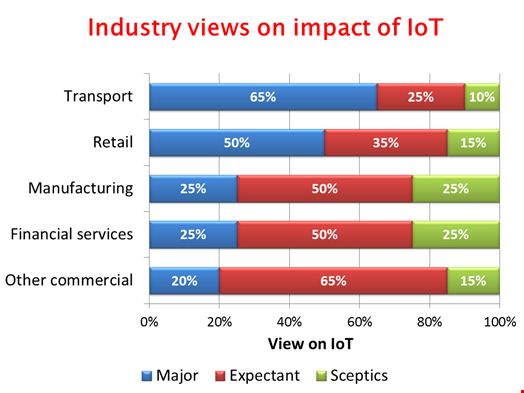
Recent Quocirca research highlighted significant concerns about IoT implementation, particularly regarding the expanded attack surface these technologies create. UK businesses recognize IoT benefits but simultaneously worry about security implications, creating substantial market opportunities for proven IoT security solutions.

The European market presents unique advantages for Neustar’s expansion strategy. GDPR compliance requirements align well with the company’s experience handling sensitive consumer data while maintaining strict privacy standards. Their track record of operating as a neutral intermediary between competing organizations translates effectively to European regulatory environments that prioritize data protection and competitive neutrality.

Furthermore, European organizations increasingly demand real-time performance monitoring and protection services to ensure IoT application reliability. This requirement matches perfectly with Neustar’s core competencies in high-volume, real-time information processing developed through decades of telephony operations.

The Future of Connected Device Protection

Looking ahead, the convergence of device authentication, location verification, and threat protection creates compelling opportunities for integrated security platforms. Organizations need solutions that can verify device identity, confirm expected behavior patterns, and respond to threats in real-time across thousands or millions of connected endpoints.

Neustar’s registry of things concept addresses this need by creating comprehensive databases of device characteristics and expected behaviors. Combined with their geolocation accuracy and DDoS protection capabilities, this approach offers holistic IoT security solutions that scale with organizational needs.

The transition from their US telephony focus toward European IoT markets represents a natural evolution of proven technologies. As connected device deployments accelerate across industries, organizations need partners with demonstrated expertise in managing complex, real-time information systems at massive scale.

In conclusion, Neustar’s unique heritage positions the company to address critical security challenges facing IoT implementations. Their combination of real-time processing expertise, accurate geolocation services, and comprehensive DNS protection creates valuable differentiation in an increasingly competitive market. For European organizations evaluating IoT security strategies, Neustar’s proven track record offers compelling advantages in an uncertain threat landscape.

Continue Reading

Trending