Connect with us

Artificial Intelligence

Google Fuses NotebookLM into Gemini, Creating a Unified AI Research Hub

Published

on

Google Fuses NotebookLM into Gemini, Creating a Unified AI Research Hub

Google has taken a decisive step in reshaping its AI assistant. Starting today, the core functionality of NotebookLM is being woven directly into the Gemini experience. This integration, dubbed ‘Gemini Notebooks,’ marks a pivotal shift. It moves the platform from a reactive question-and-answer tool toward a proactive, context-rich workspace designed for sustained research and complex projects.

From Separate Tools to a Cohesive Workspace

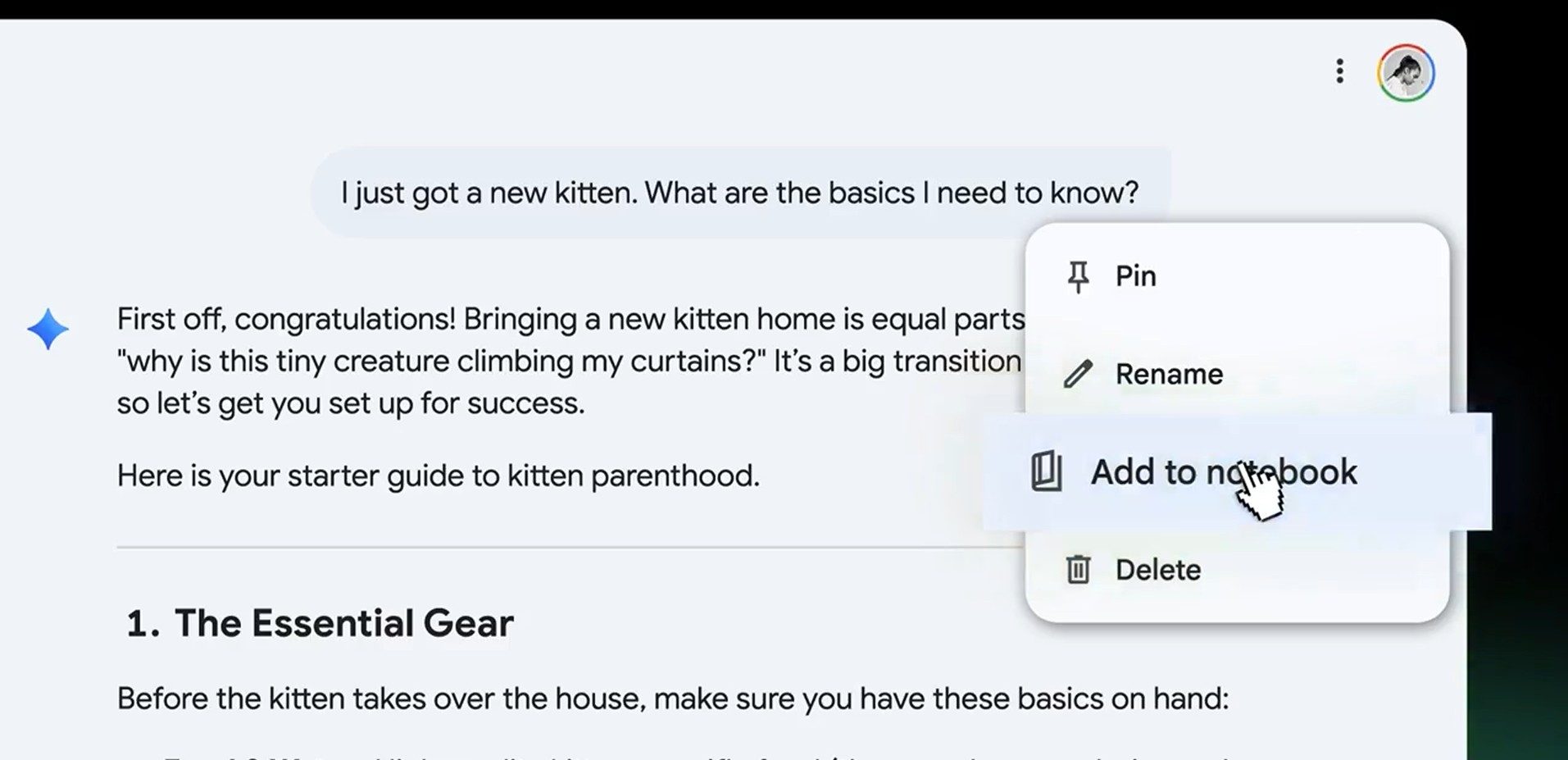
Previously, users interested in grounding their AI interactions in personal documents had to navigate between different products. This new update eliminates that friction. Consequently, your saved research, PDFs, and notes now reside natively within Gemini’s interface, sitting side-by-side with your chat history and prompts. This structural change is fundamental. It means your curated material is no longer just a static library but becomes active, live context that directly informs the AI’s responses in real time.

How Live Context Transforms Conversations

The most significant upgrade lies in how Gemini now utilizes stored information. When you select a specific notebook or collection at the start of a chat, the AI automatically grounds its responses in that content. Therefore, you no longer need to repeatedly upload files or paste excerpts to steer the conversation. The system draws from your pre-organized sources seamlessly, ensuring outputs are relevant and factually anchored to your provided materials. This capability, a hallmark of NotebookLM’s original design, is now central to the Gemini experience.

Building a ‘Second Brain’ for Long-Term Projects

This integration reflects a broader industry trend toward AI systems with memory and continuity. Instead of treating each chat as an isolated event, Gemini can now maintain a thread of context across sessions. Building on this, the platform allows you to fold past conversations *into* new notebooks. Imagine a research project where early exploratory chats about a topic can be saved and later used as source material for a more focused, analytical discussion. This creates a virtuous cycle where research and conversation continuously reinforce and build upon each other.

In addition, the organizational aspect is crucial. Users can upload up to 100 sources for free and structure their chats into thematic collections. This organizational layer is what transforms a simple chatbot into a powerful project management aid. However, it’s important to note that the utility of this system is directly tied to the quality of the input. Disorganized or messy source material may limit the coherence and usefulness of the AI’s contextual responses.

Current Rollout and Future Implications

As of now, the rollout of Gemini Notebooks is initially available on the web for subscribers to Google’s AI Ultra, Pro, and Plus tiers. Support for the mobile Gemini app and broader access, including for free users, is expected to follow, though Google has not provided a specific public timeline.

This strategic move places significant pressure on competitors. By blending document-aware intelligence with persistent conversational memory, Google is positioning Gemini as a central hub for knowledge workers, students, and anyone engaged in research-heavy tasks. For more on how AI is changing workspaces, see our analysis on the future of AI productivity tools.

A New Phase for AI Assistants

Ultimately, this update signals a clear evolution in Google’s vision. Gemini is being reimagined not merely as a tool for quick answers but as a companion for ongoing, intellectually demanding work. The integration of NotebookLM’s strengths is the first major step in this direction. Looking ahead, the platform’s success will hinge on achieving feature parity across all devices and tiers, and on users adopting the new organizational workflows it enables. To understand the competitive landscape, explore our guide to AI-powered note-taking applications.

This means that the era of the ephemeral AI chat may be giving way to the age of the cumulative, context-aware AI workspace. The race is no longer just about who has the smartest model, but about who can best integrate that intelligence into the messy, document-rich flow of real human work.

Continue Reading
Click to comment

Leave a Reply

Your email address will not be published. Required fields are marked *

Artificial Intelligence

ChatGPT Arrives in PowerPoint: Build, Edit, and Polish Slides by Talking to AI

Published

on

ChatGPT Arrives in PowerPoint: Build, Edit, and Polish Slides by Talking to AI

Creating a presentation often feels like wrestling with formatting gremlins. You have the ideas, but the real struggle is adjusting bullet points, rearranging slides, and second-guessing every transition. OpenAI has finally addressed this pain point head-on.

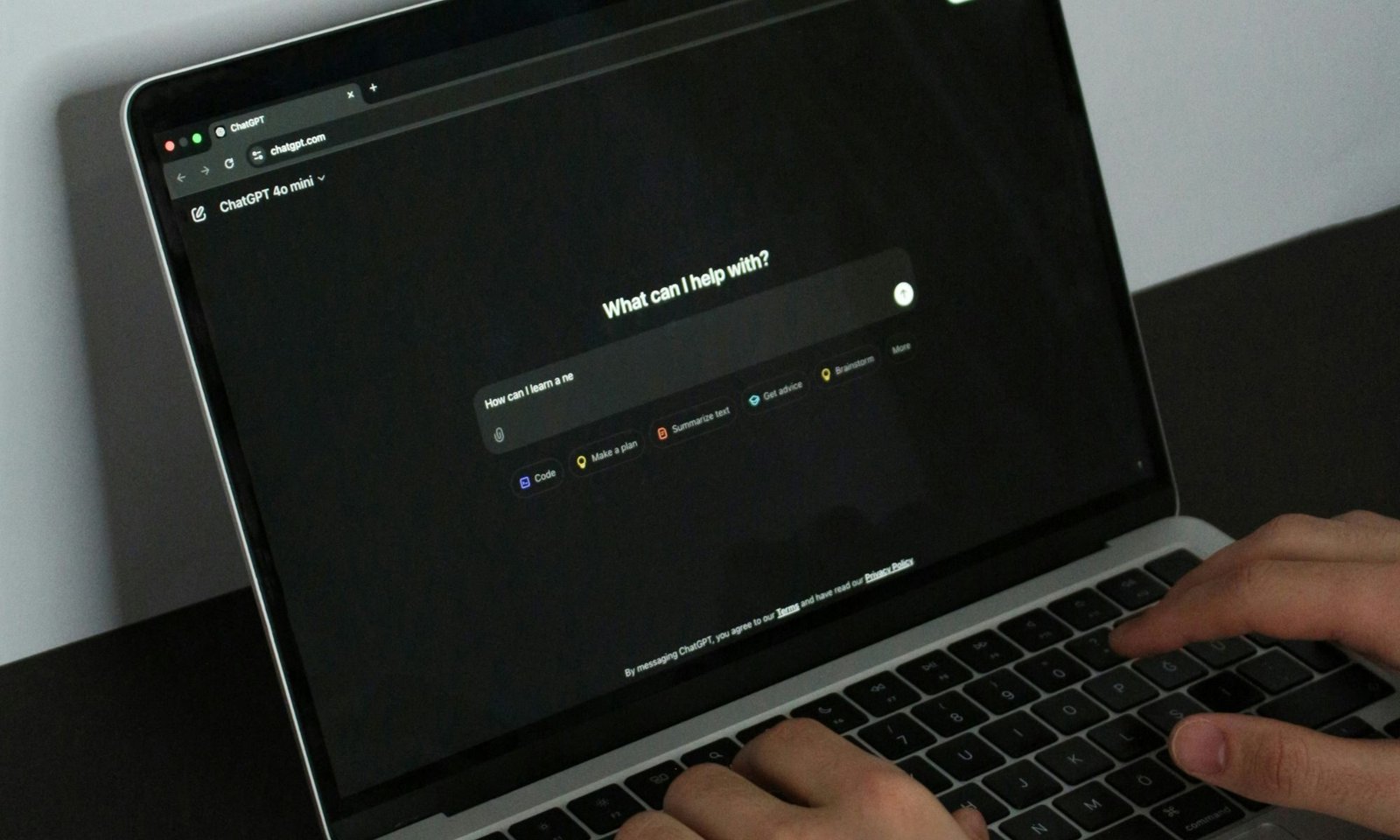
ChatGPT for PowerPoint is now available in beta. This integration places the conversational AI assistant directly inside Microsoft PowerPoint, allowing users to build, edit, and refine slides using natural language commands. The best part? It works across all major ChatGPT tiers, including Free, Plus, Pro, Business, Enterprise, and education accounts.

What Can ChatGPT Do Inside PowerPoint?

The core functionality is straightforward: you describe what you need, and ChatGPT generates a slide deck from scratch. You can feed it notes, documents, spreadsheets, or images as source material, and the AI will propose an initial structure.

But the tool goes beyond simple generation. If you already have slides in progress, you can add or edit individual slides without starting over. This means you can tweak a single section, update a chart, or rewrite a bullet point while keeping the rest of your deck intact.

AI-Powered Deck Review and Gap Analysis

One of the standout features is the ability to ask ChatGPT to interrogate your deck. Using its reasoning capabilities, the assistant can flag story gaps, identify logical inconsistencies, and anticipate questions your audience or client might ask.

For example, before a critical quarterly review, you can prompt ChatGPT to check if your data supports your conclusions. It will highlight weak spots and suggest areas that need stronger evidence. This turns the AI into a collaborative editor, not just a slide generator.

How Is This Different from Microsoft Copilot?

Many users wonder if this is just Copilot with a different logo. The answer is no. The key differentiator is connectivity.

ChatGPT for PowerPoint can pull live data from Gmail, Outlook, and SharePoint. Instead of manually copying and pasting information, your quarterly business review deck or customer briefing can reference data your team has already worked with. This integration targets real business workflows, making it ideal for quarterly reviews, board updates, and strategy presentations.

Furthermore, the beta is available globally. You can install it directly from the Microsoft marketplace or from within PowerPoint itself. This means you have three AI options for your slides: ChatGPT, Claude, and Copilot.

Practical Use Cases for Business Professionals

Imagine you have a folder of sales data and a meeting in two hours. You open PowerPoint, launch ChatGPT, and say: “Create a 10-slide deck summarizing Q2 performance, highlighting growth in the EMEA region.” The AI pulls from your uploaded files and produces a draft in seconds.

Then, you can ask: “Check if slide five contradicts slide three.” ChatGPT reviews the logic and flags any issues. You can also request: “Rewrite slide seven to be more persuasive for a C-level audience.” The assistant adjusts tone and content accordingly.

This workflow saves significant time. Instead of spending forty-five minutes reformatting bullets, you focus on strategy and messaging. As a result, your presentations become sharper and more coherent.

Getting Started with ChatGPT for PowerPoint

To use the feature, install the ChatGPT add-in from the Microsoft marketplace or enable it directly within PowerPoint. Once installed, a ChatGPT panel appears on the right side of your screen. You type or speak your requests, and the AI responds in real time.

The tool supports both text and voice input. So, if you prefer talking your way through slides, you can dictate commands and see changes instantly. This is particularly useful during brainstorming sessions or when you need to iterate quickly.

For more insights on using AI in productivity tools, check out our guide on AI for business presentations. You can also explore best AI tools for office productivity for a broader perspective.

The Future of AI in Presentation Software

OpenAI’s move into PowerPoint signals a broader shift. AI assistants are no longer just for writing emails or generating code. They are becoming integral to visual communication and business storytelling.

With ChatGPT now embedded in PowerPoint, users have a powerful ally for creating compelling narratives. The beta is live, and feedback from early adopters will shape future updates. If you regularly build decks, this tool is worth trying.

Ultimately, the goal is to reduce friction. Instead of wrestling with formatting, you focus on ideas. And that is exactly what a good presentation tool should do.

Continue Reading

Artificial Intelligence

CapCut Is Bringing Its Editing Tools to Gemini, and Your Creative Workflow Will Never Be the Same

Published

on

CapCut Is Bringing Its Editing Tools to Gemini, and Your Creative Workflow Will Never Be the Same

Imagine brainstorming a video concept, generating assets, and polishing the final cut without ever leaving one app. That dream is about to become reality. CapCut Gemini integration is officially on the horizon, and it promises to reshape how creators move from idea to finished product.

CapCut — the popular video editing platform owned by ByteDance — has announced a strategic partnership with Google’s Gemini app. According to a post on X, users will soon be able to “edit images and videos directly within the Gemini app using CapCut’s advanced creative and editing capabilities.” The announcement signals a shift toward more conversational, intuitive, and seamlessly connected creative tools.

What Does the CapCut Gemini Integration Mean for Creators?

Right now, producing content across these two platforms involves a lot of back and forth. You might use Gemini to brainstorm ideas, write a script, or generate an image. Then, you jump over to CapCut to handle the actual editing. Once this CapCut Gemini integration goes live, that multi-step process becomes a thing of the past.

Instead, you will be able to conceptualize a project, create media, and refine the final output — all within Gemini. For creators who already rely on both tools, this is a genuine time-saver. No more switching tabs or exporting files. The workflow becomes one fluid experience.

How This Changes Content Production

Consider a typical scenario: You want to produce a short promotional video. With the integration, you can ask Gemini to generate a script, create relevant images or clips, and then apply CapCut’s editing tools — transitions, filters, text overlays — right there in the chat interface. The result is a polished video without ever leaving the conversation.

This aligns with CapCut’s stated belief that “the future of creation will be more conversational, intuitive, and intelligently integrated across tools.” It’s a vision where AI handles the heavy lifting, and creators focus on the creative decisions.

Building on an Existing Relationship

This partnership didn’t appear out of nowhere. Google Photos already allows users to export their year-end highlights directly to CapCut for editing. Additionally, CapCut’s website features several Gemini-focused guides and templates that walk users through generating scripts and ideas in Gemini before bringing them into CapCut for production.

Therefore, this integration is a natural next step. It builds on what both companies have been quietly working toward for some time. The move also positions CapCut as a key creative partner within Google’s AI ecosystem, especially after Google I/O 2026, where the company unveiled a wave of new Gemini features.

For more on how AI is transforming video production, check out our guide on AI video editing tips.

When Will This Feature Be Available?

CapCut has confirmed the feature is coming soon but hasn’t shared a specific release date. The announcement came just days after Google I/O, where Google showcased significant updates to Gemini. Analysts predict a 2026 rollout is a safe bet, though the exact timing remains unconfirmed.

If you create videos regularly and use AI tools to accomplish it, this integration is worth keeping an eye on. The ability to edit directly within Gemini could save hours each week, especially for social media managers, YouTubers, and content marketers who juggle multiple platforms.

In the meantime, you can explore CapCut’s advanced features to get a head start on your editing workflow. And if you’re new to Gemini, check out our beginner’s guide to using Gemini for content creation.

Ultimately, the CapCut Gemini integration represents a broader trend: AI tools merging into unified creative hubs. Instead of hopping between separate apps, creators will soon work in environments where brainstorming, generation, and editing coexist. That shift might just redefine what efficient content creation looks like.

Continue Reading

Artificial Intelligence

Magic Cue, the Smart Android Feature on Pixel Phones, Is Expanding to More Apps — Here’s What Changed

Published

on

Magic Cue, the Smart Android Feature on Pixel Phones, Is Expanding to More Apps — Here’s What Changed

When Magic Cue debuted with the Pixel 10, it promised to be a game-changer for Android users. The idea was simple but powerful: predict what you need before you even think to look for it. However, in practice, the feature felt more like a teaser than a tool. Now, at Google I/O 2026, the company is giving Magic Cue a second wind — and this time, it’s expanding beyond Google’s own apps.

This Magic Cue Android feature update quietly stole the spotlight during the keynote, even though it wasn’t the main event. For Pixel 10 owners who felt underwhelmed by the initial rollout, this could be the revival they’ve been waiting for.

What Is Magic Cue Doing Differently Now?

The core concept remains unchanged: Magic Cue runs entirely on-device, reads context from your app usage, and surfaces relevant information as predictions. It’s like having a personal assistant that knows what you need before you type a single letter. But the big news is that it’s finally breaking out of Google’s walled garden.

According to the announcement, Snapchat will be the first third-party app to integrate Magic Cue. Google hinted strongly that more apps are on the way, though neither company has shared a specific rollout timeline. This is a significant step forward, as it means the feature can now work with apps you actually use daily.

Separately, reports from 9to5Google have spotted Magic Cue integration in Google Wallet and Google Tasks. Imagine boarding passes appearing automatically when you arrive at the airport, or task reminders popping up at the perfect moment — all without opening a separate app. This kind of seamless functionality could make the Magic Cue Android feature genuinely indispensable.

Does the Redesign Actually Matter?

Yes, and it might be the most important change of all. Previously, Magic Cue suggestions only appeared inside apps that explicitly supported it. That meant most third-party keyboards were completely locked out, limiting its usefulness.

The new design changes that completely. Magic Cue suggestions will now appear in a small bar that floats at the bottom of your screen, outside any app’s interface. It works similarly to how Gemini assistant and Circle to Search show up on Android phones — as a system-level overlay rather than an in-app widget.

Because it now operates at the system level, it should work regardless of which app or keyboard you’re using. This is something users have been asking for since launch, and it’s a clear response to feedback. Google hasn’t confirmed this directly, but the repositioning strongly suggests that Magic Cue will be available everywhere, not just in supported apps.

In addition, this redesign makes the feature much more practical for daily use. Instead of hunting for suggestions inside individual apps, you’ll see them right where you need them — at the bottom of the screen, ready to help.

Why This Matters for Pixel Owners

For Pixel 10 users, this update could transform a feature that felt like a gimmick into something genuinely useful. The initial promise of Magic Cue was huge, but the execution fell short. With third-party app support and a system-level redesign, it now has the potential to deliver on that promise.

Building on this, the expansion to apps like Snapchat and Google Wallet shows that Google is serious about making Magic Cue a core part of the Android experience. It’s not just a Pixel party trick anymore — it’s becoming a tool that works across your entire digital life.

However, there’s still a question mark around the rollout timeline. Neither Google nor Snapchat has announced when the integration will go live. But given the positive reception at I/O 2026, it’s likely that more details will emerge in the coming weeks.

What’s Next for Magic Cue?

Google’s quiet announcement at I/O 2026 suggests that Magic Cue is still a work in progress, but the direction is clear. The Magic Cue Android feature is evolving from a limited in-app tool to a system-wide assistant that learns from your habits.

As more apps join the ecosystem, the possibilities are endless. Imagine flight check-in reminders appearing automatically, or restaurant reservations showing up when you’re near the venue. This is the kind of smart prediction that could make Android truly feel like it’s working for you, not the other way around.

For now, Pixel 10 users have reason to be excited again. The feature that launched with so much promise is finally getting the updates it needs to shine. And if Google keeps expanding it to more apps, Magic Cue could become one of the smartest Android features on the market.

Looking for more Android tips? Check out our guide on top Android smart features you should try and Pixel 10 hidden settings to get the most out of your phone.

Continue Reading

Trending