Connect with us

Artificial Intelligence

Microsoft Backpedals on Copilot Integration with ‘Entertainment Only’ Disclaimer

Published

on

After years of positioning Microsoft Copilot as the revolutionary force behind workplace productivity, the tech giant has quietly shifted its stance. The company now describes its AI assistant as intended for “entertainment purposes only” in its terms of service, creating a stark contradiction with its aggressive integration strategy across professional software platforms.

The Great Microsoft Copilot Entertainment Pivot

This dramatic messaging shift represents a significant departure from Microsoft’s previous marketing approach. For the past two years, the company has embedded Copilot throughout its ecosystem, from Windows operating systems to Office applications like Word, Excel, and Outlook. However, the updated terms of use now explicitly warn users not to rely on the AI for important decisions involving financial, legal, or medical matters.

The disclaimer states clearly: “Copilot is for entertainment purposes only. It can make mistakes, and it may not work as intended. Don’t rely on Copilot for important advice. Use Copilot at your own risk.” This language seems designed to shield Microsoft from potential legal liability as AI tools become more widespread in professional environments.

Integration Reality Versus Entertainment Claims

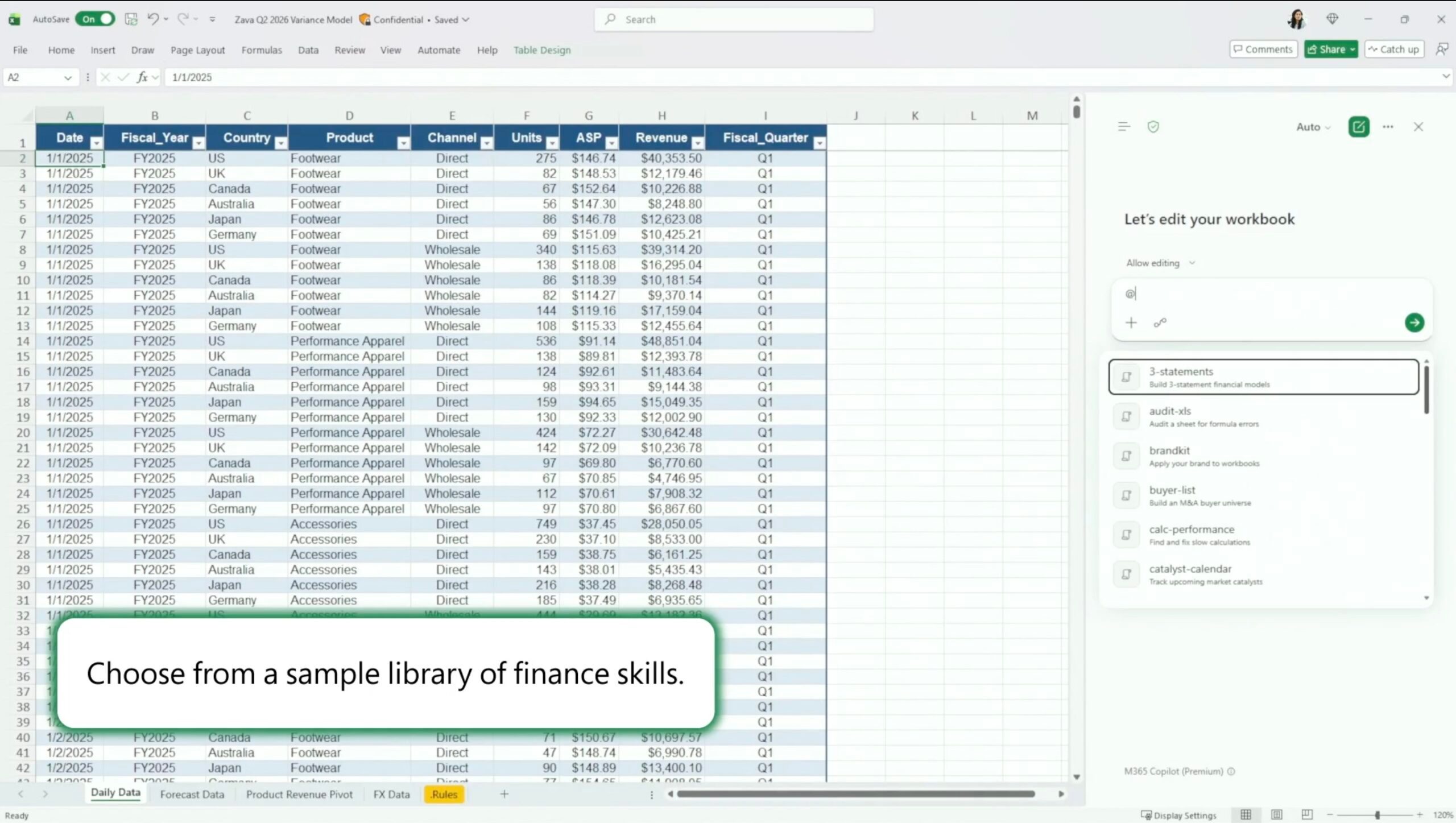
Nevertheless, this entertainment-only positioning creates obvious contradictions. Microsoft has systematically integrated Copilot into enterprise-grade software that millions of professionals use daily for critical business functions. The AI assists with email summarization, document creation, data analysis, and presentation development – hardly recreational activities.

Consider the practical implications: when Copilot helps draft important business correspondence in Outlook or analyzes financial data in Excel, users engage with it for decidedly serious purposes. The disconnect between this reality and the “entertainment only” label has sparked widespread confusion among users and industry observers alike.

User Response and Industry Skepticism

As expected, the tech community has responded with considerable skepticism. Social media platforms buzzed with criticism pointing out the obvious contradiction between Microsoft’s integration strategy and its legal disclaimers. Many users expressed frustration about being unable to easily disable Copilot features that Microsoft simultaneously describes as unreliable for serious work.

The timing of this disclaimer shift raises questions about Microsoft’s confidence in its AI technology. After investing billions in AI development and making Copilot integration a cornerstone of its software strategy, the entertainment-only designation suggests internal concerns about accuracy and reliability that weren’t previously acknowledged publicly.

Legal Strategy Behind the Entertainment Label

From a legal perspective, Microsoft’s approach makes strategic sense. AI systems frequently produce inaccurate information or “hallucinate” false details while presenting them with apparent confidence. By categorizing Copilot as entertainment, Microsoft attempts to limit its liability exposure when users make decisions based on flawed AI recommendations.

This defensive positioning isn’t unique to Microsoft. Most AI companies include similar disclaimers in their terms of service. However, the difference lies in implementation strategy. While other AI tools remain largely optional, Microsoft made Copilot integration mandatory across many of its core business applications, making the entertainment disclaimer feel particularly disconnected from user reality.

The situation highlights broader challenges facing the AI industry as companies balance innovation ambitions with legal risk management. As artificial intelligence becomes more deeply embedded in professional workflows, the tension between promotional messaging and liability protection will likely intensify across the technology sector.

In conclusion, Microsoft’s pivot to describing Copilot as entertainment-focused reveals the complex legal and practical challenges of deploying AI at enterprise scale. While users continue utilizing these tools for serious business purposes, companies like Microsoft appear increasingly focused on managing potential legal consequences through careful disclaimer language rather than addressing underlying reliability concerns.

Continue Reading
Click to comment

Leave a Reply

Your email address will not be published. Required fields are marked *

Artificial Intelligence

Microsoft Launches Three Groundbreaking AI Models to Rival OpenAI and Google

Published

on

The artificial intelligence landscape just witnessed a seismic shift as Microsoft unleashed three proprietary AI models designed to challenge the dominance of OpenAI and Google. This strategic move represents Microsoft’s boldest attempt yet to establish independence in the AI arms race.

Breaking Down Microsoft’s New AI Model Arsenal

Microsoft’s latest Microsoft AI models comprise a comprehensive suite targeting core AI functionalities. MAI-Transcribe-1 delivers speech-to-text capabilities across 25 languages, boasting speeds 2.5 times faster than Azure Fast. Remarkably, this transcription powerhouse emerged from a compact development team of just 10 engineers.

Meanwhile, MAI-Voice-1 generates natural-sounding audio at lightning speed, producing 60 seconds of speech in merely one second. The model’s ability to create custom voices from brief audio samples positions it as a formidable competitor to existing voice synthesis solutions.

On the other hand, MAI-Image-2 has already secured a top-three position on Arena.ai’s image generation leaderboard. The model is currently being integrated into Bing and PowerPoint, signaling Microsoft’s commitment to widespread deployment.

The End of Microsoft’s AI Restrictions

This launch wasn’t possible until recently due to contractual obligations. Until October 2025, Microsoft remained bound by a 2019 agreement with OpenAI that prevented the company from developing frontier AI models. The deal granted Microsoft licensing rights to OpenAI’s technology in exchange for cloud infrastructure support.

However, this same agreement created significant constraints on Microsoft’s AI ambitions. Once these restrictions lifted, the tech giant wasted no time in revealing models that had quietly powered Copilot and Teams behind the scenes.

Strategic Positioning Against Tech Giants

The pricing strategy reveals Microsoft’s aggressive market approach. All three Microsoft AI models are positioned below comparable offerings from Amazon and Google, suggesting a deliberate move to capture market share through competitive pricing.

Additionally, the models are accessible through the Microsoft Foundry platform and MAI Playground, providing developers with direct access to Microsoft’s AI capabilities. This democratization of access could accelerate adoption across enterprise and independent development communities.

The Future of Microsoft’s AI Independence

Despite this significant step toward AI autonomy, Microsoft AI CEO Mustafa Suleyman has emphasized the company’s continued commitment to its OpenAI partnership. This dual approach suggests Microsoft is hedging its bets while building internal capabilities.

Furthermore, the success of these models could reshape Microsoft’s entire AI product ecosystem. If the MAI family proves effective, it may quietly become the foundation supporting Microsoft’s comprehensive AI portfolio, reducing dependence on external providers.

As a result, developers and enterprises now face an intriguing choice between established AI providers and Microsoft’s emerging alternatives. The coming months will reveal whether these Microsoft AI models can deliver on their ambitious promises and genuinely challenge the current market leaders.

This development marks a pivotal moment in AI competition, potentially reshaping how major technology companies approach AI model development and partnership strategies. The implications extend far beyond Microsoft, signaling a new era of proprietary AI development among tech giants.

Continue Reading

Artificial Intelligence

Perplexity Privacy Lawsuit: What Users Need to Know About AI Data Collection

Published

on

Perplexity Privacy Lawsuit: What Users Need to Know About AI Data Collection

The AI search landscape faces a significant privacy crisis as Perplexity confronts serious legal challenges. A new class-action lawsuit threatens to reshape how users approach AI interaction, raising fundamental questions about digital privacy in the age of artificial intelligence.

Breaking Down the Perplexity Privacy Lawsuit Allegations

An anonymous plaintiff, identified as John Doe, has filed explosive legal claims against the popular AI search platform. The Perplexity privacy lawsuit centers on accusations that the company’s incognito feature operates as nothing more than security theater.

According to court documents, users believed their conversations remained confidential when utilizing the platform’s private browsing option. However, the lawsuit contends that personal data continued flowing to major technology companies, including Google and Meta, regardless of privacy settings.

Furthermore, the allegations extend beyond simple data collection. The complaint suggests that sensitive conversations covering financial planning, medical concerns, and legal matters were systematically harvested without explicit user consent.

Data Collection Practices Under Legal Scrutiny

The lawsuit paints a disturbing picture of comprehensive data harvesting operations. Reportedly, the platform collected extensive user information including IP addresses, email credentials, precise location data, and complete conversation histories.

In addition to personal identifiers, the legal filing claims that advertising tracking mechanisms were embedded throughout the platform. These tools allegedly monitored user behavior patterns, creating detailed profiles for targeted marketing purposes.

Most alarming are reports suggesting that private conversations became accessible through publicly available URLs. This means that what users assumed were confidential exchanges potentially existed in searchable formats across the internet.

The False Promise of Incognito Mode Privacy

Traditional web browsers have conditioned users to expect certain privacy protections when engaging incognito functionality. The Perplexity privacy lawsuit challenges whether AI platforms honor these expectations.

The legal complaint argues that the company’s privacy mode failed to deliver meaningful protection. Instead of limiting data collection, the feature allegedly provided users with false security while maintaining standard tracking practices behind the scenes.

Therefore, millions of users who believed they were protecting sensitive information may have unknowingly exposed personal details to third-party advertisers and data brokers.

Implications for the Broader AI Industry

This legal challenge extends far beyond a single company’s practices. The artificial intelligence sector has rapidly expanded without comprehensive privacy frameworks, creating opportunities for widespread data misuse.

As a result, the lawsuit could establish important precedents for AI transparency requirements. Companies may face pressure to implement clearer privacy disclosures and more robust user protection mechanisms.

On the other hand, the allegations highlight how quickly users develop intimate relationships with AI assistants. People naturally share personal information when conversing with what feels like an intelligent companion, making privacy violations particularly concerning.

Building on this trust dynamic, the case demonstrates why AI companies must prioritize user protection over advertising revenue. The technology’s conversational nature makes privacy breaches feel more personal and invasive than traditional data collection.

Protecting Yourself While Using AI Tools

However, users shouldn’t abandon AI technology entirely due to these concerns. Instead, adopt a more cautious approach when sharing sensitive information with any artificial intelligence platform.

Consider reviewing privacy policies carefully before engaging with new AI services. Look for clear statements about data usage, third-party sharing, and user control options.

Moreover, avoid discussing highly personal topics like financial details, medical conditions, or legal issues through AI platforms unless absolutely necessary. When privacy matters most, traditional communication methods may offer better protection.

The Perplexity privacy lawsuit serves as a wake-up call for both companies and consumers. As artificial intelligence becomes increasingly integrated into daily life, protecting user privacy must become a fundamental priority rather than an afterthought. Whether these allegations prove accurate in court, they’ve already succeeded in highlighting critical gaps in AI privacy protection that demand immediate attention from regulators, companies, and users alike.

Continue Reading

Artificial Intelligence

Even Hub App Store Transforms G2 Smart Glasses Into Complete Wearable Platform

Published

on

The wearable technology landscape has witnessed a pivotal moment with Even Realities officially unveiling its Even Hub app store for G2 smart glasses. This groundbreaking platform transforms what was once a single-purpose AI assistant into a comprehensive ecosystem that rivals traditional smartphone app stores.

Revolutionary Platform Architecture for Smart Glasses

The Even Hub app store represents a fundamental shift in wearable device design philosophy. Rather than limiting users to pre-installed functions, this platform empowers them to customize their G2 smart glasses experience through third-party applications. Currently, over 2,000 developers contribute to this growing ecosystem, creating a diverse marketplace of innovative solutions.

Installation takes mere seconds through the companion application’s dedicated interface. Users can browse categories ranging from productivity tools to entertainment options, all optimized for the unique display capabilities of smart glasses. This streamlined approach eliminates the complexity typically associated with wearable device customization.

Comprehensive App Categories Transform Daily Workflows

At launch, the Even Hub app store features approximately 50 applications spanning multiple use cases. Weather monitoring and stock market tracking provide essential information at a glance, while e-book readers enable hands-free reading experiences. Fitness enthusiasts benefit from integrated workout guides that display directly in their field of vision.

Entertainment options include Spotify controls and chess games compatible with the R1 ring accessory. Additionally, specialized applications offer breathing exercises for stress management and vehicle integration systems for connected car experiences. These diverse offerings demonstrate the platform’s versatility across professional and personal contexts.

Developer-Centric Ecosystem Drives Innovation

The strategic decision to open development through SDKs and APIs reflects Even Realities’ commitment to community-driven innovation. This approach contrasts sharply with closed-system competitors who rely solely on internal development teams. Consequently, the platform benefits from rapid feature expansion driven by real-world user feedback.

Third-party developers can submit native applications directly to the Even Hub app store, creating a continuous cycle of improvement and expansion. This model mirrors successful smartphone platforms while addressing the unique challenges of augmented reality interfaces and limited display real estate.

Market Impact on Wearable Technology Adoption

This platform launch addresses a critical limitation that has historically hindered smart glasses adoption: restricted functionality. By enabling users to install specialized applications, the G2 becomes significantly more valuable than standalone wearable devices with fixed capabilities.

The ecosystem approach reduces smartphone dependency by enabling direct interaction through the glasses interface. Users can check transit schedules, manage smart home devices, and access productivity tools without reaching for their phones. This represents a substantial leap toward truly independent wearable computing.

Building on recent innovations like Conversate 2.0 and Prep Notes, the Even Hub app store positions Even Realities at the forefront of the augmented reality revolution. The platform’s success could establish new industry standards for wearable device ecosystems.

Future Implications for Wearable Computing

The long-term vision extends beyond simple app distribution to creating a comprehensive computing platform. As developers continue building specialized applications, the G2 smart glasses may evolve from a smartphone accessory into a primary computing interface for many daily tasks.

This transformation aligns with broader industry trends toward ambient computing, where technology seamlessly integrates into users’ natural workflows. The Even Hub app store provides the foundation for this evolution by enabling continuous platform enhancement through community contributions.

The success of this initiative could inspire similar approaches across the wearable technology sector, potentially accelerating the adoption of smart glasses as mainstream computing devices. For consumers considering smart glasses purchases, this platform development significantly increases the long-term value proposition of the G2 system.

Continue Reading

Trending