Connect with us

How To

The End of Daily Charging? Realme and Oppo Phones with 7000mAh and 8000mAh Batteries on the Horizon

Published

on

The End of Daily Charging? Realme and Oppo Phones with 7000mAh and 8000mAh Batteries on the Horizon

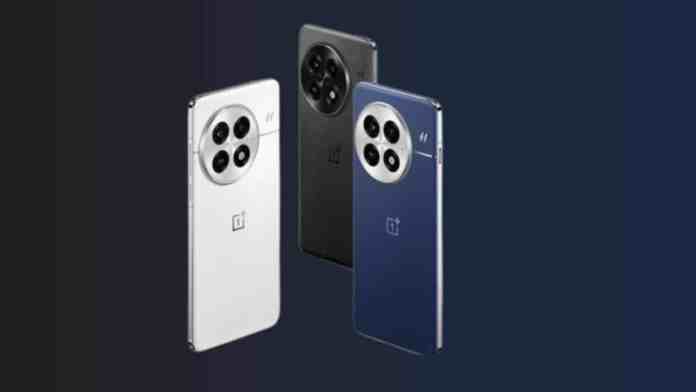
Imagine a smartphone that doesn’t demand a nightly plug-in. This vision is moving closer to reality as major manufacturers push battery capacities to unprecedented levels. According to industry leaks, brands like Realme and Oppo are deep in development on devices featuring massive 7000mAh and 8000mAh batteries. This potential leap forward could fundamentally reshape our relationship with mobile devices, prioritizing endurance over constant recharging.

Beyond the Power Bank: The New Battery Arms Race

For years, smartphone design has involved a delicate compromise between slim form factors and battery life. Consequently, users have grown accustomed to carrying power banks or seeking out outlets. However, a shift is underway. Building on this, tipsters like Digital Chat Station on Weibo suggest that the industry is preparing to break the 6000mAh ceiling that has defined the upper limit for mainstream devices.

This means that the focus keyword, Realme Oppo 8000mAh battery technology, isn’t just a rumor—it’s a targeted engineering challenge. Realme is reportedly testing prototypes with a colossal 8000mAh cell, while sister brands are exploring the 7000mAh territory. Therefore, the era of the two-day or even three-day smartphone may be dawning.

Not Just Bigger, But Smarter: Design and Tech Integration

A common concern with larger batteries is increased bulk and weight. Thankfully, advancements in battery chemistry and energy density are mitigating this issue. In other words, future phones won’t necessarily be bricks. Instead, they will house more powerful cells within sleek, contemporary designs that don’t sacrifice aesthetics for endurance.

Furthermore, the innovation isn’t stopping at capacity. Realme is said to be experimenting with pairing a 7000mAh battery with blistering 120W fast charging. Similarly, a 7500mAh variant might support 100W charging. This dual approach ensures that when you do need to recharge, it will be remarkably quick, turning minutes of charging into hours of use. For more on how fast charging is evolving, check out our guide on the future of smartphone power.

The 2025 Mid-Range Revolution

Perhaps the most exciting aspect is where these technologies might land. Supply chain whispers indicate that 2025 could see a trickle-down effect. As a result, mid-range smartphones may become the unexpected heroes, potentially offering packages that include:

  • 7000mAh+ battery capacities
  • High-resolution 2K displays from Samsung
  • Advanced ultrasonic fingerprint sensors

These features, once exclusive to premium flagships, could redefine value in the competitive mid-tier segment. This strategy makes high-end endurance and performance accessible to a much broader audience.

What This Means for the Everyday User

So, what does the pursuit of a Realme Oppo 8000mAh battery phone mean for you? Primarily, it signals a move towards convenience and reliability. Heavy users—gamers, content creators, and frequent travelers—stand to benefit immensely. The anxiety of a dying battery during a commute, trip, or important work task could become a relic of the past.

On the other hand, it’s crucial to maintain realistic expectations. Sources caution that these ultra-high-capacity batteries are still in the testing phase. While they are coming, a commercial release might not be immediate. Patience will be key as engineers refine the technology for safety, longevity, and mass production.

The Competitive Landscape Heats Up

Realme and Oppo are not operating in a vacuum. This development is part of a broader industry trend where endurance is becoming a key battleground. Other manufacturers are also rumored to be working on similar projects, indicating a collective push towards eliminating the smartphone’s last great limitation: power.

This competition is ultimately beneficial for consumers. It accelerates innovation and drives features down to more affordable price points. To understand how battery tech fits into broader smartphone trends, explore our analysis on 2025’s most anticipated mid-range features.

In conclusion, the horizon is bright for smartphone battery life. The reported work by Realme and Oppo on 7000mAh and 8000mAh batteries represents more than a spec sheet upgrade; it’s a step towards genuine freedom from the charger. As these technologies mature and reach the market, our daily routines and device dependency are poised for a significant, and very welcome, change.

Continue Reading
Click to comment

Leave a Reply

Your email address will not be published. Required fields are marked *

How To

Download Music from YouTube: 4 Safe Methods for 2025

Published

on

Download Music from YouTube: 4 Safe Methods for 2025

Ever found the perfect song on YouTube, only to lose it when your internet drops? You’re not alone. Millions want to save their favorite tracks for offline listening, whether for a road trip, workout, or just to avoid data charges.

The good news? Several reliable methods exist in 2025. The bad news? Not all are created equal. Some are perfectly legal, while others walk a gray line. Let’s break down your options, from the official subscription service to free desktop tools and quick online converters.

The Official Route: YouTube Music Premium

Think of YouTube Music Premium as the concierge service for music downloads. It’s the only method fully endorsed by YouTube itself. For about $10 a month, you get ad-free listening and the ability to save songs directly within the app.

Here’s how it works. Download the YouTube Music app, find your song, and tap the download arrow. Want an entire playlist? Tap the three dots and select “Download.” The process is seamless and integrated.

The catch? Your downloaded library lives inside the app. You can’t transfer MP3 files to other music players or share them freely. The music also stops if your subscription lapses. It’s a rental service, not a purchase.

Still, for pure convenience and guaranteed quality, it’s hard to beat. You get high-fidelity audio, perfect syncing across devices, and complete peace of mind regarding copyright.

Desktop Power: 4K Video Downloader

Prefer having actual files on your computer? 4K Video Downloader is a veteran in this space. This free software for Windows, Mac, and Linux converts YouTube videos to audio files you can store anywhere.

Using it is straightforward. Copy a YouTube link, paste it into the program, and choose “Extract Audio.” Select MP3 or M4A format, pick your quality, and hit download. The interface is clean and surprisingly ad-free for a free tool.

Its strength lies in batch processing. Saving a 50-song playlist? You can queue them all at once. The software handles the rest while you work on something else.

A word of caution: only download content you have rights to. Using it for copyrighted commercial music without permission violates YouTube’s Terms of Service. Many creators share music under Creative Commons licenses—those are fair game.

MediaHuman: A Simple Alternative

MediaHuman YouTube Downloader offers similar functionality with a slightly different interface. It’s also free and supports multiple operating systems. The process is nearly identical: paste link, choose audio, download.

Some users find MediaHuman’s design more intuitive. It clearly separates audio and video options, reducing confusion. Like 4K Video Downloader, it’s best suited for personal, legal use of non-copyrighted material.

The Quick Fix: Online Converters

Don’t want to install software? Online converters like Dirpy, Loader.to, or Ontiva work directly in your browser. Just paste a YouTube URL, choose MP3, and download the converted file. It’s temptingly simple.

But here’s the reality. These sites often survive on intrusive ads. Some might even host malware. The service can disappear overnight, taking your download history with it.

If you go this route, use a robust ad-blocker and updated antivirus. Never enter personal information. Treat these sites as temporary solutions for one-off downloads, not your primary method.

Staying Safe and Legal

Downloading music isn’t inherently wrong, but context matters. Always check a video’s license. Look for “Creative Commons” in the description. Many independent artists allow downloads to promote their work.

Avoid tools that promise to bypass YouTube’s encryption or download paid content. These often contain malware. Stick to reputable software from official websites.

Your best bet for regular use? YouTube Music Premium for guaranteed legality and quality. For occasional, legal downloads of permitted content, trusted desktop software works well. Online converters should be your last resort, used with extreme caution.

The right method depends on your needs. Want hassle-free, all-you-can-listen access? Go premium. Need actual files for a specific project? Use desktop software responsibly. Just remember: respecting creators’ rights ensures music keeps being made for everyone to enjoy.

Continue Reading

How To

WhatsApp End-to-End Encrypted Backup: Complete Setup Guide for Android & iOS

Published

on

WhatsApp End-to-End Encrypted Backup: Complete Setup Guide for Android & iOS

Think about what’s in your WhatsApp chats. Personal conversations, family photos, sensitive information—it’s a digital diary of your life. While WhatsApp protects messages in transit with end-to-end encryption, your backups have traditionally been the weak link. That’s changing with encrypted backups, a feature many users overlook but everyone should enable.

Why Your WhatsApp Backup Isn’t as Secure as You Think

WhatsApp’s standard encryption is impressive. Messages are scrambled on your device and only unscrambled on the recipient’s device. Servers can’t read them. But here’s the catch: when you back up to Google Drive or iCloud, that protection often disappears.

Your chat history sits in cloud storage as readable data. If someone accesses your Google or Apple account, they can download your entire WhatsApp history. It’s like having a secure vault but leaving the blueprints on your front porch.

End-to-end encrypted backup solves this. It wraps your backup in an additional layer of encryption that even WhatsApp can’t bypass. Only you hold the key—literally.

How WhatsApp’s Encrypted Backup Actually Works

The system is elegantly simple. When you enable the feature, WhatsApp generates a unique encryption key. You protect this key with a password of your choosing. This password never leaves your device and isn’t stored by WhatsApp, Google, or Apple.

Your backup gets encrypted locally before uploading to the cloud. The cloud services receive what looks like random data. Without your specific password, that data remains gibberish forever. Not even a court order could force WhatsApp to decrypt it—they physically can’t.

The Critical Password Warning

This power comes with responsibility. Lose your password, and you lose your backup. WhatsApp has no recovery mechanism. There’s no “forgot password” option. Your backup becomes permanently inaccessible.

This isn’t a design flaw—it’s intentional. Any recovery method would create a vulnerability. The trade-off is absolute security versus convenience. You must remember or securely store that password.

Enabling Encrypted Backup on Android: Step-by-Step

Open WhatsApp and tap the three dots in the top-right corner. Select “Settings,” then “Chats,” followed by “Chat backup.” You’ll see “End-to-end encrypted backup” as an option.

Tap “Turn on.” WhatsApp will prompt you to create a password. Make it strong—mix uppercase, lowercase, numbers, and symbols. Avoid personal information like birthdays. Confirm the password, and the encryption process begins.

The first backup after enabling encryption will take longer. WhatsApp must encrypt your entire chat history before uploading. Subsequent backups only encrypt new data.

Android Security Enhancements

While you’re securing your backup, strengthen your overall setup. Enable two-factor authentication on your Google account. Use a secure screen lock—pattern, PIN, or biometric. Keep WhatsApp updated through the Play Store.

These layers work together. Even if someone bypasses your phone’s lock screen, they still need your backup password to access your chat history in the cloud.

Enabling Encrypted Backup on iPhone: Step-by-Step

The process is similar on iOS. Open WhatsApp and tap “Settings” in the bottom-right corner. Select “Chats,” then “Chat Backup.” You’ll find “End-to-End Encrypted Backup” near the bottom.

Tap “Turn On” and create your password. The same rules apply—make it strong, make it unique, and remember it. Confirm to start encryption.

iPhone users should note: encrypted backups count against your iCloud storage. The encryption adds minimal overhead, but it’s worth checking your storage if you’re near the limit.

iOS Security Best Practices

Turn on two-factor authentication for your Apple ID. It’s in Settings > [Your Name] > Password & Security. Use Face ID or Touch ID for device access. Regularly update iOS—security patches matter.

Consider your iCloud security holistically. Your WhatsApp backup is only as secure as your Apple account. Strong, unique passwords for both create a formidable defense.

Crafting an Unbreakable Backup Password

What makes a good password? Length and complexity. Aim for at least 12 characters. Use a memorable phrase with substitutions: “Coffee@8amEveryDay!” works better than “password123.”

Don’t reuse passwords from other services. If another site gets breached, attackers might try that password on your WhatsApp backup. Use a password manager if you struggle with memorization.

Write it down if you must—but store that paper securely. A locked drawer beats a sticky note on your monitor.

Is Your Backup Already Encrypted? Check Now

Unsure about your current setup? The check is simple. Navigate to WhatsApp Settings > Chats > Chat Backup. Look for “End-to-end encrypted backup.” If it says “On,” you’re protected. If “Off,” you’re vulnerable.

Another clue: unencrypted backups restore almost instantly during device setup. Encrypted backups require password entry, adding a security step. That extra step is your privacy working.

Beyond Backups: Daily WhatsApp Security Habits

Encrypted backups are crucial, but they’re part of a larger picture. Be wary of suspicious links, even from known contacts—accounts get compromised. Don’t share verification codes with anyone, ever.

Regularly review active sessions in WhatsApp Settings > Linked Devices. Remove old computers or tablets you no longer use. Exit groups that share questionable content.

Update WhatsApp promptly. Those “bug fixes and performance improvements” often include security patches. Automatic updates ensure you’re always protected.

Your WhatsApp conversations deserve the same privacy whether they’re on your phone or in the cloud. Encrypted backup closes the last major vulnerability in WhatsApp’s security model. It takes five minutes to set up but provides permanent peace of mind. In a world where digital privacy feels increasingly rare, taking control of your data has never been more important.

Continue Reading

How To

Samsung Galaxy F14 5G India Launch Imminent: Full Specs, Expected Price, and Key Details

Published

on

Samsung Galaxy F14 5G India Launch Imminent: Full Specs, Expected Price, and Key Details

The Indian smartphone market is about to welcome a new contender in the budget 5G segment. Samsung has officially confirmed the imminent arrival of the Samsung Galaxy F14 5G, setting the stage for its unveiling on March 24th. This launch follows closely on the heels of the company’s recent releases, the Galaxy A54 and Galaxy A34, signaling a strong push to capture value-conscious consumers seeking next-generation connectivity.

While numerous leaks have painted a picture of the device, the official teaser finally provides a concrete timeline. For potential buyers, this means the wait for an affordable 5G option from a trusted brand is nearly over. Let’s break down everything we know so far about this upcoming smartphone.

Official Launch Date and Display Features

Samsung has scheduled the Galaxy F14 5G launch for March 24th, with proceedings starting at 12 PM IST. This strategic move places the device directly in the spotlight of the competitive sub-₹15,000 market.

Regarding its display, reports suggest the phone will feature a sizable 6.6-inch screen with Full HD+ resolution. To ensure durability, the panel is expected to be shielded by Corning Gorilla Glass 5, offering protection against everyday scratches and minor impacts. However, it appears the device may forgo a high refresh rate, focusing its value proposition on core performance and battery life instead.

Performance and Software Promise

At the heart of the Galaxy F14 5G is the Exynos 1330 processor. This chipset is designed to handle everyday tasks and provide a decent gaming experience for popular titles. More importantly, it brings 5G connectivity to the budget segment, with support for up to 13 different 5G bands, ensuring wide network compatibility across India.

The phone will run Android 13 out of the box, overlaid with Samsung’s One UI 5.0. A significant commitment from Samsung is the promised software support: two generations of Android OS upgrades and four years of security updates. This long-term support is a crucial advantage, offering peace of mind and extended device longevity—a feature often missing in this price range. For more on Samsung’s update policy, check our guide on understanding Android updates.

Battery and Camera Specifications

One of the most talked-about features is the massive 6000mAh battery. Samsung claims this powerhouse can deliver up to two days of usage on a single charge, a major selling point for heavy users. Complementing this large capacity is 25W fast charging, which should help reduce downtime significantly.

For photography, the Galaxy F14 5G is rumored to sport a dual-camera system on the back. The primary sensor is a 50MP shooter, accompanied by a 2MP depth sensor for portrait effects. Video recording is capped at Full HD at 30 frames per second. Selfie duties will be handled by a 16MP front-facing camera housed within a waterdrop-style notch.

Memory, Storage, and Other Features

The device is expected to come with 6GB of RAM, which can be virtually expanded using Samsung’s RAM Plus technology. Internal storage is set at 128GB, providing ample space for apps, photos, and media. Other standard features include a side-mounted fingerprint sensor for security, dual Nano-SIM support, and a suite of sensors including an accelerometer, gyroscope, and compass.

Expected Price and Color Options in India

The exact pricing remains under wraps, but industry speculation strongly suggests the Samsung Galaxy F14 5G will be positioned aggressively between ₹10,000 and ₹15,000. This would make it one of the most accessible 5G phones from a major brand in the country.

To cater to diverse tastes, the smartphone is anticipated to launch in three color variants: Green, Purple, and classic Black. This price bracket is fiercely contested. Therefore, comparing it with other options like the Infinix Zero 5G will be essential for consumers.

Ultimately, the Samsung Galaxy F14 5G aims to democratize 5G access without compromising on essential features like battery life and software support. Its official launch on March 24th will finally reveal if it has the right combination to become the budget 5G champion Indian users are waiting for.

Continue Reading

Trending