Connect with us

How To

Three new Paramount+ movies worth your time this week (July 6-12)

Published

on

Paramount+ movies this week

Paramount+ is having a busy July — here are three new titles to stream right now

July is shaping up to be a packed month for Paramount+. Between the long-awaited fourth season of Star Trek: Strange New Worlds, the emotional series finale of The Chi, and the live broadcast of Conor McGregor’s return to the Octagon, the platform has something for everyone. But if you’re looking specifically for new movies hitting the service this week (July 6-12), you’re in luck. Here are three fresh arrivals you won’t want to miss.

1. Conor McGregor vs. Michael Chandler — UFC 303 (July 12 on demand)

The biggest fight of the summer lands on Paramount+ the day after its live CBS broadcast. Conor McGregor returns to the UFC after a three-year absence to face Michael Chandler in a welterweight bout that’s already generating massive buzz. The event airs live on CBS on July 11, then becomes available on demand on Paramount+ starting July 12.

This isn’t just a fight — it’s a cultural moment. McGregor, the former two-division champion, has been out of the cage since breaking his leg in 2021. Chandler, a former Bellator champion, has been calling him out for years. The stakes are high, the trash talk has been relentless, and the production value from the UFC promises to be top-tier. If you missed the live broadcast, this on-demand version is the next best thing.

2. Star Trek: Strange New Worlds — Season 4 premiere (July 10)

Yes, it’s a TV series, but the premiere episode of Season 4 of Strange New Worlds is essentially a feature-length event. The show has become a fan favorite for its blend of classic Star Trek episodic storytelling with modern serialized arcs. Season 4 picks up after the cliffhanger of Season 3, which saw Captain Pike (Anson Mount) and the crew of the USS Enterprise facing a new existential threat from the Gorn.

Early reviews suggest this season leans even harder into character-driven drama while delivering the kind of space spectacle that made the franchise iconic. If you’re a Star Trek fan who hasn’t caught up yet, now’s the perfect time to binge Seasons 1-3 before the new episodes drop.

3. The Chi — Series finale (July 27, but the final episodes start this week)

Lena Waithe’s acclaimed Chicago drama The Chi is coming to an end after six seasons. The final batch of episodes begins streaming this week, building toward the series finale on July 27. The show has been praised for its authentic portrayal of life on the South Side of Chicago, its ensemble cast, and its willingness to tackle tough social issues without losing its heart.

The final season has been described by critics as a satisfying conclusion that honors the characters and the community. If you’ve been following the show, this is the week to start watching the endgame. If you’re new, the first five seasons are all available on Paramount+ for a full binge.

What else is coming to Paramount+ in July?

Beyond this week’s highlights, July has more in store. The platform is also adding Mission: Impossible — Dead Reckoning Part One later in the month, along with a new documentary series about the making of Top Gun: Maverick. For sports fans, the UEFA Champions League final replay will also be available.

Paramount+ is clearly betting big on exclusive content this summer. Whether you’re into sci-fi, drama, or combat sports, there’s enough variety to keep you busy through the heat of July.

How to watch: Paramount+ plans and pricing

If you’re not already subscribed, Paramount+ offers two tiers: the ad-supported Essential plan at $5.99/month, and the ad-free Premium plan at $11.99/month. The Premium tier also includes access to your local CBS station live, which is how you can watch the McGregor fight on July 11. All plans include a 7-day free trial for new subscribers.

For the best experience with the UFC event, make sure your internet connection is stable — live sports streaming can be demanding. And if you’re planning to binge Strange New Worlds or The Chi, the Premium tier’s lack of ads makes for a smoother viewing experience.

Final thoughts: A strong week for Paramount+

This week’s lineup shows that Paramount+ is serious about competing with the bigger streaming services. A major UFC comeback, a beloved sci-fi franchise, and the end of a critically acclaimed drama — all in one week. That’s a solid value proposition for any cord-cutter.

If you only pick one thing to watch, go with the Strange New Worlds premiere. It’s the kind of event television that reminds you why streaming can still feel special. But don’t sleep on the McGregor fight — it’ll be the most talked-about sporting event of the month, and having it on demand the next day is a nice perk.

Continue Reading
Click to comment

Leave a Reply

Your email address will not be published. Required fields are marked *

Social Media

How to Reserve and Change Your WhatsApp Username: A Step-by-Step Guide

Published

on

WhatsApp username

What Is the WhatsApp Username Feature?

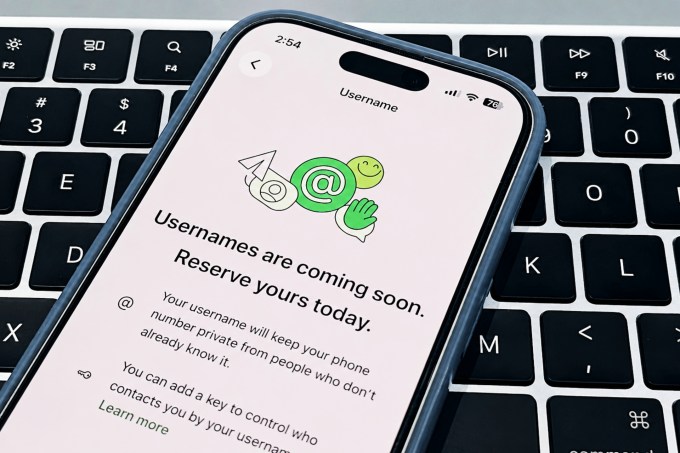
In early June, WhatsApp began rolling out username reservations for its massive user base of 3 billion people. The feature isn’t active yet — you can’t message someone using just a username right now. But you can claim your handle early, so when it goes live later this year, you’re ready.

Why does this matter? Usernames let you share a contact without handing over your phone number. Think about it: you meet someone at a conference, or you’re a small business owner posting on social media. Instead of typing out a 10-digit number that could get scraped by bots, you just say, “Find me on WhatsApp as @YourName.” That’s a big win for privacy.

How to Reserve Your WhatsApp Username

Reserving a username takes about 30 seconds. Here’s the exact path:

  1. Open WhatsApp and go to Settings.
  2. Tap Account, then look under the “Your Account” section for the Username option.
  3. If this is your first time, you’ll see a “Create username” button. Tap it and type your desired handle.
  4. If the name you want is taken, tap Suggest a username. WhatsApp will offer variations that are still available.

One catch: WhatsApp is reserving certain usernames of public figures and major entities. So don’t expect to snag @elonmusk or @nike. If you already have a username on Facebook or Instagram, you can log in through either service and claim the same handle on WhatsApp — a neat cross-platform trick.

How to Change or Delete Your WhatsApp Username

Changed your mind? No problem. Go back to Settings > Account > Username. In the top-right corner, tap the Edit button. You can type a new name or simply delete your username entirely if you decide you don’t want one.

There’s no limit on how many times you can change it — at least not yet. Just remember that once the feature goes live, your contacts will see whatever username you’ve set. So pick something you’re comfortable with.

Extra Privacy: The Username Key

WhatsApp isn’t stopping at just hiding your phone number. They’ve added an optional layer of protection called the username key.

From the username menu, you can restrict who can contact you. The default is Everyone — anyone who knows your username can message you. But you can switch it to People who know my key. Here’s how it works:

  • You share your username and a unique four-digit key.
  • When someone messages you for the first time, they must enter that key.
  • You can save the key or generate a new one at any time.

This is a smart middle ground. You get the convenience of a username without spam. Think of it like a PIN for your inbox.

When Will the Feature Go Live?

WhatsApp says the username feature will become active “in the coming weeks.” For now, they’re only letting people claim names to prevent a land grab later. If you want your handle, grab it now. Waiting until launch day might leave you with @user928374 instead of something clean.

Once it’s live, expect more updates — possibly group chat usernames or the ability to search for people by username. For now, just reserve, relax, and keep an eye on your settings.

Continue Reading

How To

You’re using VLC wrong if you’ve never opened this menu

Published

on

VLC advanced settings

VLC’s secret weapon: the advanced preferences menu

You’ve used VLC for years. Maybe you’ve recorded a screen, streamed a video, or converted a file. But there’s a hidden layer of settings that most people never touch. It’s called the advanced preferences menu, and it changes everything.

To get there, press Ctrl+P (or Cmd+P on a Mac) to open the standard preferences. Then, in the bottom-left corner, you’ll see a tiny toggle button labeled “All” or “Simple” — click it to switch to All settings. The menu explodes. Suddenly you have dozens of categories: Audio, Video, Subtitles, Input/Codecs, Interface, and more.

This is where VLC becomes a power tool. Most users never see this screen. They’re missing out.

What you can actually do from the advanced menu

Fine-tune audio and video filters

Under Video > Filters, you can enable deinterlacing, post-processing, or even a logo overlay. The audio section lets you apply equalization, compression, and spatializer effects. These aren’t gimmicks — they genuinely improve playback quality for certain files.

Control subtitle appearance like a pro

In Subtitles > Text renderer, you can change font, size, color, and even add a background. This is a lifesaver for anyone who watches foreign films with hard-to-read subtitles. You can also set a default encoding (like UTF-8) so subtitles never show garbled characters again.

Speed up or slow down playback with precision

Under Input/Codecs, you’ll find Playback speed settings. You can set a default speed, or use hotkeys (like [ and ]) to adjust on the fly. This is perfect for lecture videos or podcasts you want to skim through quickly.

The “Expert controls” tab: hidden power for advanced users

One of the most underused features is the Expert controls tab, found under Interface > Main interfaces. Check the box for Expert controls, restart VLC, and a new toolbar appears. It gives you direct access to frame-by-frame playback, snapshot settings, and media information with detailed codec data.

This is where you can really dig into a video file. Want to know the exact bitrate, resolution, or audio codec? It’s all there. No need for third-party tools.

Save your custom settings as a profile

Once you’ve tweaked everything to your liking, you can save the entire configuration as a profile. Go to Interface > Main interfaces > Lua and look for the Save configuration button. Or just export the current settings file from the Preferences window by clicking Save at the bottom. This is a huge time-saver if you use VLC on multiple computers.

You can also create keyboard shortcuts for almost any action. Under Interface > Hotkeys, you’ll find a massive list of commands. Assign your own shortcuts for things like increase volume, next frame, or toggle playlist. It’s like building your own custom remote control.

Why VLC’s advanced menu matters more than ever

VLC has been around for over two decades. Its humble interface may not give you many clues, but the app is incredibly capable. The advanced settings menu is the gateway to that power. If you’ve never opened it, you’re using VLC wrong.

Take five minutes. Press Ctrl+P, click All, and explore. You’ll find tools you didn’t know existed — and you’ll never go back to the simple view again.

Continue Reading

How To

Troubleshoot a Slow iPad: Simple Fixes to Restore Speed and Performance

Published

on

Troubleshoot a Slow iPad: Simple Fixes to Restore Speed and Performance

Is your iPad feeling sluggish? You are not alone. Many users experience slowdowns during daily tasks like browsing, streaming, or switching between apps. Instead of rushing to buy a new device, you can troubleshoot a slow iPad with a few straightforward steps. This guide will walk you through the most effective methods to restore smooth operation and extend your device’s lifespan.

Why Your iPad Might Be Running Slowly

Several factors can cause an iPad to lag. Common culprits include insufficient storage space, outdated software, too many background apps, or a weak internet connection. Identifying the root cause is the first step in the troubleshooting process.

For instance, when your storage is nearly full, the system struggles to manage temporary files. Similarly, an old version of iPadOS may lack performance optimizations found in newer updates. By addressing these issues, you can often see immediate improvement.

Clear Storage Space to Boost Performance

One of the quickest fixes is freeing up storage. Go to Settings > General > iPad Storage. Here, you will see a breakdown of what is taking up space. Look for large, unused apps, old messages, or cached data from streaming services.

Delete apps you no longer use. Offload unused apps automatically via Settings, which removes the app but keeps its documents and data. Also, clear Safari’s cache by going to Settings > Safari > Clear History and Website Data. This simple act can dramatically speed up browsing.

For a deeper cleanup, consider moving photos and videos to cloud storage like iCloud or Google Photos. Removing old podcasts and downloaded music also helps. Aim to keep at least 1–2 GB of free space for optimal performance.

Update iPadOS and Apps Regularly

Outdated software is a major cause of slowdowns. Apple releases updates that fix bugs and improve efficiency. To check, go to Settings > General > Software Update. Install any available updates.

Similarly, update your apps. Open the App Store, tap your profile icon, and scroll to see pending updates. Tap “Update All” to ensure compatibility with the latest iPadOS. Outdated apps can drain resources and cause crashes.

This step is essential when you troubleshoot a slow iPad, as many performance issues stem from software conflicts.

Manage Background Activity and Visual Effects

Background app refresh and visual effects can slow down older iPads. To disable background refresh, go to Settings > General > Background App Refresh and turn it off for non-essential apps. This saves battery and processing power.

Reduce motion effects by enabling Settings > Accessibility > Motion > Reduce Motion. This stops parallax wallpaper and other animations. Additionally, turn off automatic downloads for music, apps, and books under Settings > App Store.

Another tip: close unused apps by swiping up from the bottom of the screen and swiping away app cards. While iPadOS manages memory well, manually closing heavy apps like games or video editors can free up RAM temporarily.

Check Internet Connection and Reset Settings

A slow internet connection can make your iPad feel unresponsive. Test your Wi-Fi by visiting a website on another device. If the connection is weak, restart your router or forget and rejoin the network.

If nothing else works, try resetting your iPad’s settings. Go to Settings > General > Transfer or Reset iPad > Reset > Reset All Settings. This will not delete your data but will restore network, keyboard, and privacy settings to default. It often resolves mysterious slowdowns.

As a last resort, back up your iPad and perform a factory reset. This wipes everything clean, giving you a fresh start. Restore from your backup afterward, but only if the slowdown persists after all other steps.

For more tips on maintaining your device, see our guide on how to clean iPad storage effectively. You can also explore iPad battery saving tips to improve overall performance.

When to Consider a New iPad

If you have tried all these steps and your iPad remains slow, it may be time to upgrade. Older models, like the iPad Air 2 or iPad mini 4, may not support the latest iPadOS features. However, for most users, these simple fixes can breathe new life into an aging device.

Remember, regular maintenance is key. Set a monthly reminder to check storage, update software, and review background settings. This proactive approach will keep your iPad running smoothly for years.

By following this guide, you can effectively troubleshoot a slow iPad and avoid unnecessary expenses. Start with the basics and work your way up—you might be surprised at how much faster your device becomes.

Continue Reading

Trending