Connect with us

Artificial Intelligence

Tubi Becomes First Streaming Platform to Integrate with ChatGPT for Instant Movie Discovery

Published

on

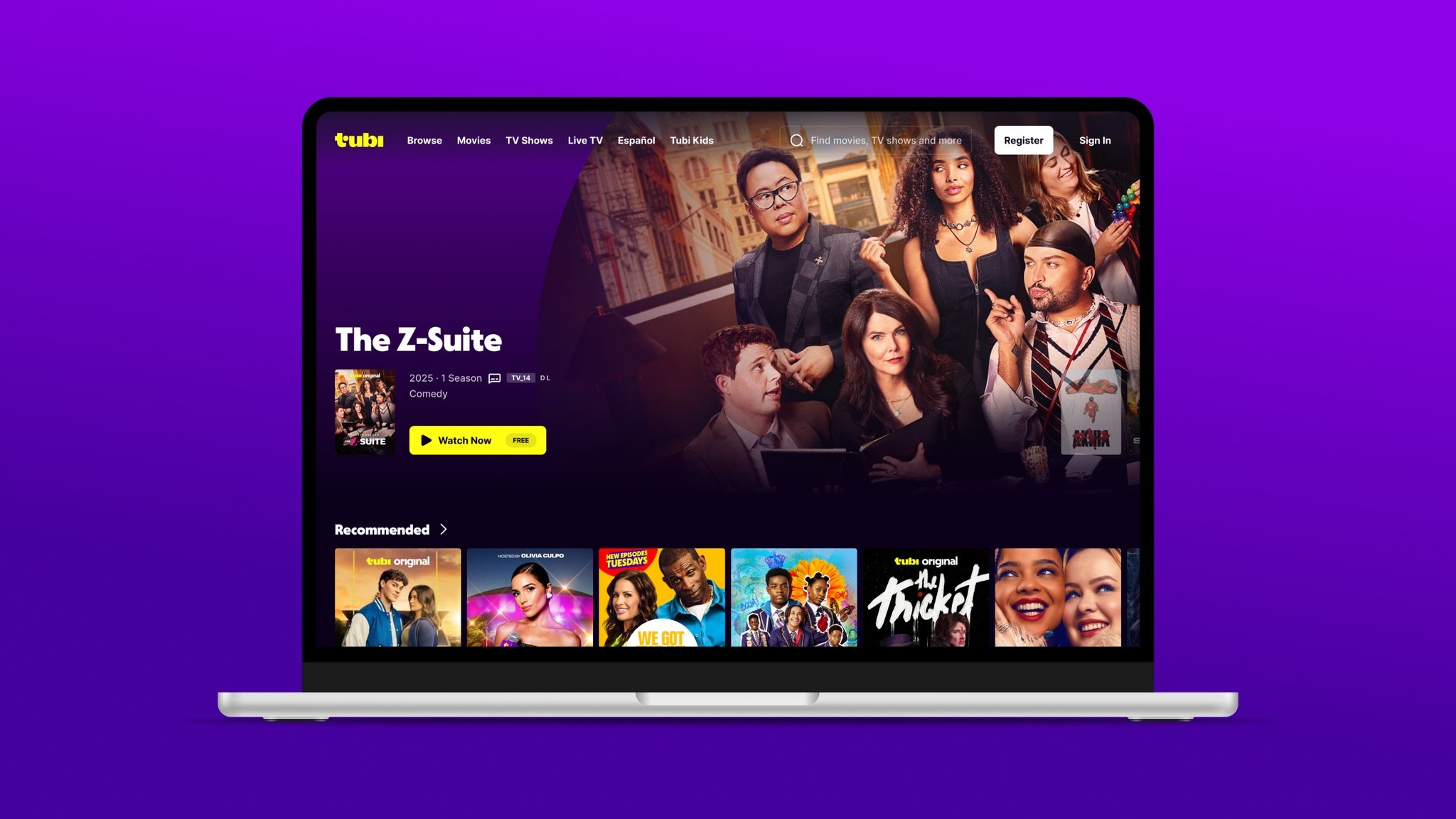
The endless scroll through streaming catalogs searching for the perfect movie or show has become a modern frustration. However, Tubi has just introduced a revolutionary solution that transforms how we discover entertainment content.

As the first streaming platform to join ChatGPT‘s app ecosystem, Tubi now allows users to receive personalized recommendations and begin streaming content without ever leaving the chat interface. This groundbreaking Tubi ChatGPT integration represents a significant shift in how we interact with streaming services.

Setting Up the Tubi ChatGPT Integration

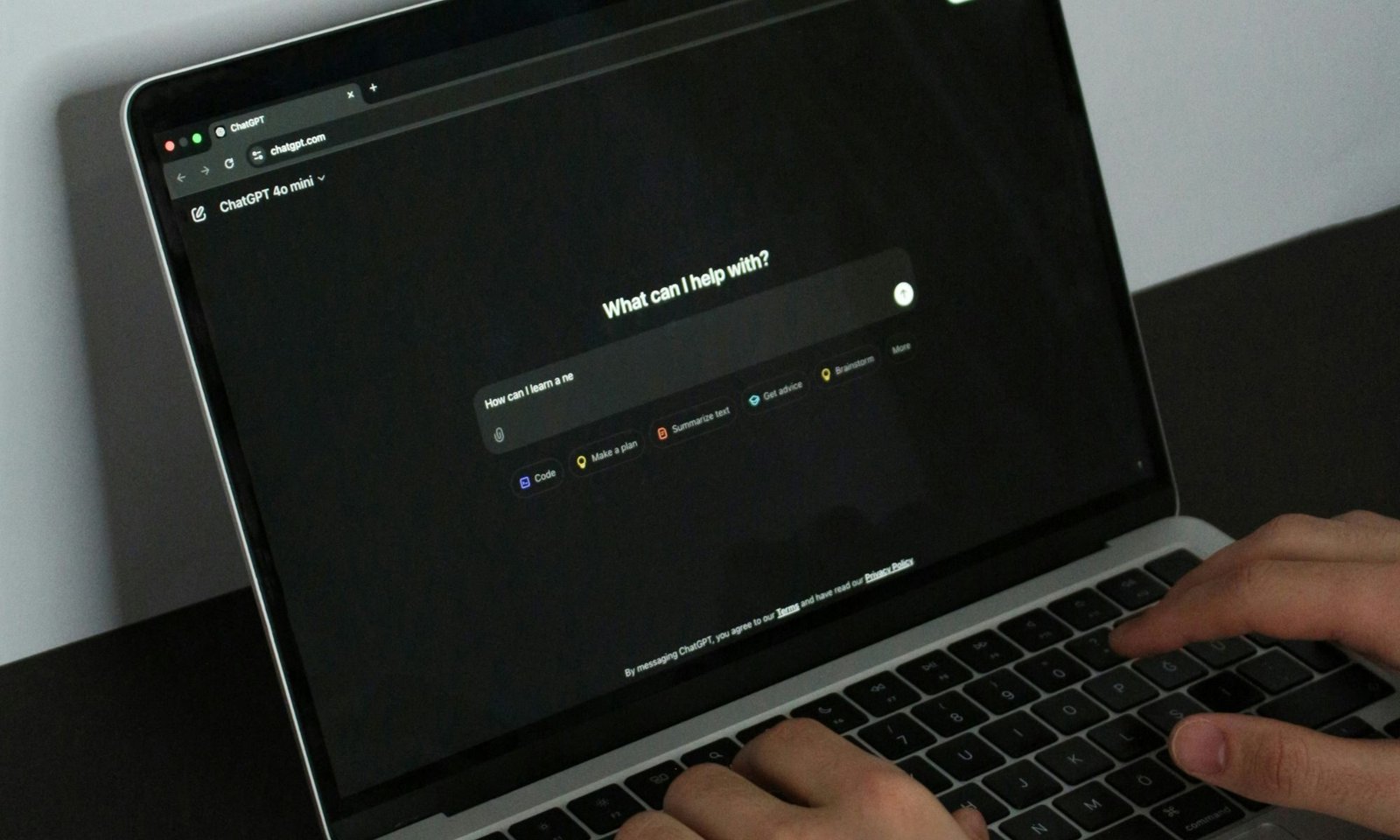
Getting started with this new feature requires just a few simple steps. On desktop computers, users need to navigate to the “Apps” section within ChatGPT’s sidebar, search for Tubi, and establish the connection. Mobile users can access the same functionality by tapping the plus button near the prompt area, selecting “Explore Apps,” and connecting to Tubi.

Once the connection is established, users can initiate requests in two ways: typing @Tubi directly or beginning messages with phrases like “Using Tubi, recommend…” followed by their specific preferences. This streamlined approach eliminates the traditional browsing experience entirely.

How ChatGPT Enhances Tubi Movie Discovery

The beauty of this system lies in its flexibility and precision. Users can craft requests ranging from broad categories like “underrated comedy films” to highly specific queries about particular actors, genres, or themes. The AI processes these requests against Tubi’s extensive library and delivers curated suggestions within moments.

What sets this apart from traditional recommendation engines is the conversational refinement capability. If initial suggestions don’t quite match your mood, you can provide feedback such as “make it scarier” or “suggest something shorter,” and the system will adjust its recommendations accordingly.

This iterative process creates a more personalized viewing experience than static recommendation algorithms typically provide. The more detailed your initial prompt, the more accurate your results will be.

Seamless Transition from Recommendation to Viewing

Perhaps the most impressive aspect of the Tubi ChatGPT integration is its seamless viewing experience. When users identify content they want to watch, a “Watch on Tubi” button appears directly within the chat interface. Clicking this button launches the Tubi application and immediately begins playback of the selected content.

This eliminates multiple friction points in the traditional streaming experience: searching within the app, scrolling through results, and navigating to the correct title. Instead, users move from discovery to viewing in a single click.

The integration also supports follow-up conversations, allowing users to discuss the recommended content or request additional suggestions based on their viewing history within the same chat session.

The Growing ChatGPT App Ecosystem

Since launching its app marketplace in December, ChatGPT has been expanding its ecosystem to include various popular platforms. Current integrations include Apple Music, Zillow, Spotify, and Canva.

Tubi’s position as the first streaming service to join this ecosystem gives it a significant first-mover advantage. This integration demonstrates how AI can enhance content discovery beyond simple keyword matching or viewing history analysis.

The success of this partnership likely influences other major streaming platforms. Services like Netflix, Disney Plus, and others may soon develop similar integrations to remain competitive in the evolving streaming landscape.

Implications for the Future of Streaming

This development signals a broader trend toward AI-assisted content discovery. Traditional browsing methods often leave users overwhelmed by choice, leading to decision fatigue and abandoned viewing sessions. Conversational AI addresses this problem by understanding context and nuance in ways that traditional recommendation systems cannot.

The Tubi ChatGPT integration also represents a shift toward more interactive streaming experiences. Rather than passively consuming recommendations generated by algorithms, users can engage in dynamic conversations about their preferences and receive increasingly refined suggestions.

As this technology matures, we can expect to see more sophisticated features, such as mood-based recommendations, group viewing suggestions, and even real-time content analysis based on current events or trending topics.

The integration of streaming services with conversational AI platforms marks the beginning of a new era in entertainment discovery, one where finding the perfect movie or show becomes as simple as having a conversation.

Continue Reading
Click to comment

Leave a Reply

Your email address will not be published. Required fields are marked *

Artificial Intelligence

The AI Paradox: Why Gen Z Embraces Artificial Intelligence Daily Yet Grows Increasingly Skeptical

Published

on

The AI Paradox: Why Gen Z Embraces Artificial Intelligence Daily Yet Grows Increasingly Skeptical

A strange contradiction defines the relationship between Gen Z AI skepticism and their daily habits. While more than half of Americans aged 14 to 29 use generative AI regularly, a profound wave of doubt is washing over this digital-native generation. According to a major new survey, the initial thrill is fading fast, replaced by anxiety, anger, and a critical eye toward the future.

The Fading Hype: From Excitement to Apprehension

Recent data paints a clear picture of shifting sentiment. A collaborative study by Gallup, the Walton Family Foundation, and GSV Ventures, involving over 1,500 young people, reveals a significant downturn in optimism. In just one year, excitement for AI plunged by 14 percentage points. Hopefulness fell by nine points. Today, only 18% of Gen Zers say AI makes them feel hopeful, and a mere 22% report feeling excited by it.

This means that a staggering 42% now feel anxious about artificial intelligence, with 31% expressing outright anger. The trend is unmistakable: familiarity is breeding contempt, not comfort. Building on this, the most surprising finding may be that even daily users—the group once assumed to be AI’s biggest champions—are losing faith. Among those who interact with AI every day, excitement and hopefulness have dropped 18 and 11 points, respectively.

Roots of Distrust: Fear for the Future Mind

So, what’s driving this growing Gen Z AI skepticism? The core of the issue appears to be cognitive and creative fear. An overwhelming 80% of respondents believe using AI tools will likely make it harder for them to learn in the future. This isn’t a vague worry; it’s a specific concern about the erosion of fundamental human skills.

Furthermore, young people are deeply skeptical of AI’s impact on higher-order thinking. When asked about creativity, 38% said AI would do more harm than good. The number rose to 42% for critical thinking. This suggests Gen Z views AI not just as a tool, but as a potential crutch that could atrophy the very mental muscles needed for innovation and problem-solving. You can read more about the impact of technology on future learning skills in our related analysis.

The Workplace: A Landscape of Risk, Not Reward

The professional arena offers little solace. Among employed Gen Zers, nearly half (48%) believe the risks of AI outweigh the benefits. Only 15% see it as a net positive for their careers. This negative perception has a direct impact on trust. A full 69% stated they trust work done without AI assistance more than work produced with it.

This creates a professional dilemma. On one hand, they distrust the technology’s output and fear its consequences. On the other, they feel compelled to engage with it to remain competitive. The result is a generation entering the workforce with a cautious, even cynical, approach to one of its most disruptive forces.

Navigating the Contradiction: Eyes Wide Open

Despite the rising tide of doubt, Gen Z is not retreating. This is not a Luddite rebellion. In fact, close to half of high school students believe AI skills will be necessary for their future careers. They continue to use the tools, but their engagement is now layered with critical awareness.

Therefore, we are witnessing a maturation of perspective. The generation that grew up online is applying its well-honed digital literacy to AI. They are moving past uncritical adoption toward a more nuanced, and often wary, evaluation. They recognize the utility but refuse to ignore the potential cost. For a deeper look at how this generation is shaping future work trends, explore our dedicated feature.

Ultimately, the story of Gen Z AI skepticism is one of pragmatic engagement. They are the technology’s most frequent users and its most vocal critics. This duality may well define the next era of technological adoption—one where usage does not equate to endorsement, and where the most important skill is knowing both the power and the profound limitations of the tools at our fingertips.

Continue Reading

Artificial Intelligence

OpenAI’s New $100 ChatGPT Tier: A Strategic Shift Toward Premium AI Access

Published

on

OpenAI’s New $100 ChatGPT Tier: A Strategic Shift Toward Premium AI Access

The landscape of generative AI access is undergoing a significant recalibration. OpenAI has unveiled a new $100 monthly subscription tier for ChatGPT, strategically positioned between its existing $20 Plus and $200 Pro offerings. This move is far from a simple price adjustment; it represents a deliberate pivot toward catering to a specific, high-demand segment of the user base. Consequently, the era of one-size-fits-all AI access appears to be fading, replaced by a more nuanced, usage-based model.

Decoding the $100 ChatGPT Plan’s Target Audience

This new tier is not designed for the casual conversationalist or the occasional content brainstorm. Instead, it is engineered explicitly for power users and developers who consistently push the platform’s capabilities to their limits. Building on this, the plan offers substantially higher usage limits, particularly for Codex, OpenAI’s code-generation model. Users can expect approximately five times more capacity than the Plus plan provides, with temporary boosts potentially reaching ten times the standard limit for intensive coding sessions.

Why Heavy Users Are the New Focus

The data driving this strategy is compelling. OpenAI reports that Codex now serves over three million weekly users, a figure that has quintupled in just three months. This explosive growth, characterized by roughly 70% month-over-month expansion, creates a clear economic imperative. Therefore, dedicating a pricing tier to these resource-intensive workflows allows OpenAI to sustainably support the tool’s heaviest consumers without overburdening its infrastructure or diluting performance for lighter users.

A Clear Move Toward Usage-Based AI Pricing

This introduction signals a fundamental shift in how AI services may be monetized going forward. The initial vision of a universally accessible tool is evolving into a tiered ecosystem where computational cost directly correlates with subscription price. As a result, the $100 ChatGPT plan acts as a middle ground, acknowledging that professional and developer needs exist on a spectrum between casual use and enterprise-scale deployment.

In addition to elevated usage caps, the plan grants access to more advanced underlying models, deeper research functionalities, and enhanced tools for orchestrating multi-step, agent-style tasks. This means that for professionals integrating AI into their core workflow, the tier offers a justified step up. For a deeper look at how businesses are integrating these tools, explore our analysis on AI-driven workflow automation.

The Implications for AI Accessibility and Perception

However, this strategic refinement carries broader implications. The democratizing promise of AI now coexists with a reality of graduated access based on financial commitment. When a $100 monthly fee becomes the “mid-tier” option, it inevitably reshapes the public perception of AI from a novel utility into a premium professional tool. This transition mirrors the maturation paths of other transformative technologies, where initial broad access gives way to specialized, value-based pricing.

On the other hand, this model could ensure the long-term viability and continued advancement of these tools. The substantial computational resources required for advanced AI workloads are expensive. A sustainable business model that aligns price with usage helps fund the research and development needed for future breakthroughs. For insights into the future roadmap of these models, consider reading about next-generation AI architectures.

What This Means for the Average User

For the vast majority of users, the existing free and $20 Plus tiers will remain perfectly adequate. The new $100 ChatGPT plan is a niche product for a niche audience. This segmentation is ultimately healthy for the ecosystem, as it prevents power users from consuming disproportionate resources that could degrade the experience for everyone else. Ultimately, the creation of this tier is a sign of the platform’s success and the diverse, demanding ways people are employing it in their professional lives.

Looking ahead, we can anticipate further refinement of this tiered approach. As models grow more capable and use cases more defined, expect to see even more tailored subscription options. The key question will be balancing innovation and accessibility, ensuring that the ladder of AI capability has rungs accessible to all levels of interest and investment.

Continue Reading

Artificial Intelligence

OpenAI Faces Formal Government Investigation Over ChatGPT Security and Harm Concerns

Published

on

OpenAI Faces Formal Government Investigation Over ChatGPT Security and Harm Concerns

A significant regulatory storm has descended upon OpenAI. Just as the company appears to be accelerating toward a potential public offering, it now confronts a formal, high-stakes government investigation. This probe, initiated by Florida Attorney General James Uthmeier, moves beyond theoretical AI ethics debates into concrete allegations concerning national security, data practices, and tangible societal harm.

The Core Allegations Behind the OpenAI Investigation

Attorney General Uthmeier has framed the inquiry in stark terms. Consequently, the state’s demands for answers focus on activities allegedly linked to harming children, endangering citizens, and even facilitating a recent mass shooting. This represents a dramatic escalation from typical tech sector scrutiny. The investigation will reportedly examine whether OpenAI’s technology or the vast datasets powering ChatGPT could be exploited by foreign adversaries or malicious domestic actors.

Building on this, the subpoenas expected to be issued signal that this is a legally binding process, not a voluntary review. Therefore, OpenAI must provide detailed documentation and testimony. The scope suggests authorities are probing a spectrum of potential misuse, from criminal coordination and the generation of unsafe content to concerns about content that could encourage self-harm.

Why the Timing of This Probe Is Critical

This development arrives at a uniquely sensitive moment for OpenAI. On one hand, the company is widely viewed as a prime candidate for an initial public offering (IPO), with speculative valuations reaching astronomical figures. On the other hand, a formal government investigation introduces substantial uncertainty. Regulatory headwinds can directly impact investor confidence, potentially affecting valuation and the timing of any public listing.

In addition, the probe coincides with OpenAI’s aggressive push to integrate its AI models deeper into daily life, from search to enterprise software. Regulatory friction at this juncture could force a strategic recalibration. This means that growth plans and product roadmaps may need to be adjusted to address compliance and legal priorities.

The Broader Implications for the AI Industry

While the immediate target is OpenAI, the ramifications extend across the entire artificial intelligence sector. This investigation could establish a precedent for how state and federal authorities choose to regulate advanced AI systems. When a leading company faces allegations of this magnitude, it inevitably draws a regulatory spotlight onto its competitors and the industry’s standard practices.

As a result, other AI developers are likely reviewing their own safeguards and data governance policies with renewed urgency. The industry has long operated in a rapidly evolving landscape with minimal specific regulation. This probe may signal the end of that period, heralding a new era of structured oversight. For more on evolving AI policy, see our analysis on the future of AI governance.

Potential Outcomes and Next Steps

What happens next? The immediate path involves OpenAI responding to the state’s subpoenas. The company’s cooperation and the evidence uncovered will shape the investigation’s trajectory. Possible outcomes range from a settlement with mandated operational changes to a protracted legal battle. Either scenario would consume significant resources and executive attention.

This situation also raises fundamental questions about accountability in the AI age. Who is responsible when a powerful, general-purpose tool is misused? The investigation will test existing legal frameworks not originally designed for generative AI. The answers could influence not just OpenAI, but how all creators of foundational models manage risk and liability. Learn about emerging AI ethics frameworks being developed in response.

A Turning Point for AI Governance

The Florida Attorney General’s move marks a potential inflection point. It demonstrates that governmental bodies are willing to use existing legal tools to interrogate AI companies’ impact on public safety and national security. This proactive stance suggests that waiting for comprehensive federal AI legislation may no longer be the default regulatory approach.

Ultimately, the OpenAI investigation is more than a corporate story. It is a live case study in the complex collision between breakneck technological innovation and societal protection. The findings and conclusions will be closely watched by policymakers, investors, and the global tech community, setting the tone for AI’s next chapter. For ongoing coverage of tech sector legal developments, visit our tech policy news section.

Continue Reading

Trending