Connect with us

Artificial Intelligence

Google’s Next Chrome Update Brings Gemini AI to Android: A Smarter Browsing Experience

Published

on

Google’s Next Chrome Update Brings Gemini AI to Android: A Smarter Browsing Experience

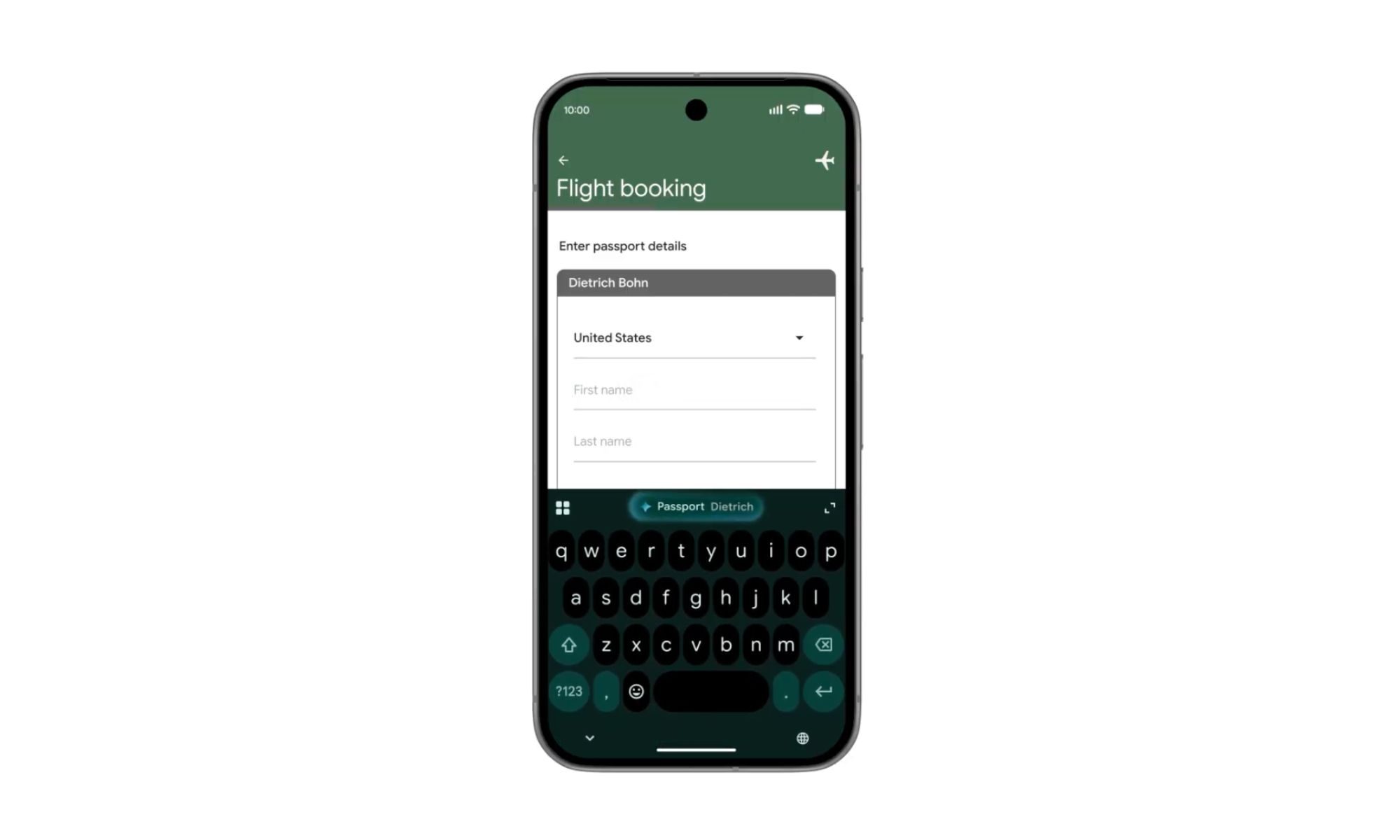
Google is taking a significant leap forward with its Chrome browser on Android, integrating its advanced Gemini AI directly into the browsing experience. This update, rolling out in June, aims to transform Chrome from a simple page viewer into an intelligent assistant that helps you think, plan, and act more efficiently. The Google Chrome AI update is set to redefine how Android users interact with the web, making it more contextual and productive.

What Gemini Brings to Chrome on Android

At the core of this update is a more contextual version of Gemini embedded directly within Chrome. Instead of copying text or switching between apps, users can tap a Gemini icon to ask questions about the current webpage. This feature can break down long articles, simplify complex topics, and provide clearer explanations without leaving the page. It’s a shift toward a more intuitive and helpful browser experience.

Building on this, Google is pushing Gemini into productivity territory. The AI can now connect across Google’s ecosystem, allowing you to add events to your calendar, save recipe ingredients to Keep, or pull specific information from Gmail—all without interrupting your browsing flow. This focus on task completion makes the Google Chrome AI update feel genuinely useful for everyday activities.

Nano Banana: Unleashing Creativity

On the creative side, Google introduces Nano Banana, a feature that lets users generate and personalize visuals based on what they’re viewing online. In educational contexts, it can transform dense text into visual summaries, adapting content to how you prefer to consume it. This addition highlights Google’s commitment to making browsing both productive and engaging.

Furthermore, Chrome on Android is getting an auto-browse feature designed for repetitive tasks. For example, if you’re planning a trip, you can share an event, and Chrome will automatically gather relevant information like parking details. This Android browser feature quietly removes friction from daily browsing, handling tedious bits so you can focus on what matters.

Safety and Security in the AI Era

Google is also prioritizing safety with these new capabilities. The features are built with protections against emerging threats like prompt injection attacks, ensuring the AI isn’t tricked into harmful actions. This focus on security is crucial as AI-powered browsing becomes more integrated into our digital lives.

Additionally, users can expect a seamless experience that respects privacy while delivering powerful assistance. For more on how AI is shaping digital tools, check out our guide on AI productivity tools for everyday tasks.

Rollout and Availability

The rollout begins in June for select Android 12 or newer devices in the US. Auto-browse will initially be limited to AI Pro and Ultra subscribers on supported devices. As this Google Chrome AI update expands, it signals a shift from Chrome being just a browser to a proactive partner in how you get things done online.

To stay ahead of these changes, explore our tips on optimizing Chrome settings for better performance. The future of browsing is here, and it’s designed to help you achieve more with less effort.

Continue Reading
Click to comment

Leave a Reply

Your email address will not be published. Required fields are marked *

Artificial Intelligence

I found these two Prime Day flagship laptop deals for display snobs and practical buyers

Published

on

Prime Day laptop deals

Two flagship laptops, two very different priorities

Amazon Prime Day 2026 is already flooding the front page with discounts. But if you’re shopping for a flagship laptop, the noise gets loud fast. I’ve been scanning the listings all week, and two deals keep rising to the top — not because they’re the cheapest, but because they pass the full checklist: processor, RAM, storage, display quality, seller reputation, and final price.

The Samsung Galaxy Book5 Pro 360 and the Microsoft Surface Laptop are the pair I’d compare before clicking anything else. One is built for people who obsess over screens. The other is for people who just want a reliable, portable machine that works.

Samsung Galaxy Book5 Pro 360: the screen-first flagship

Samsung’s pitch is simple: start with the display, build everything else around it. The Galaxy Book5 Pro 360 packs a 16-inch 3K AMOLED touchscreen with a 120Hz refresh rate, S Pen support, and Dolby Atmos. Inside, there’s an Intel Core Ultra 7 processor, 16GB of RAM, and a 512GB SSD.

Right now, Amazon has it at $1,199.99, which is 40% off the $1,999.99 list price. That’s a steep cut for a 2-in-1 that still feels premium in the hand.

Why the display wins

Our review called the OLED panel excellent — and that’s not hyperbole. Colors pop. Blacks are deep. The 120Hz refresh makes scrolling and inking feel fluid. It’s a convertible, too, so you can fold it into tent, tablet, or presentation mode without adding bulk to your bag. The chassis is thin, reasonably light, and the battery life holds up well for a big-screen 2-in-1.

Where it compromises

No laptop is perfect. The speakers are weak and tinny. The keyboard feels stiff and mushy under your fingers. And if you take this thing outside, the glossy AMOLED screen throws back aggressive reflections. Tablet mode is also awkward — holding a 16-inch screen in your hands isn’t comfortable for long.

So treat this as a display-first buy. If you edit photos, watch movies, or just want a gorgeous canvas for Windows, the screen does the heavy lifting. The rest is good enough.

Microsoft Surface Laptop: the practical clamshell under $1,000

Microsoft’s Surface Laptop takes the opposite approach. It’s a traditional clamshell, no folding tricks, no stylus in the box. But it slips under $1,000 — $984.43, to be exact, down from $1,499.99 (34% off).

This configuration comes with a 13.8-inch touchscreen, a Snapdragon X Plus 10-core processor, 16GB of RAM, and a 512GB SSD. That’s a solid productivity setup for work, school, or travel.

The everyday appeal

The Surface Laptop is smaller and lighter than the Samsung. The keyboard is a genuine pleasure to type on — Microsoft has always done this well. Build quality is tight, battery life is strong, and the footprint fits easily into a backpack or briefcase.

But there’s a catch: Windows on Arm. The Snapdragon chip means some apps won’t run natively. Most common productivity tools work fine, but if you rely on specific legacy software or certain games, check compatibility before you buy. That’s the main thing to verify.

Which Prime Day laptop deal should you buy?

This isn’t a contest with a single winner. It’s about what you need.

  • Choose the Samsung Galaxy Book5 Pro 360 if display quality is your top priority. The 3K AMOLED panel is stunning, the 2-in-1 flexibility is real, and the $1,199 price is fair for a flagship convertible. Just be ready for mediocre speakers and a stiff keyboard.
  • Choose the Microsoft Surface Laptop if you want a clean, portable, everyday machine under $1,000. The keyboard is better, the footprint is smaller, and the battery life is excellent. Just confirm your apps work on Arm first.

Both deals pass the spec check. Neither is a trap. The difference comes down to whether you care more about the screen or the daily driver experience.

Watch out for the fine print

A few reminders before you check out. Make sure the seller is Amazon or a trusted partner — some Prime Day listings come from third-party resellers with questionable return policies. Also, confirm the storage and RAM match what’s advertised; some configurations look similar but ship with less.

For more Prime Day coverage, check out our guide to the best Prime Day laptop deals across all price ranges, or see how the Samsung Galaxy Book5 Pro 360 review compares to other 2-in-1s. And if you’re curious about Snapdragon laptops, our Windows on Arm explainer covers the compatibility landscape.

Continue Reading

Artificial Intelligence

Microsoft Copilot in Excel Gets Smarter: Reusable Skills, Live Data Connectors, and Full Edit Transparency for Finance Teams

Published

on

Microsoft Copilot in Excel Gets Smarter: Reusable Skills, Live Data Connectors, and Full Edit Transparency for Finance Teams

If your daily grind involves endless spreadsheets, repetitive calculations, and manual data entry, there is finally some good news. Microsoft Copilot in Excel has received a significant upgrade designed specifically for finance professionals. The new features focus on three pain points: automating repeatable tasks, pulling live data from trusted sources, and maintaining a clear audit trail of every change made by the AI. This update promises to transform how teams handle financial modeling, closing processes, and variance analysis.

What Are Copilot Skills and How Do They Work?

The headline feature of this update is called Skills. Think of it as a way to teach Copilot your specific workflow once, and then reuse it across any workbook. Instead of typing the same detailed prompt every time you need to build a discounted cash flow (DCF) model or compile a monthly report, you simply save a SKILL.md file in OneDrive. From that point on, Copilot follows your instructions, formatting, and structure automatically.

Microsoft also offers prebuilt finance skills for common tasks. For those who need something more tailored, building your own skill is straightforward. Later this year, partners like LSEG, Ramp, Rogo, and Vena will sell their own skills through the Microsoft Marketplace. This ecosystem could turn Copilot into a central hub for specialized financial analysis.

How to Get Started with Custom Skills

To create a custom skill, you write a SKILL.md file that describes the steps, formulas, and outputs you want Copilot to follow. Save it in a designated OneDrive folder, and Copilot will recognize it the next time you open a relevant workbook. This approach eliminates the need to repeat instructions, saving hours each week for finance teams who deal with recurring reports.

Live Data Connectors: Real-Time Numbers Without Copy-Paste

Another major enhancement is the ability to pull live data directly into Excel through new connectors. Microsoft Copilot in Excel now integrates with CB Insights, Daloopa, FactSet, Morningstar, PitchBook, and S&P Global. These join the existing LSEG and Moody’s connectors that were introduced in May. The result is less time spent copying and pasting data from external reports and more time analyzing current numbers.

It is worth noting that some of these connectors require a separate subscription. However, for finance teams that rely on these data sources daily, the convenience and accuracy of live data can justify the cost. This feature ensures that your models are always based on the most recent information, reducing the risk of stale data skewing your analysis.

Full Transparency: Tracking Every Edit Copilot Makes

Trust has always been a challenge when using AI in finance. Microsoft addresses this with a new Plan with Copilot mode. Before Copilot makes any changes, it lays out exactly which ranges, formulas, and assumptions it will touch. You can review and approve these changes before they are applied. After the edits are made, the Show Changes pane clearly distinguishes between changes made by Copilot and those made by human teammates.

This level of transparency builds on Excel’s existing Agent Mode and comes shortly after Microsoft’s acquisition of the finance AI startup Fintool. Together, these moves signal that Microsoft is serious about making AI trustworthy for financial work. For auditors and compliance teams, this traceability is a game-changer.

Availability and Rollout

These updates are live now for Microsoft 365 Copilot customers using Excel on the web, Windows, and Mac. Custom Skills are rolling out to all users over the next month. If you are a finance professional who spends hours in Excel, now is the time to explore these new capabilities. For more on how AI is transforming office productivity, check out our guide on best AI tools for productivity.

In addition, you might want to learn about Microsoft Copilot vs ChatGPT for a broader comparison of AI assistants. And if you are new to Excel automation, our Excel formulas cheat sheet can help you get started.

Overall, this update makes Microsoft Copilot in Excel a more powerful and reliable assistant for finance teams. By automating repetitive tasks, integrating live data, and providing full edit transparency, Microsoft is addressing the core needs of financial professionals. The future of spreadsheet work looks faster, smarter, and more trustworthy.

Continue Reading

Artificial Intelligence

As Hollywood Jobs Dry Up, Workers Quietly Train the AI That Worries Them

Published

on

As Hollywood Jobs Dry Up, Workers Quietly Train the AI That Worries Them

Three years after the 2023 strikes spotlighted fears of artificial intelligence replacing creative talent, a surprising shift is underway. Hollywood workers train AI models on the side, taking on gigs that once seemed like the enemy. Writers, editors, and even former executives are quietly signing up to fine-tune the very technology that threatens their livelihoods. It’s a survival move born from necessity, not ideology.

The Rise of RLHF: How Hollywood Workers Train AI Behind the Scenes

This work is formally known as Reinforcement Learning from Human Feedback (RLHF). In simple terms, humans rate and correct AI outputs to make them smarter. According to The Hollywood Reporter, editor Gabe Sena turned to AI training after a stretch of unemployment. He wanted to understand the technology rather than simply fear it. Former HBO development executive Steven Woolworth had a similar motivation. He called the work a way to stay informed while job hunting proved fruitless for over a year.

Both found gigs through Mercor, a recruiting platform that pairs domain experts with AI companies needing human feedback. This trend aligns with a broader industry pattern, as Amazon also turns to AI to cut film and TV production costs through its own dedicated studio. For more on how AI is reshaping entertainment, check out our analysis of AI trends in film.

What the Work Actually Looks Like Once You’re In It

Screenwriter Ruth Fowler described a far rougher experience in her own essay for Wired. She detailed eight months and twenty contracts across five different platforms. The pay ranges from $16 per hour for entry-level annotation work up to $150 per hour for specialized writing tasks. She described abrupt project cancellations, shifting pay rates, and young, inexperienced managers overseeing workers decades into their careers.

The Emotional Toll of Training Your Replacement

Many workers report a deep sense of irony. They are paid to teach AI how to write scripts, edit footage, or analyze story structure—skills that could soon make their own roles obsolete. Yet, with film and TV jobs growing harder to find, these gigs offer a lifeline. As one anonymous worker put it, “It’s not about passion; it’s about paying the electricity bill.”

A Growing AI Industry Built on Real Legal and Ethical Tension

RLHF work has expanded rapidly regardless. AI-related job postings within the arts nearly doubled between 2025 and 2026, even as lawsuits pile up alleging worker misclassification and unstable scheduling. Even Martin Scorsese has officially joined the AI camp, a sign of how far the acceptance of these tools has spread. Critics of generative AI in Hollywood, like Breaking Bad creator Vince Gilligan, say they understand why struggling workers take these gigs despite the contradictions. For many in Hollywood right now, training the machine has become less about curiosity and more about simply making rent.

This ethical tension is unlikely to fade. As the industry contracts, more professionals may find themselves in this gray zone. To understand the broader implications, read our piece on AI ethics in entertainment.

What This Means for the Future of Hollywood

As Hollywood workers train AI, they are also reshaping their own careers. Some see it as a temporary stopgap; others view it as a new career path in tech. But the underlying reality remains stark: the entertainment industry is in flux, and workers are adapting in ways they never imagined. Whether this trend accelerates or fades depends on how quickly traditional jobs return—and whether the industry can find a sustainable balance between human creativity and machine efficiency.

Continue Reading

Trending