Connect with us

How To

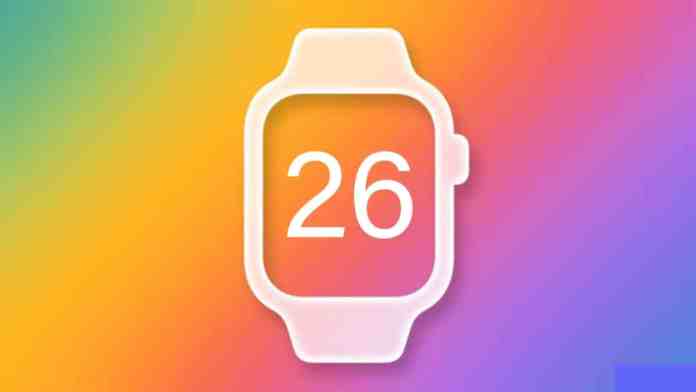
Exclusive: watchOS 26 Leaks Point to Major AI Integration, Custom Widgets, and VisionOS-Inspired Design

Published

on

Exclusive: watchOS 26 Leaks Point to Major AI Integration, Custom Widgets, and VisionOS-Inspired Design

Rumors surrounding the next major update for the Apple Watch are intensifying. According to multiple sources, watchOS 26 leaks indicate a significant evolution, moving beyond incremental improvements to introduce smarter, more personalized, and visually cohesive features. This anticipated update, expected to be unveiled at Apple’s WWDC 2025, could redefine how users interact with their wrist-worn devices.

A New Era of Personalization with Third-Party Widgets

For years, Apple Watch users have requested greater control over their device’s interface. Building on this demand, the most compelling detail from the watchOS 26 leaks is the introduction of fully customizable third-party widgets for the Control Center. Currently, this quick-access panel is limited to Apple’s native toggles. Consequently, this change represents a fundamental shift in philosophy.

Imagine adding a battery widget from your favorite travel app, a live sports score complication, or a one-tap shortcut for your home automation system directly to your wrist. This level of customization promises to make the Control Center a truly personal command hub. Therefore, developers will gain a powerful new canvas to enhance utility, while users finally get the flexibility they’ve longed for.

How Custom Widgets Will Transform Your Workflow

The implications are substantial. Instead of swiping through multiple watch faces or diving into apps, essential information and actions could be just a swipe away. This means that checking your next calendar appointment, toggling a Focus mode, or monitoring your Wi-Fi strength could become instantaneous. The potential for streamlining daily interactions is immense, making the Apple Watch an even more efficient companion.

Apple Intelligence Comes to the Forefront

While AI features have begun to surface in recent updates, watchOS 26 leaks suggest a deeper, more integrated approach branded under “Apple Intelligence.” The goal appears to be making the watch not just a notification relay, but a proactive, context-aware assistant. However, it’s important to note that the watch itself may still rely on a paired iPhone for heavy computational tasks.

Expected tools include a smarter Focus Mode that dynamically filters notifications based on urgency, a Smart Summary feature for condensing long messages or emails, and Genmoji for creating unique emoji characters on the fly. These features aim to reduce digital clutter and save precious time, directly on your wrist. For a deeper look at how AI is shaping Apple’s ecosystem, explore our analysis on Apple’s broader AI strategy.

A Fresh, Unified Design Language

Beyond new features, a visual refresh is also on the horizon. Reports indicate Apple is drawing inspiration from the spatial interface of visionOS to create a more harmonious experience across all its platforms. As a result, watchOS 26, alongside iOS 26 and macOS 26, may receive a subtle yet noticeable design update.

You can anticipate refined icons, smoother animations, and improved visual consistency. This isn’t about a complete overhaul but rather a polishing of the interface to feel more modern and aligned with Apple’s latest design principles. The objective is clear: to ensure moving between your iPhone, iPad, Mac, and Apple Watch feels seamless and intuitive.

Enhanced Accessibility and Inclusivity

True to its core values, Apple is reportedly doubling down on accessibility. New features highlighted in the leaks are designed to make the Apple Watch more powerful for users with diverse needs. These include expanded Live Captions supporting more languages, enhanced Live Listen controls for hearing assistance, and the introduction of “Accessibility Nutrition Labels” on the App Store.

This latter feature would allow users to see detailed accessibility information for apps before downloading them. Such initiatives underscore Apple’s commitment to building technology for everyone. To understand how these features build on past efforts, read our guide on maximizing Apple Watch accessibility.

Release Timeline and What You Need to Know

So, when can you expect these changes? The official announcement is slated for Apple’s Worldwide Developers Conference (WWDC) in June 2025. Following the developer beta, a public beta will likely arrive in July, with the final, stable release of watchOS 26 expected in September, coinciding with new iPhone models.

Regarding compatibility, while not officially confirmed, it is expected to support Apple Watch models from Series 6 onward. Naturally, to access all new features, a compatible iPhone running iOS 18 will be required. If you’re considering installing the beta, proceed with caution. Beta software can be unstable, and downgrading is not straightforward.

The Road Ahead: Smarter Health and Wellness

Looking beyond the immediate leaks, the trajectory points toward a health-centric future powered by AI. Rumors persist about advanced sensors for blood pressure monitoring and non-invasive glucose tracking, though these may not materialize in watchOS 26. The foundation being laid now—with smarter notifications, personalized summaries, and a more adaptable interface—sets the stage for the Apple Watch to become an even more indispensable health guardian.

In summary, the watchOS 26 leaks paint a picture of a mature platform ready for its next leap. By blending powerful AI, user-requested customization, and a refined design, Apple is preparing an update that aims to make the Apple Watch feel both more personal and more capable than ever before. All eyes are now on WWDC for the official confirmation.

Continue Reading
Click to comment

Leave a Reply

Your email address will not be published. Required fields are marked *

How To

Nothing OS 2.0 Unveiled: A Deep Dive into the Redesigned OS for Phone 2

Published

on

Nothing OS 2.0 Unveiled: A Deep Dive into the Redesigned OS for Phone 2

The tech landscape is about to get a fresh coat of minimalist paint. Nothing, the company founded by Carl Pei, has officially pulled back the curtain on Nothing OS 2.0. This isn’t just a routine update; it’s a foundational shift for the brand’s software philosophy, designed to launch in tandem with its highly anticipated second smartphone, the Nothing Phone 2.

A Philosophy of Intentional Design

At its core, Nothing OS 2.0 is a statement. It moves beyond simply skinning Android to crafting a distinct digital environment. The guiding principle is radical simplicity. This means every icon, animation, and setting exists for a clear purpose, stripping away the visual noise that often clutters modern interfaces. Consequently, users are promised an experience that feels both familiar and refreshingly direct.

Redefining the User Interface

Building on this philosophy, the user interface receives a comprehensive overhaul. Icons adopt a uniform, monochrome aesthetic that aligns with Nothing’s hardware design language. Transitions are smoother, and system-wide animations are designed to feel purposeful rather than flashy. The goal is to create a cohesive visual thread from the physical Phone 2 right into its digital soul.

Seamless Ecosystem Integration

Furthermore, Nothing OS 2.0 places a strong emphasis on connectivity. It aims to be the glue for a future Nothing ecosystem, potentially encompassing earbuds, wearables, and other smart devices. The OS is engineered to allow for effortless handoff of tasks and media between devices. Imagine starting a podcast on your Phone 2 and having it instantly available on your Nothing headphones with a single tap—this is the seamless future the company is building towards.

Enhanced Control and Customization

Despite its minimalist stance, the OS doesn’t sacrifice personalization. In fact, it reimagines it. Users gain more granular control over the famous Glyph Interface on the Phone 2’s back, allowing for custom light patterns for different contacts and notifications. The Quick Settings panel and home screen widgets also offer new levels of customization, enabling users to tailor information access to their daily routines without compromising the clean aesthetic.

Prioritizing Performance and Privacy

Under the hood, Nothing OS 2.0 is optimized for efficiency. The company claims significant improvements in app launch speeds, background task management, and overall system fluidity. This is paired with a renewed focus on user privacy. The OS includes more transparent permission controls and streamlined privacy dashboards, giving users clearer insight into what data apps are accessing. For a deeper look at how this performance translates, check our analysis of leading Android skins.

What This Means for the Nothing Phone 2

The launch of Nothing OS 2.0 with the Phone 2 is a strategic masterstroke. It signifies that Nothing views software and hardware as inseparable halves of a whole product experience. The Phone 2 will be the first device to fully embody this new software vision, with features and optimizations that leverage its specific hardware capabilities, particularly the enhanced Glyph Interface and potential new sensors.

This approach creates a unique selling proposition. While other manufacturers may offer powerful hardware, Nothing is betting that a cohesive, intentional, and distinctive software experience will be the key differentiator.

The Road Ahead for Nothing

Ultimately, Nothing OS 2.0 represents a critical maturation for the brand. Version 1.0 established a look; version 2.0 seeks to establish a lasting philosophy. It’s an ambitious attempt to prove that software can have a clear personality and that less visual complexity can lead to a more powerful and personal user experience. As the Phone 2 launch approaches, all eyes will be on whether this refined digital canvas lives up to its promise of purposeful design.

Continue Reading

How To

Google Pixel 10 Pro: Official Teaser Reveals New Design, Camera, and Launch Offer

Published

on

Google Pixel 10 Pro: Official Teaser Reveals New Design, Camera, and Launch Offer

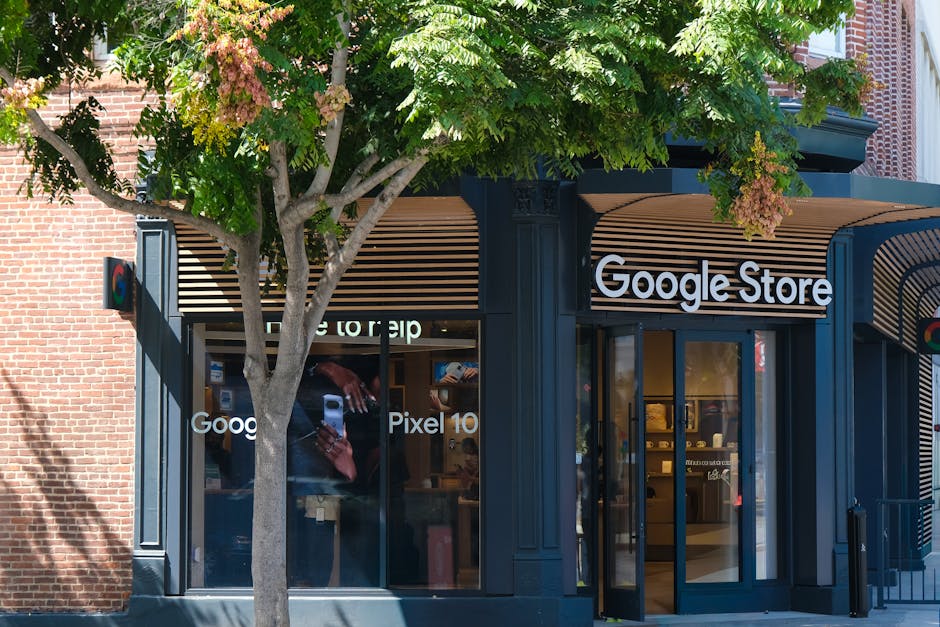
The wait for the next flagship is heating up. In a move that has captured the tech world’s attention, Google has officially teased its upcoming Google Pixel 10 Pro, offering a tantalizing glimpse of what’s to come. This strategic preview, shared directly on the Google Store homepage, confirms key design elements and hints at significant upgrades, setting the stage for a major August unveiling.

A Closer Look at the Pixel 10 Pro Design

Building on this early reveal, the 13-second teaser video is more than just a countdown. It artistically morphs the number “10” into the phone’s defining feature: its redesigned camera bar. This visual confirmation aligns with earlier industry leaks, showcasing a device that refines the iconic Pixel aesthetic. The body appears with a glossy finish and smoothly rounded edges, promising a comfortable grip.

However, a closer inspection reveals the Pro model’s key differentiator. A new third camera lens now sits on the rear panel, a feature absent from the standard model. This addition immediately distinguishes the Google Pixel 10 Pro from its predecessor and its sibling, suggesting a focus on enhanced photographic capabilities. The new “Moonstone” color option, a sophisticated blue-grey hue with polished metal rails, further elevates the device’s premium visual appeal.

Camera System: The Heart of the Pixel 10 Pro

While full specifications remain under wraps, the camera system is clearly a centerpiece. The Google Pixel 10 Pro is confirmed to sport a triple-lens rear array. This setup is expected to include a high-resolution 48MP main sensor for capturing immense detail, complemented by a 12MP ultra-wide lens for expansive shots. The star of the show is likely the new 10.8MP telephoto lens, which should enable powerful optical zoom, taking inspiration from the imaging prowess of devices like the Pixel 9 Pro Fold.

Furthermore, an intriguing new hardware feature sits just below the camera flash: a temperature sensor. This addition points to Google expanding the phone’s utility beyond traditional smartphone functions, potentially integrating smart home or health-related features. The base Pixel 10 model is rumored to use smaller sensors, making the Pro’s camera hardware the most compelling reason to upgrade.

What the Teaser Didn’t Show

Naturally, Google is saving the full reveal for the launch event. Details on the chipset, battery life, display technology, and software-exclusive AI features are still awaited. The community is buzzing with speculation about whether Google’s next-generation Tensor chip will power the device and what computational photography magic it will enable.

Global Launch Offer and Key Dates

In addition to the design tease, Google announced a strategic promotional offer to reward early adopters. This means that interested buyers need to act quickly. To qualify for an exclusive discount code, users must subscribe to Google Store email updates before August 18, 2025. The offer window itself is brief, running from August 20 through September 4.

Therefore, planning is essential. The promotional code will be valid for the purchase of one Google Pixel 10 Pro device and requires checkout via Google Pay. This global offer presents a tangible opportunity for fans to secure the latest Pixel at a reduced price, provided they meet the subscription deadline. For more on current Google deals, you can check our guide on latest Pixel discounts.

The Road to August 21

All official roads lead to August 21, 2025, the date set for the grand unveiling. This teaser campaign successfully builds anticipation, confirming enough to excite the base while withholding the complete picture. The Google Pixel 10 Pro appears poised to continue Google’s philosophy of clean design, industry-leading camera software, and thoughtful integration of new hardware sensors.

As a result, the upcoming launch event is shaping up to be a significant moment in the 2025 smartphone calendar. Potential buyers, especially in markets like India, should stay tuned for local pricing and availability details, which are expected to follow the global announcement. For a comparison with the previous model, see our analysis of the Pixel 9 Pro’s features.

Ultimately, this early glimpse suggests Google is not just iterating but aiming to make a definitive statement with its next Pro flagship. The stage is set for a competitive and exciting launch season.

Continue Reading

How To

Beyond the Battle Royale: 5 Hidden Facts That Define PUBG Mobile’s Legacy

Published

on

Beyond the Battle Royale: 5 Hidden Facts That Define PUBG Mobile’s Legacy

What truly lies beneath the surface of the world’s most popular mobile battle royale? While millions drop into the battlegrounds of PUBG Mobile daily, few know the fascinating stories and design decisions that shaped its identity. This article uncovers five essential PUBG Mobile facts that reveal the game’s unique journey from concept to cultural phenomenon.

The Underground Origins of a Battlefield

Interestingly, the iconic underground areas weren’t part of the original PUBG vision. In fact, these complex subterranean spaces were added months after the initial launch. The inspiration came directly from creator Brendan Greene’s previous work on the Delta Force game series, where he experimented with multi-level combat environments. This background in tactical shooters directly influenced PUBG’s evolution beyond a simple last-man-standing arena into a game with vertical strategy.

The Story Behind “Winner Winner Chicken Dinner”

Every player recognizes the triumphant message, but its origin is a piece of gaming history. During his time working on earlier battleground games, Greene encountered a tradition among players. When someone won a match with a cash prize, they would often celebrate by buying chicken for dinner. This slice of real-world gamer culture became immortalized as PUBG’s victory slogan, connecting digital triumph to tangible reward in a way few game phrases achieve.

The Pan: More Than Just a Meme

While often joked about, the humble frying pan holds a special place in PUBG’s development. Initially, it was an overpowered tool capable of one-hit kills, even against Level 3 helmets. Although later balanced, it remains Greene’s personal favorite item. Why? Because mastering its unique hitbox and timing allows players to perform the rare feat of deflecting bullets—a skill that turns a kitchen utensil into the ultimate survival tool.

From Prototype to Profit: PUBG’s Meteoric Rise

Building on this foundation of clever design, the game’s commercial success was staggering. Within just two months of its PC launch, PUBG sold 2 million copies. Its first three days generated approximately 70 crore in revenue, propelling it into the world’s top-five best-selling games within a single year. On mobile, it consistently ranked #1 in the Android Play Store’s top-grossing charts, proving its cross-platform appeal.

The Business Model Behind the Battles

Many players wonder how a game with no traditional ads sustains itself. The answer lies in a savvy hybrid model. While not free on all platforms, PUBG Mobile generates immense revenue through unit sales, the Royale Pass subscription system, and cosmetic item sales. This strategy proved incredibly effective, with the game reportedly earning 721 crore in February 2018 alone. For more on successful mobile game strategies, see our guide on mobile app revenue models.

Why the Zone is a Circle, Not a Square

This final fact concerns a fundamental design choice. Early concepts featured a shrinking square play zone. However, developers realized a circle created fairer, more predictable pressure, forcing organic encounters without giving corner-camping players an advantage. The iconic blue electric force field, therefore, isn’t just a visual effect—it’s a carefully calculated mechanic ensuring dynamic end-game scenarios. For insights into other game design choices, check our analysis on competitive game mechanics.

Therefore, these five PUBG Mobile facts show a game built on thoughtful design, cultural references, and commercial intelligence. From its delayed underground areas to its financially brilliant item shop, every element has a story. This means that next time you hear “Winner Winner Chicken Dinner,” you’ll appreciate the rich history behind those three simple words.

Continue Reading

Trending